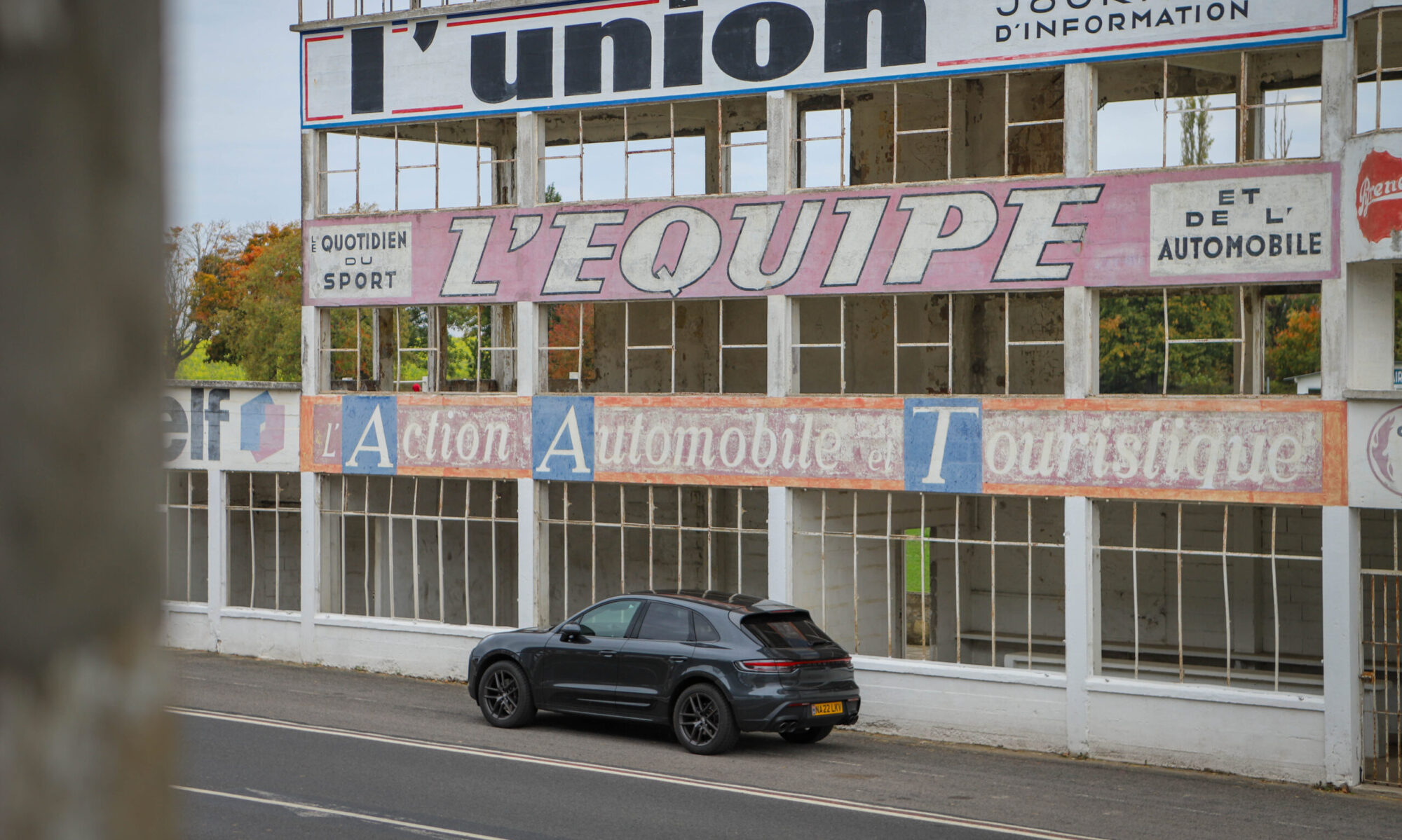
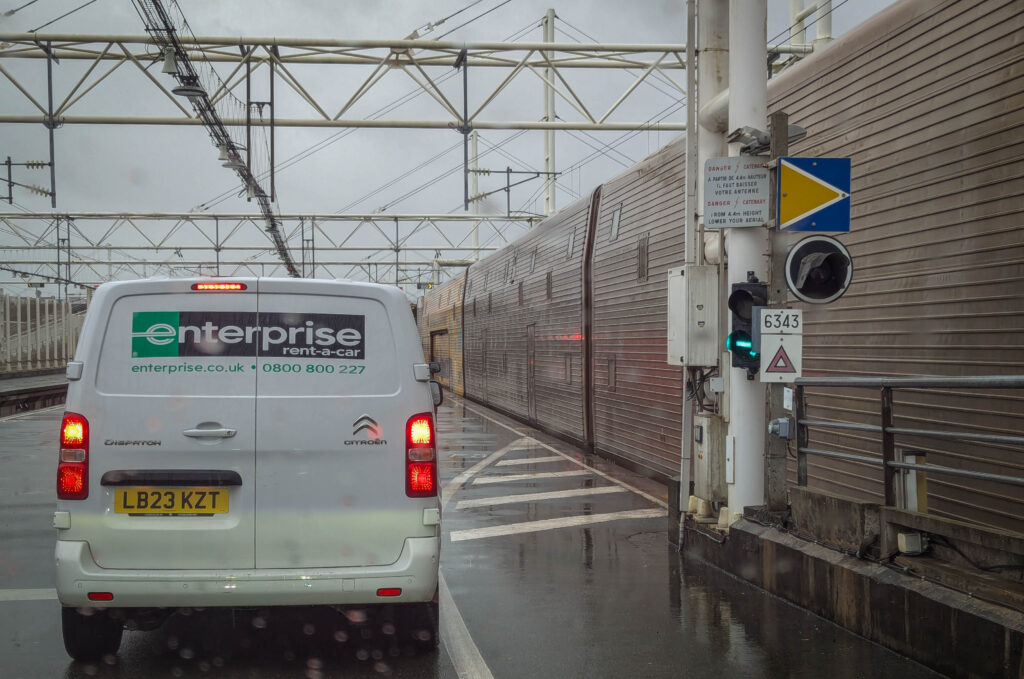
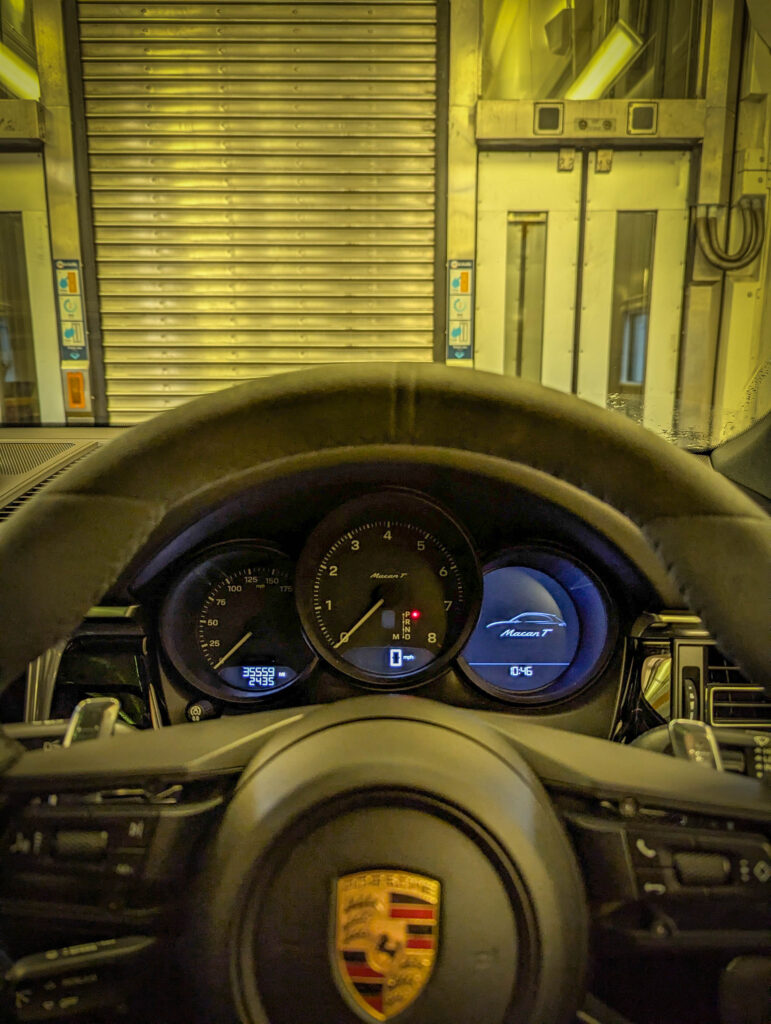
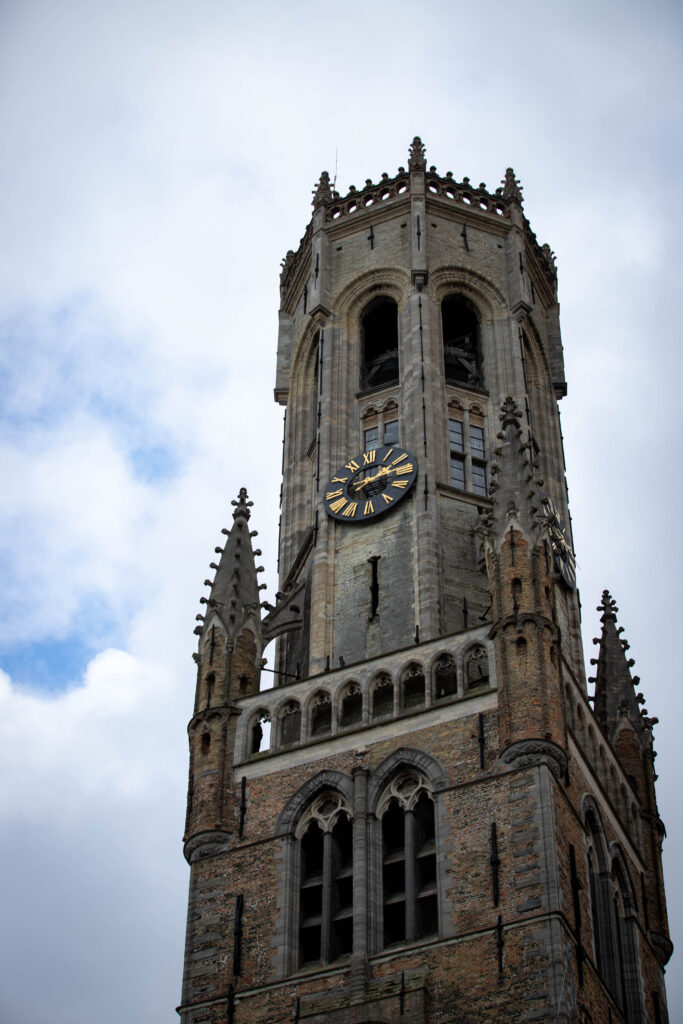
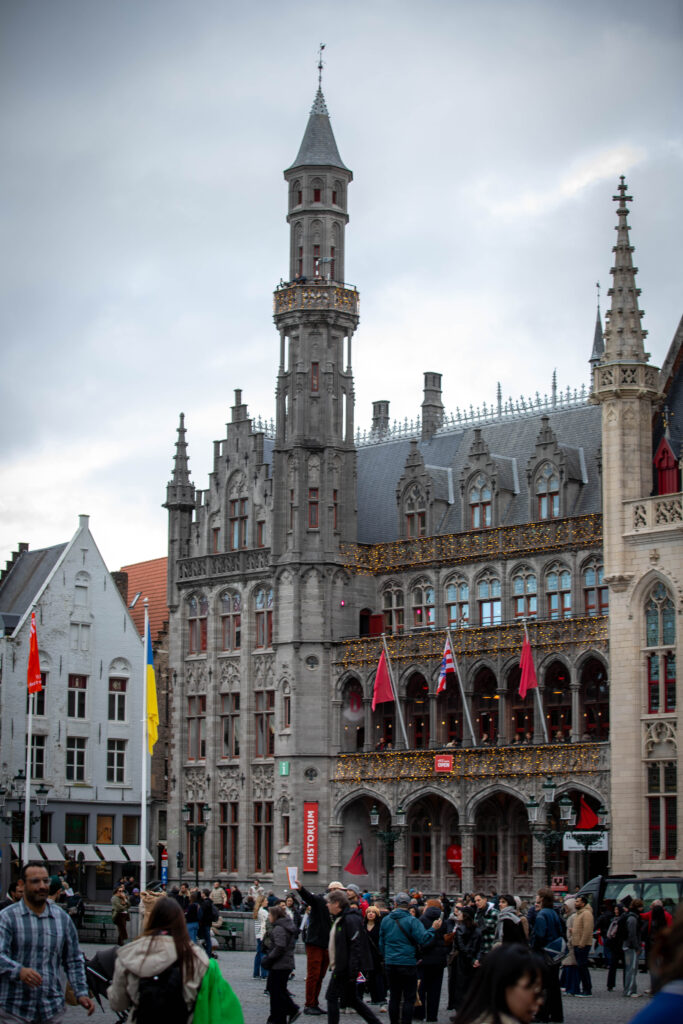
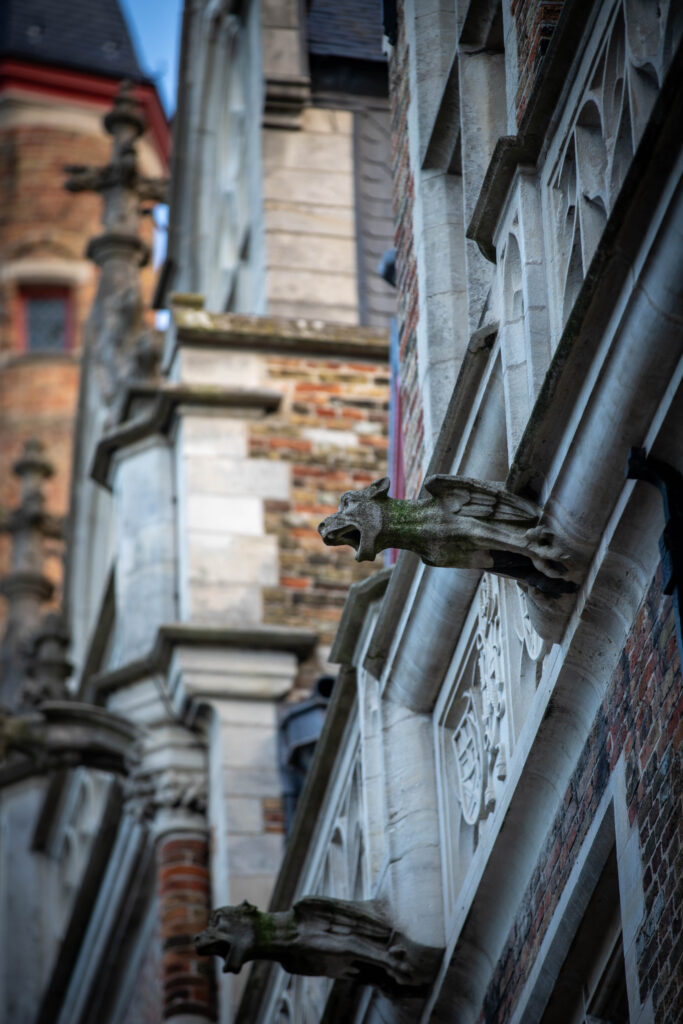
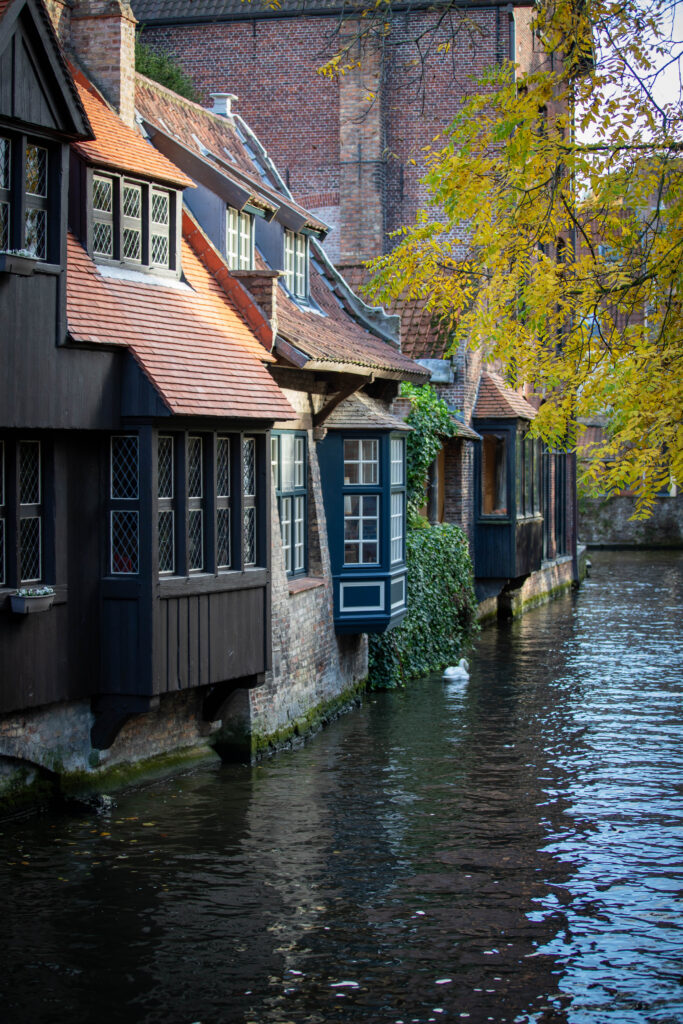
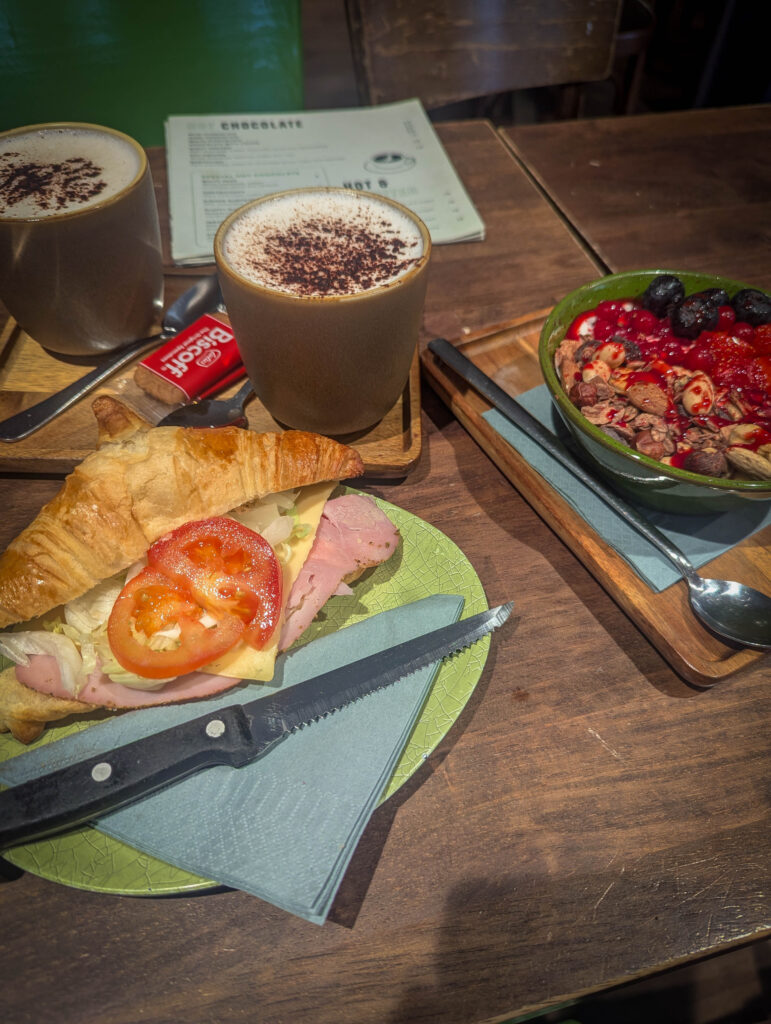
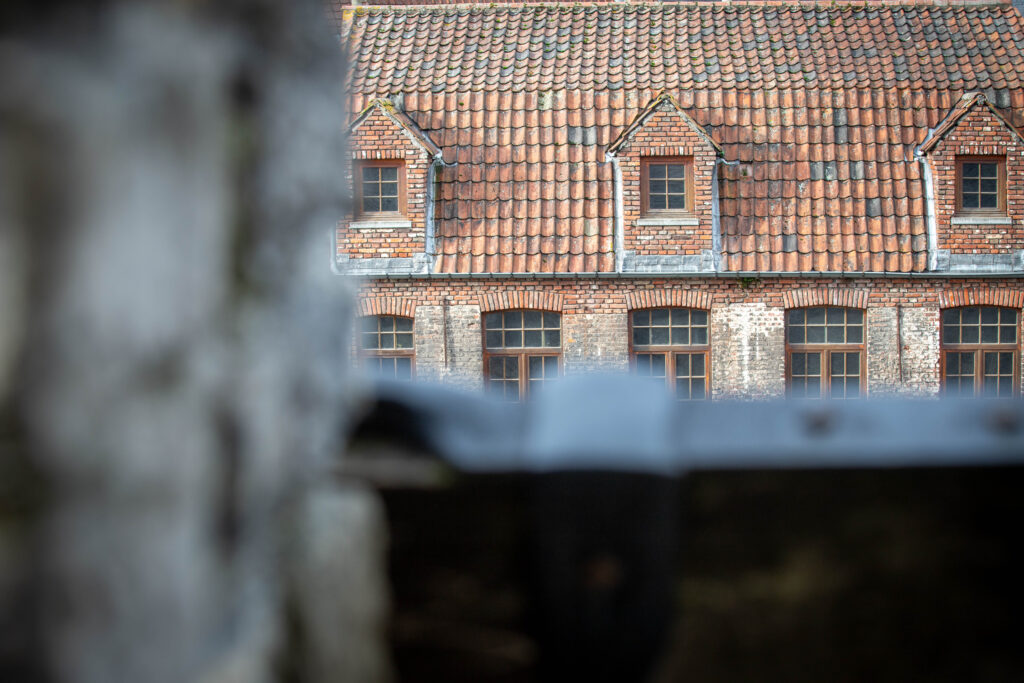
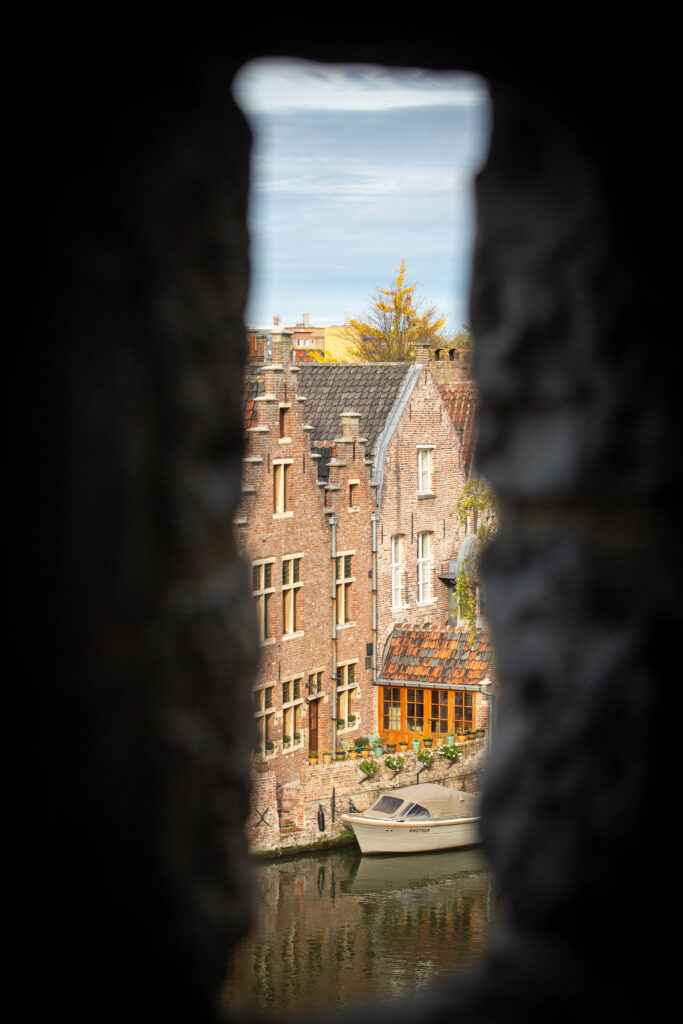
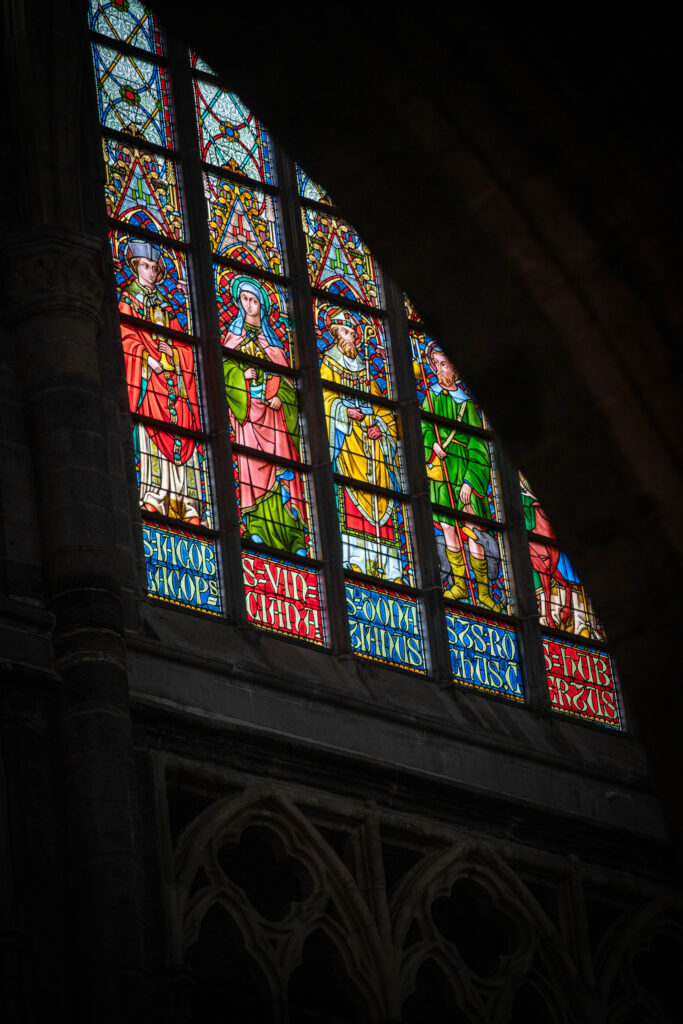
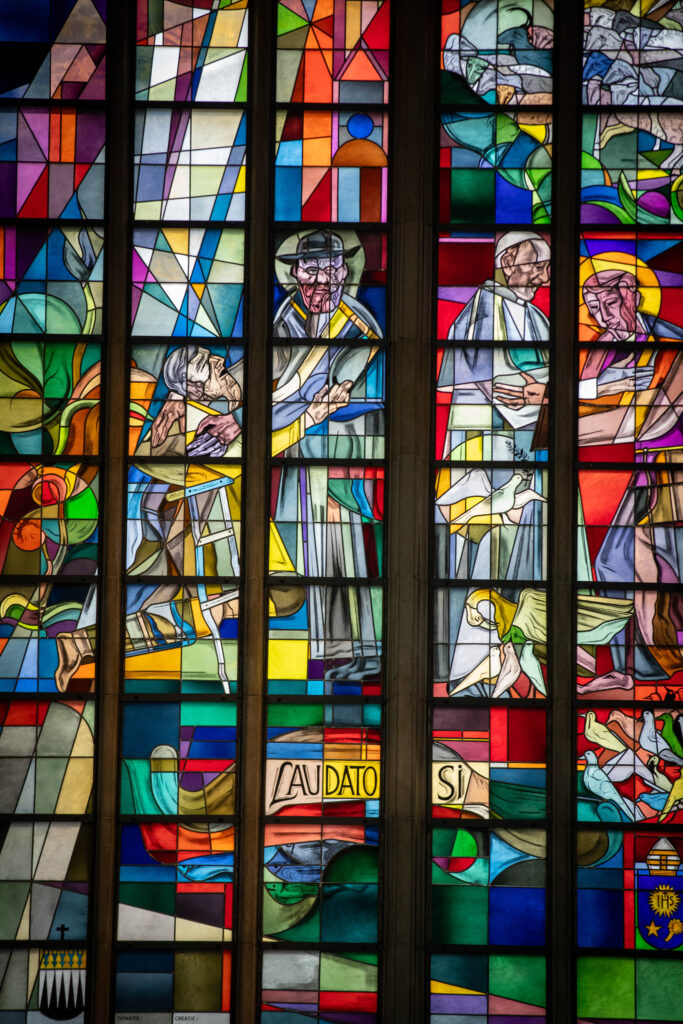
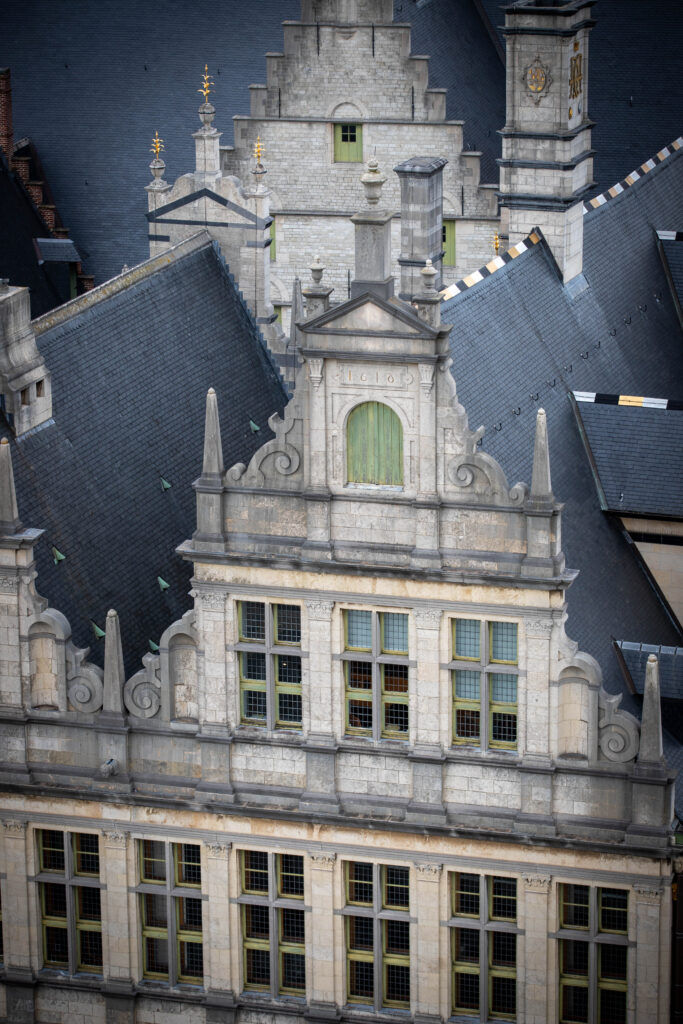
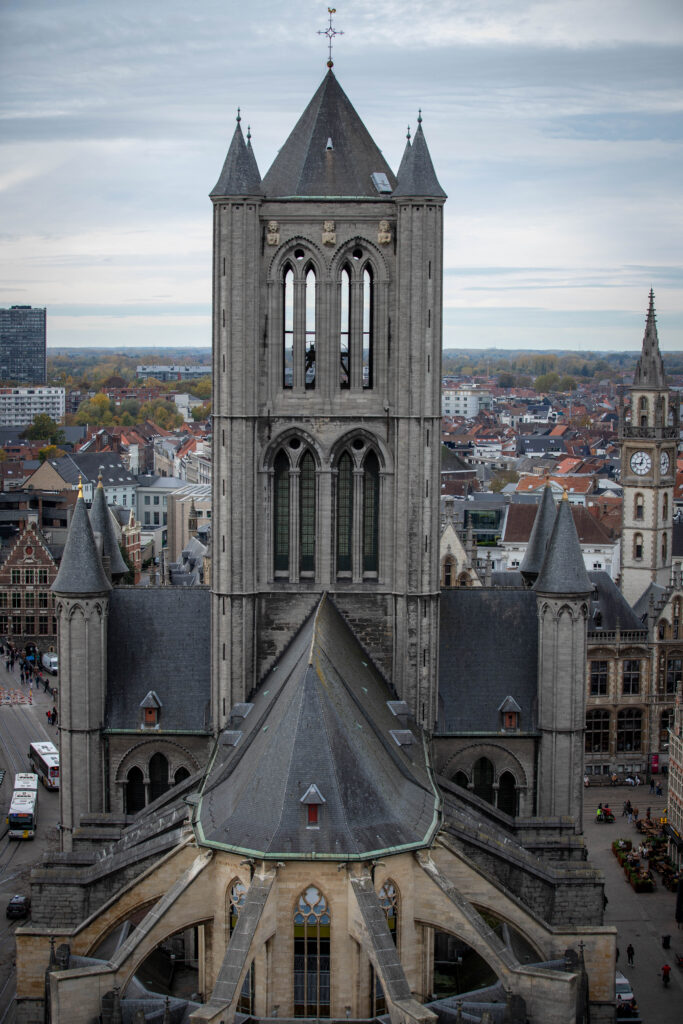
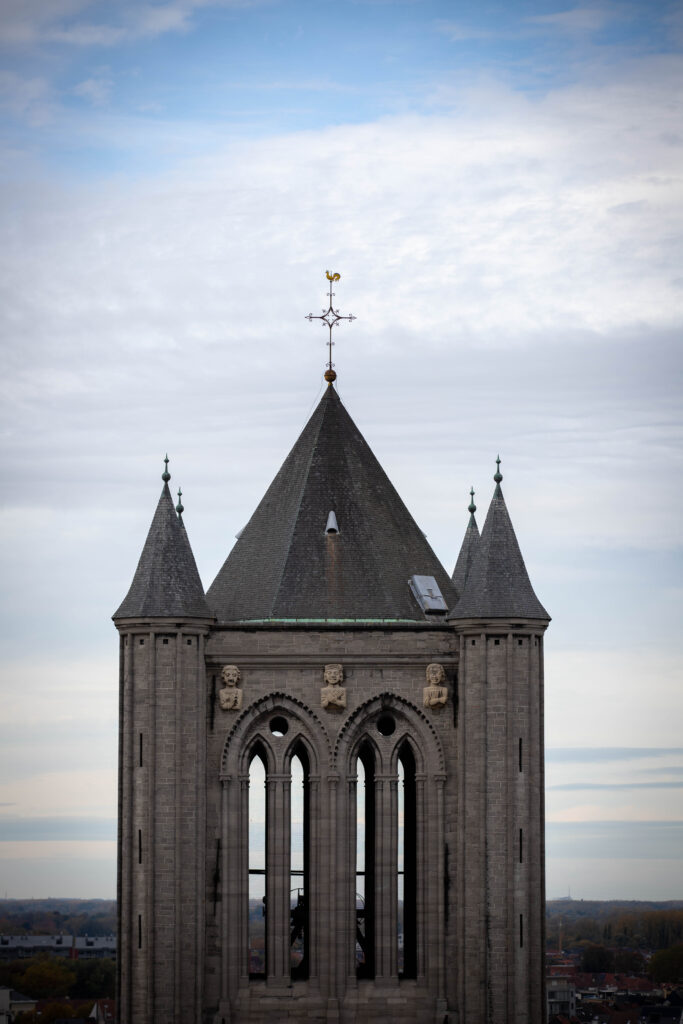
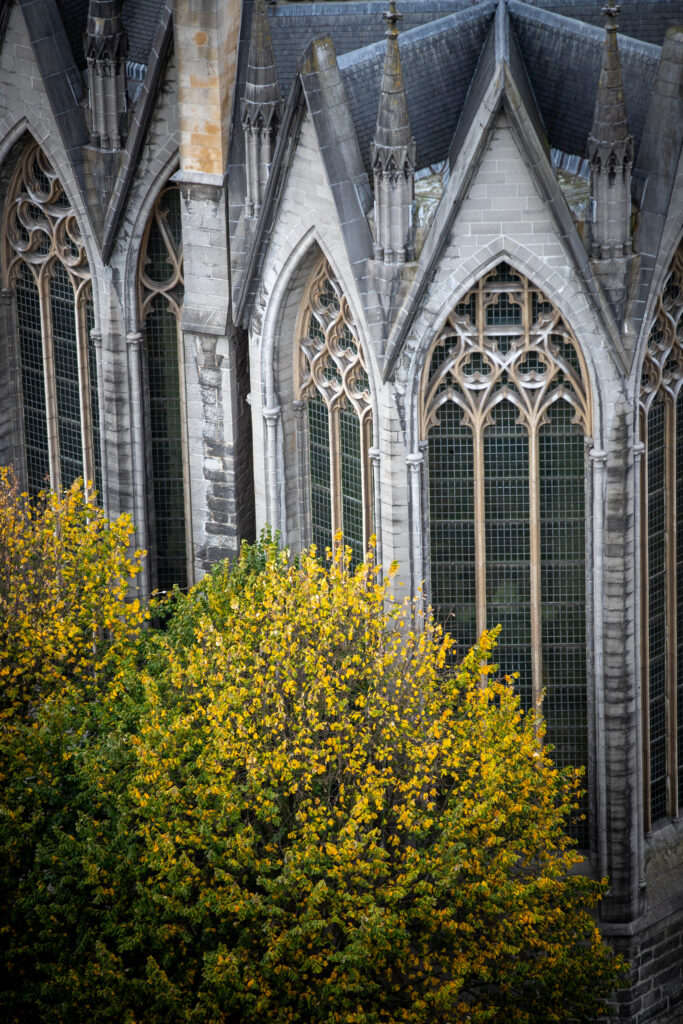
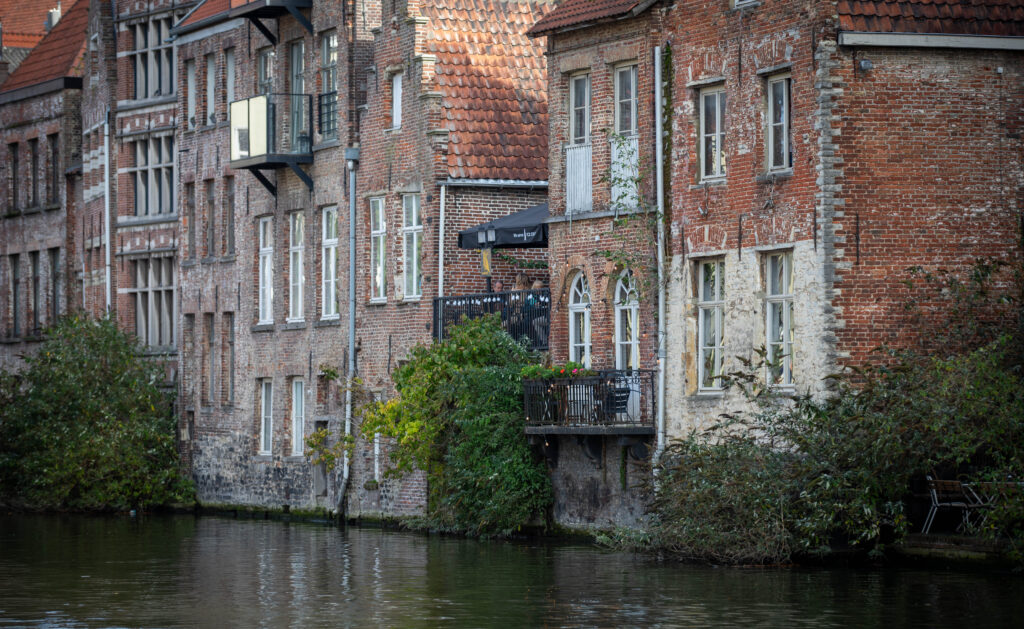
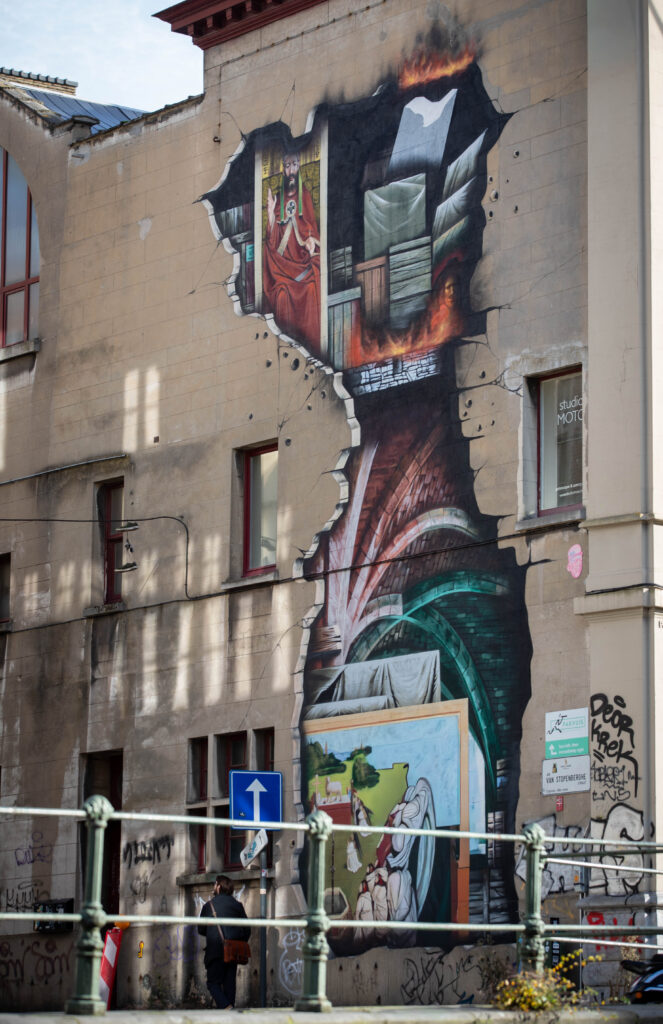
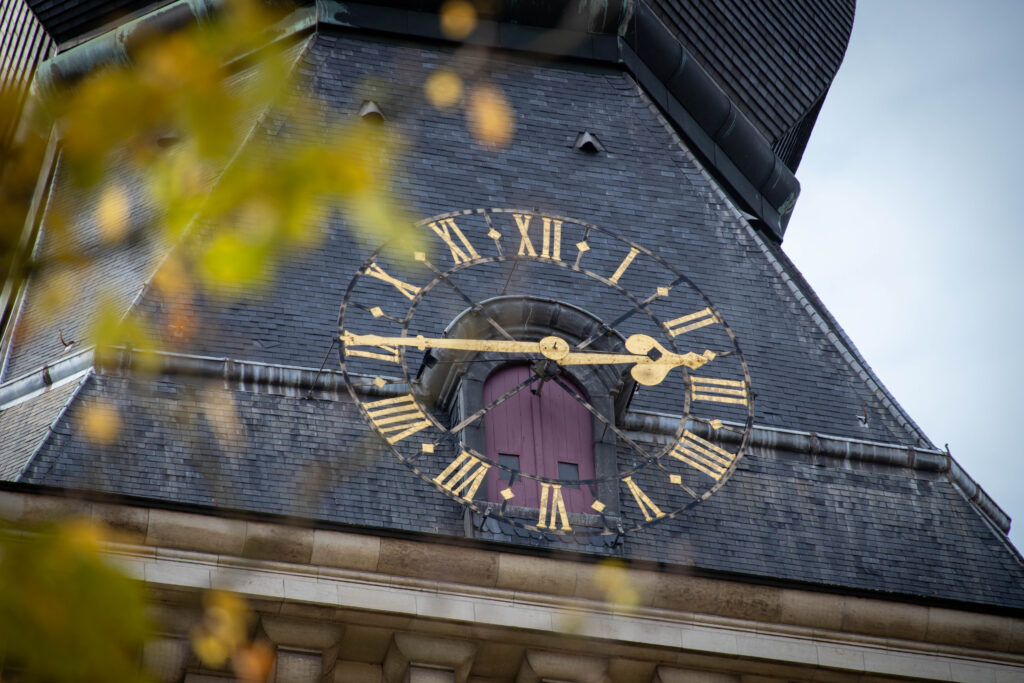
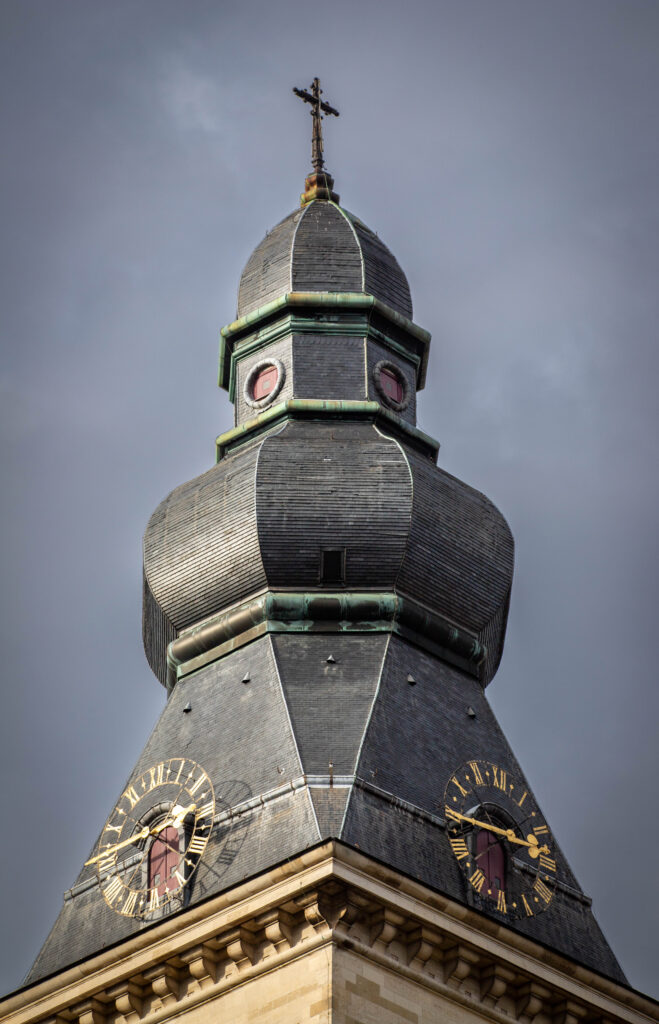
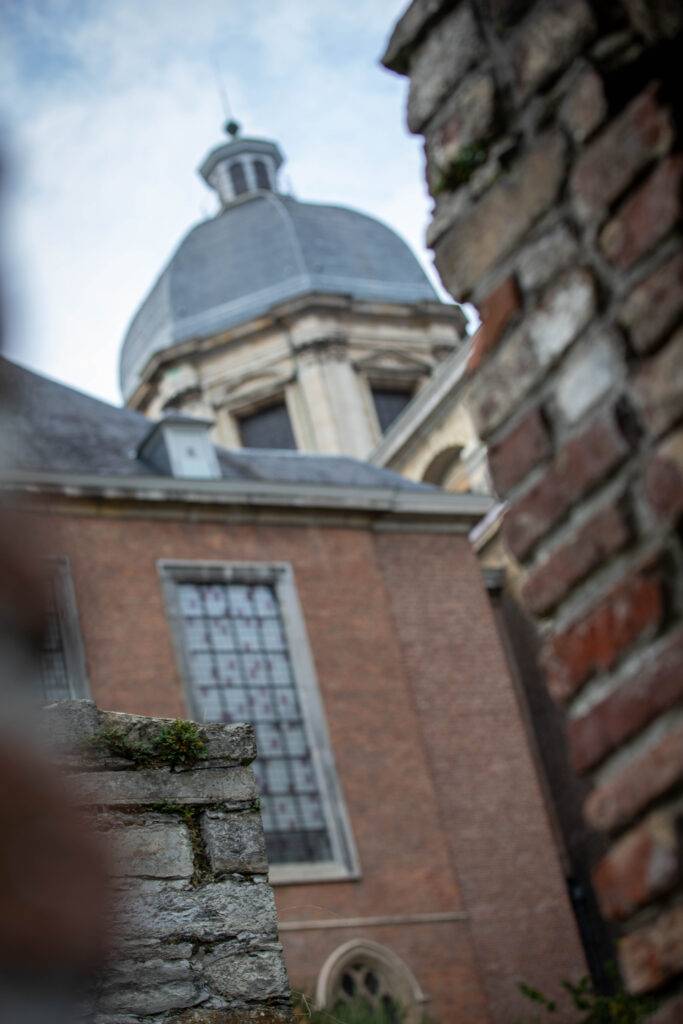
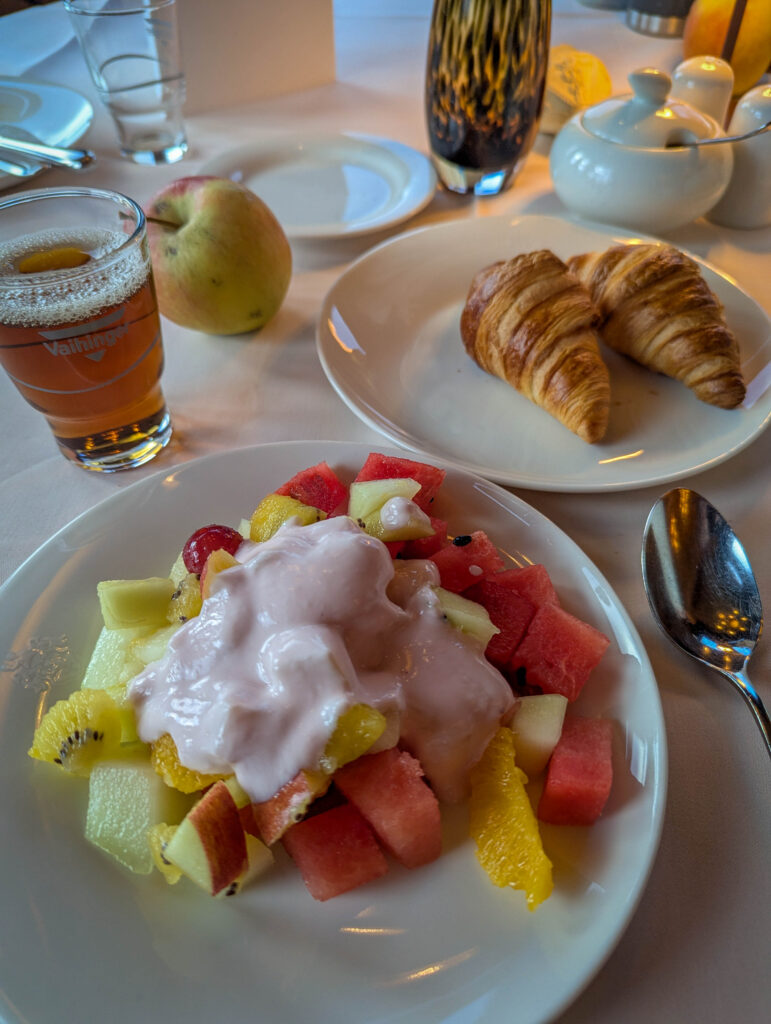
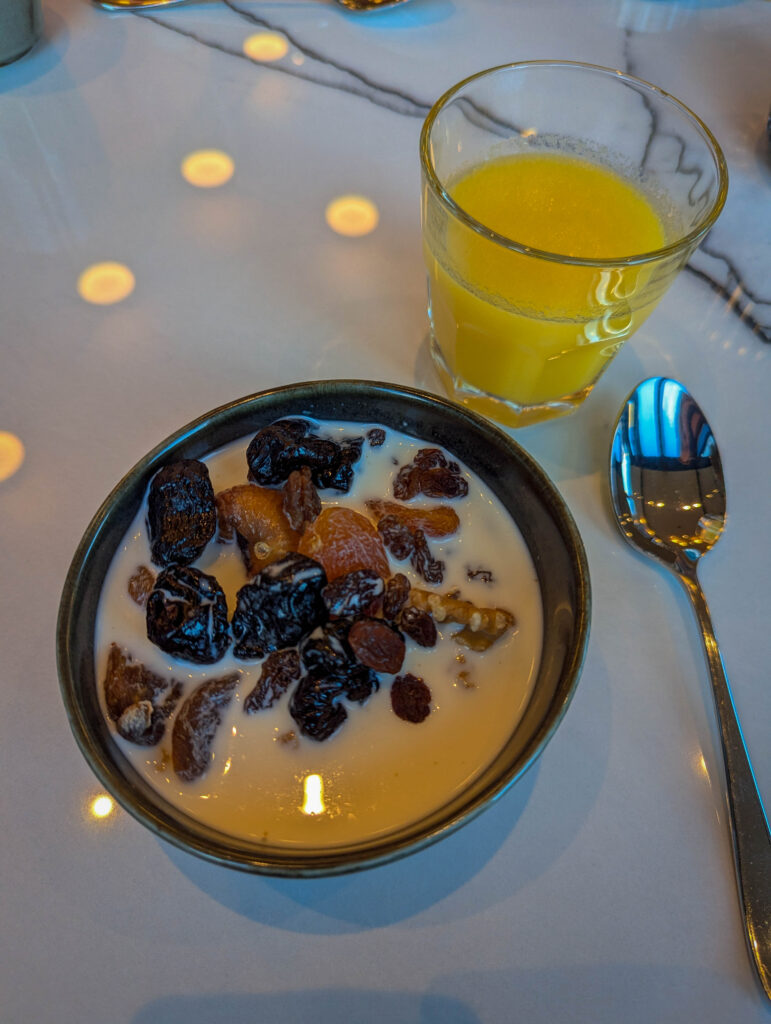
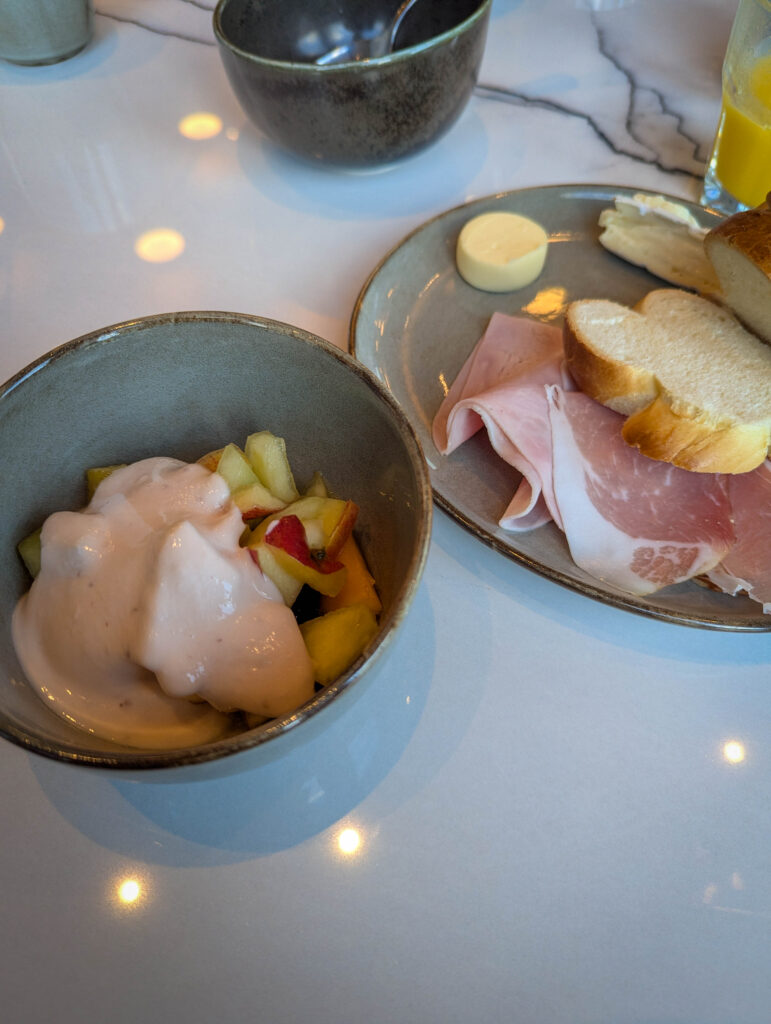
A simple drive home today, taking the quickest route from Bruges to the Channel Tunnel, then onward to home. Nothing much to report other than we arrived in time to get the earlier train, so briefly grabbed warm croissant from the passenger terminal before jumping back in the car and heading over to the “large” vehicle queue which was short – meaning we were pretty close to the front of the train so go out quickly onto the UK roads.
A quick stop for fuel in Folkestone, then M&S at Bluewater to collect a few days of food (Ultimate Lasagne!) plus lunch, before we headed through the Dartford tunnel, around the M25 and up the M1. We were lucky the traffic was generally light and we arrived home by 4pm. Just a shame the road is full of idiots and bad drivers, very little of which we had experienced for the last 2 weeks!!
Well, that’s 4,391 km or 2,729 miles behind us, and a total of 2 days, 18 hours and 20 minutes behind the wheel. Excellent trip.
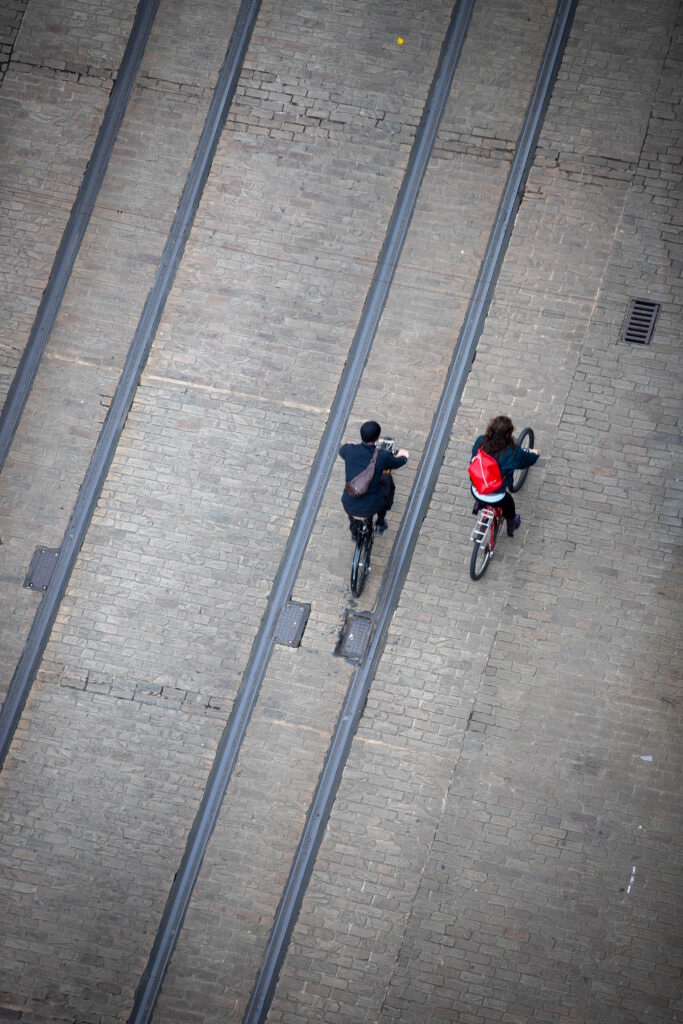
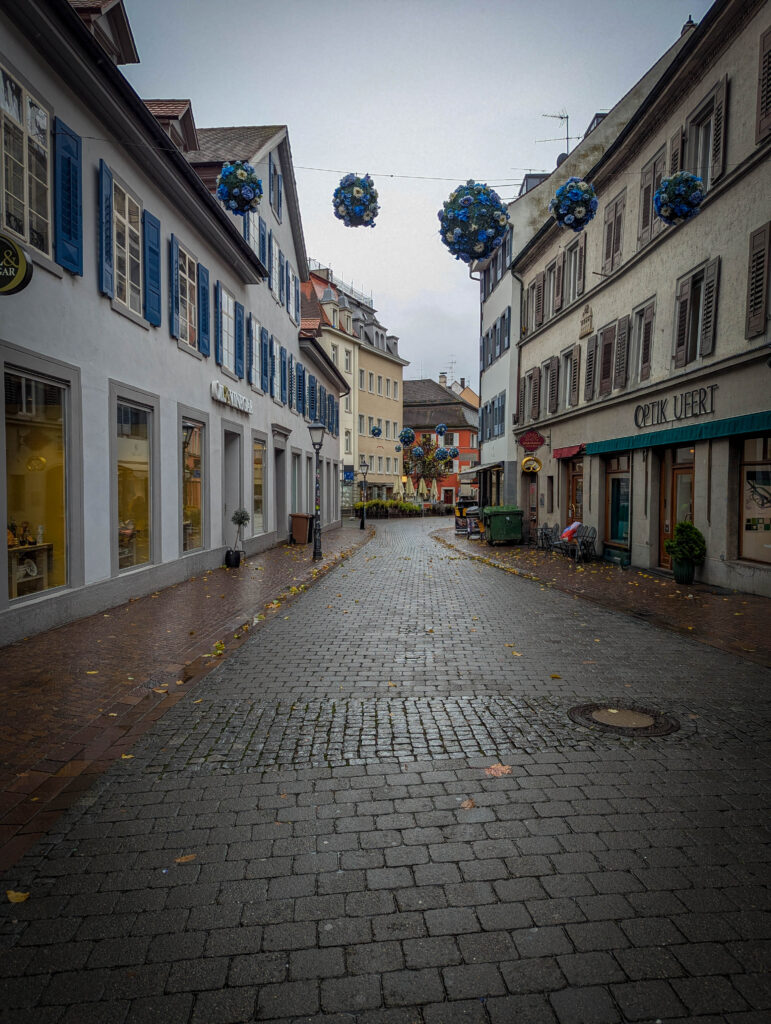
A short hop from Ghent to Bruges today, before the long drive home. We woke to heavy rain in Ghent, but nevertheless decided a run would be a good idea. Jo plotted a route which was a one-way run, a tram back and then collection of breakfast from a bakery we had found the day before.
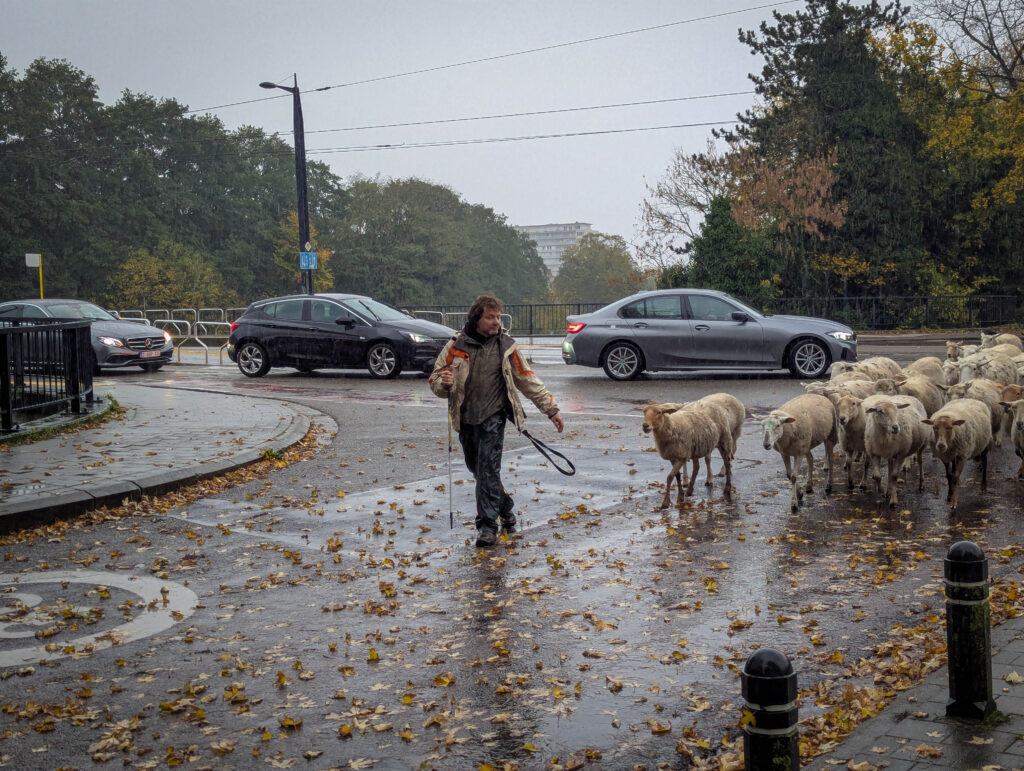
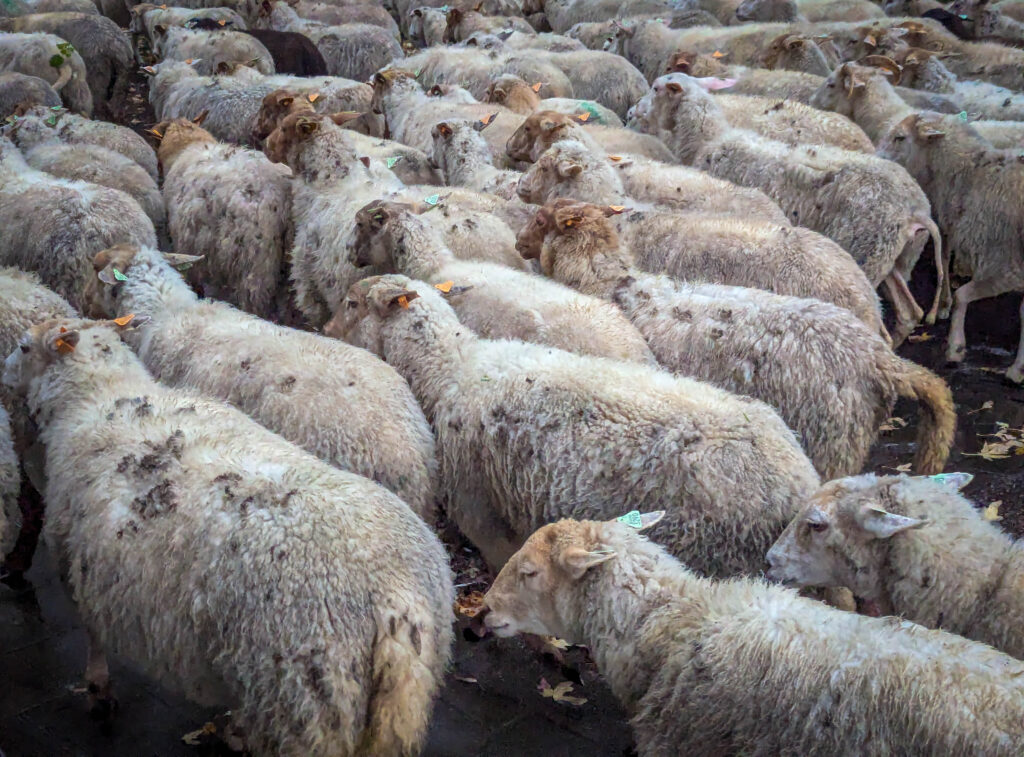
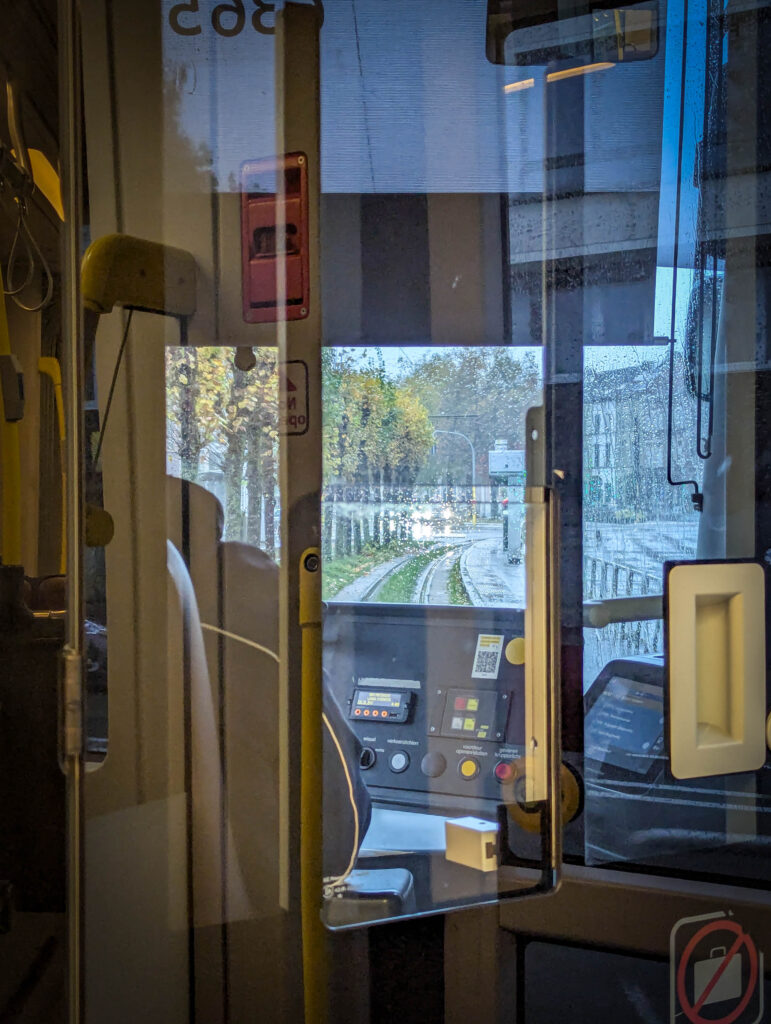
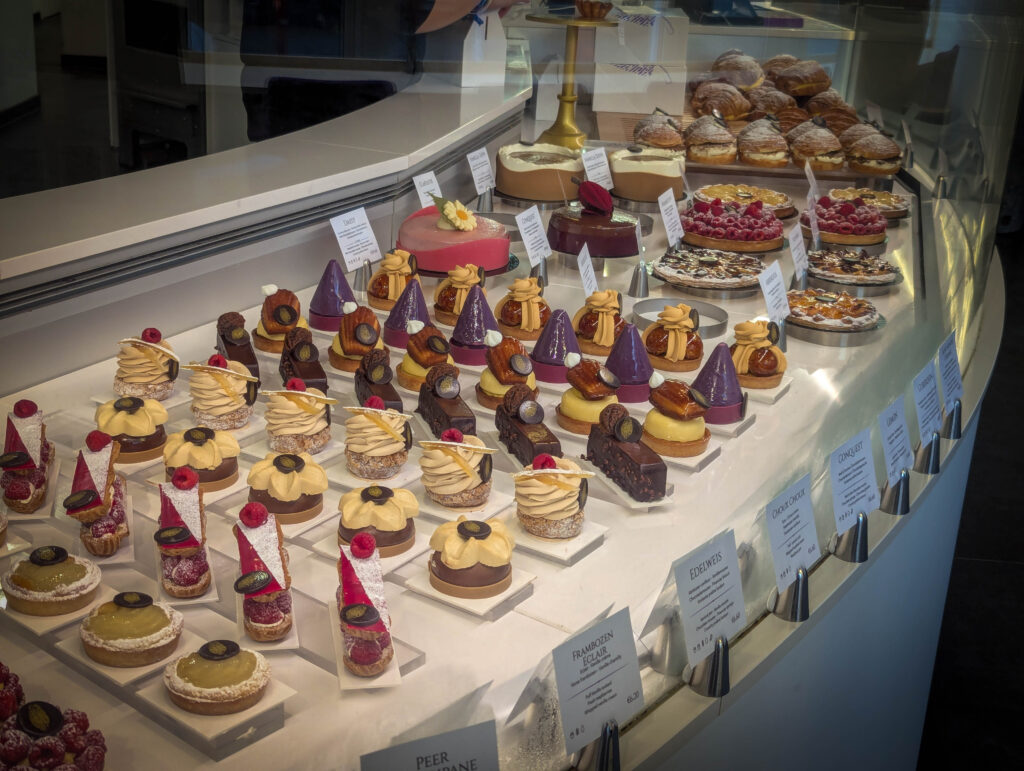
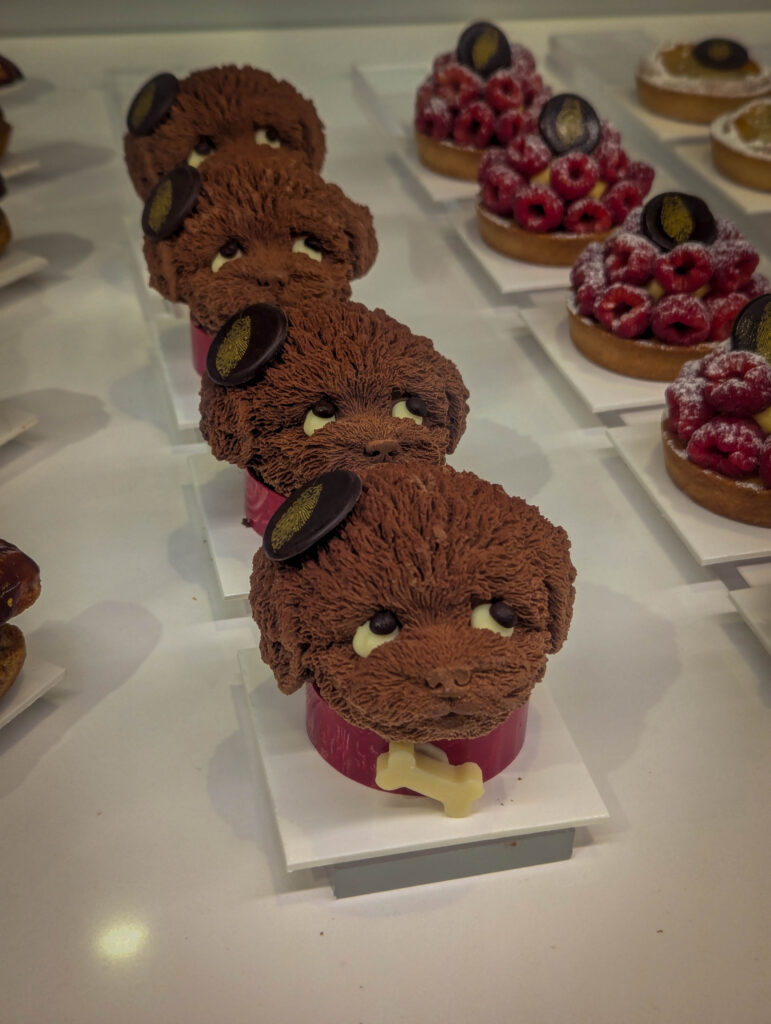
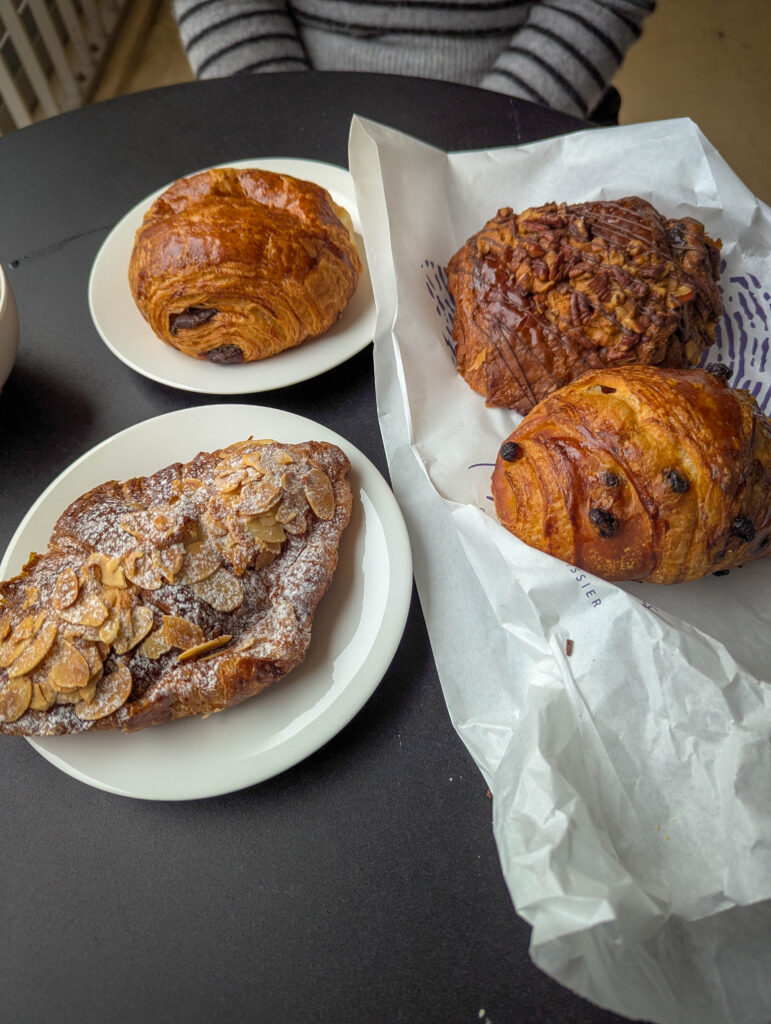
The run was flat – 11m of elevation in 3.5 miles…no wonder it only took just over 30 minutes. The only point of note, other than how wet we got, was someone herding a flock of sheep through the city. No idea where they were going from or to as there was no obvious place for them to graze, but they were being moved across some pretty major roads. The tram back arrived quickly as we sheltered from the rain under the stop’s canopy, then we found the bakery which turned out had a rather nice selection of chocolates and cakes. We opted for pastries – almond, pecan, chocolate and raisin – which we ate back in the hotel after showering.
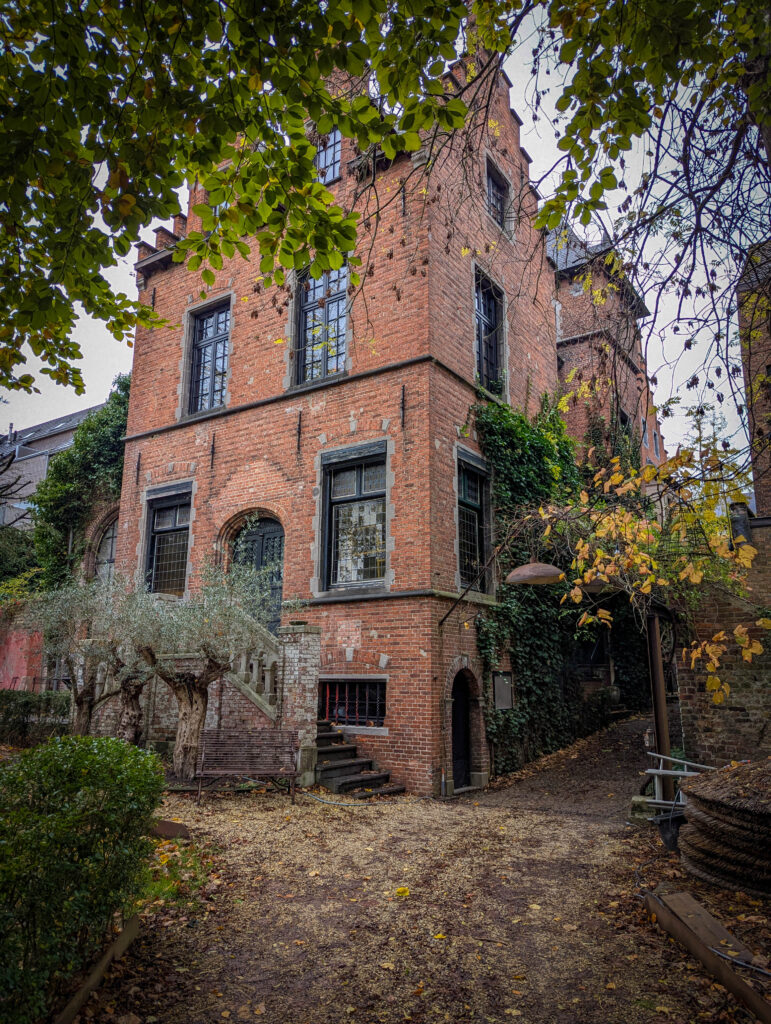
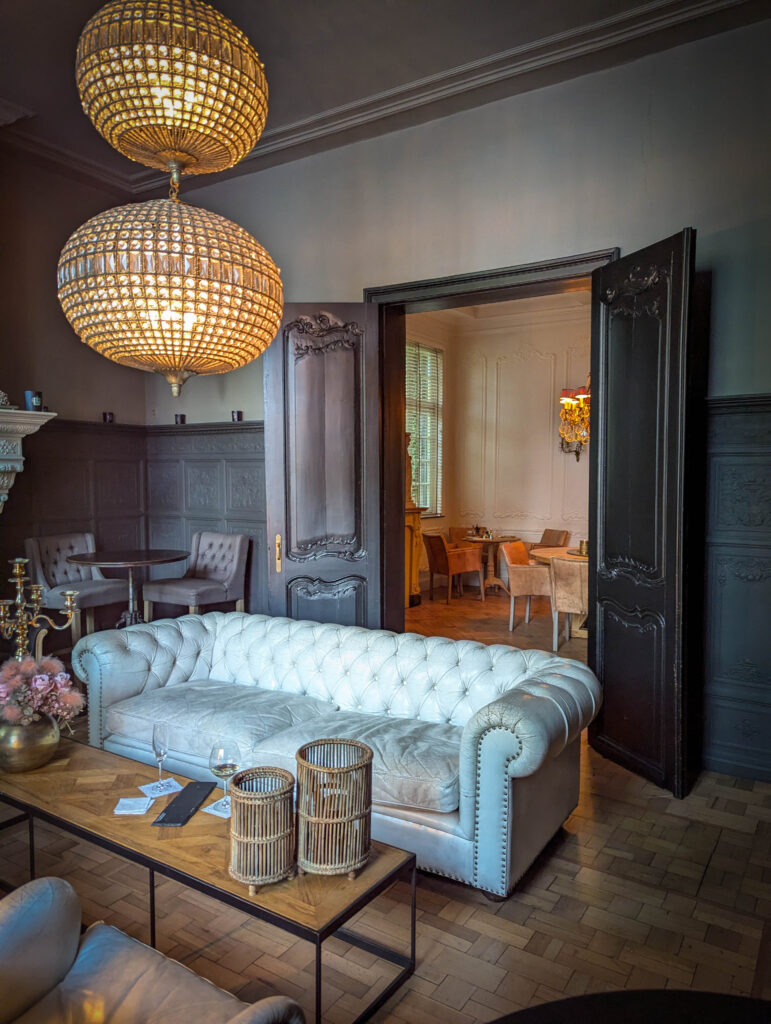
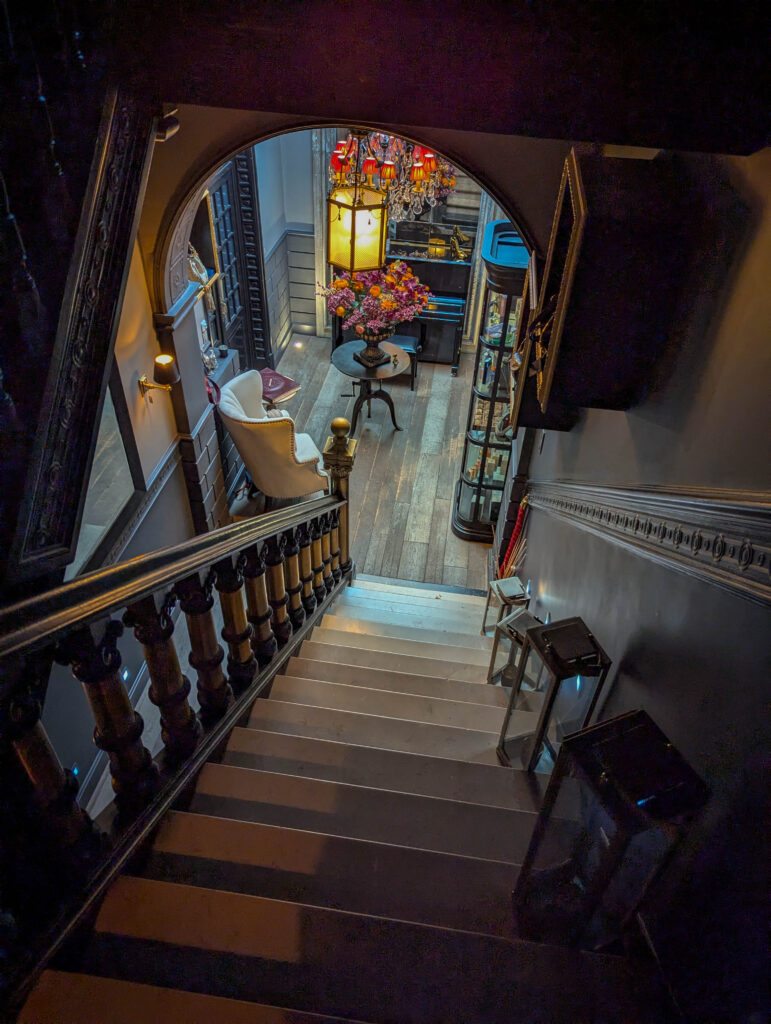
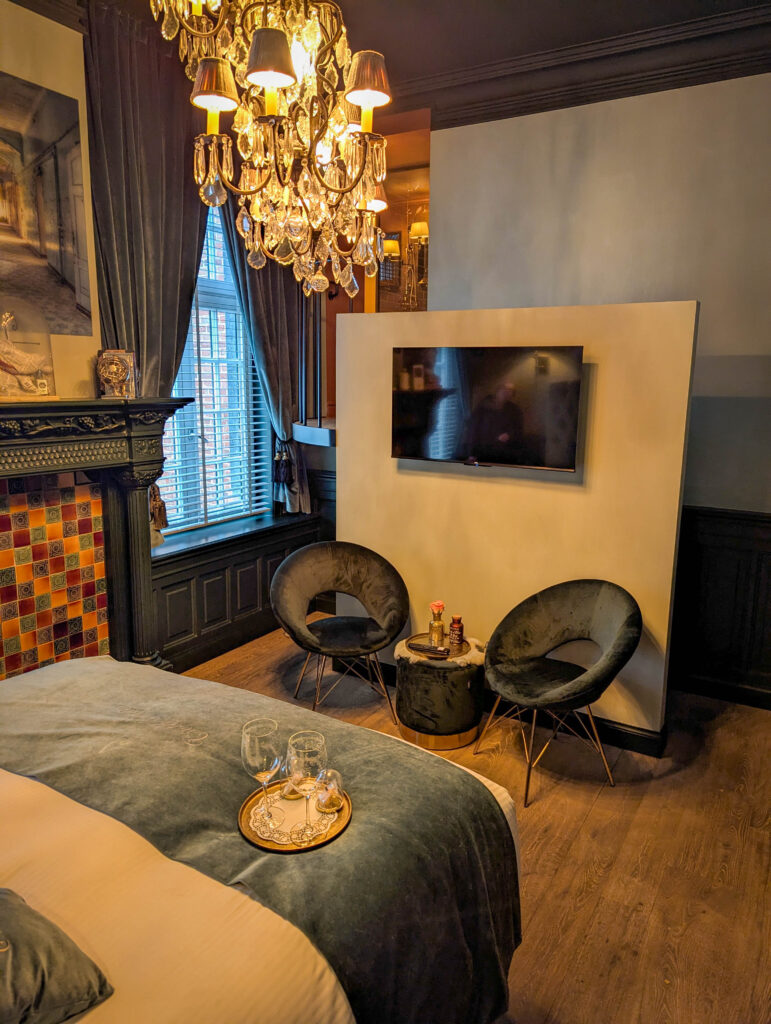
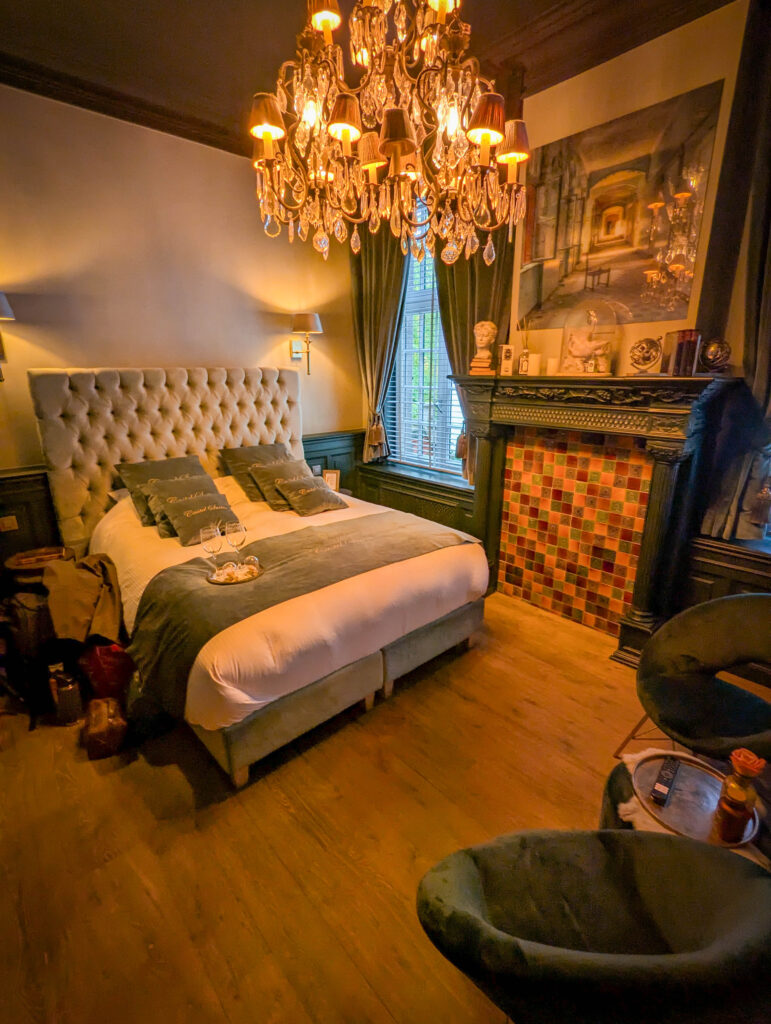
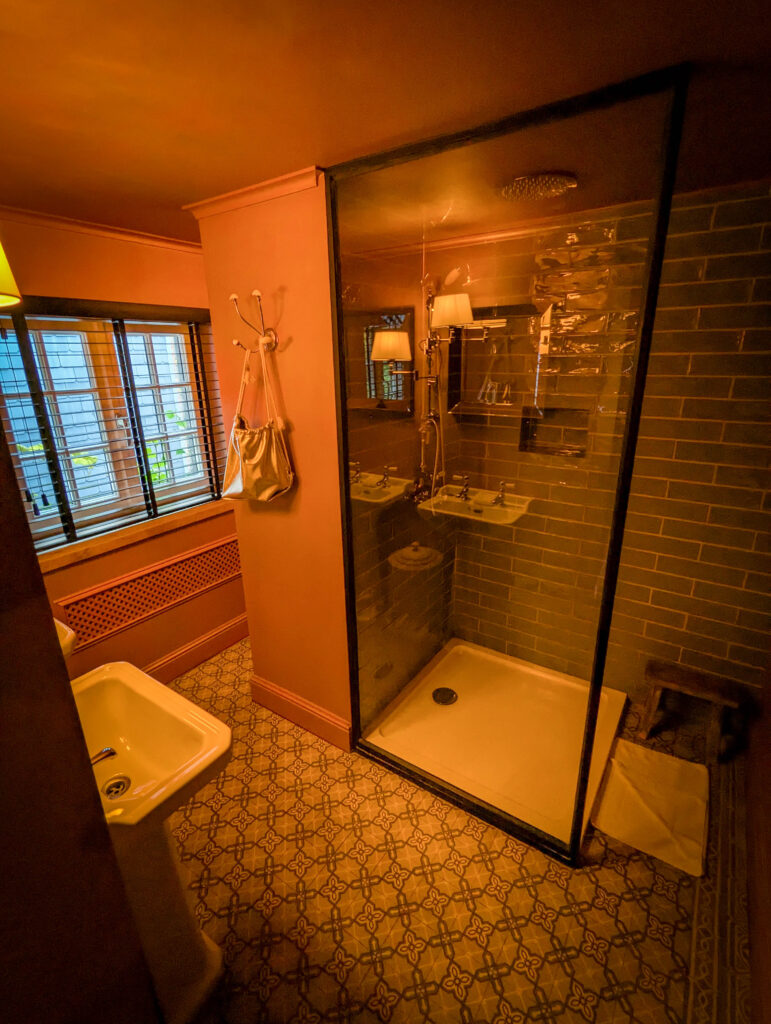
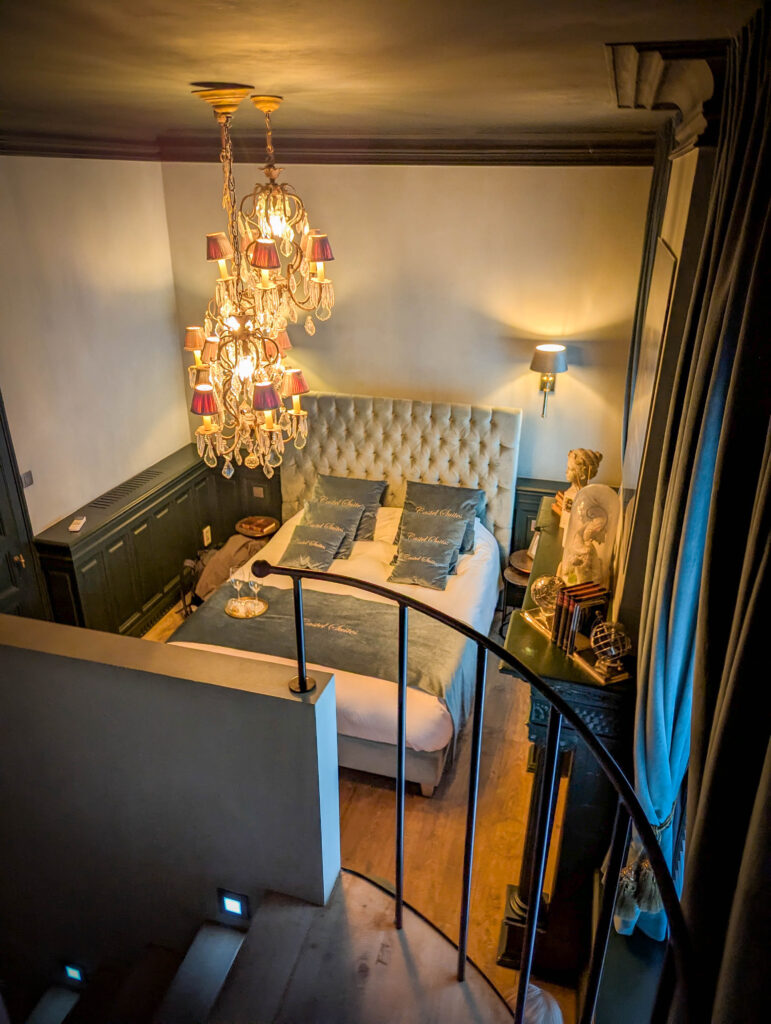
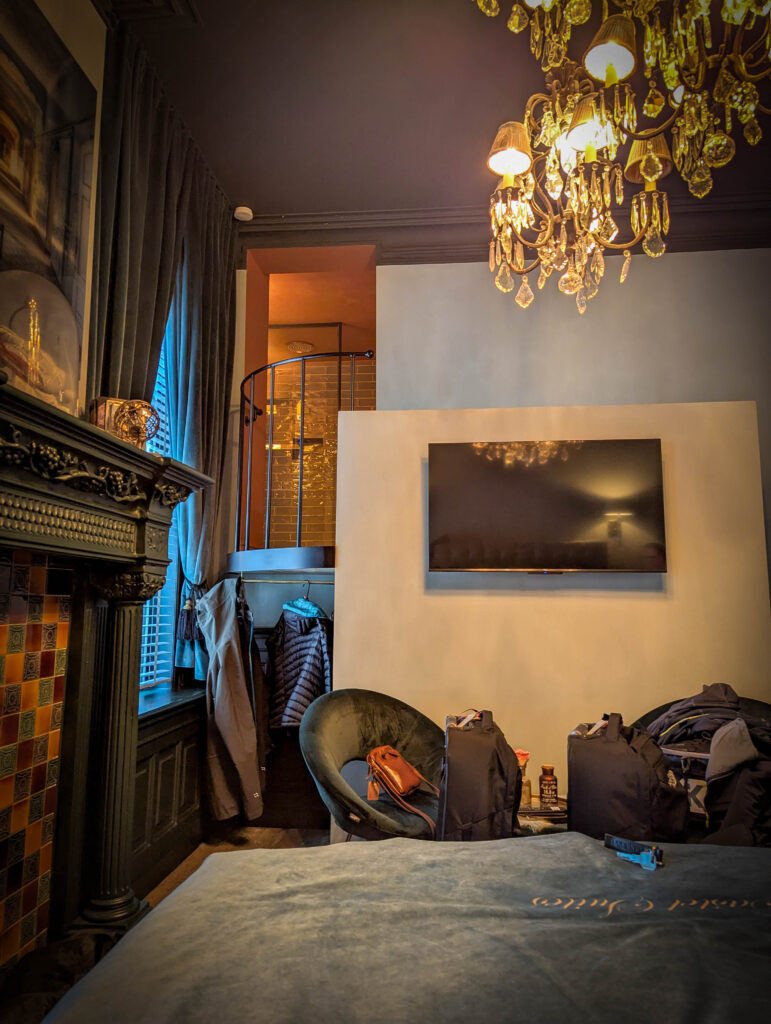
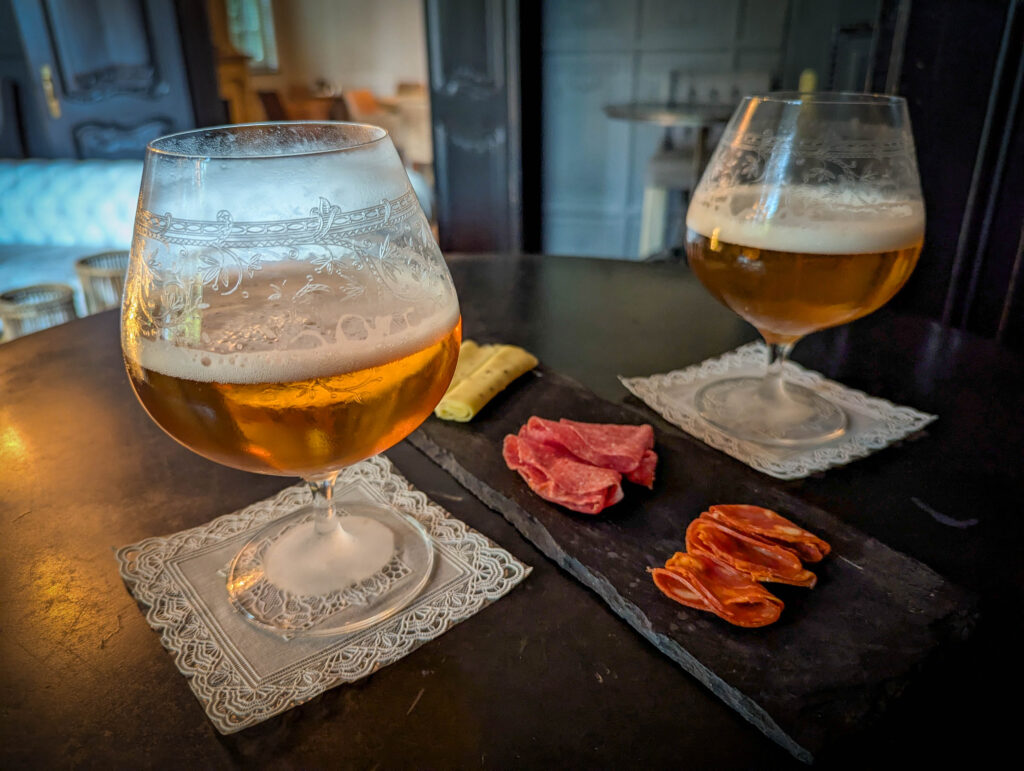
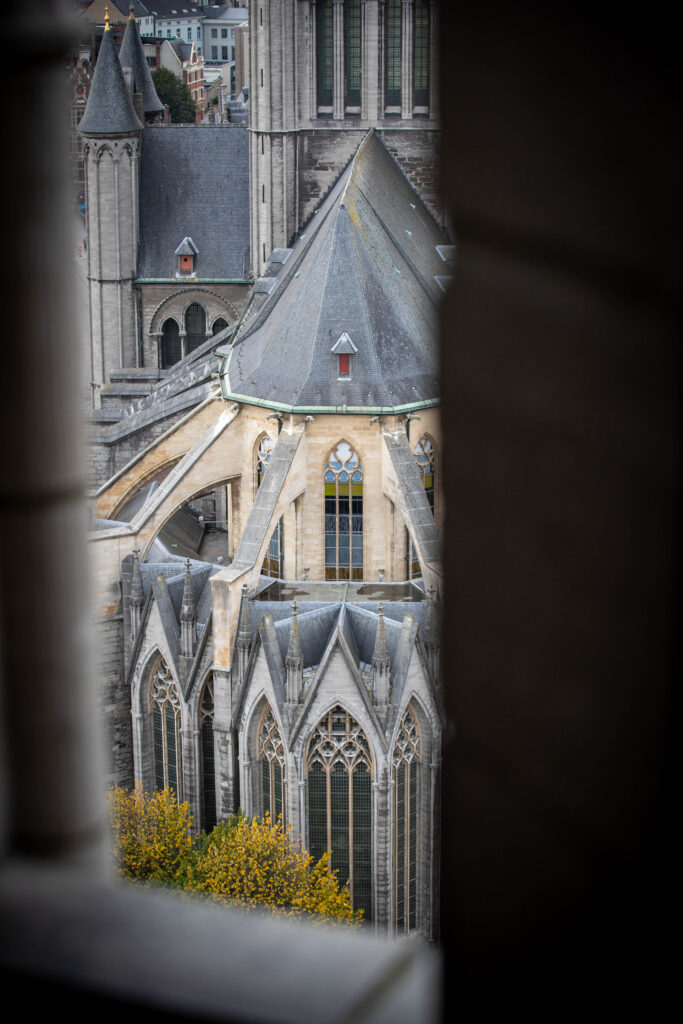
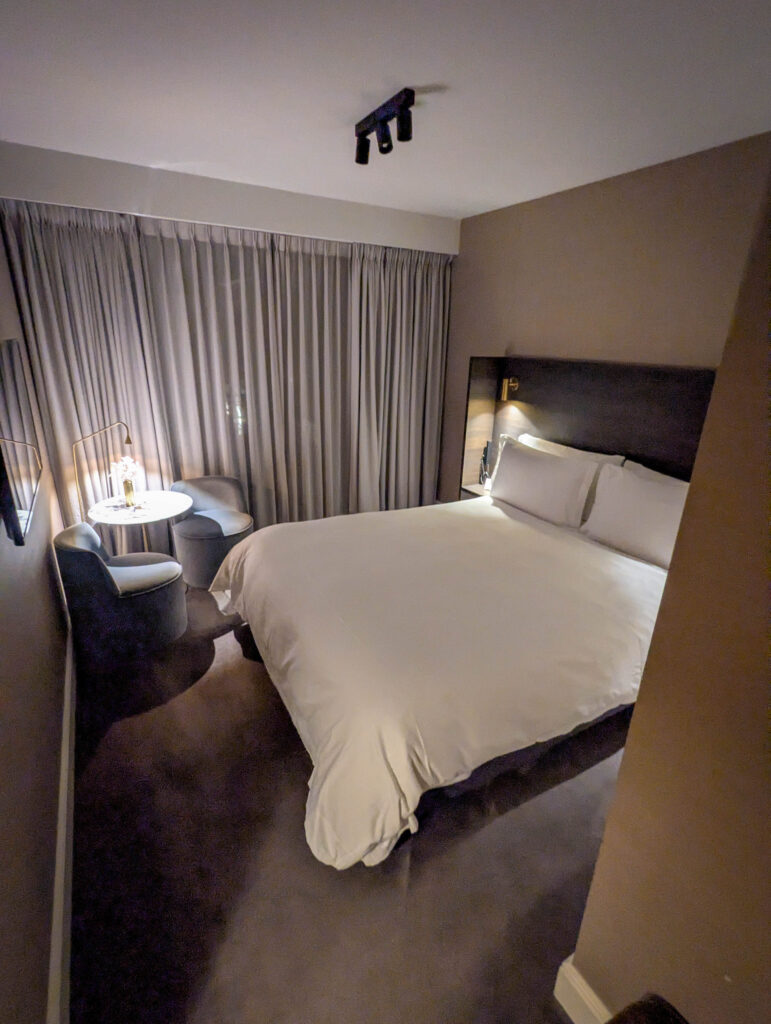
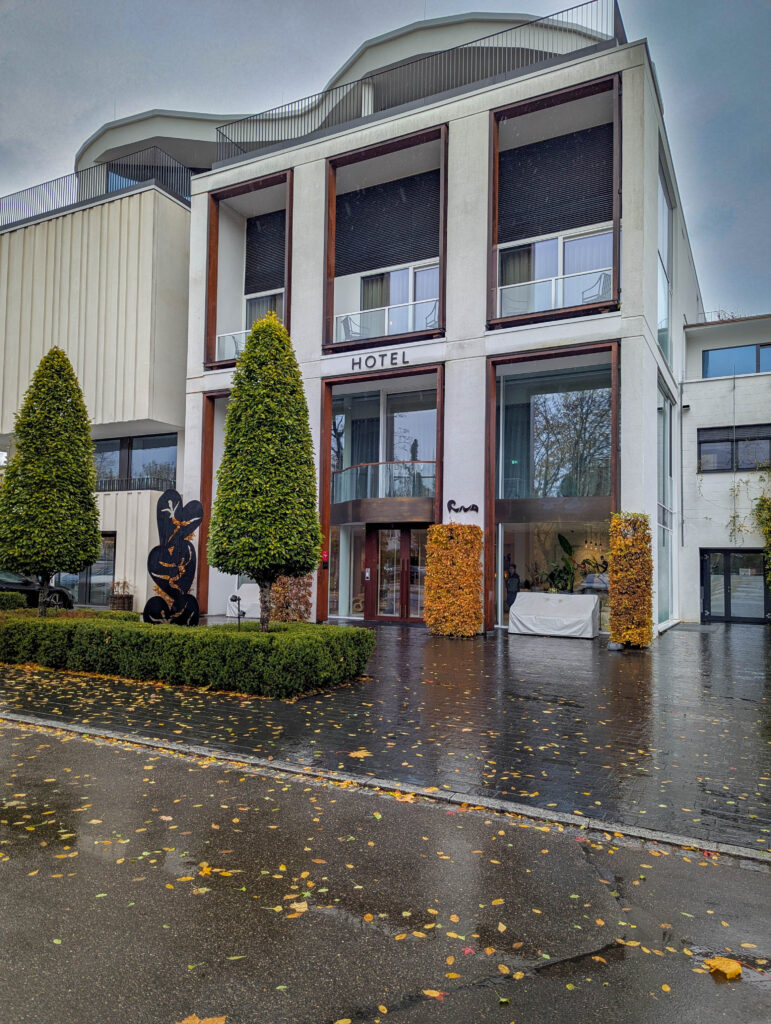
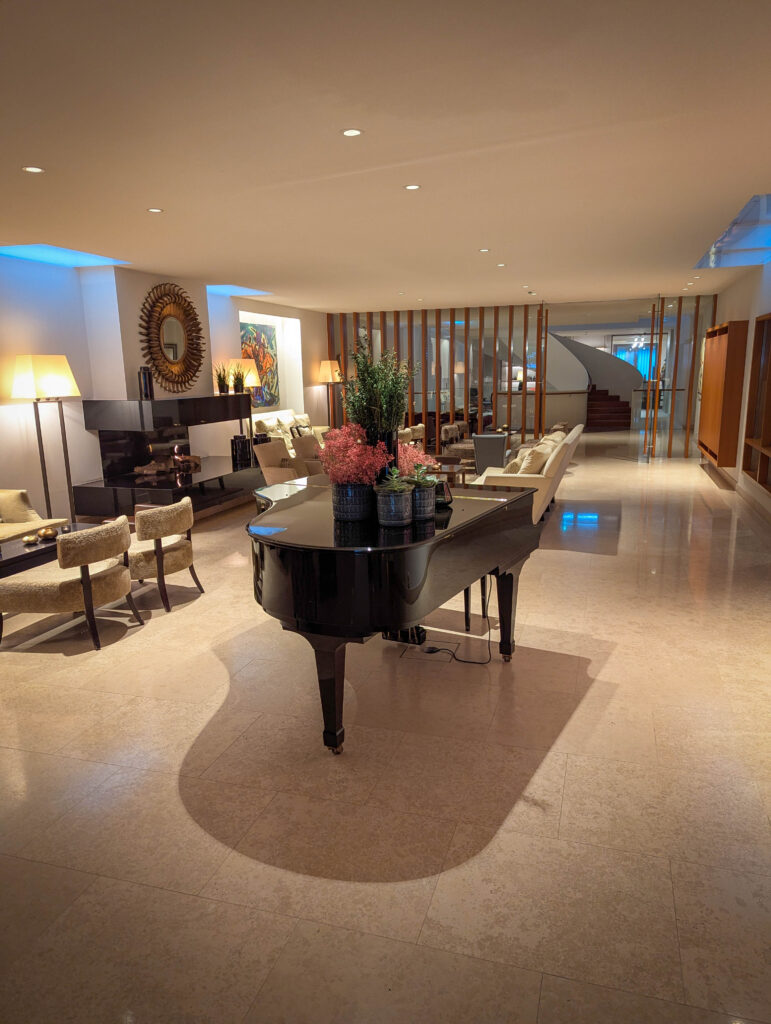
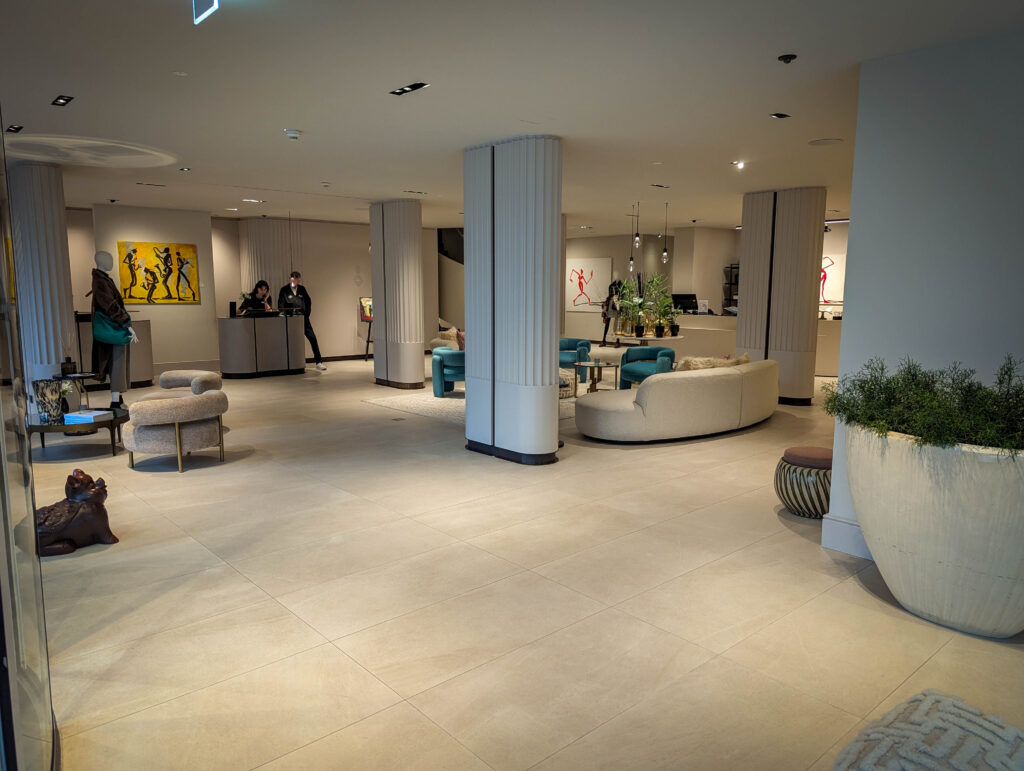
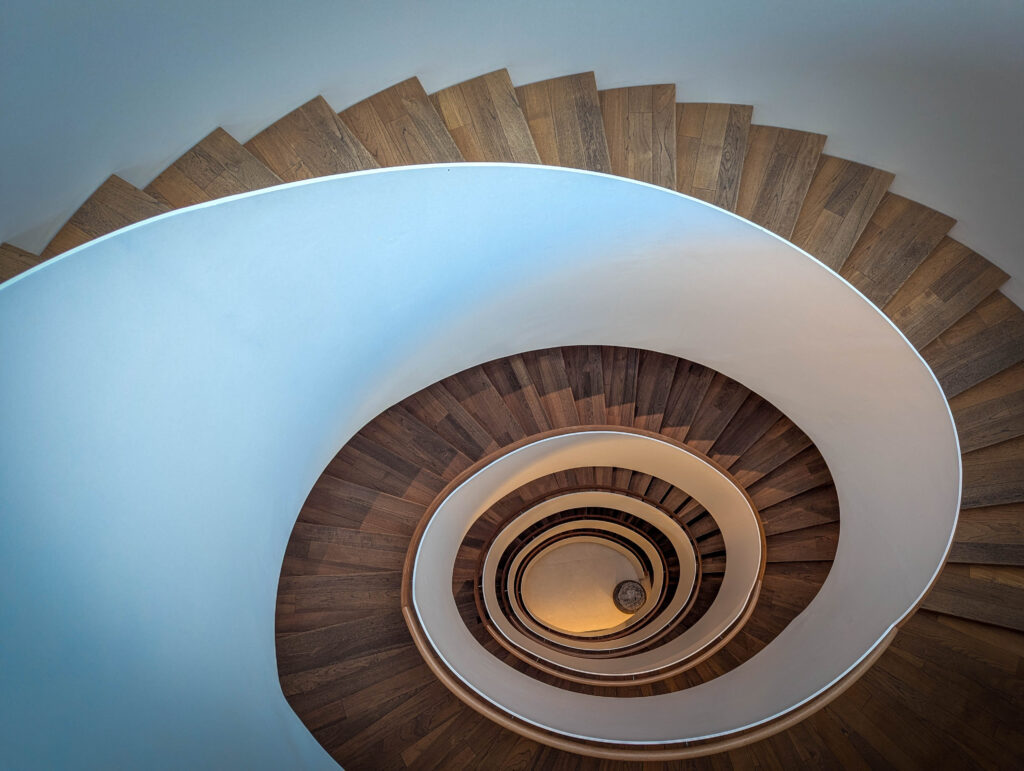
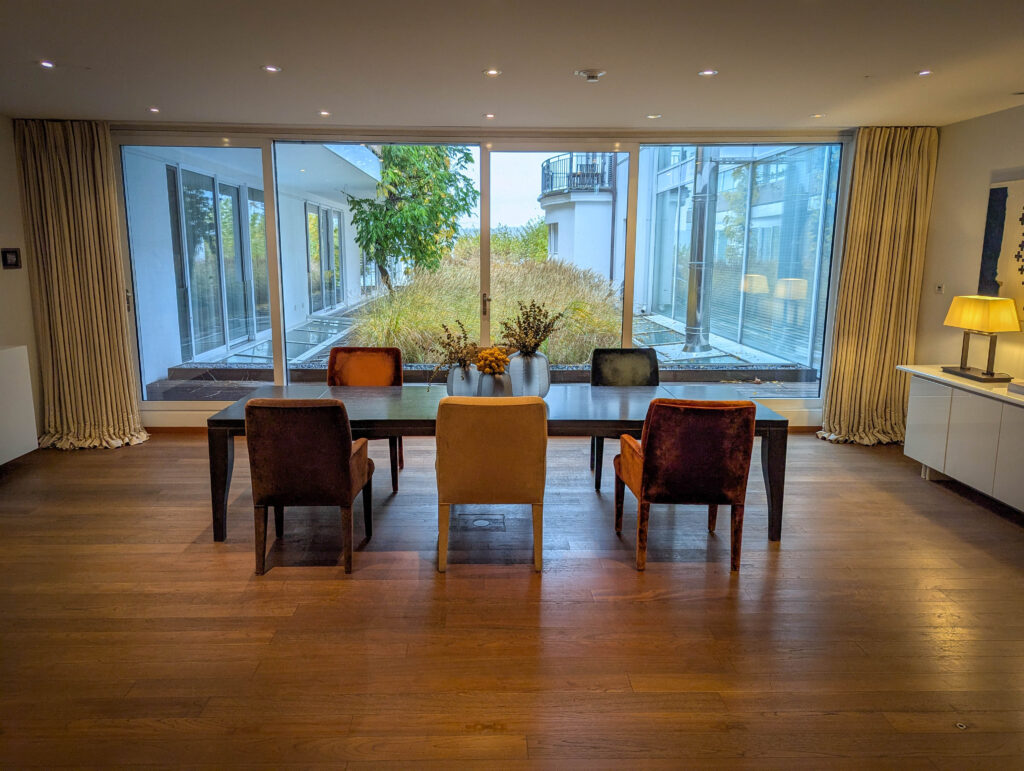
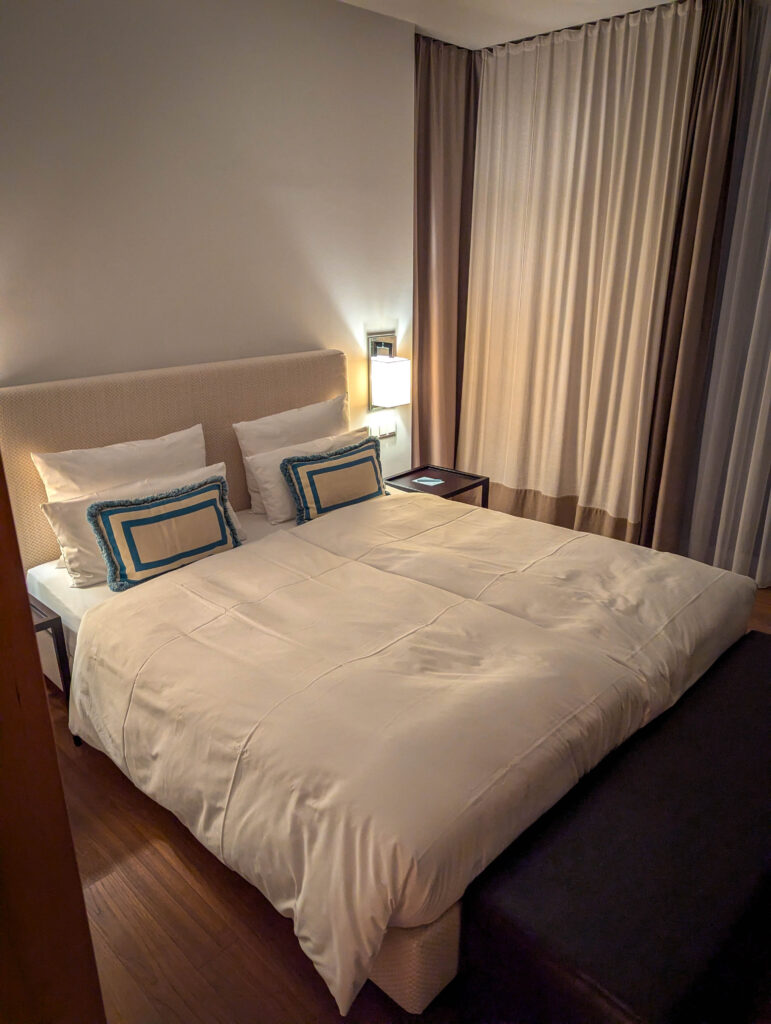
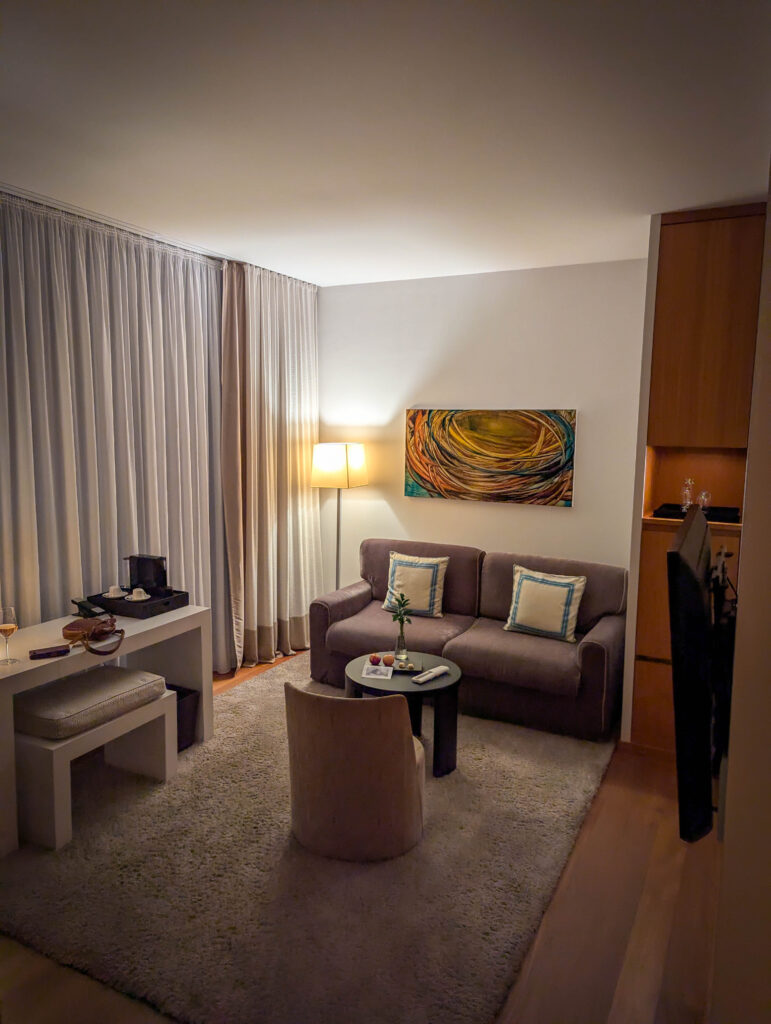
The short drive to Bruges was also extremely wet. Once we found the hotel and parked the car, we discovered it had just 5 rooms and was beautifully decorated. Everything was going well, we readied for a walk and went back downstairs and were offered a glass of something (we chose Belgian beer) and a small plate of meat and cheese as a welcome.
Then it began to go horribly wrong. First they asked what time we wanted breakfast – we’d not ordered it as we had to leave early and didn’t see the point as we’d easily pick up something en-route. That confused the lady who was looking after us. I checked my email (from when I booked 6 months ago) and found I had selected the breakfast and parking options, so I let the lady know and suggested a suitable time for breakfast. Then I got a WhatsApp from someone else related to the hotel (who wasn’t in the hotel at the time) saying we’d not ordered breakfast or parking and that our room was already discounted. It was quite rude actually, though could have just been a language barrier. He then barraged me with messages (whilst I was sat in the hotel!) saying I’d not paid for the room either. I definitely had. I then spent 10 minutes trying to get the credit card statement from April to prove to this absolute buffoon that I’d paid for the room. Eventually I found it and messaged him a screenshot. He then took 30 minutes to check his own records, found we’d paid and apologised. Too bloody late, mate. He offered a bottle of prosecco as an apology, but frankly their customer service was woeful and just plain rude. He should have recorded our payment when received. Fail.
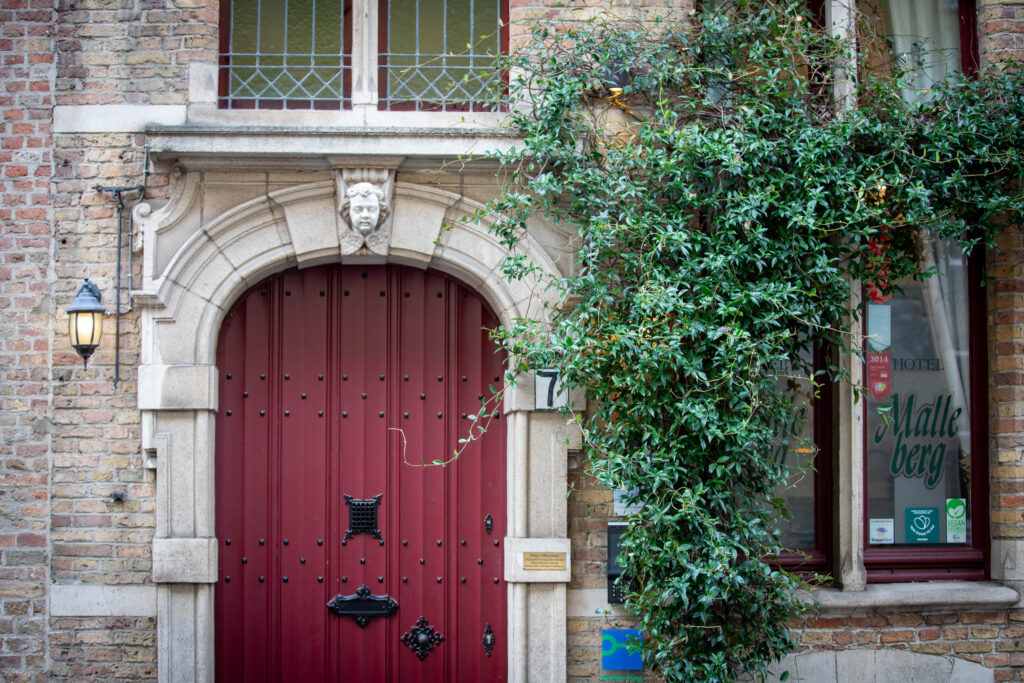
Castelsuites Bruges – never stay there. We won’t be again, which is a shame because if you remove the apes from the equation it’s a lovely place to stay.
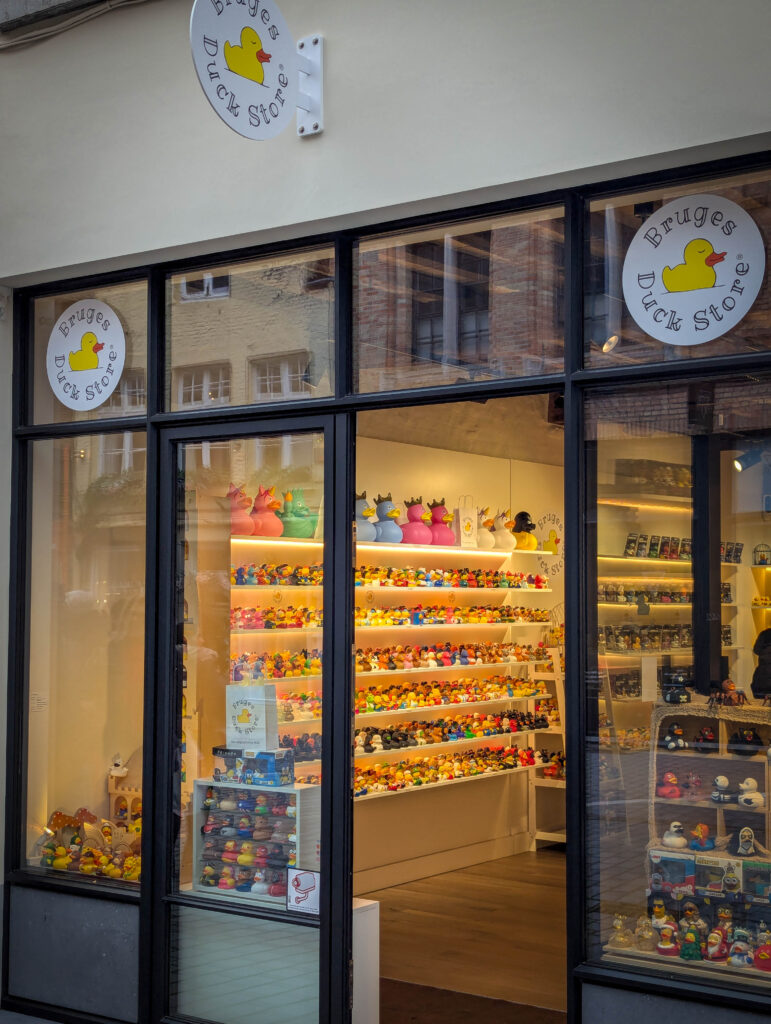
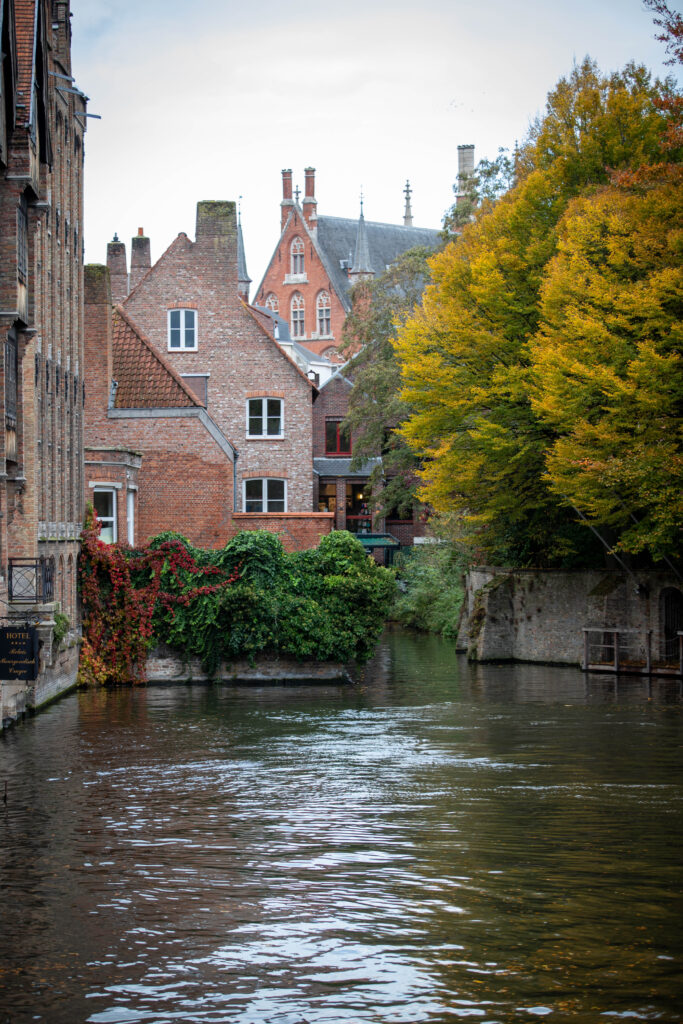
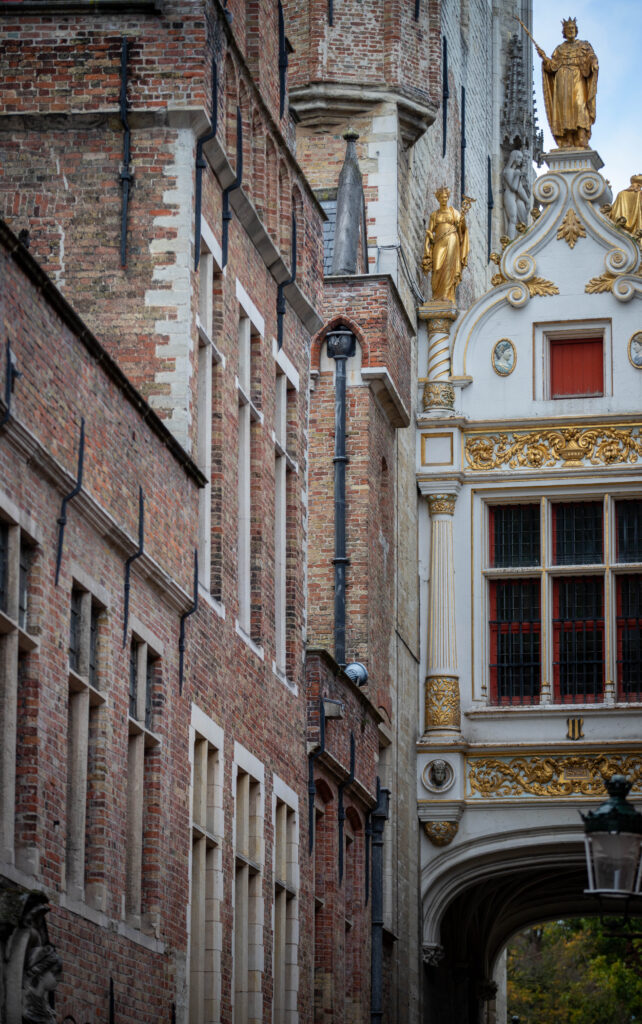
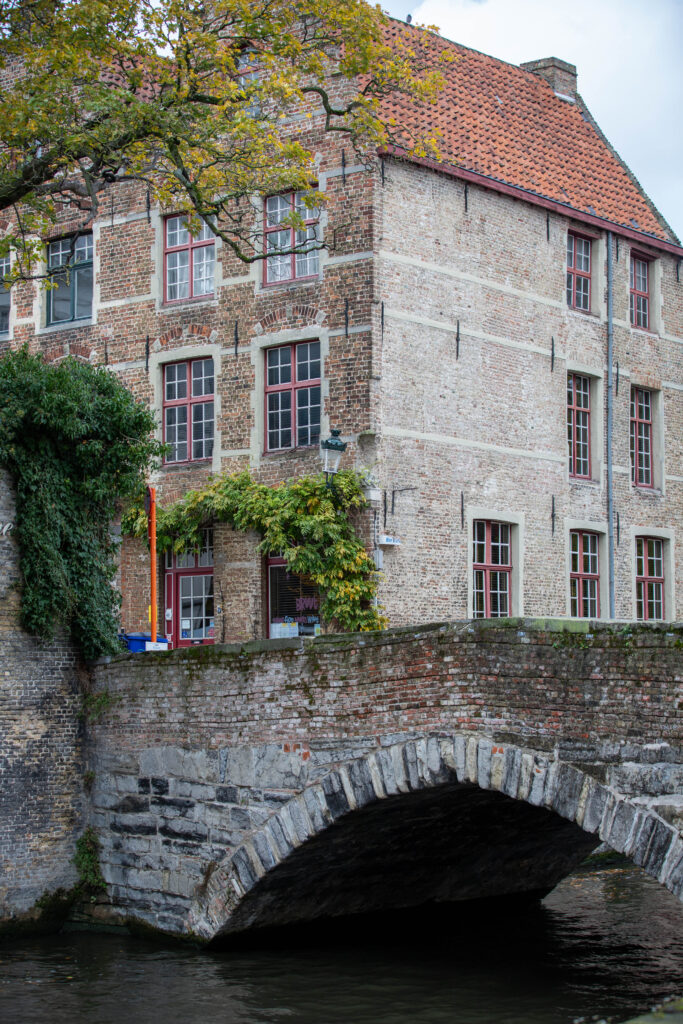
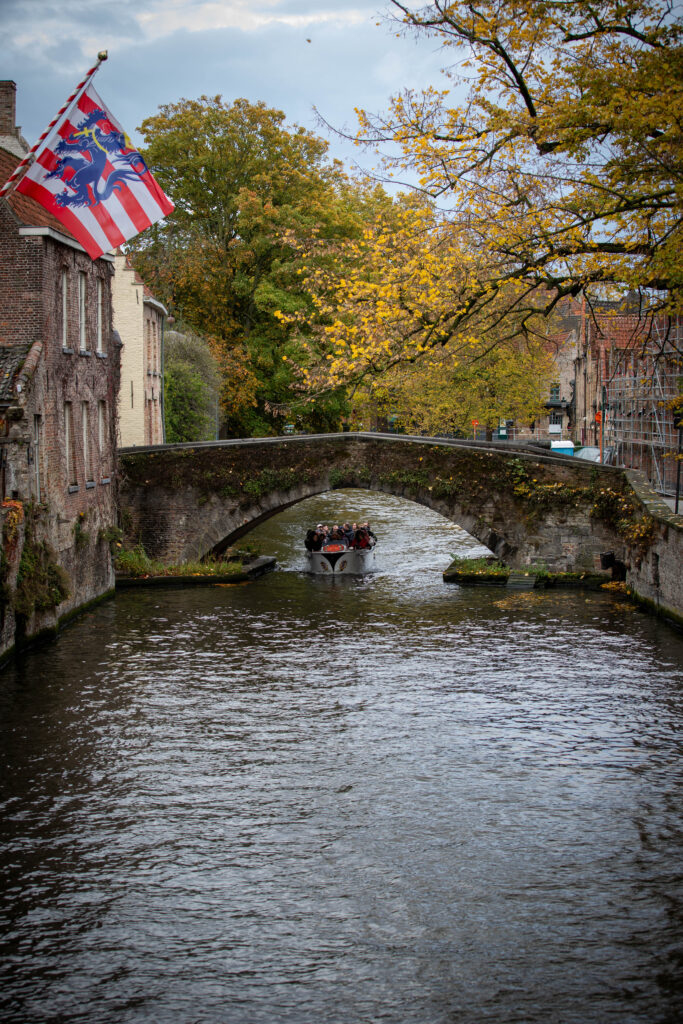
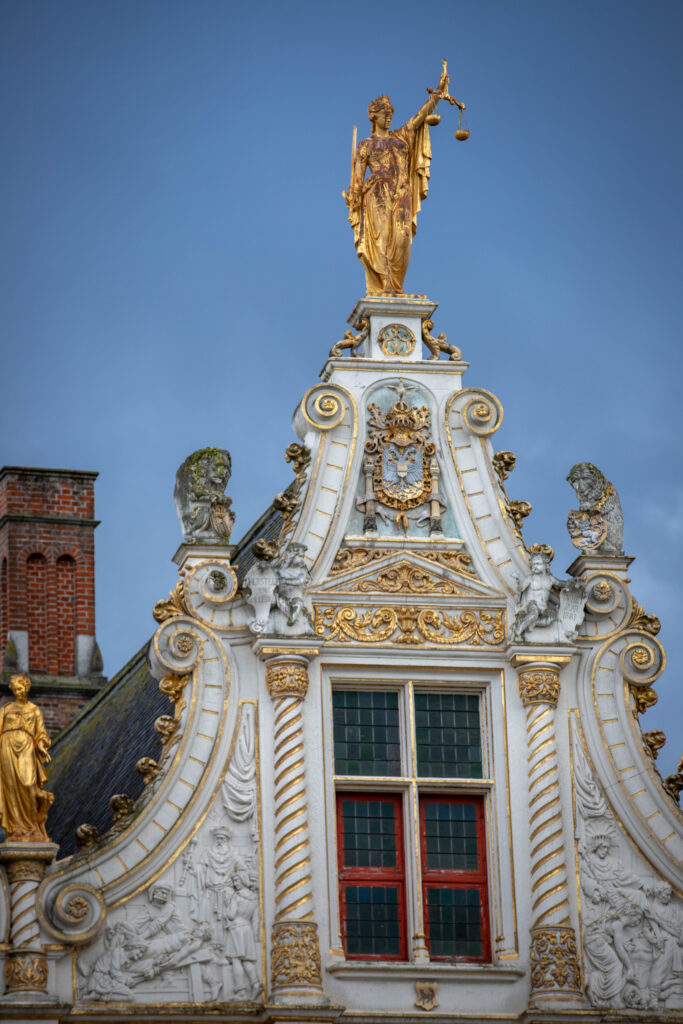
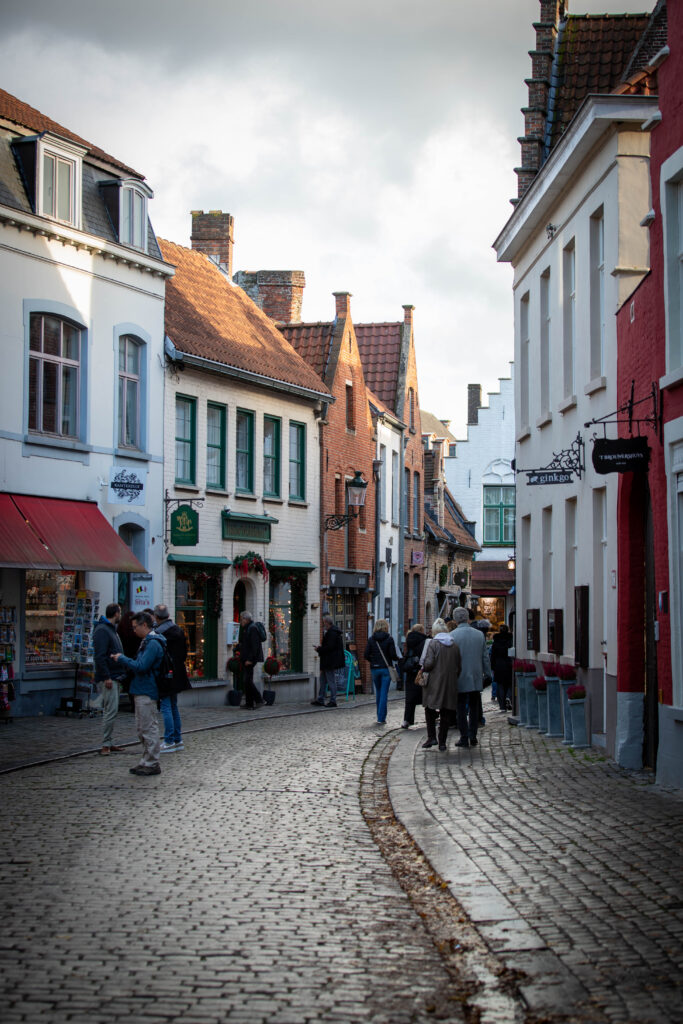
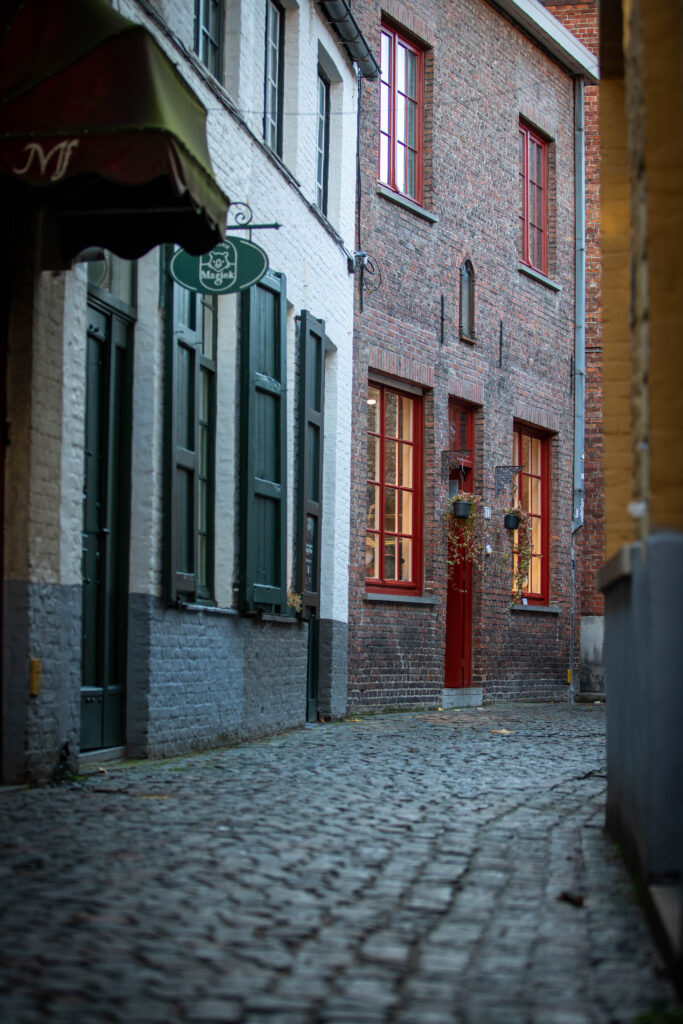
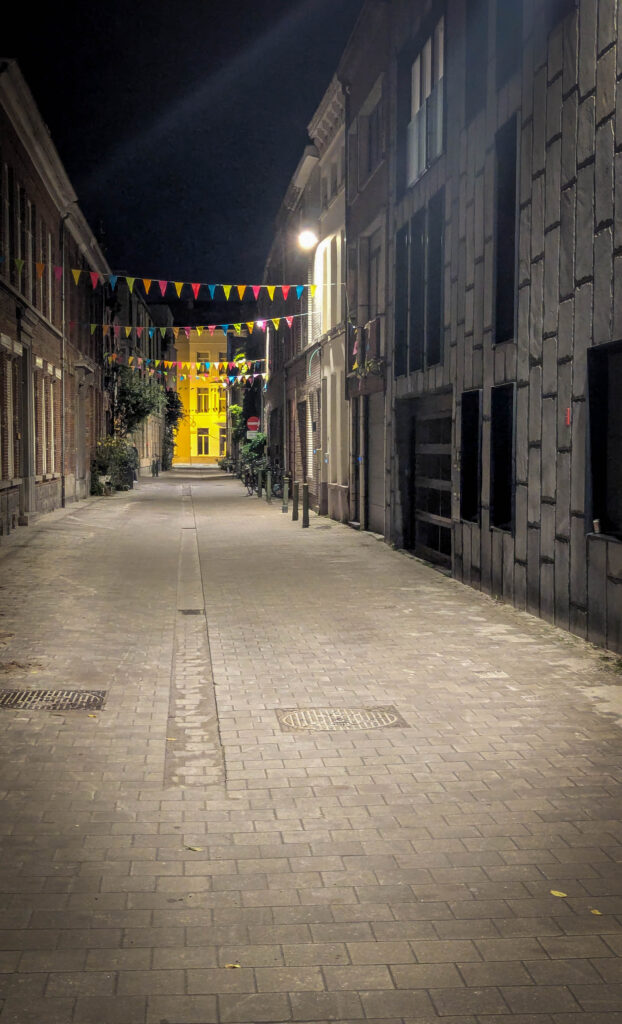
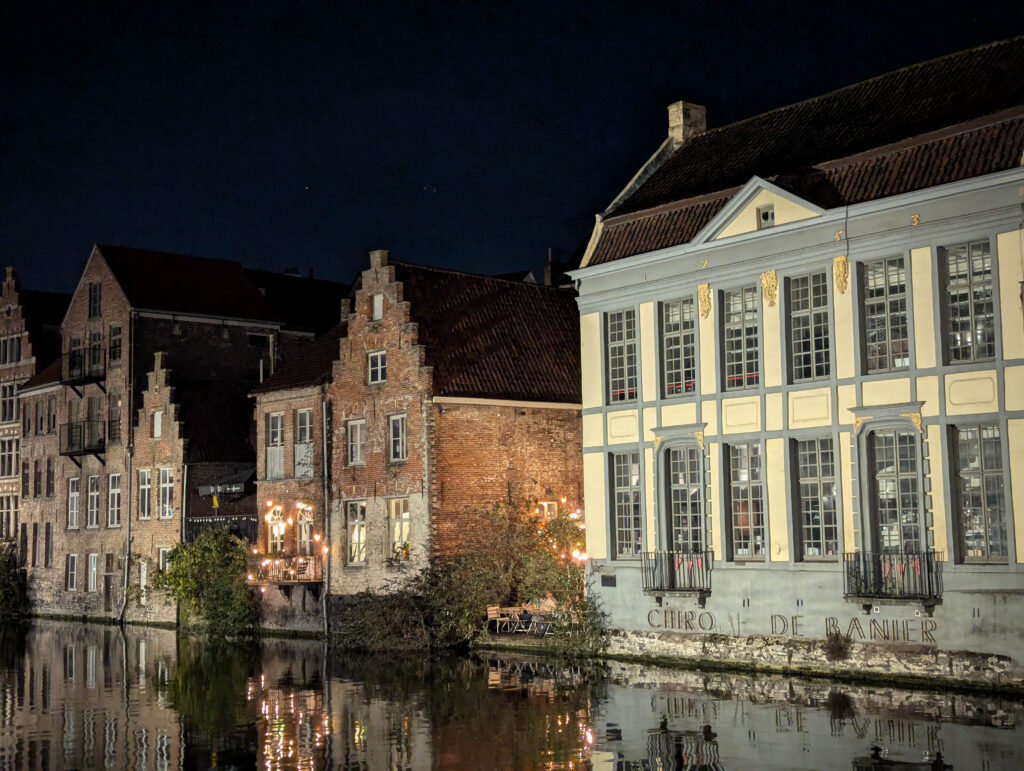
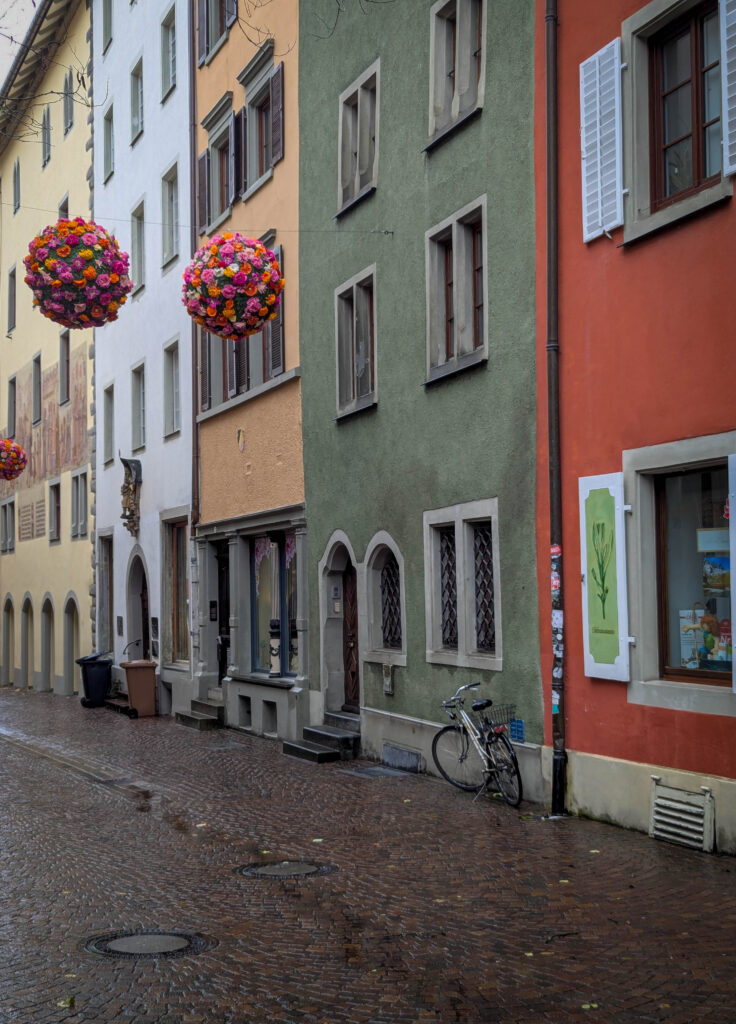
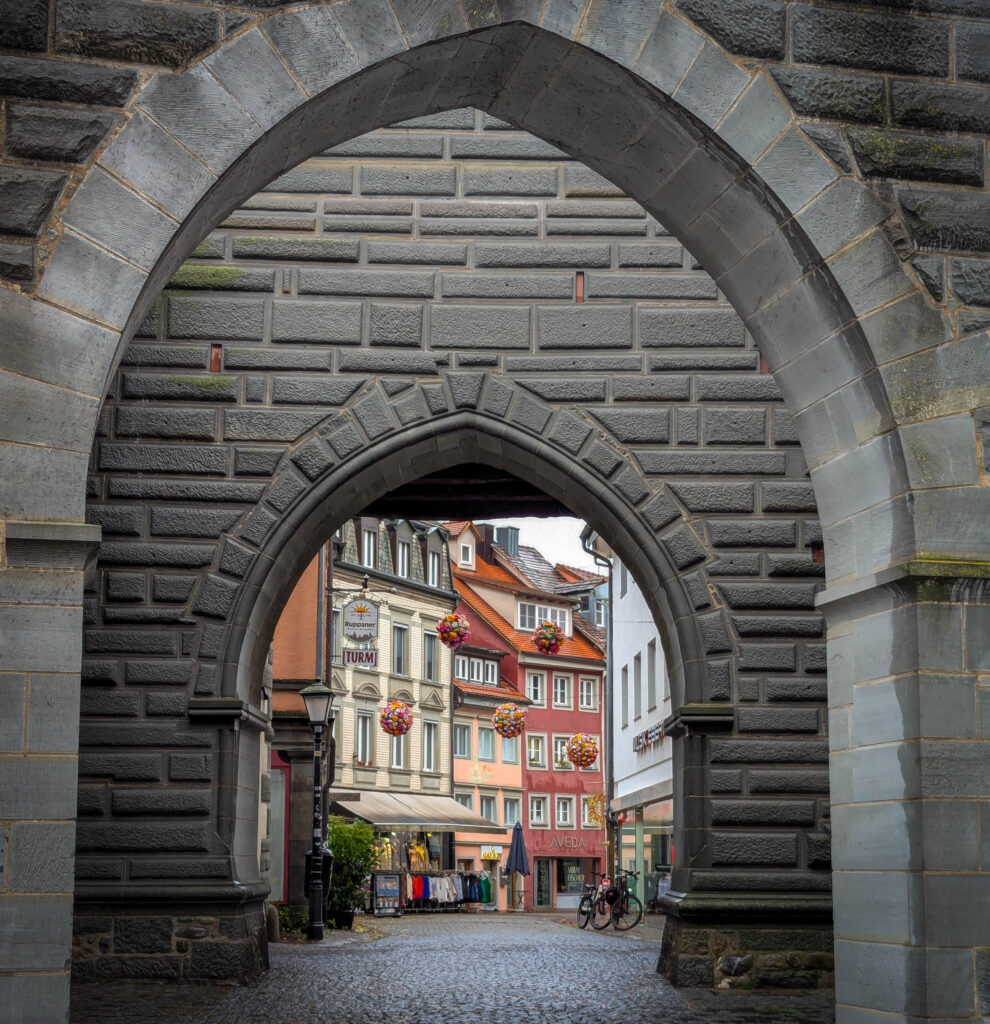
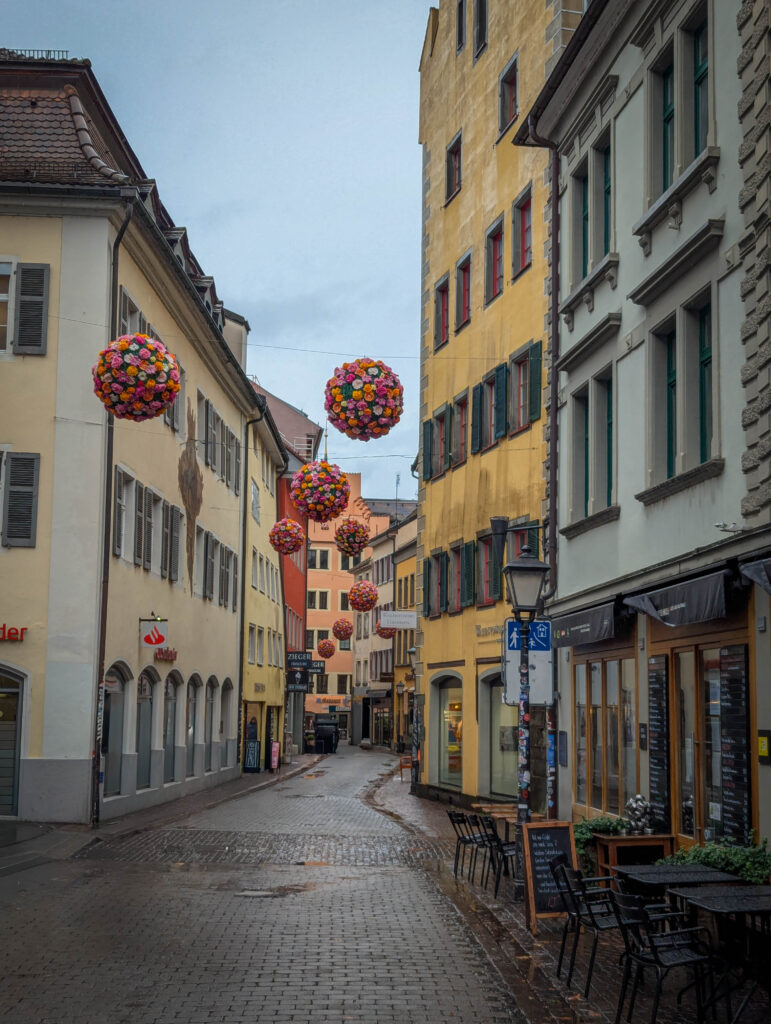
So, a wander around Bruges. We followed another guided tour itinerary, this one took us in duplicated loops – perhaps to make those who did pay think that Bruges is a lot bigger than it is, and have a lot more bridges than it does (and it has a lot!) Our summary was simple – Ghent is a LOT nicer (though we didn’t find a duck shop in Ghent).
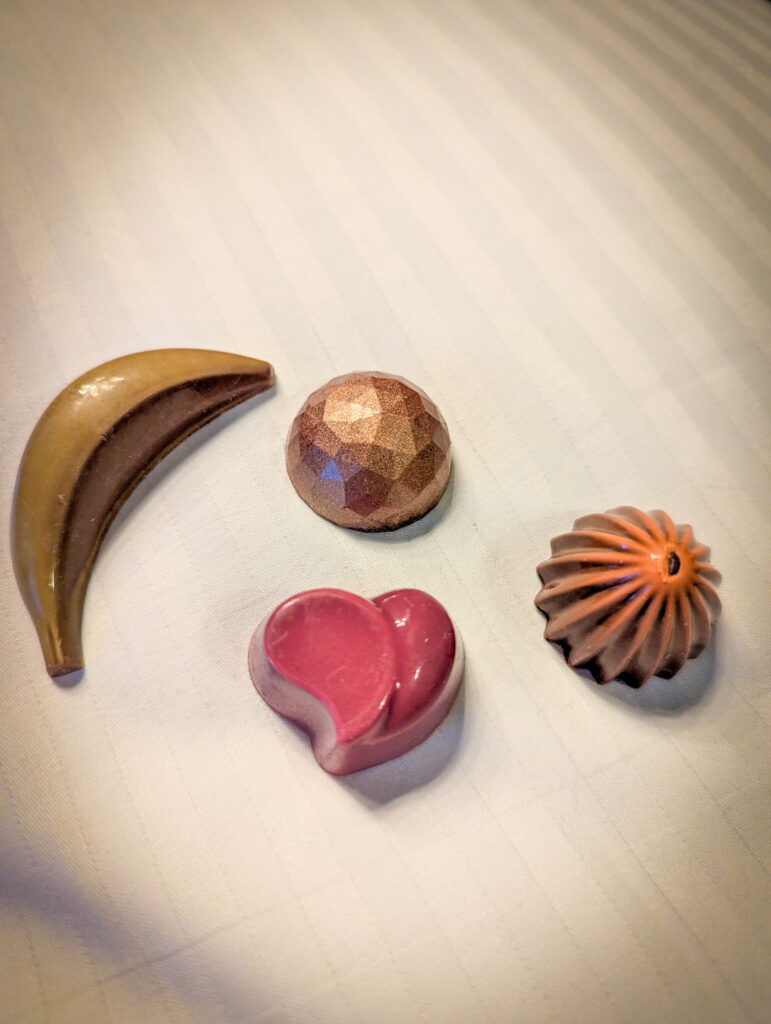
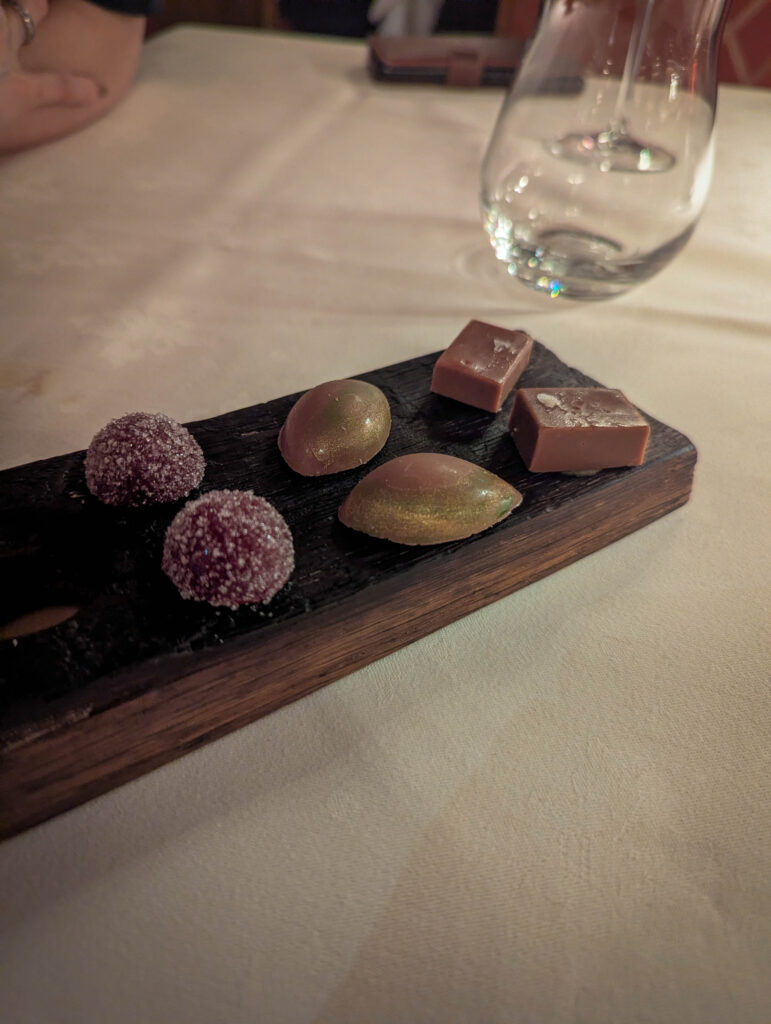
Whilst wandering we had a waffle with chocolate and strawberries, and bought some chocolates to try back at the hotel.
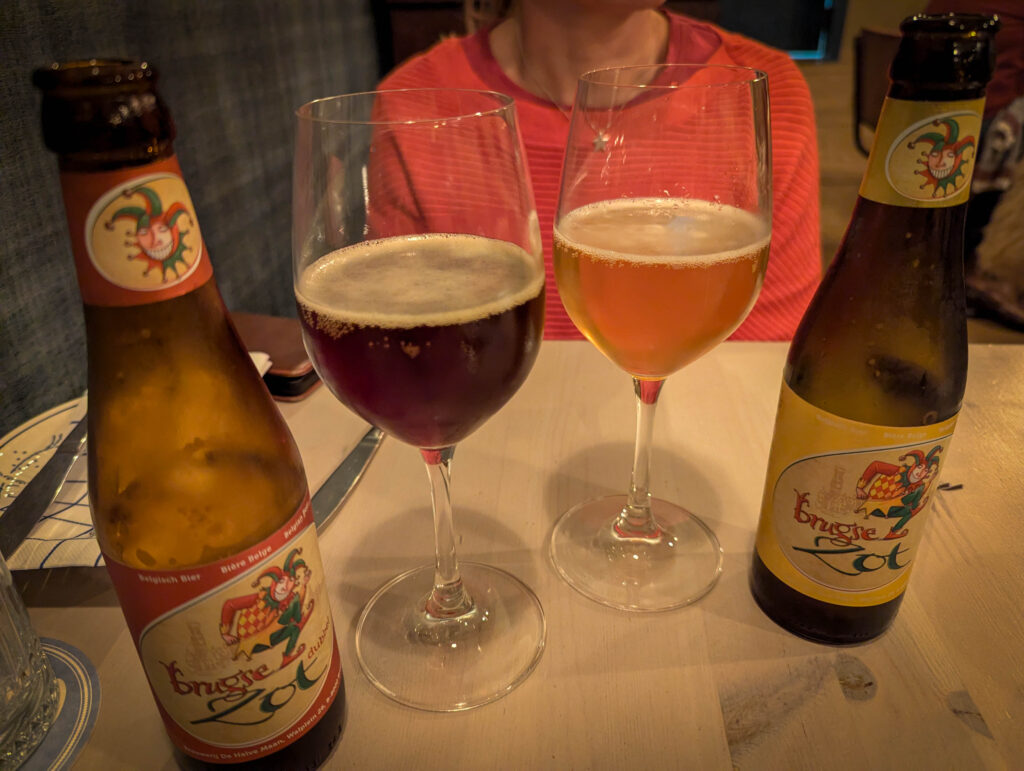
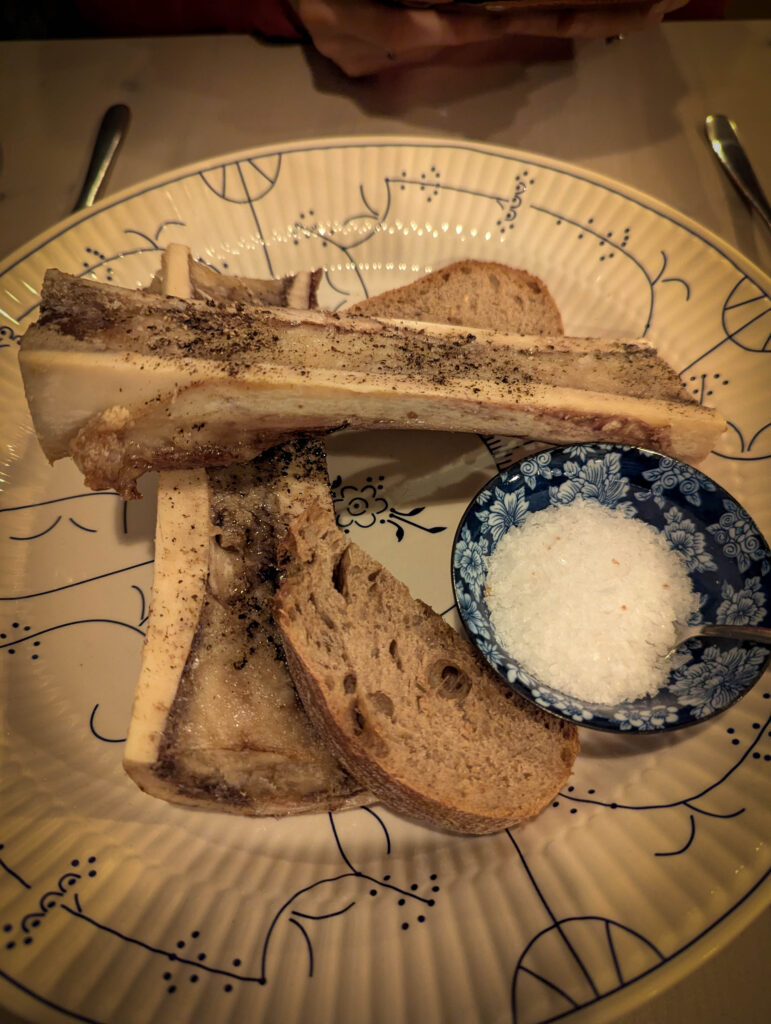
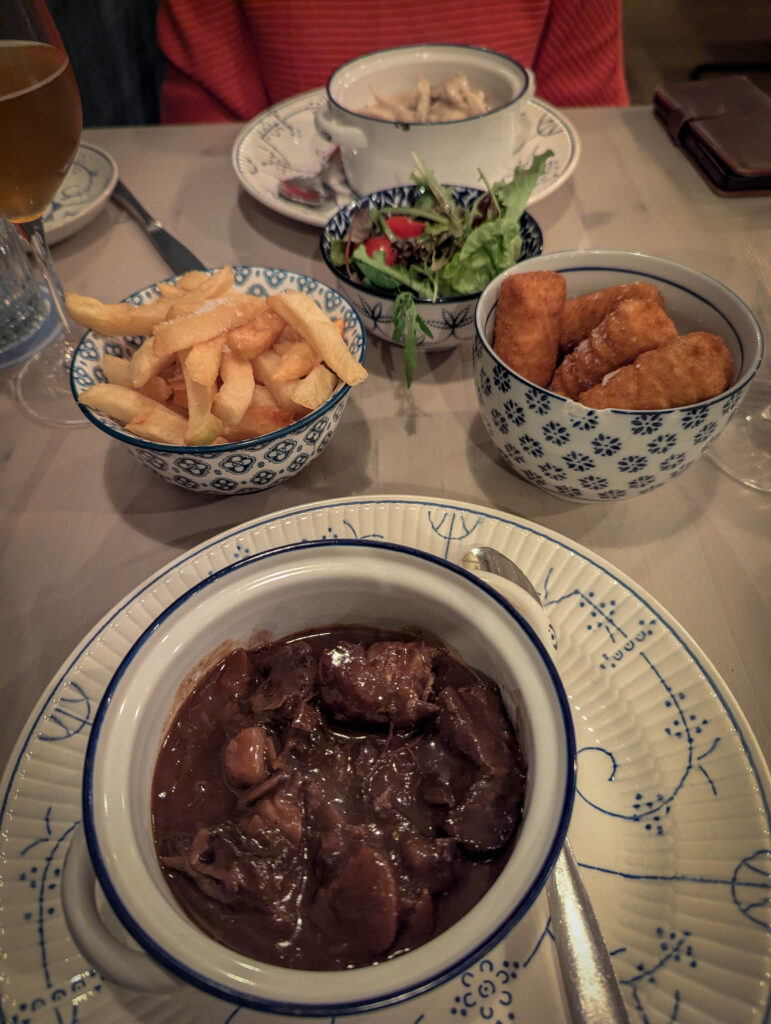
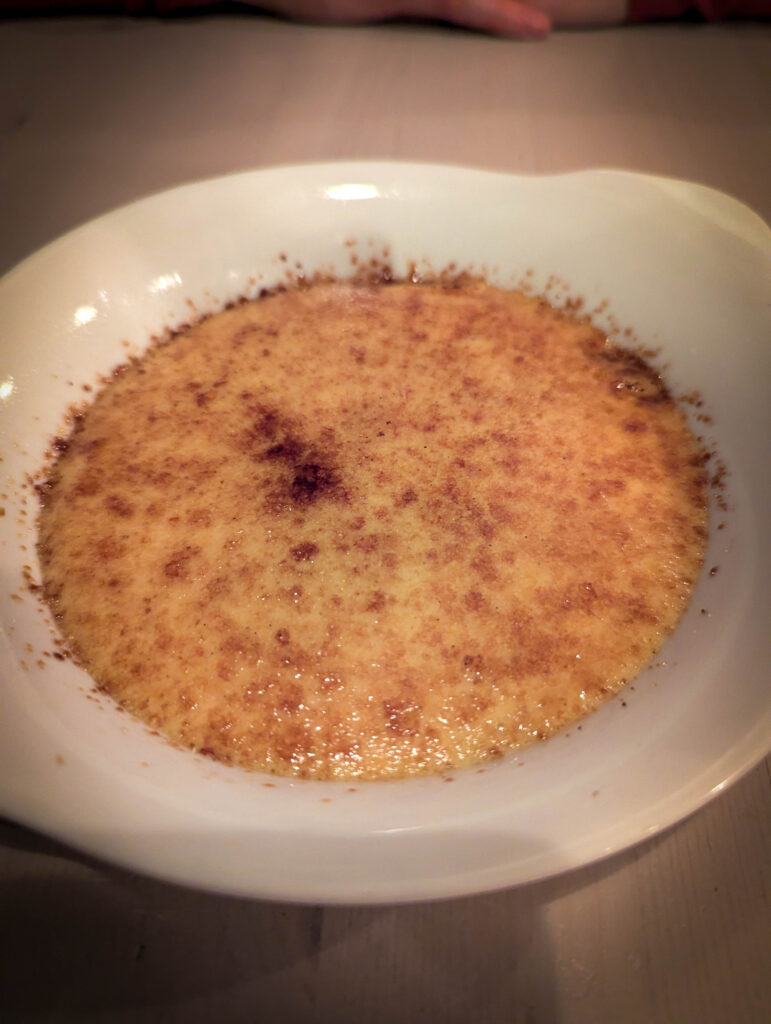
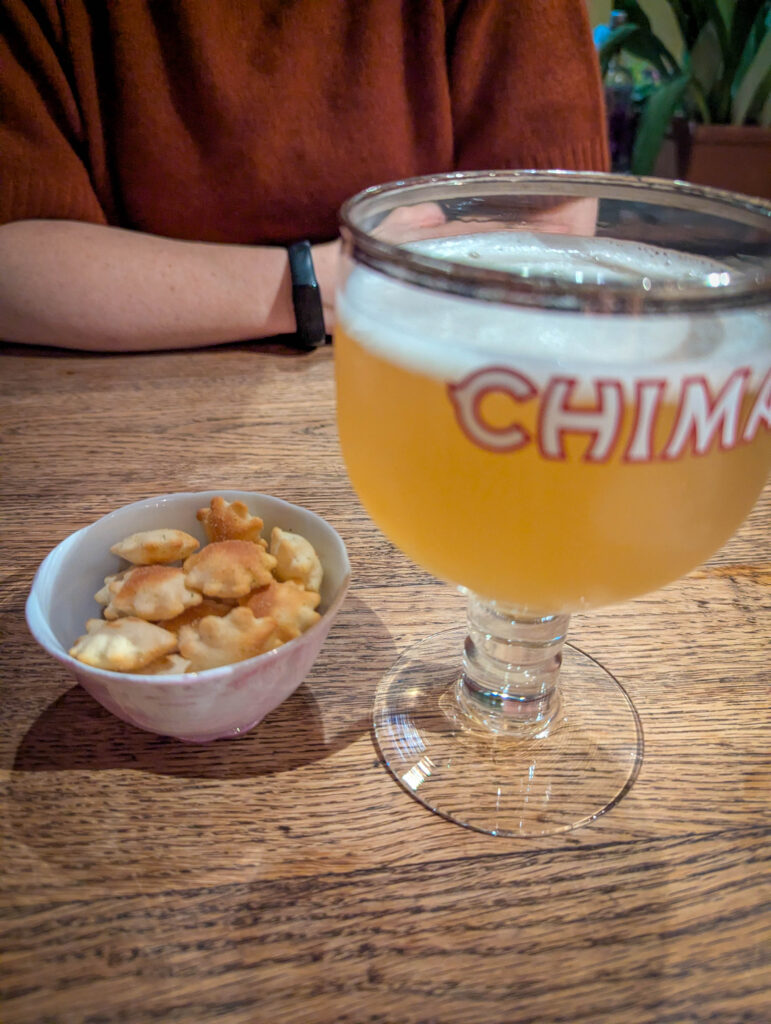
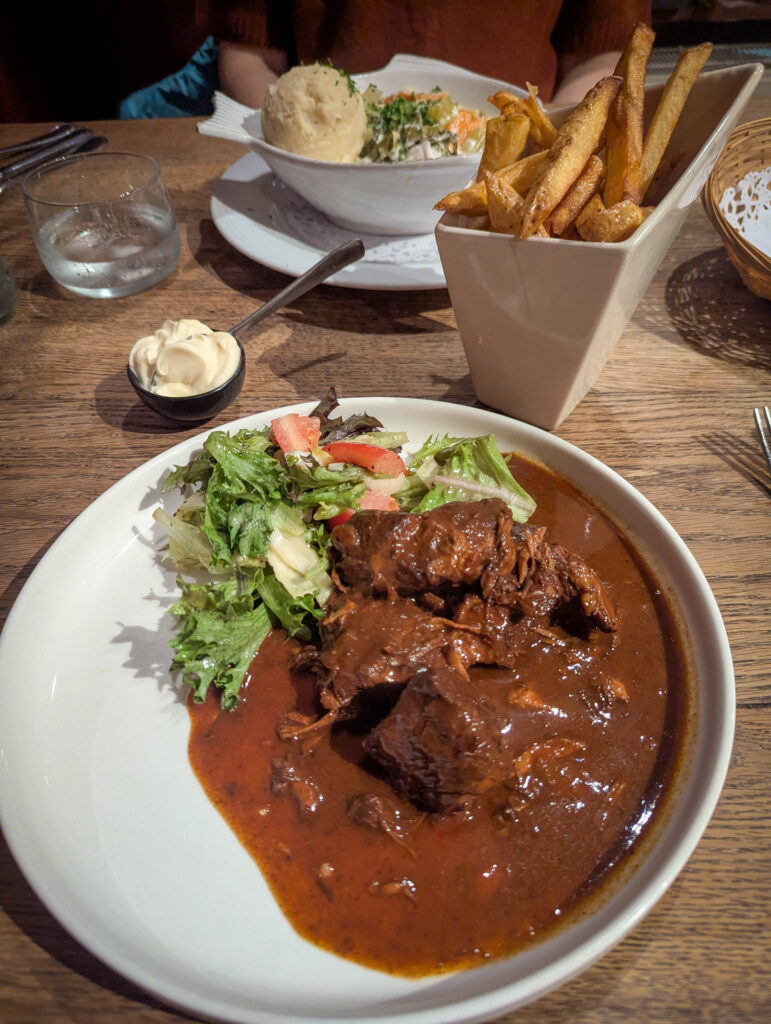
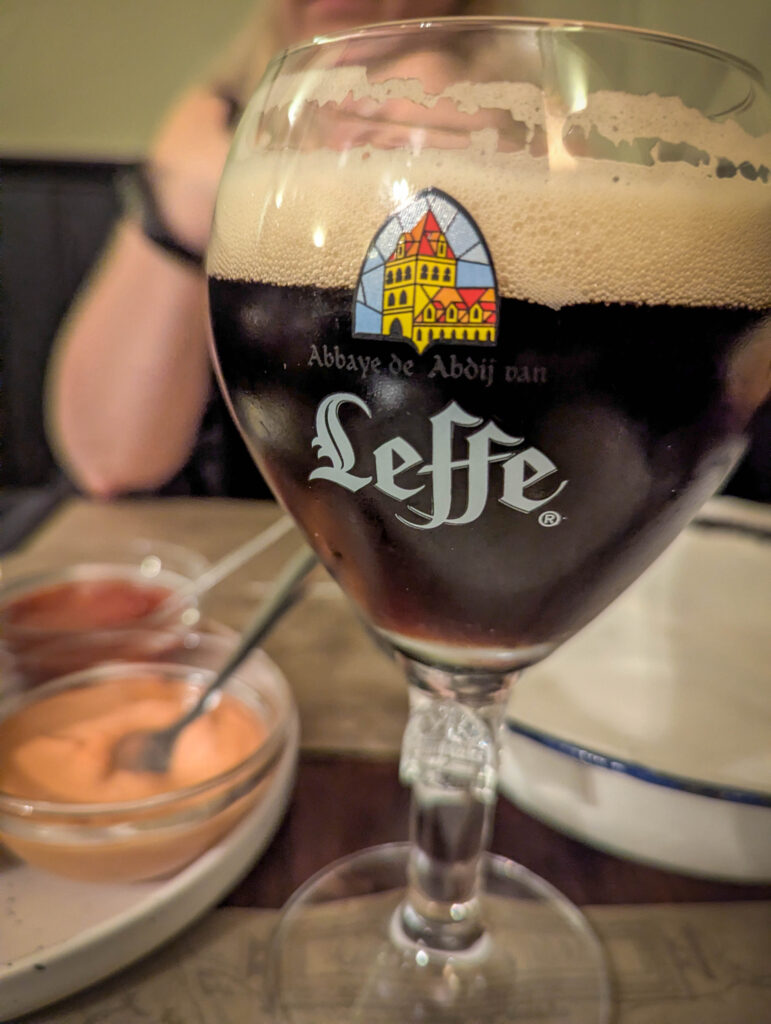
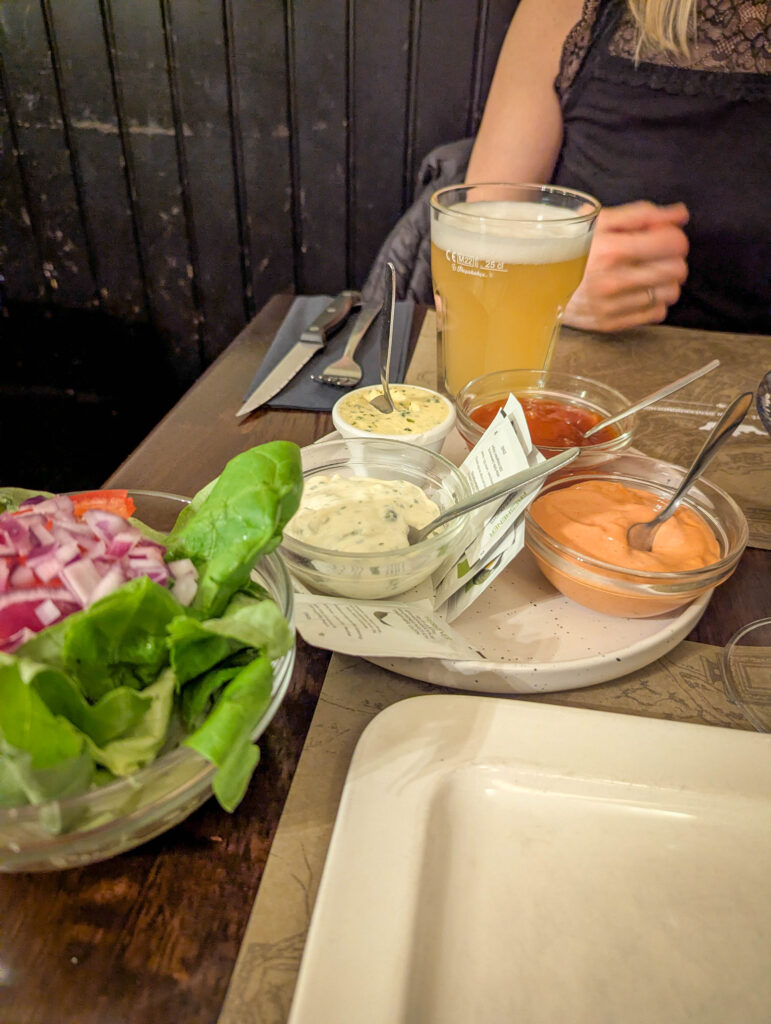
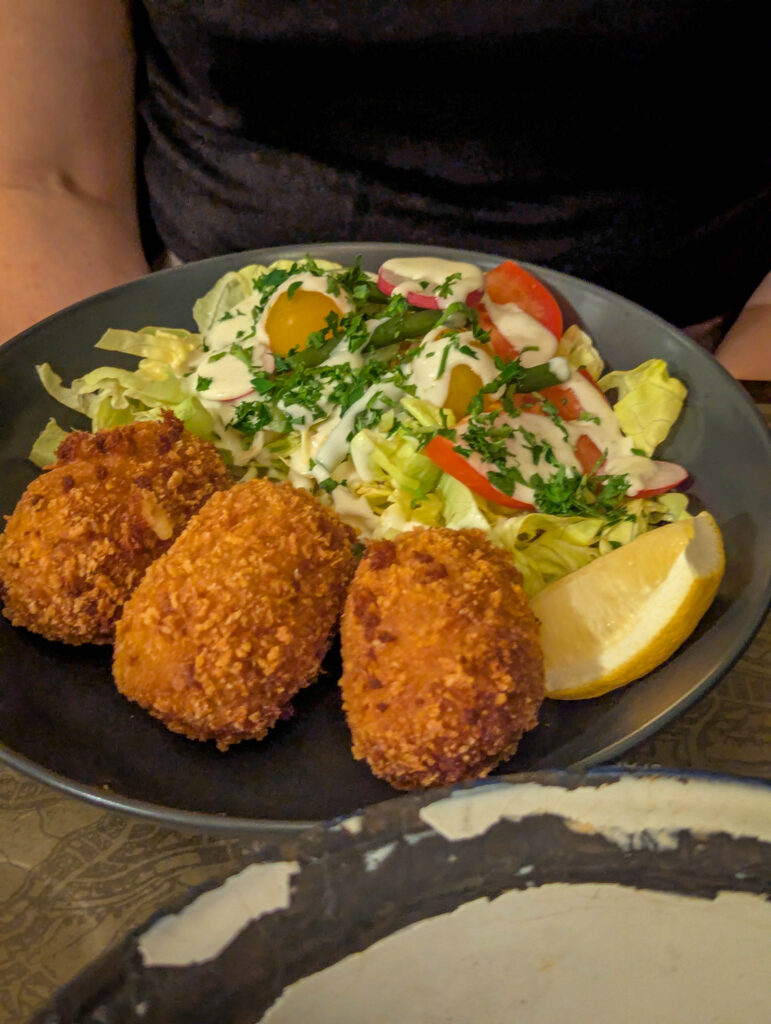
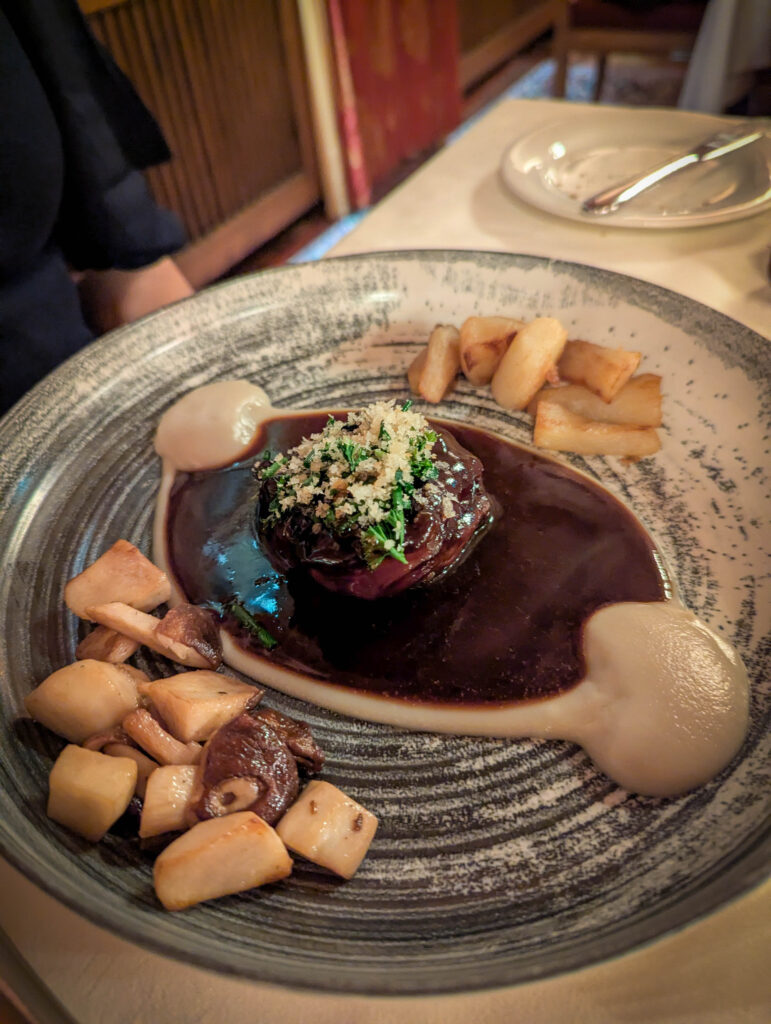
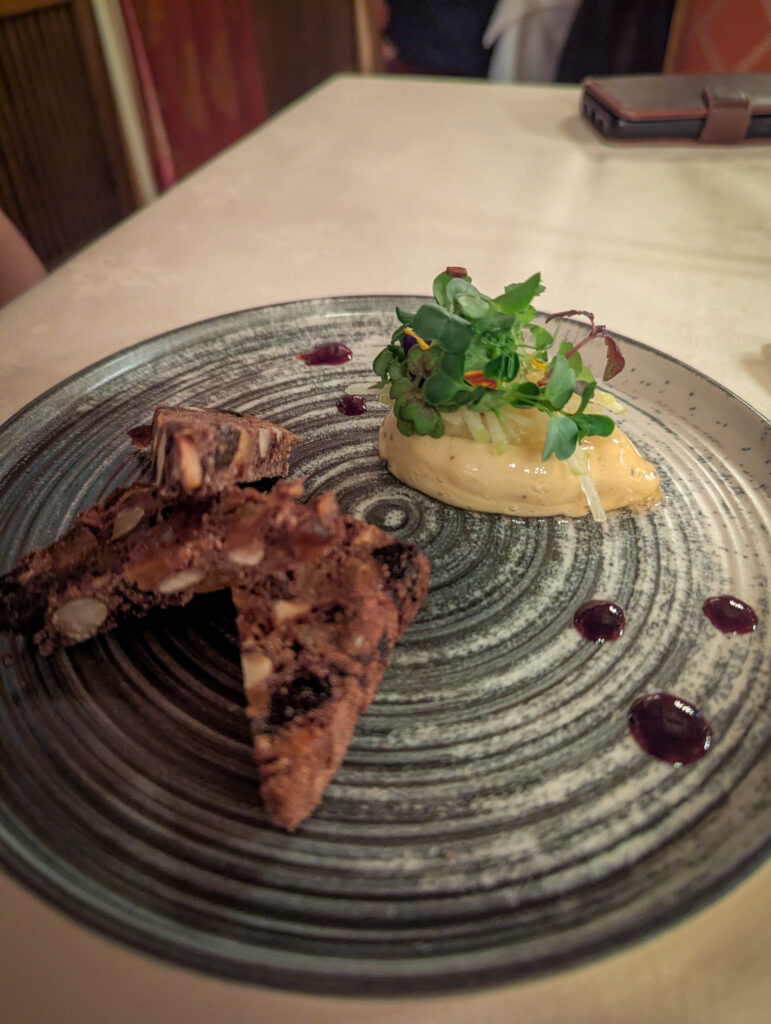
Then it was time for dinner. We’d pre-booked a restaurant the other side of the city which got great reviews, but decided to Uber there and back as we were tired after our run and extended and duplicated walk around Brugge (I was on 20,000 steps, Jo 22,000 by this point). Dinner at Cezar (rated second in Brugge) was fantastic – marrow bone to start, followed by venison stew and vol-au-vent with frites and croquettes, then crème brulée to finish, with Belgian beer of course!
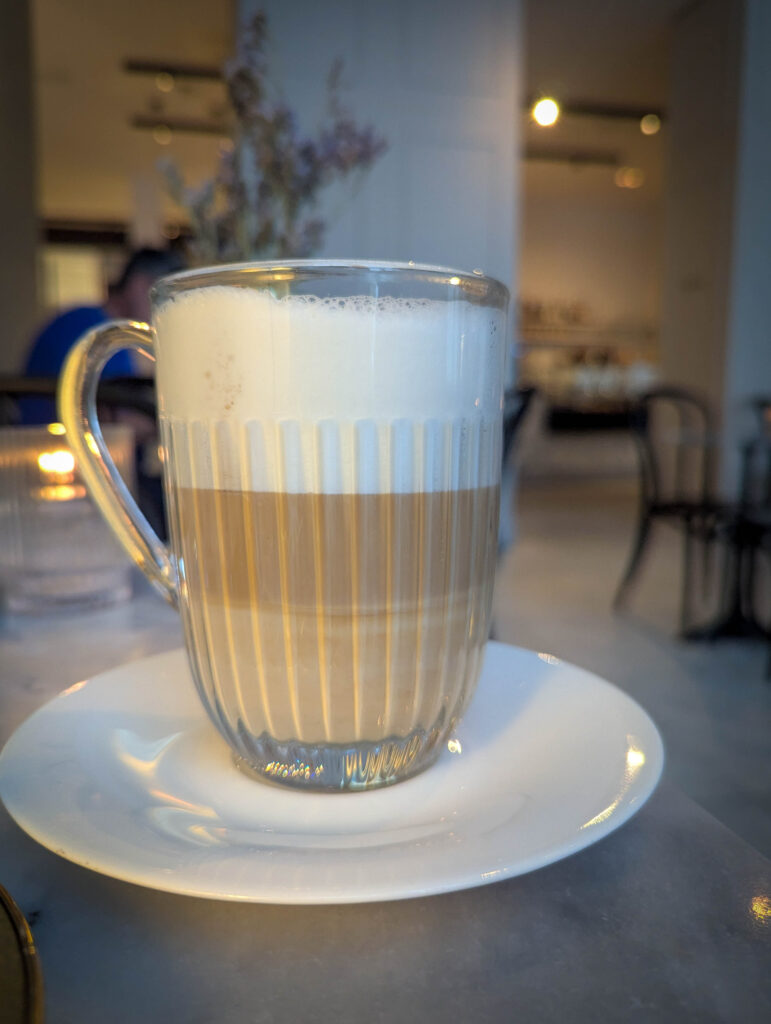
Our second rest day, so no driving – the car remained in the underground car park all day. We weren’t eating in this hotel for breakfast as the choice in Ghent was likely to be extensive, so we wandered into town looking for something suitable on the way to a day of sightseeing. We’ve learned that decaf coffee anywhere outside the UK is just trash, but the hot chocolates we found for breakfast were exceptional.
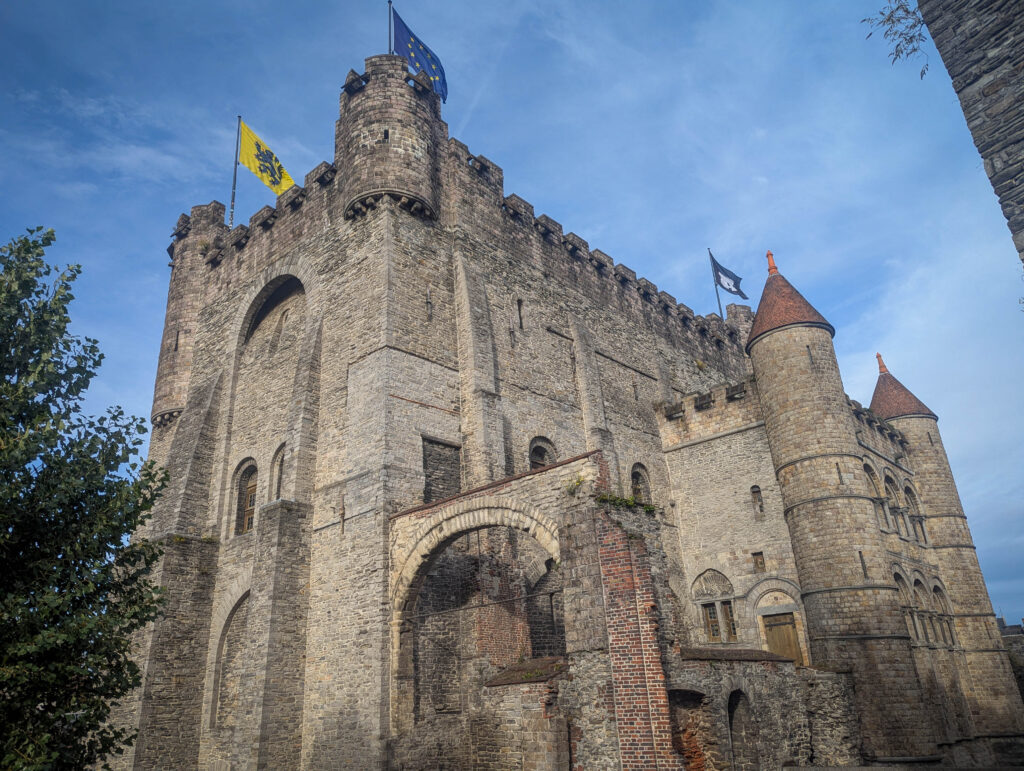
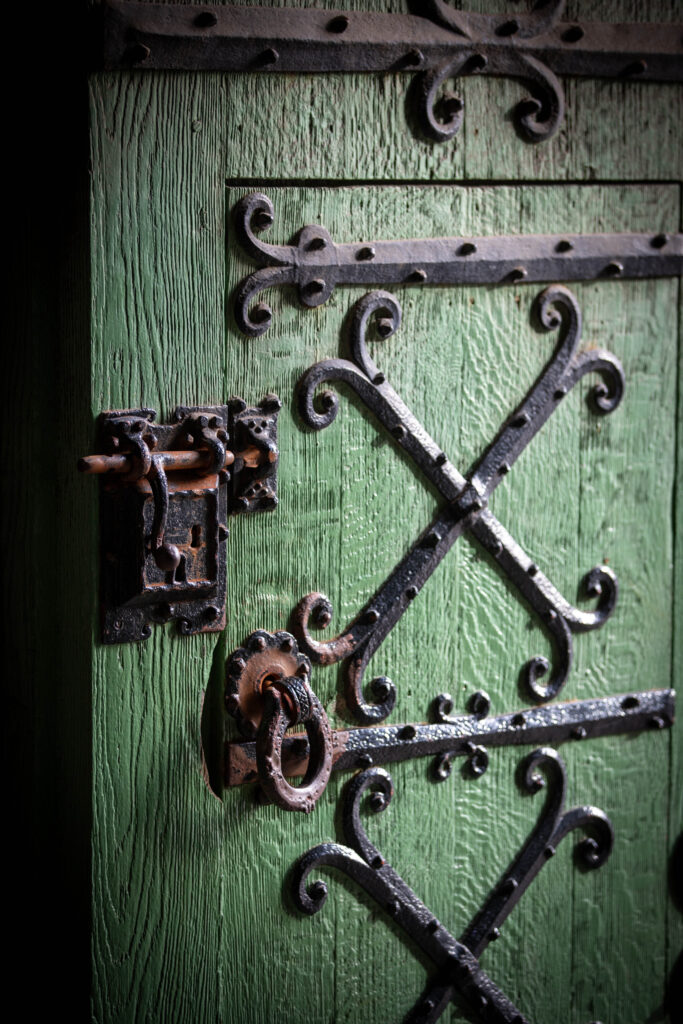
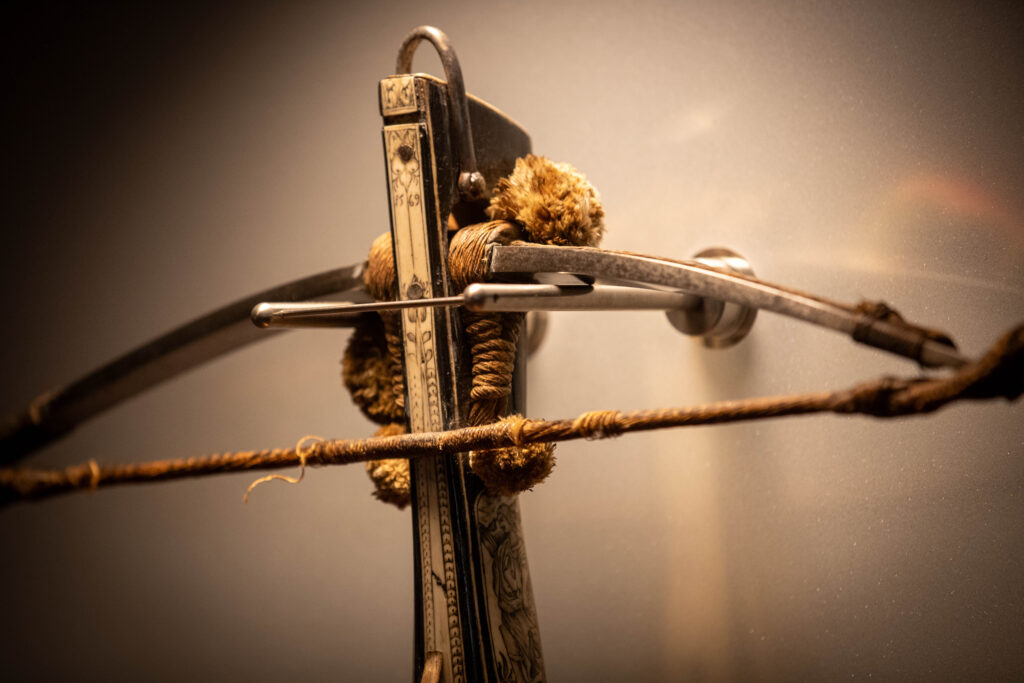
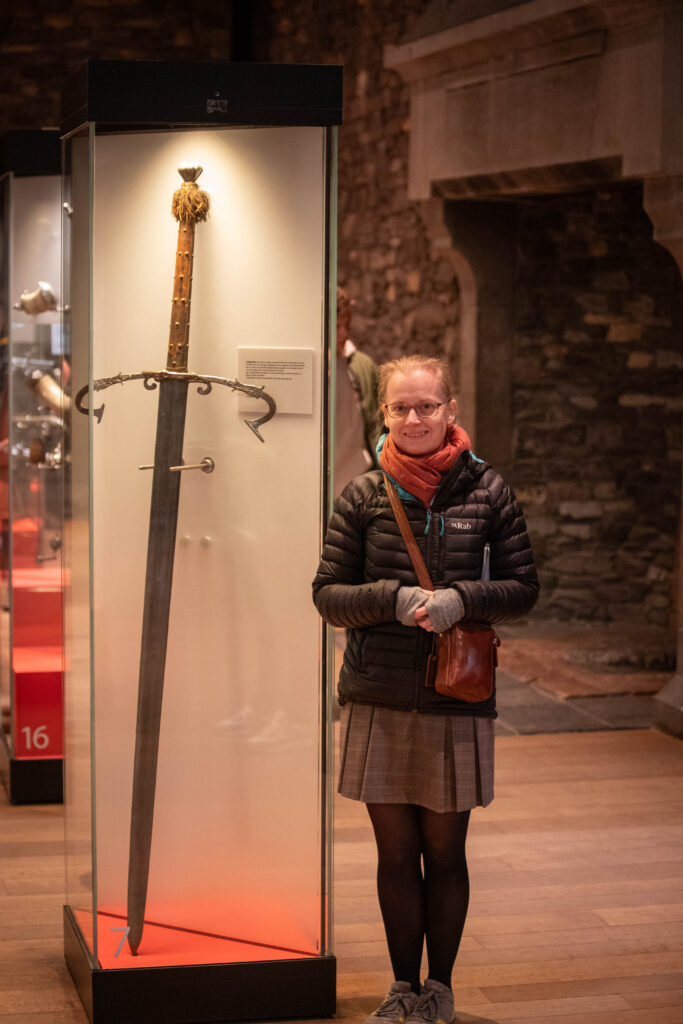
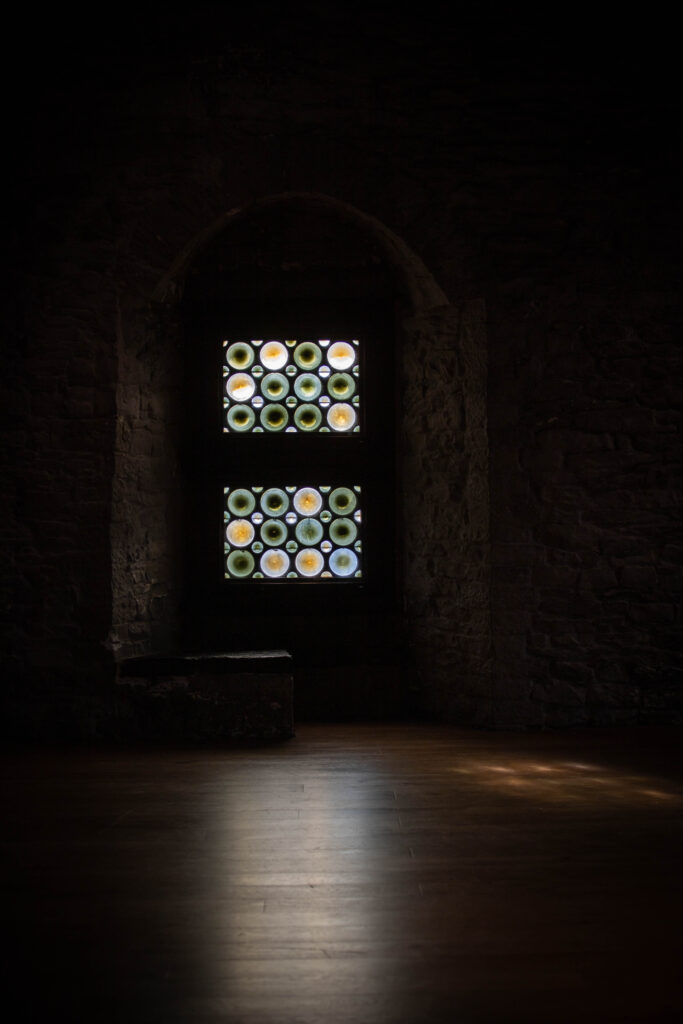
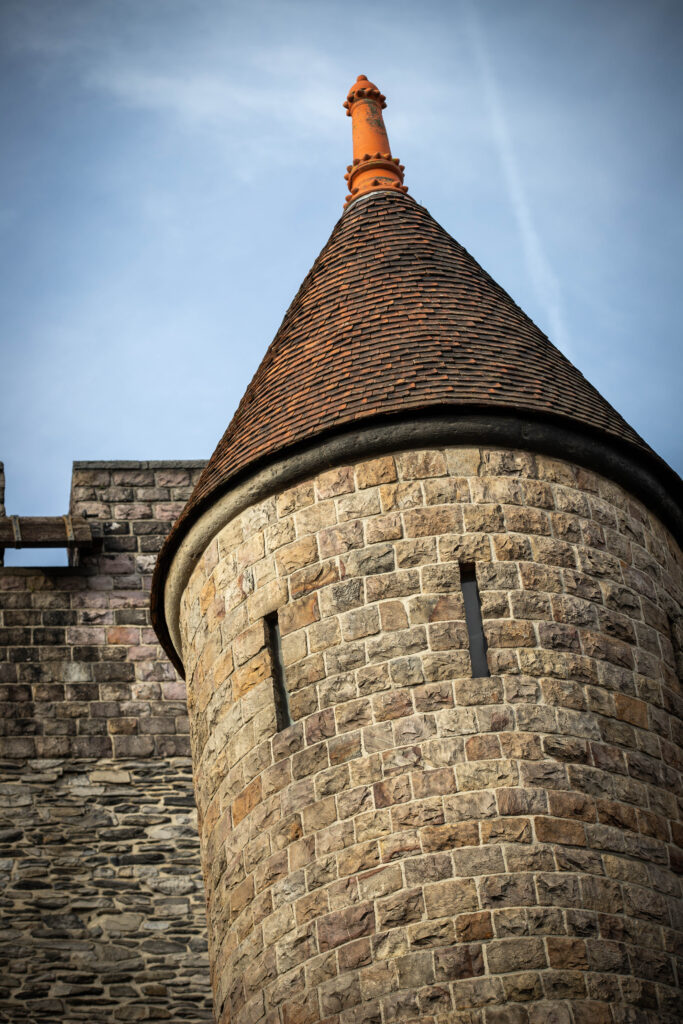
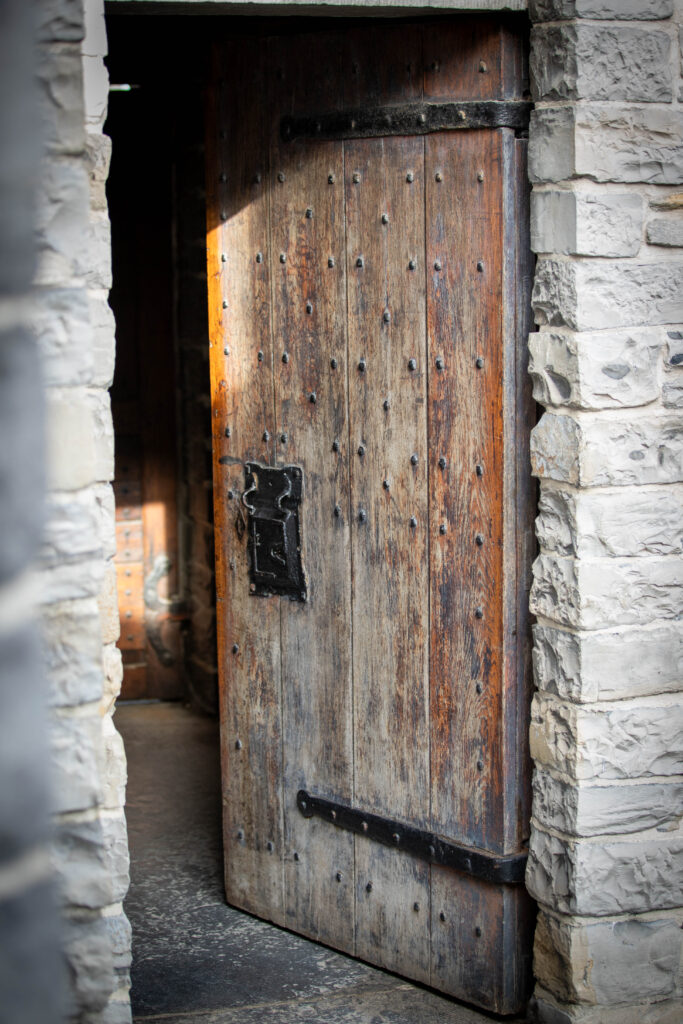
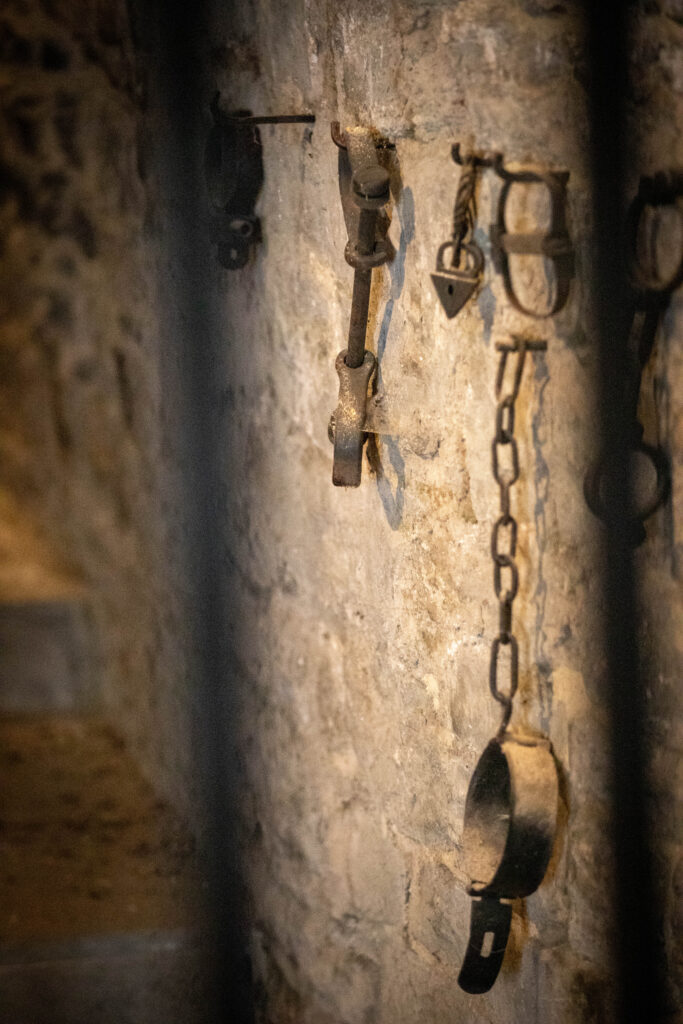
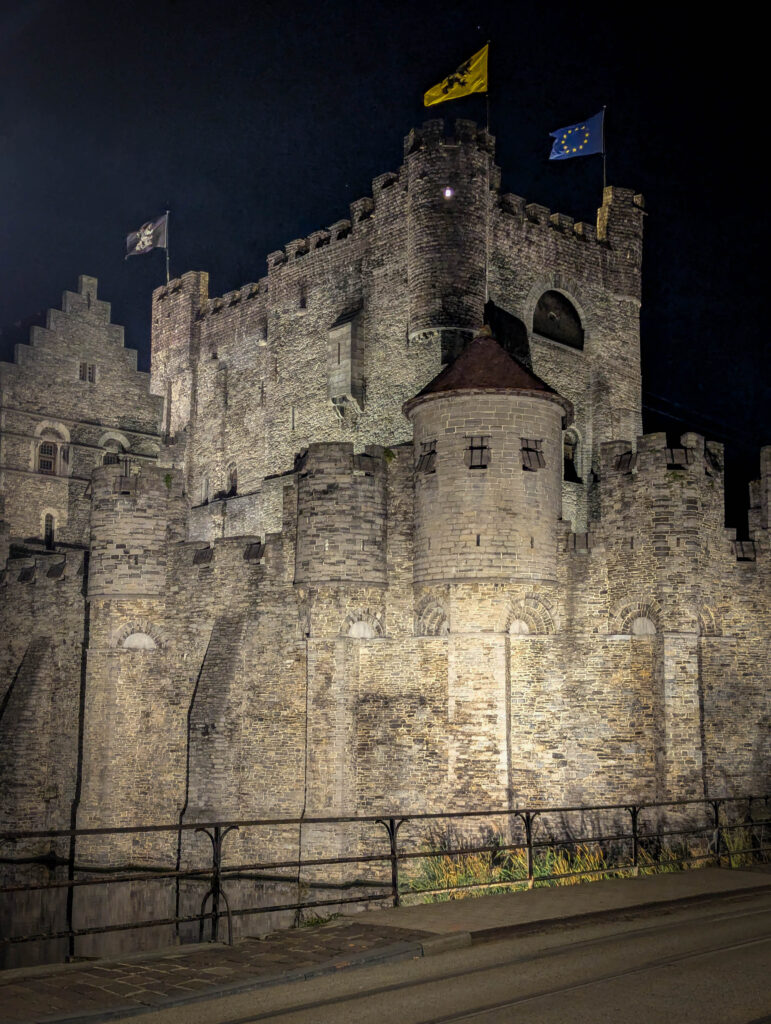
The plan for the day was to buy a tourist pass which gained us entry to numerous paid attractions, and free use of the water taxi and all land-based public transport. After collecting these (which took a while as the chap in Tourist Information was very keen we took all of his maps despite already having them. Once we got away from him, we headed to the Gravensteen, Ghent’s castle. Remarkably tidy and well maintained, there was lots to look at from the usual crenelations, to a torture dungeon, a display of weaponry, and a “secreet” bunker used by the Nazis. Worth a visit.
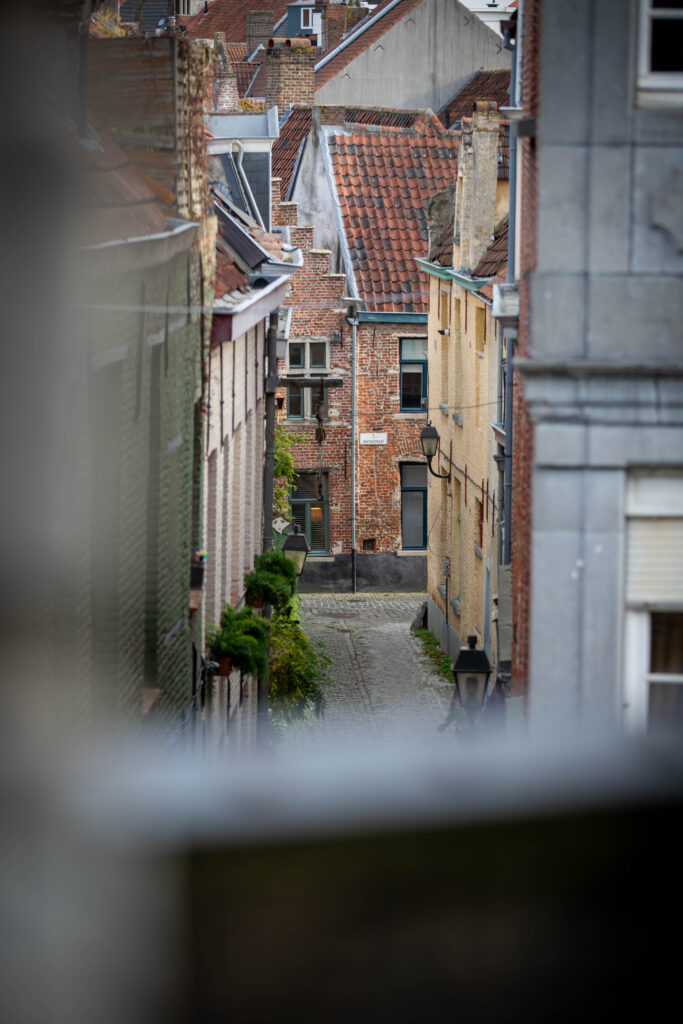
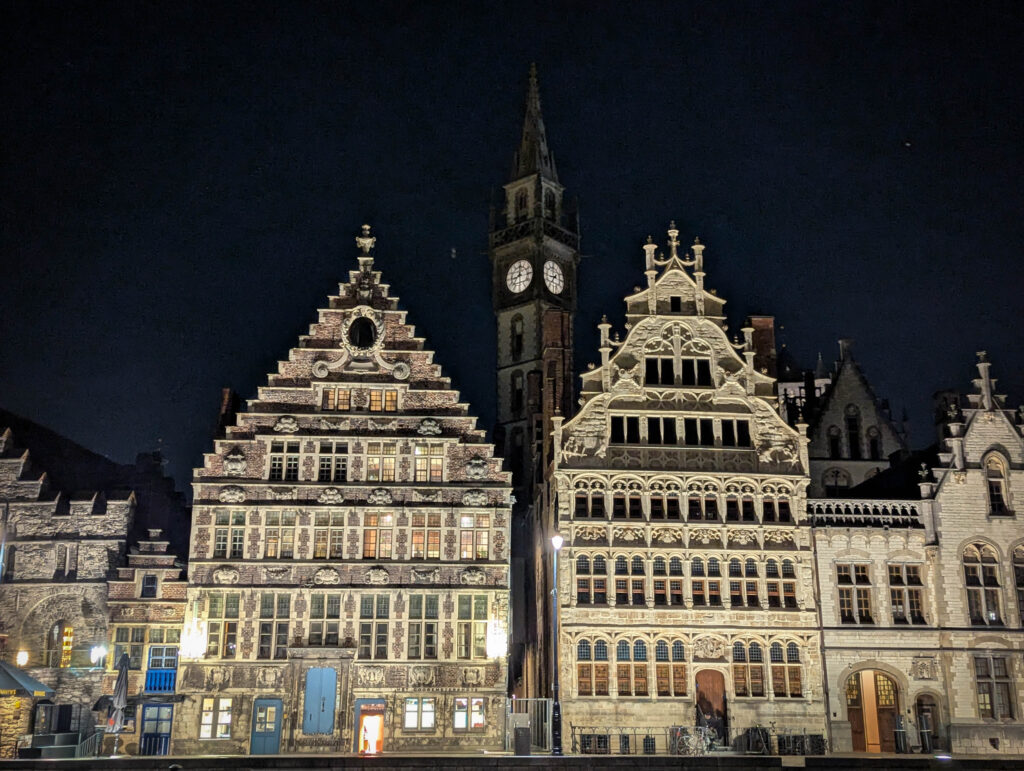
Next stop was a walk through the streets of Paters Hol, a very pretty area which contained residential properties and restaurants, taking us back to the main tourist area.
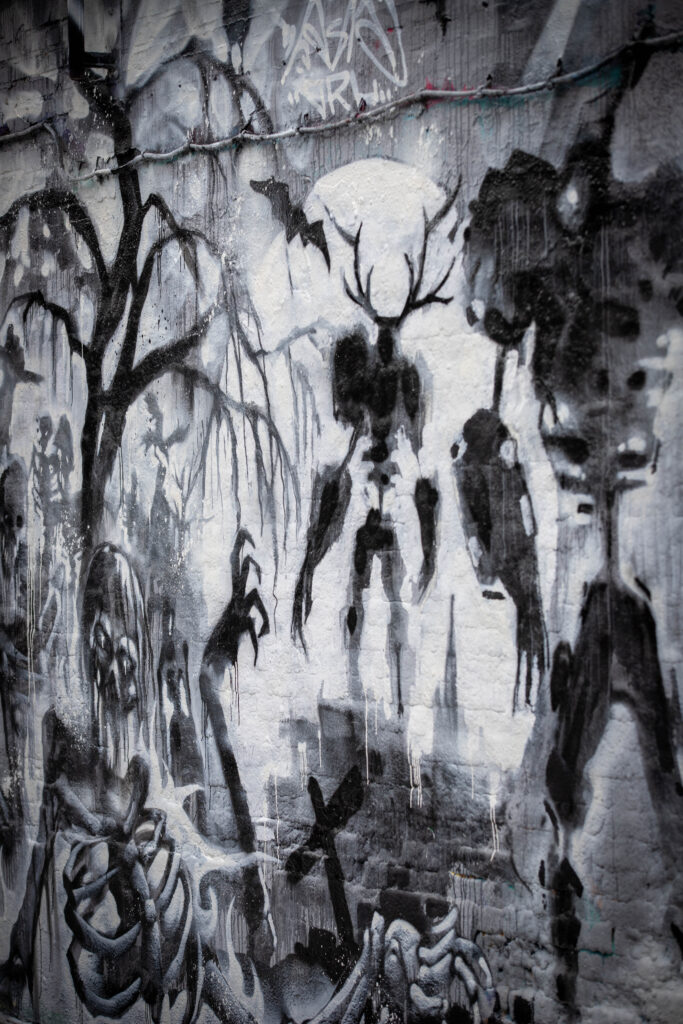
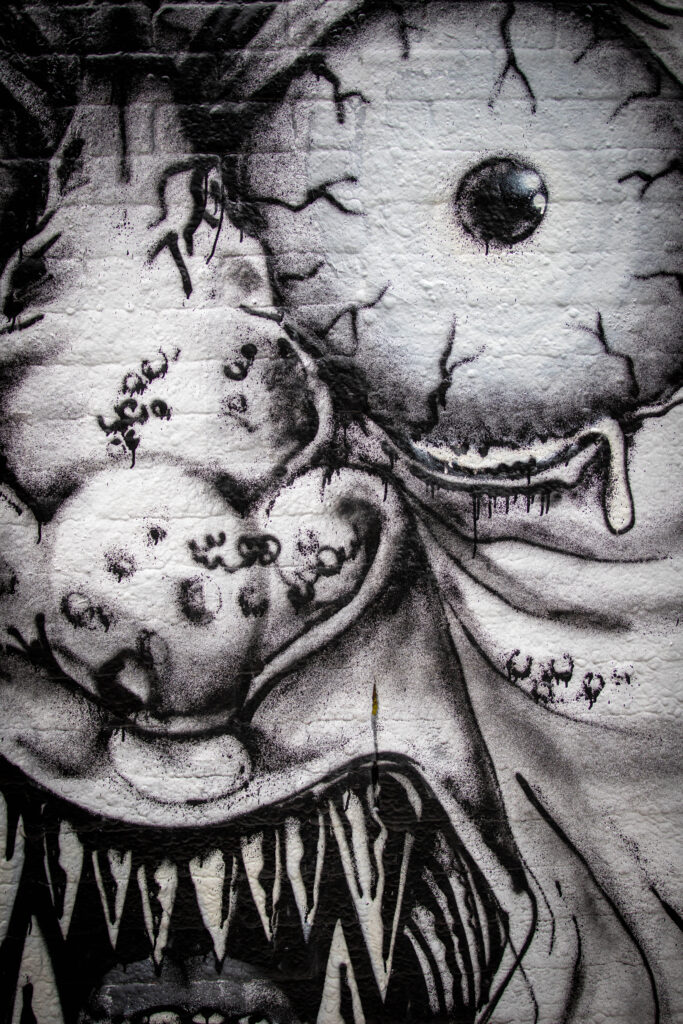
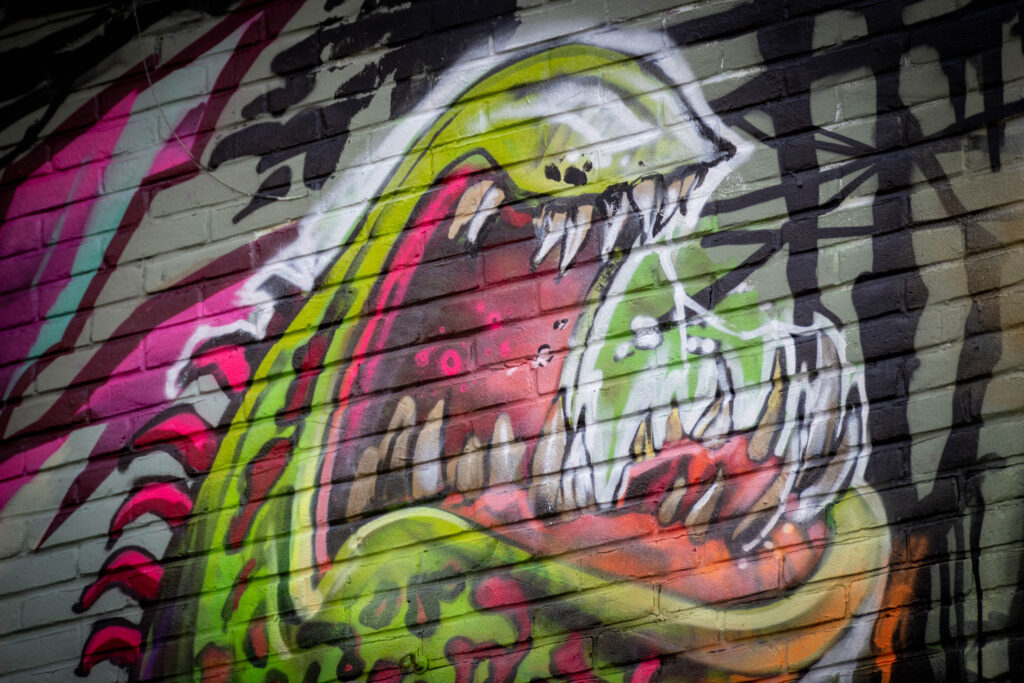
We then headed to “graffiti street”, which quite obviously was a street with walls covered in graffiti. Much of it had been painted over in readiness for fresh artwork to be applied, but some remained and was definitely Halloween themed. Either side of the street we found small shops selling various things.
From here we walked to St-Baafskathedral, Ghent’s cathedral. Not quite the scale of Koln’s cathedral the day before but more ornate, and in the back was a famous painting by Reuben and a very detailed altar piece comprising of numerous paintings depicting a religious scene of some kind. It was intricate in its quality, and vibrantly coloured despite its obvious age.
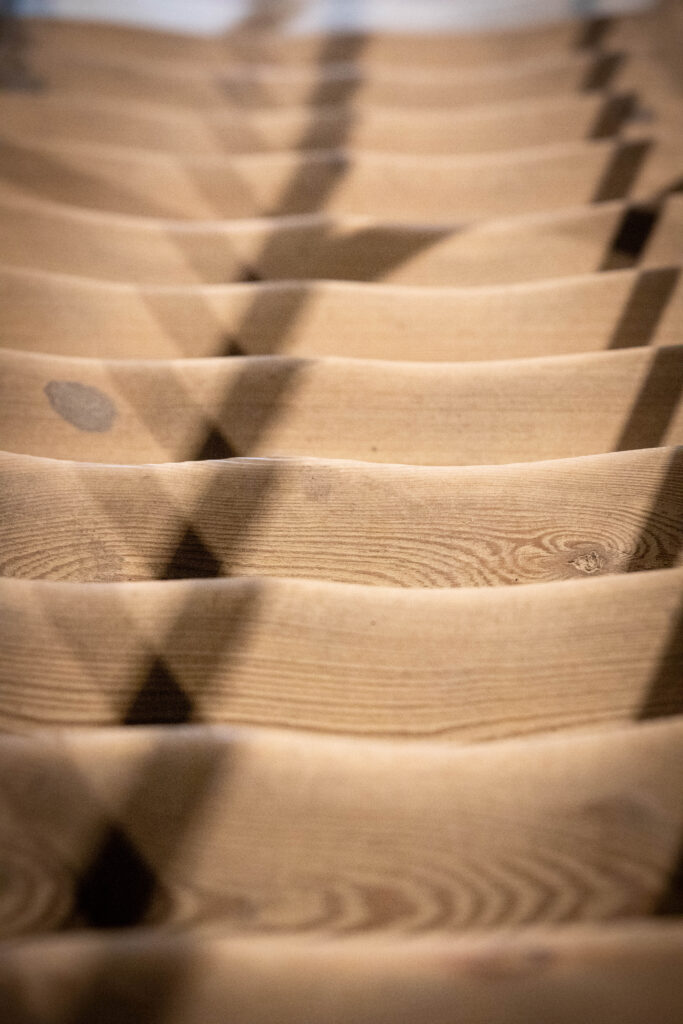
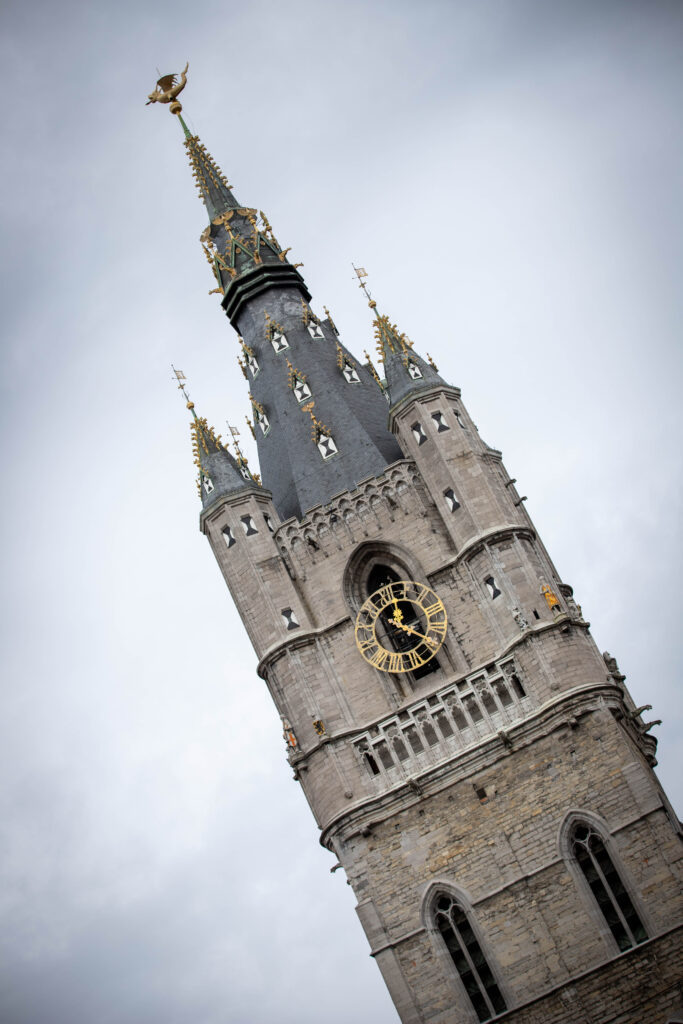
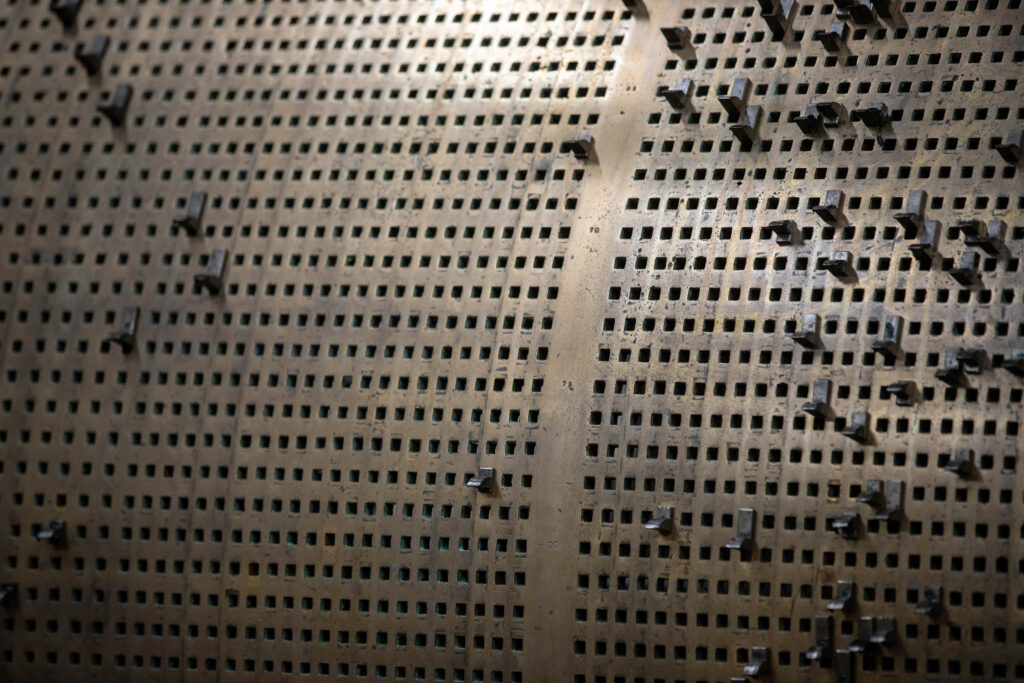
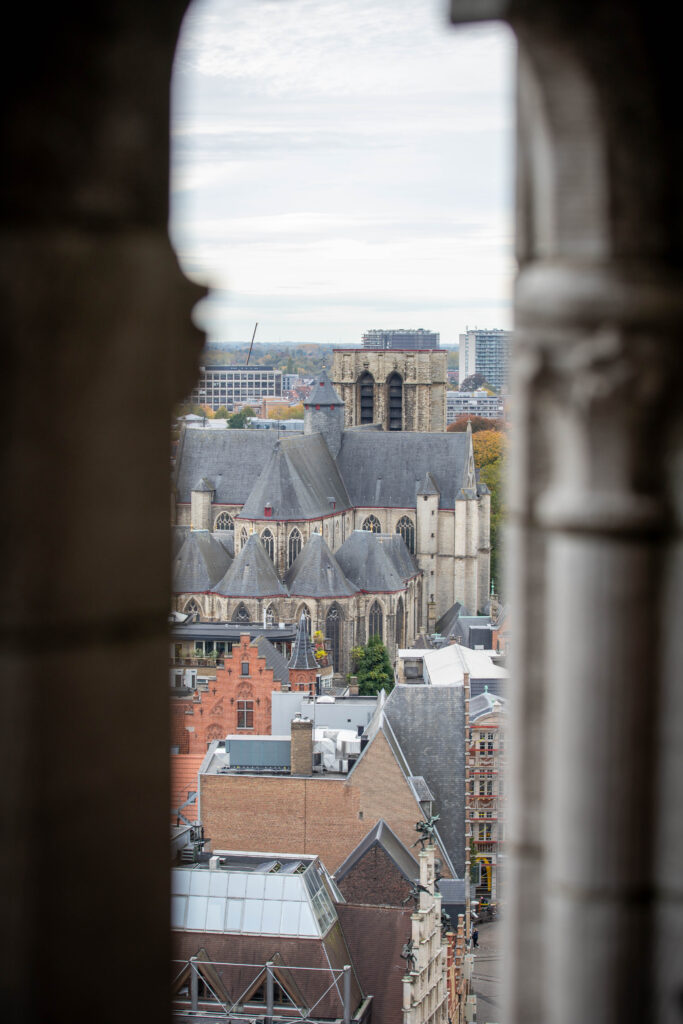
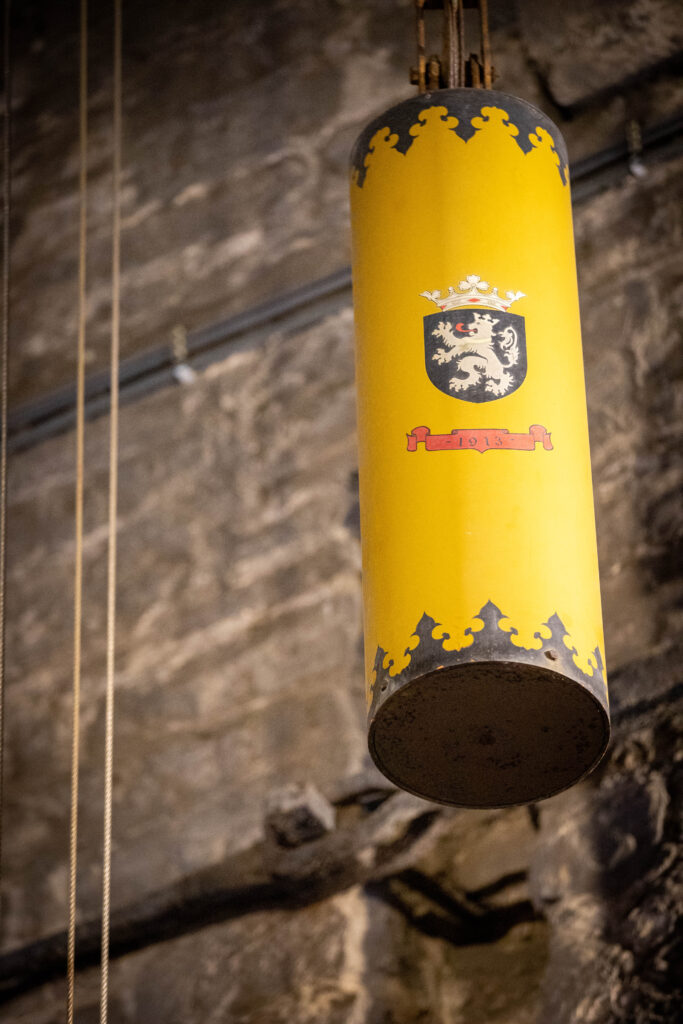
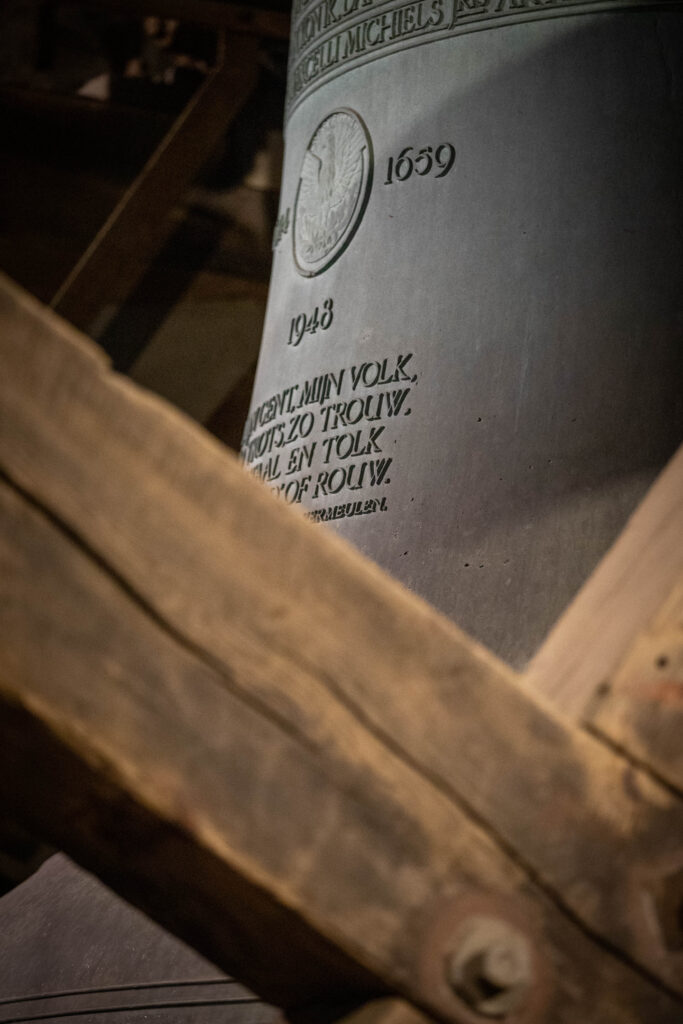
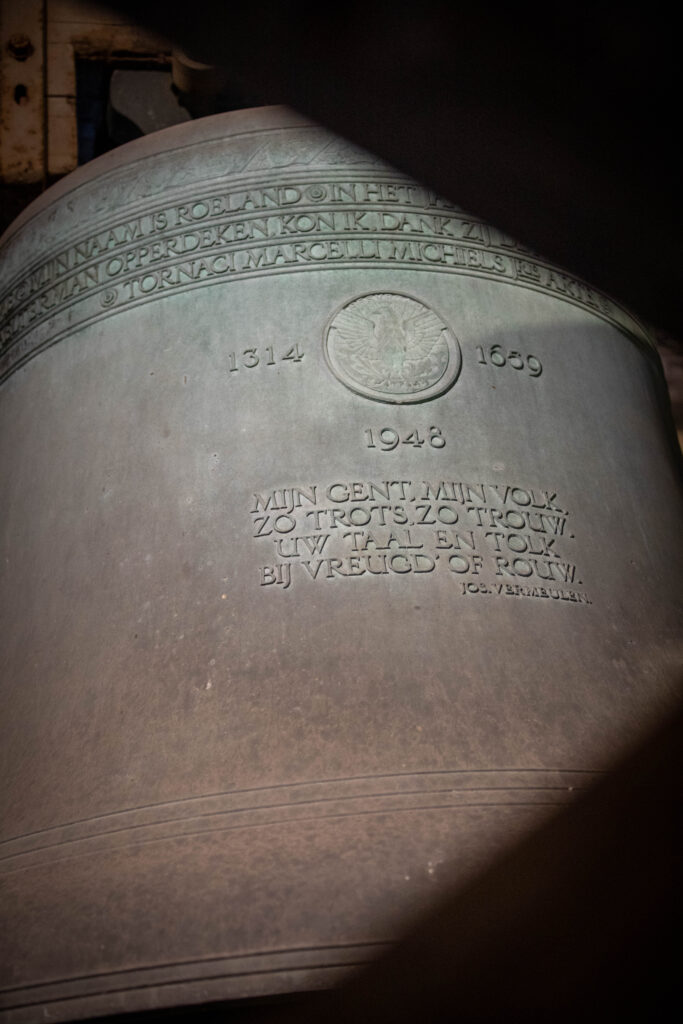
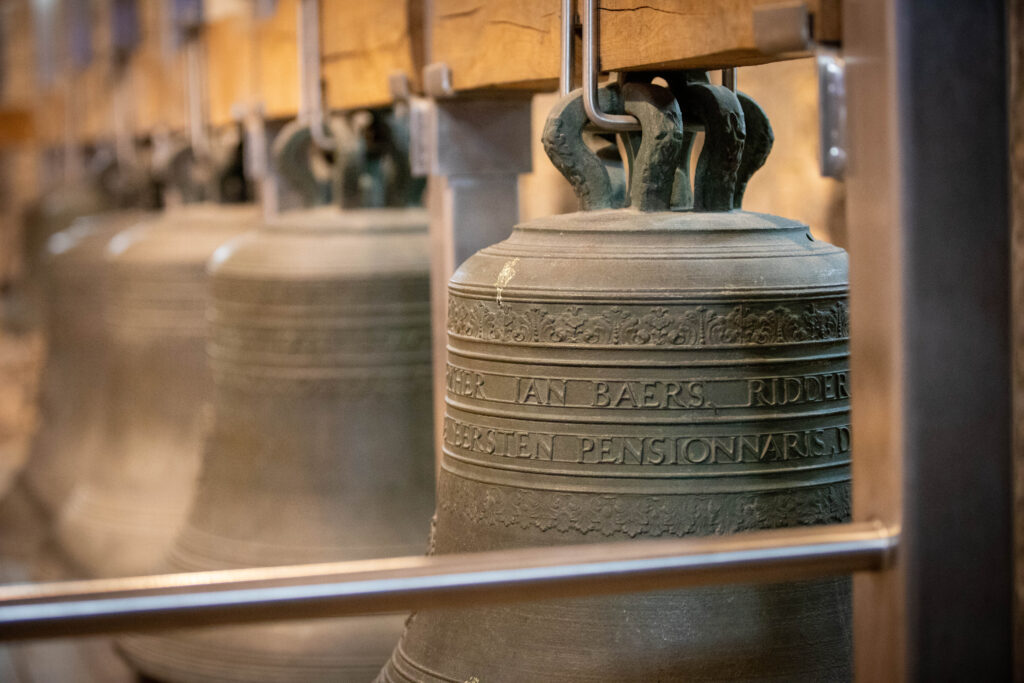
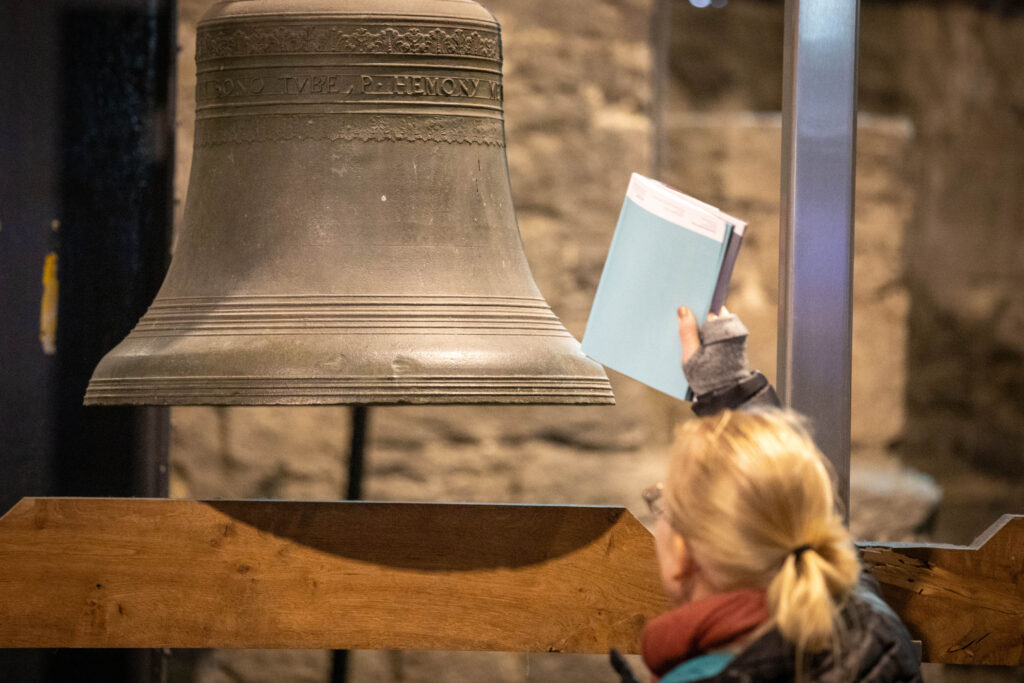
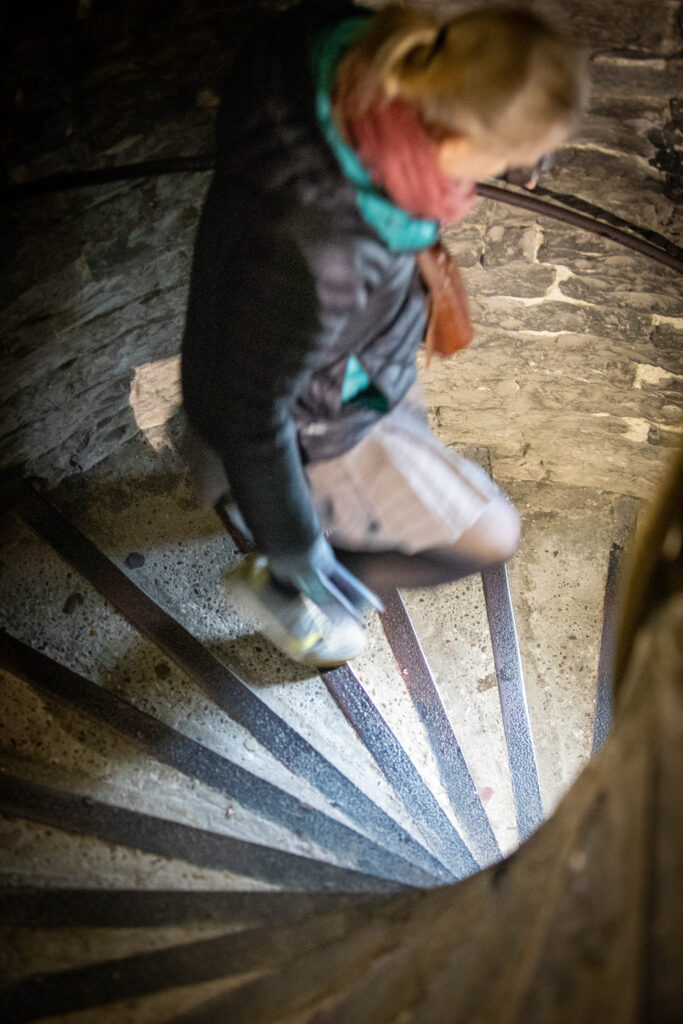
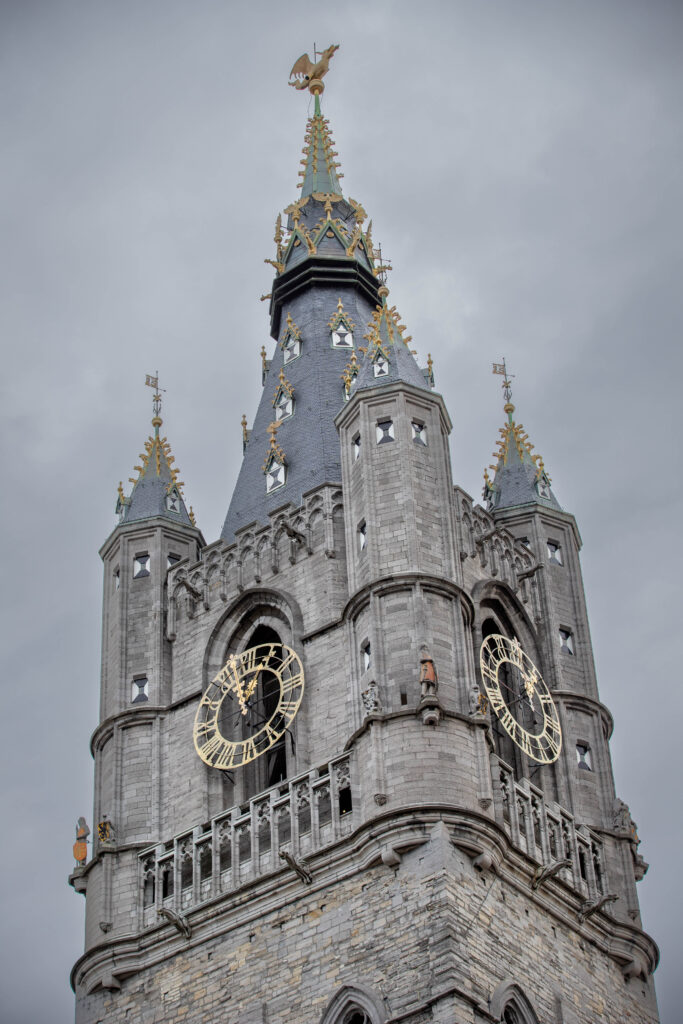
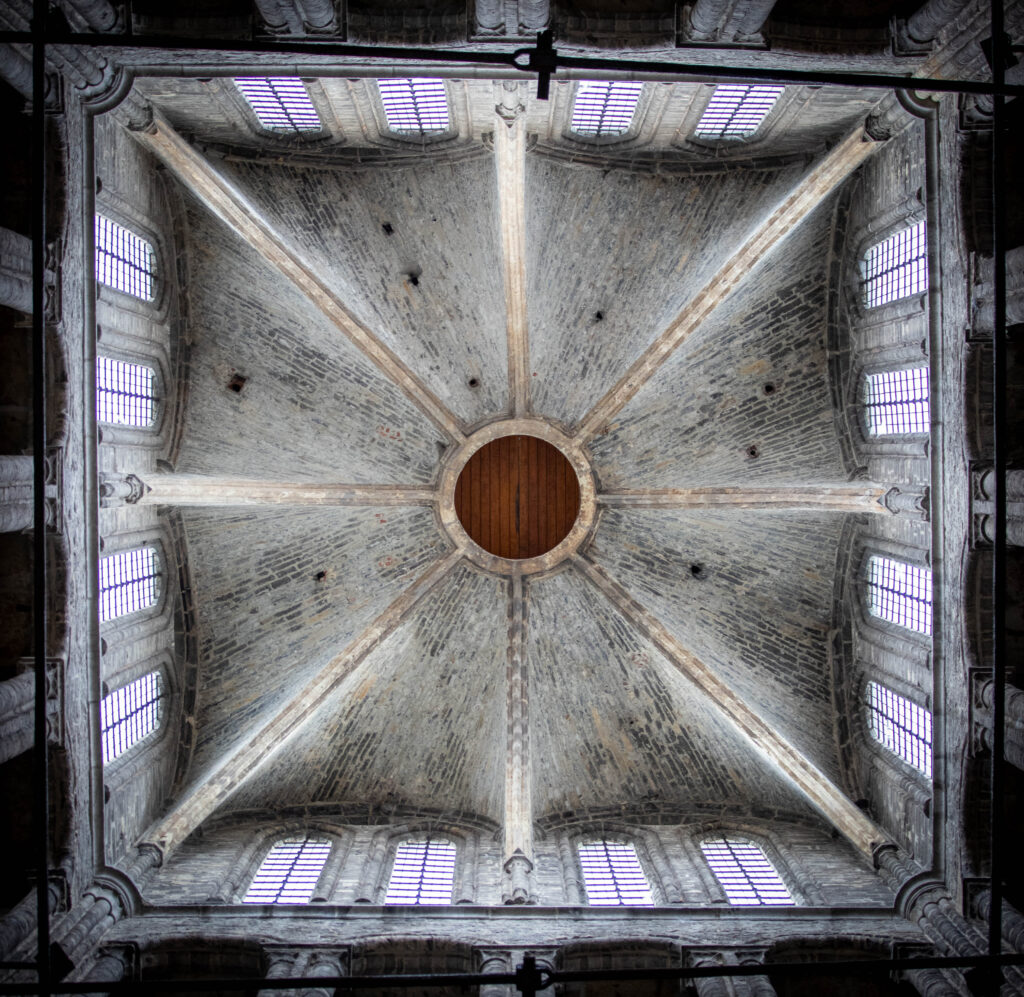
We kept going, onward to the Belfort, a huge tower which you could climb for an aerial view of Ghent. The good news was it was a lift up and stairs down, with various displays of bell and chime-related things on each of 3 floors between the top and bottom. The main bell itself was chimed using a mechanism much like a music box, but on a much bigger scale. Each hole in the barrel was hand cut square, there were thousands of them.
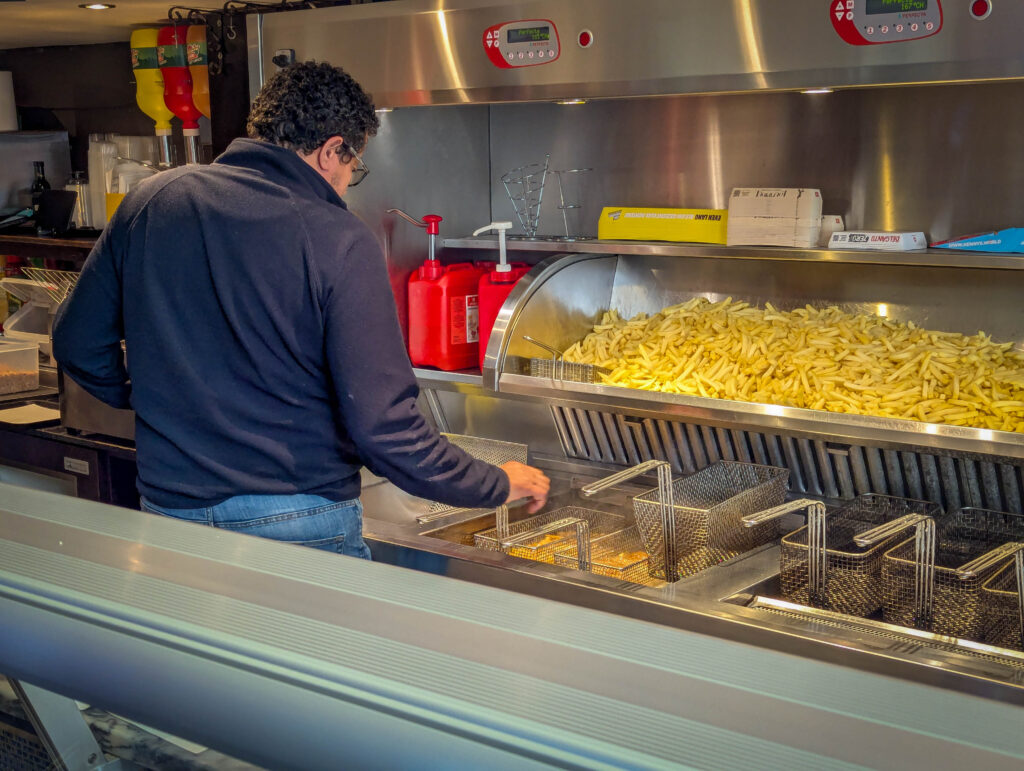
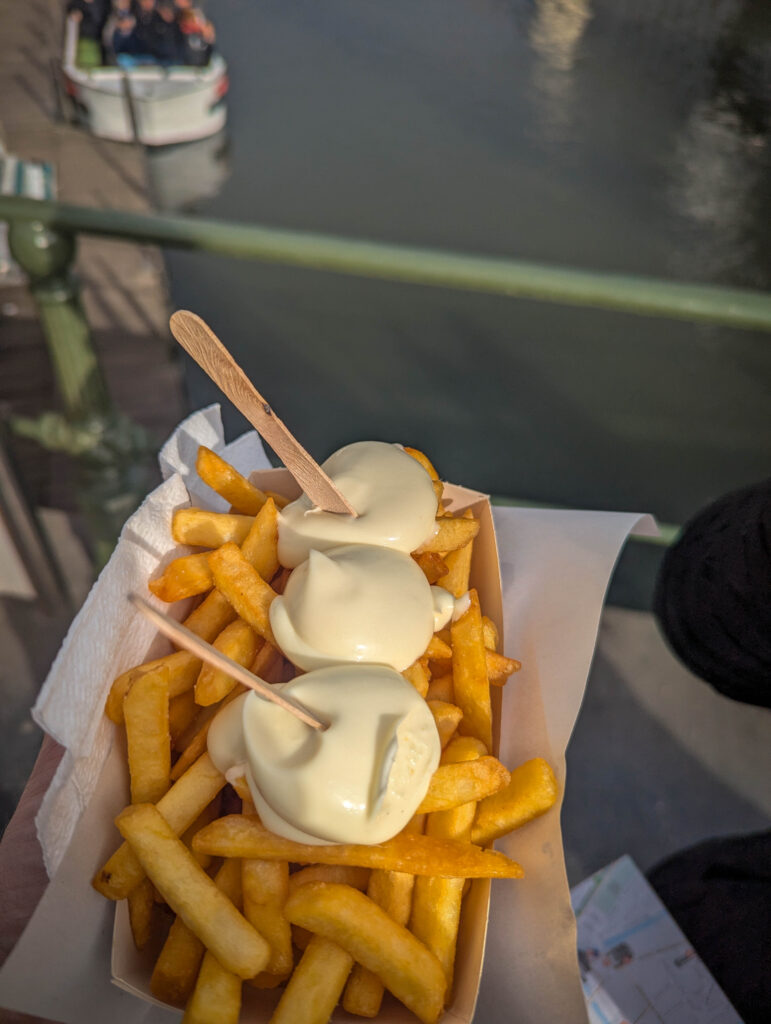
Our final stop before lunch was a smaller church, but one that was lit with huge skylights. Lunch was simple – frites and mayonnaise.
After lunch we decided to take the water taxi, which was a hop-on-hop-off service. However we were just going to stay on for as long as we fancied, getting off and returning by tram – mostly to maximise the value of our tourist cards. The boat was nearly empty and we watched the city go by with only the captain telling us useful/useless information as we chugged along.
When we arrived at stop 4, St-Pieterskirk, he told us to all get off the boat and gave us a mini-guided tour of the outside of the very old monastery. It looked so interesting we decided to stay – a good decision, as the building was quite interesting, as was the photography exhibition inside (nowhere near as good at the Wildlife Photographer of the Year we visited almost 2 weeks before), and the fruit garden including mini-vineyard.
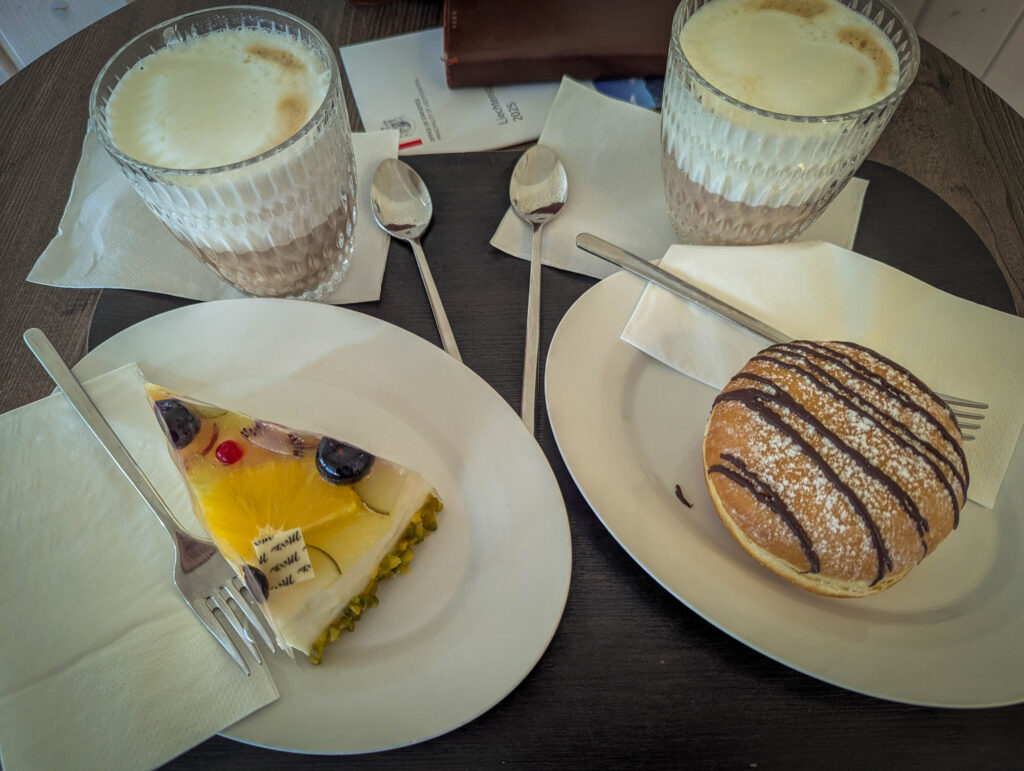
We then caught the tram back to the hotel, had coffee (which was actually very good) and cake whilst waiting for our room to be cleaned. After a short break we returned to somewhere in Paters Hol we’d seen earlier for dinner. Here we had Watervooi and beef stew, both local dishes.
This was to be a very long drive. More than 600km and likely to be more than 6 hours….which turned out to be nearly 8 hours as the traffic into Koln (Cologne) and Ghent, which turned out to be Brussels then Antwerp then Ghent as Google re-routed us.
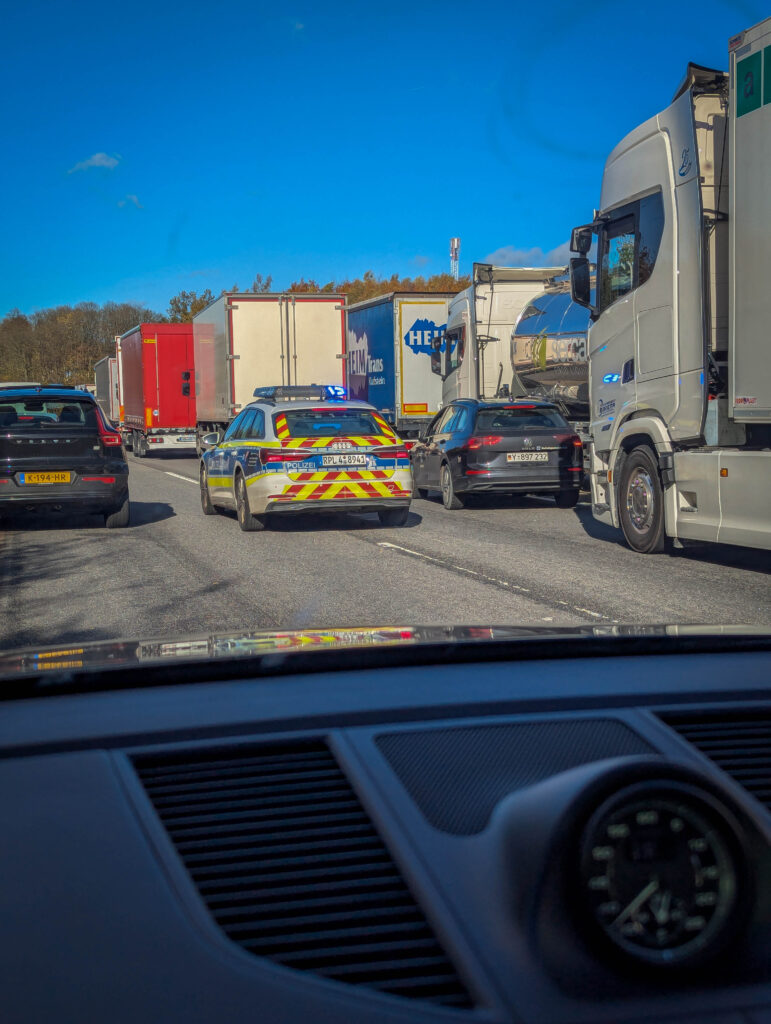
After a splendid castle breakfast, we headed off towards our lunchtime stop, Koln (Cologne), since it was roughly midway to Ghent. The motorway was quite busy in places and once again we saw how drilled European drivers are when traffic slows – the fast lane moves left (towards the central reservation) and the next lane moves right (towards the hard shoulder), making easy space for any emergency services that might need to get through the stationary traffic. It’s genius, but one that it’s unlikely that unruly British drivers at home would adhere to. Driving on mainland Europe is so much more pleasant…
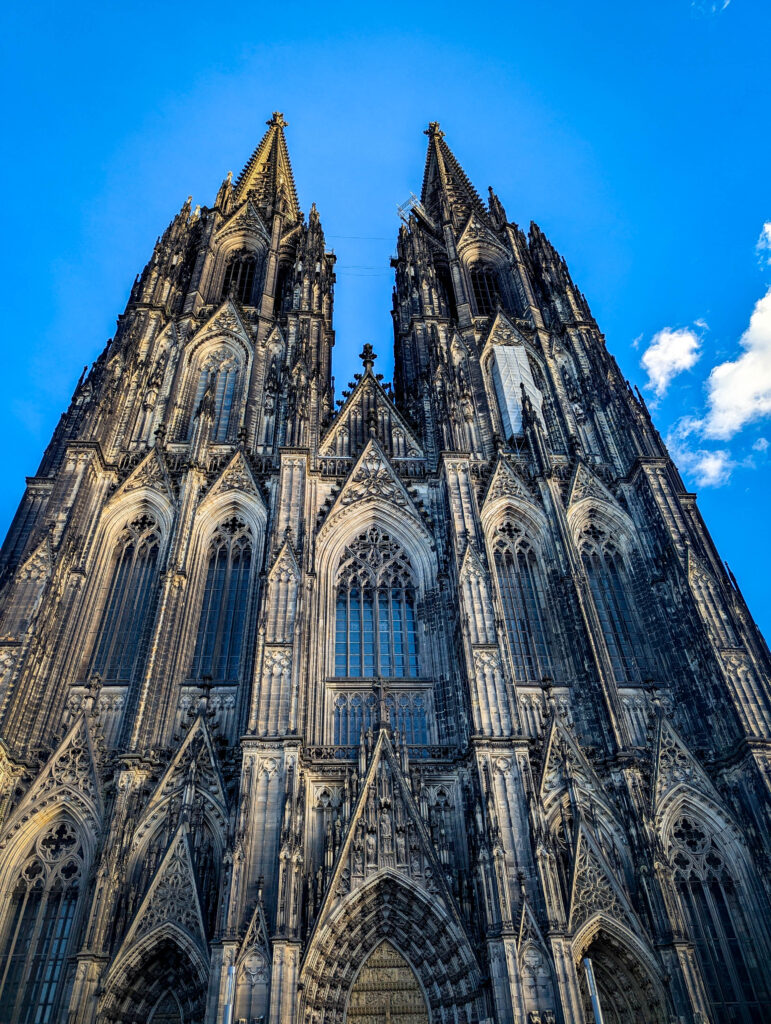
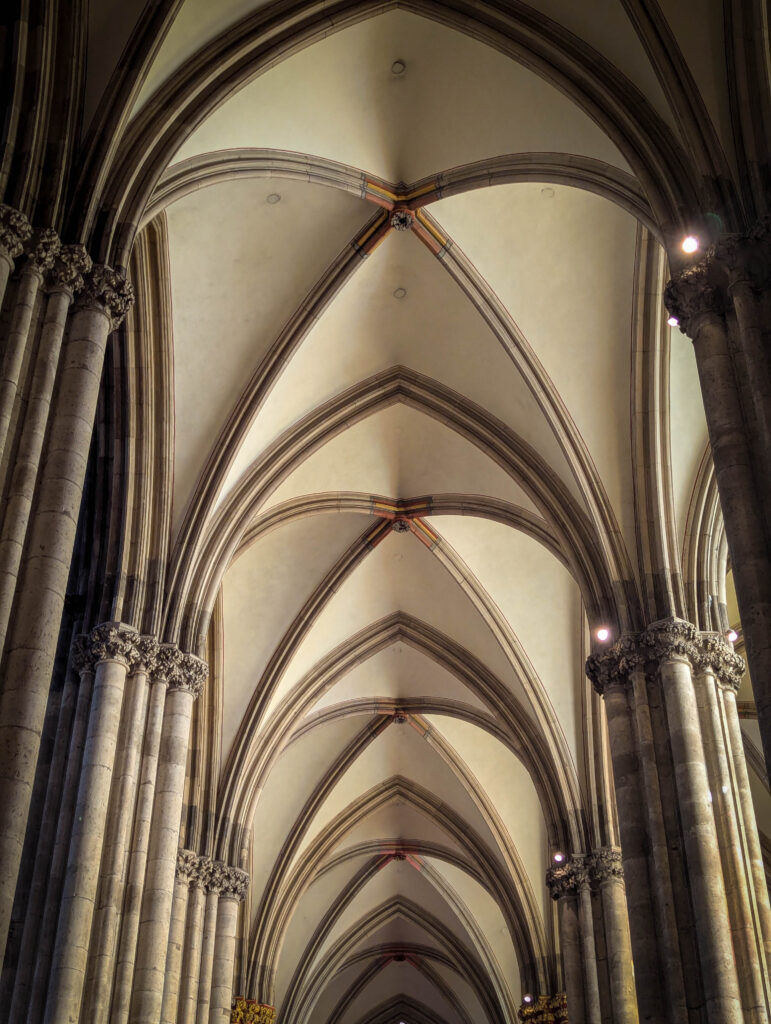
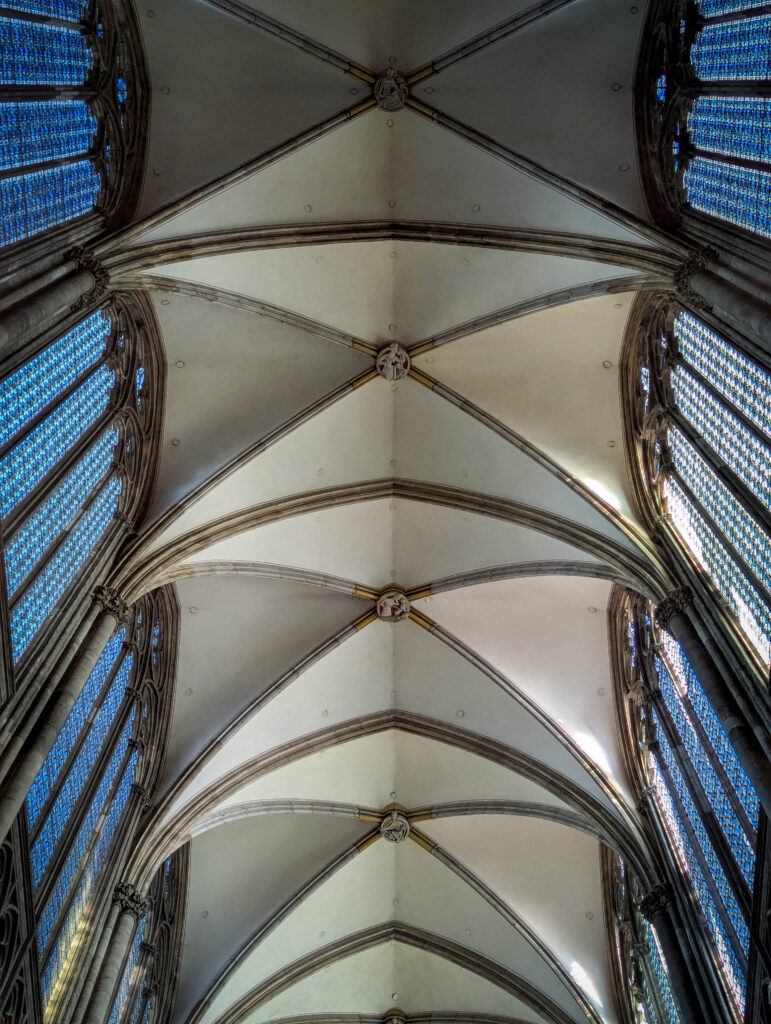
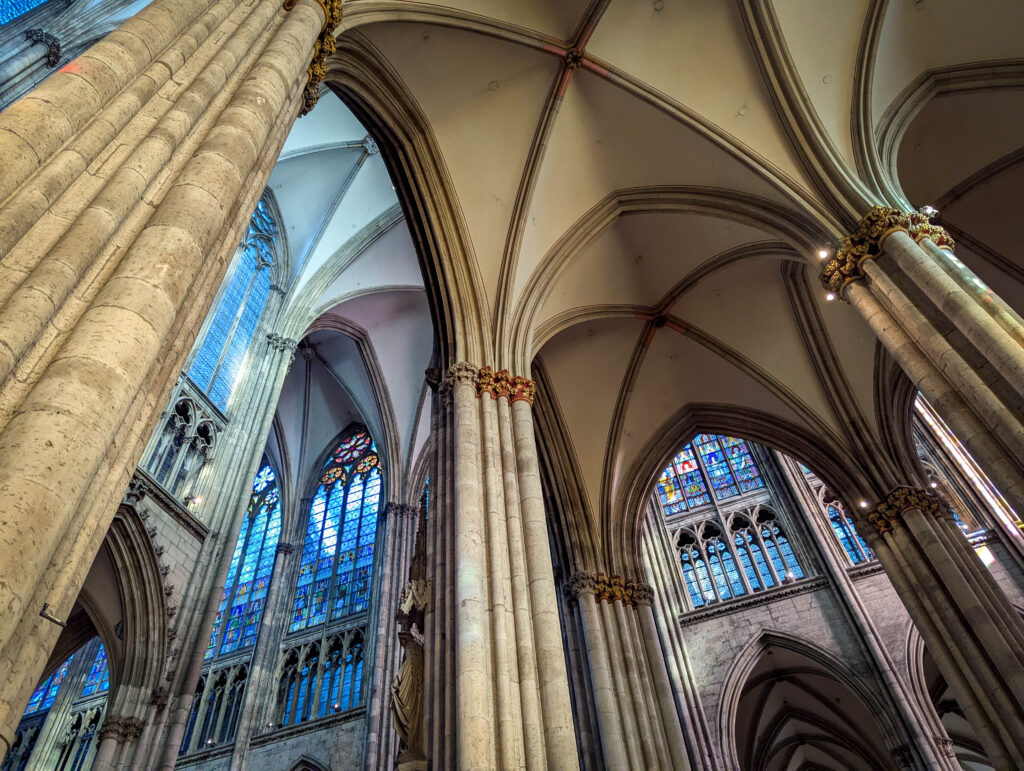
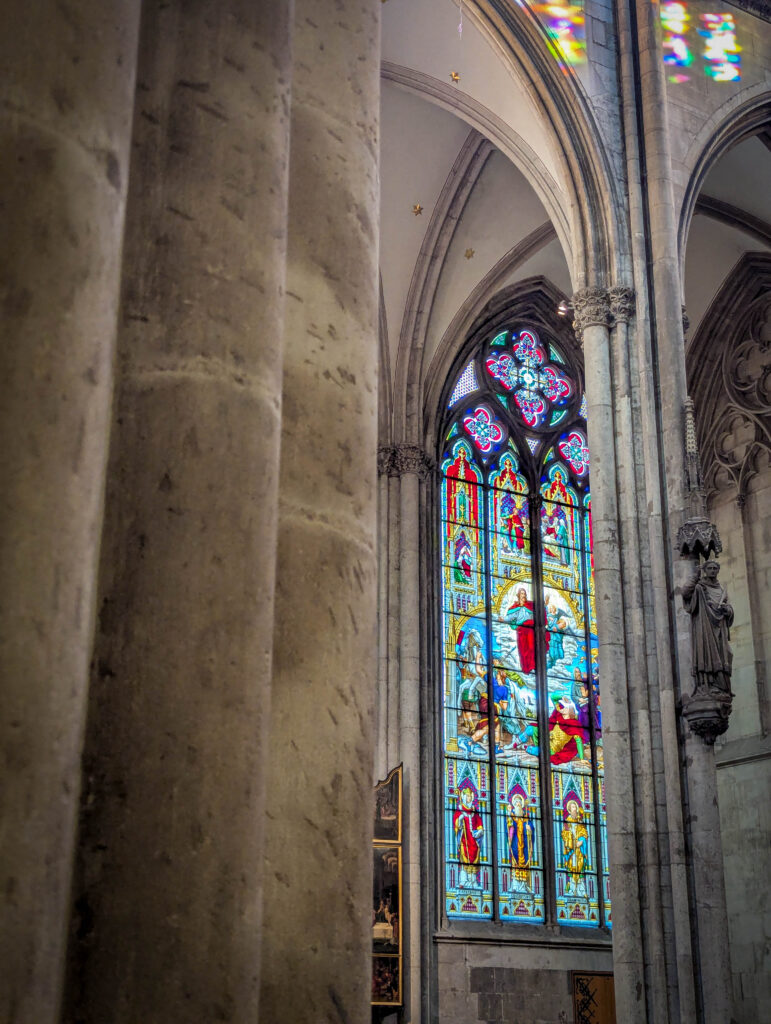
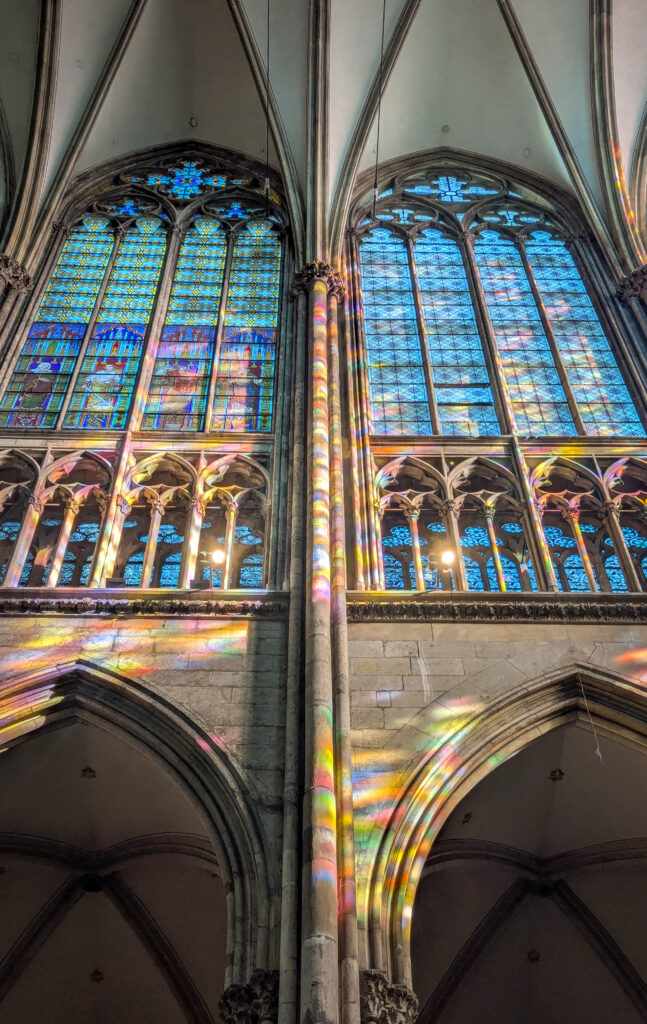
Once in Koln we found a particularly average baked goods place for lunch, before finding others that looked nicer, then wandered for a bit, towards the cathedral. Something we do a lot of in the car is research history and geography for the places we visit, and whilst we knew Koln had been badly damaged in the Second World War we didn’t realise 95% was flattened by Allied bombing, and the population all but left. The cathedral, which was an incredible building, avoided damage.
Back in the car after filling up and collecting new car snacks (long flat thin crisps that tasted like Pringles) we headed on through Germany, across a short stretch of motorway through the Netherlands (sadly not stopping for a smoke and a pancake) then into Belgium. Traffic into Antwerp (our preferred route) and into Brussels (our non-preferred route) was equally horrendous but Google chose to re-route us towards Brussels, then up to Antwerp and across to Ghent. It seemed a lot longer distance but was quicker than sitting in 45 minutes of stationary traffic into Antwerp so we did what we were told.
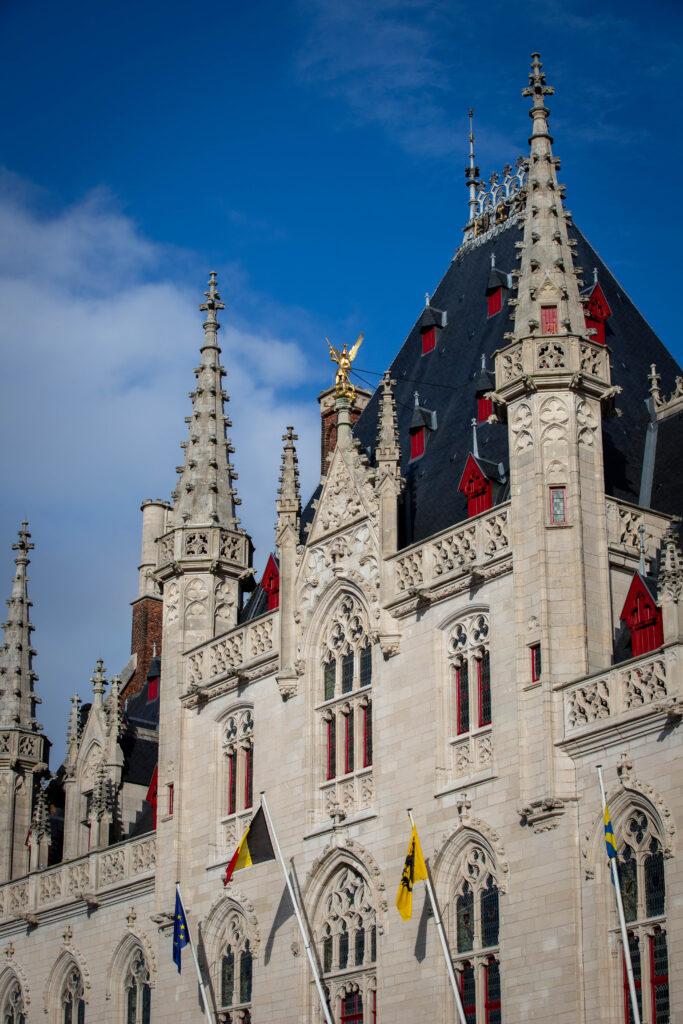
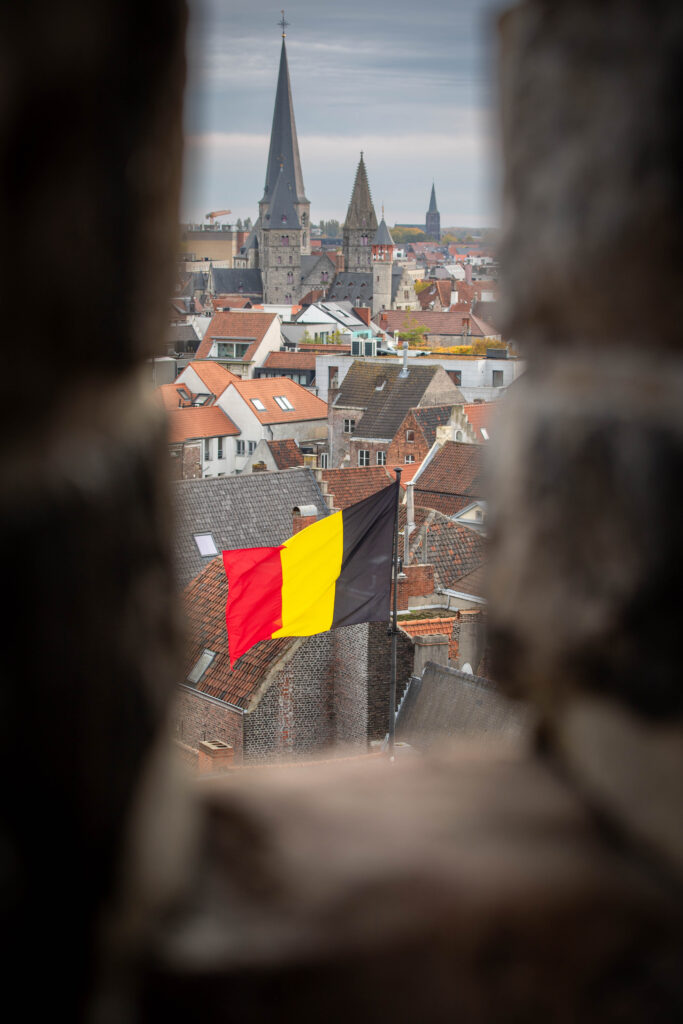
Whilst driving we discovered very interesting fact about the Belgian flag – unlike most national flags it is shaped with an aspect ratio of 15:12 (most flags are 3:2), yet it is rarely displayed in this shape, especially outside of Belgium.
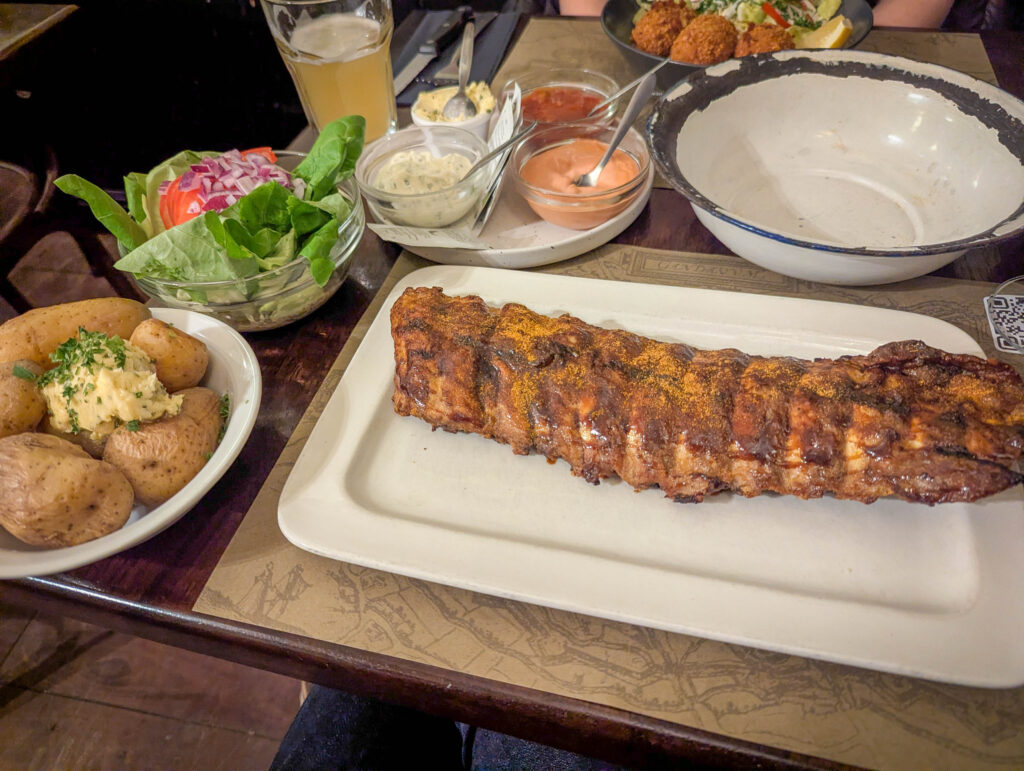
On arrival at the hotel (finding the car park was not easy) we got to our room then headed for dinner. Everywhere was really busy, but we found a place that sells unlimited ribs (and other things) which got excellent reviews and was absolutely packed. They gave us a 9pm table, so we wandered the dark streets for half an hour before feeding. Extremely good food and beer. Good choice.
We also had a good chat with the waiter, to find out a bit about languages in Belgium – he said it was simple….in Brussels you’ll speak either Dutch, German, French, English, in fact many languages; outside of Brussels the rest of the country speaks Dutch. Enough facts for the night, we went back to the hotel and to bed.
A short hop from Stuttgart of only 2 hours to the next hotel meant we had some time to investigate what Stuttgart could offer before lunch. Jo checked out the options on Trip Advisor and found the second best attraction was the Porsche Museum. The first best attraction was the Mercedes-Benz museum – and she suggested we go whilst in town. We also had 25% off the ticket price having paid for the Porsche Museum.
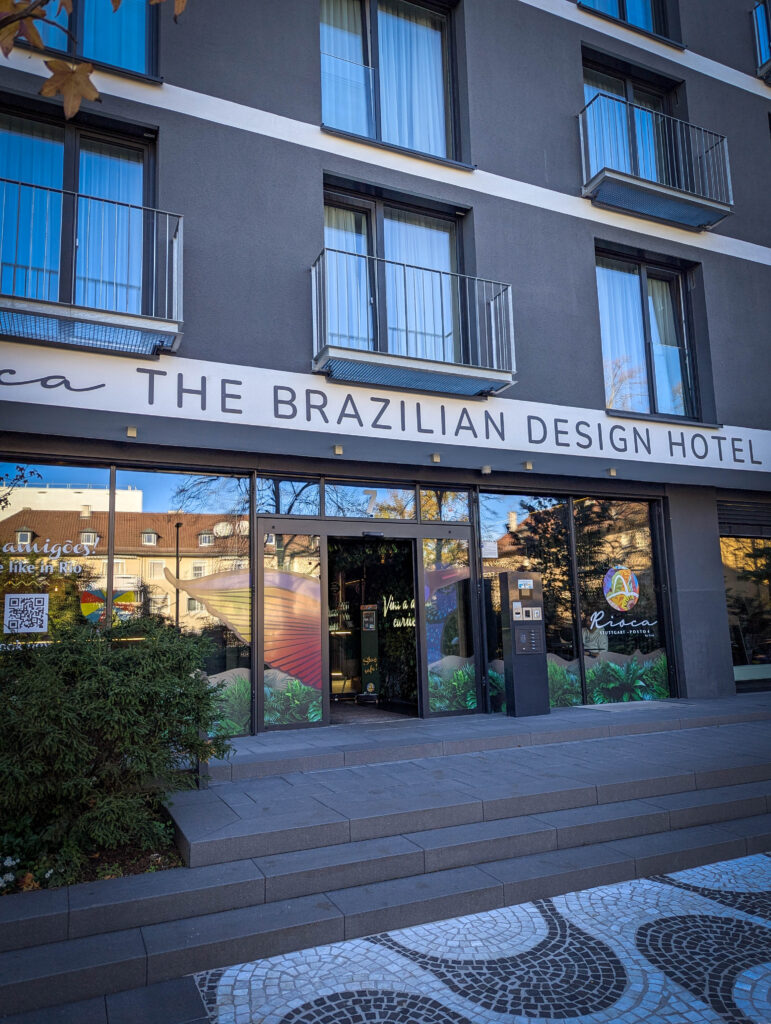
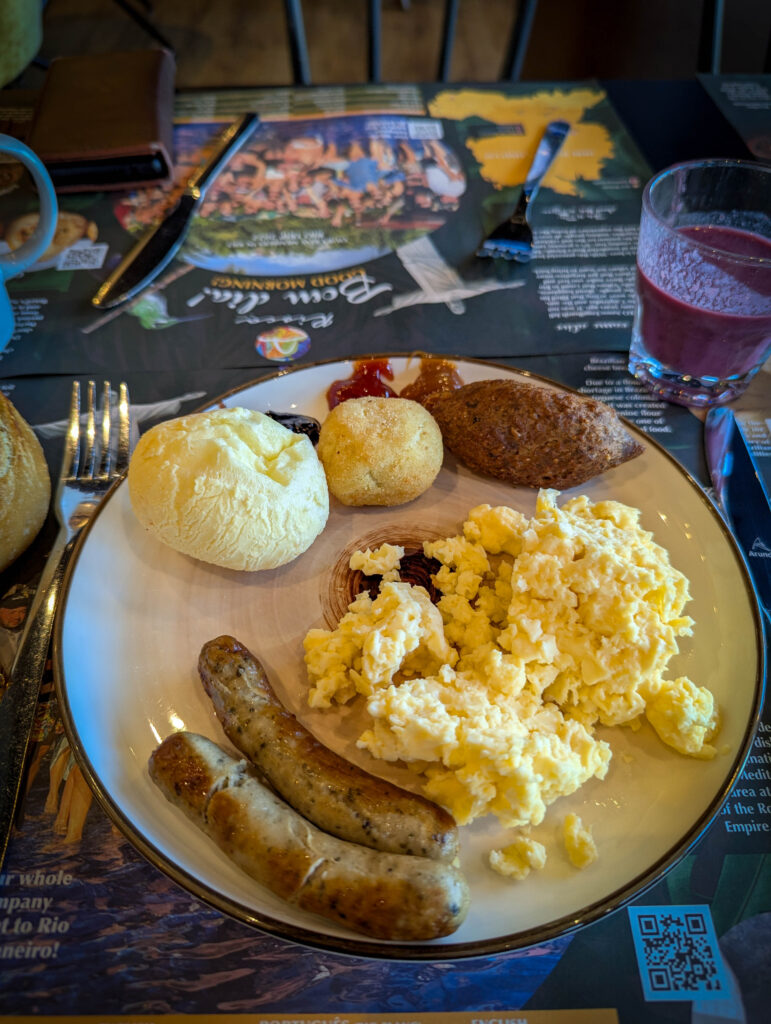
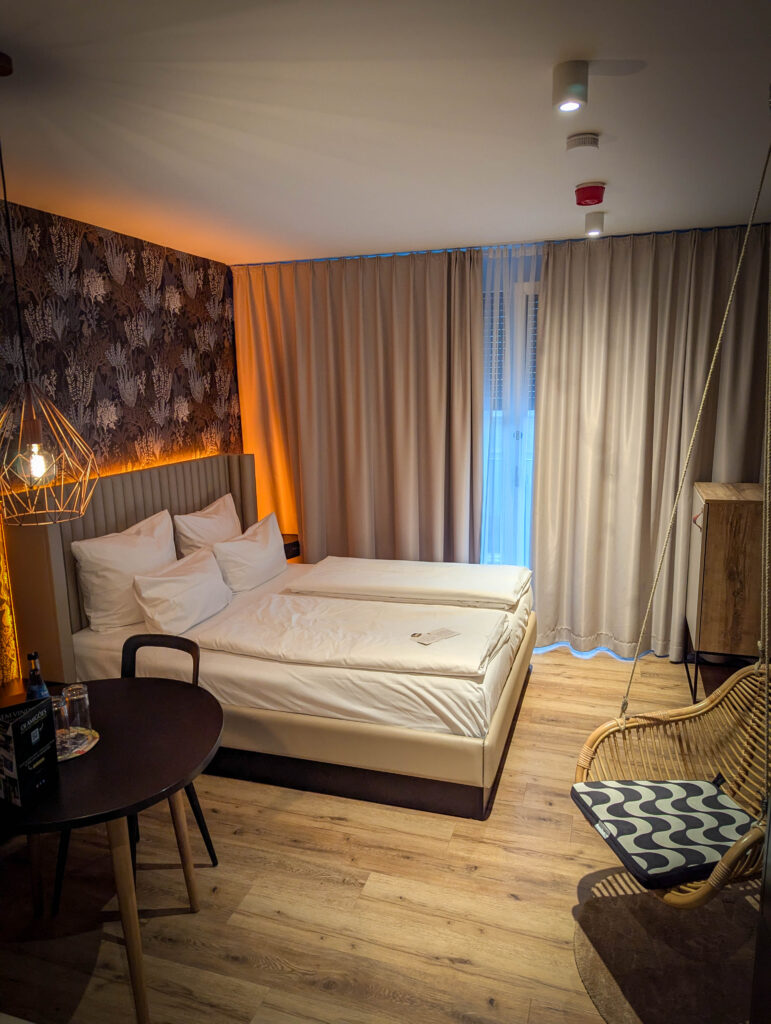
Breakfast first. The hotel was in some way themed Brazilian, but most of breakfast was the usual buffet stuff – apart from a small corner where they had some Brazilian dishes. Chicken filled dumplings, cheesy bread and something beef, plus three “jams” – acai berry, papaya and dolce de leche (not jam but almost). It was all extremely nice and made for a good change to the usual selection.
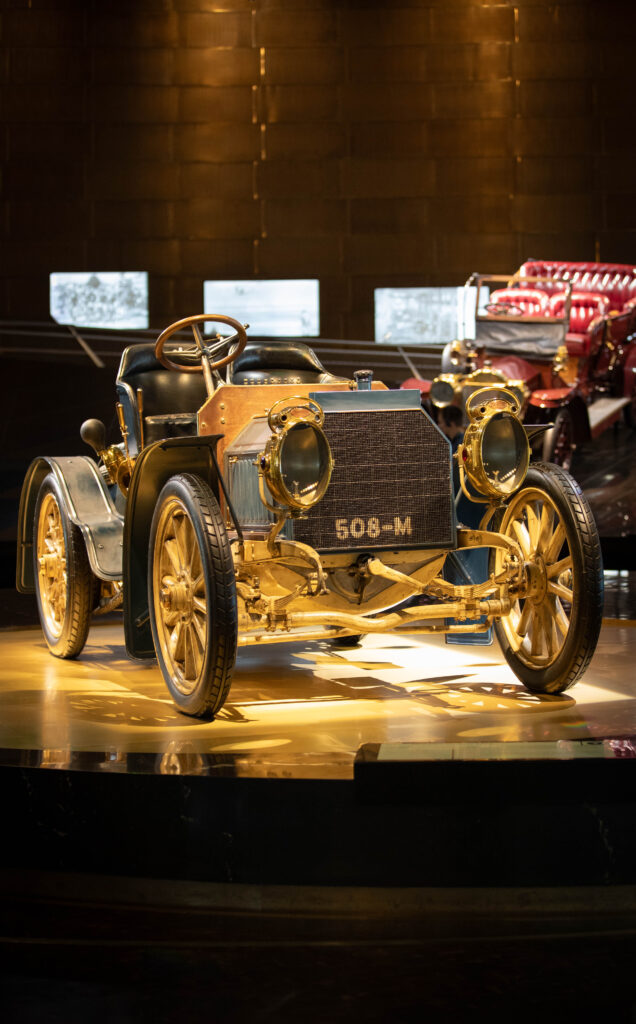
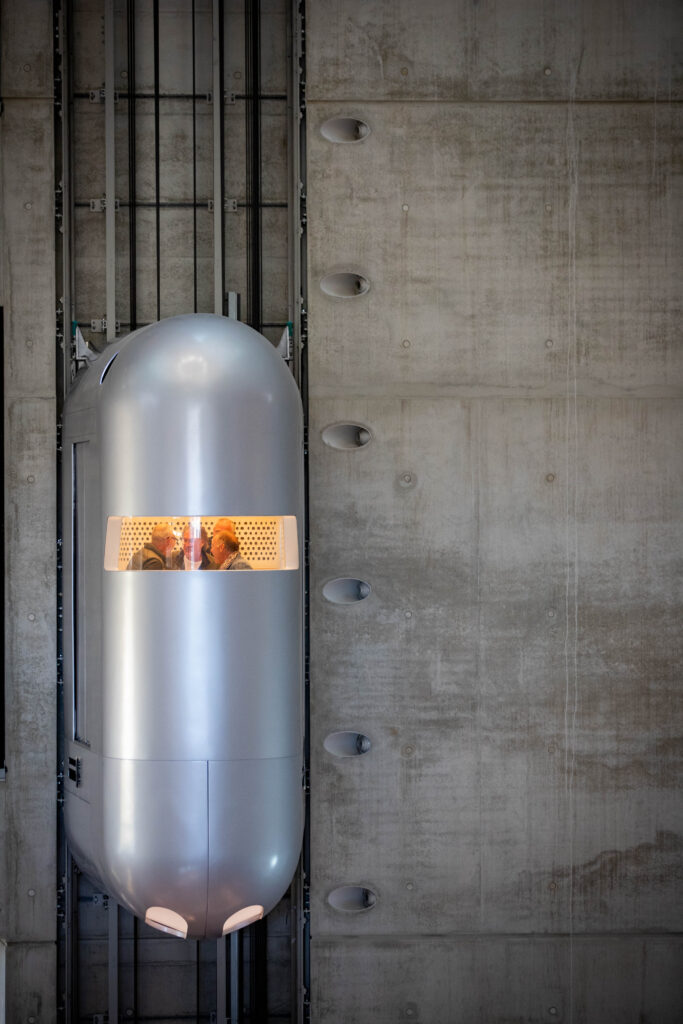
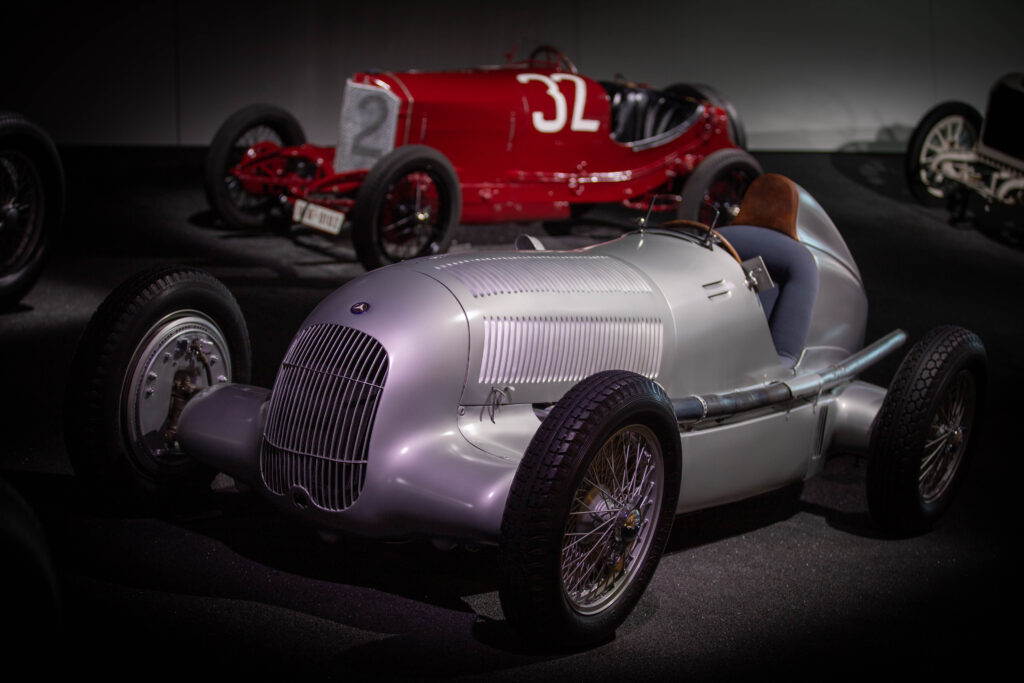
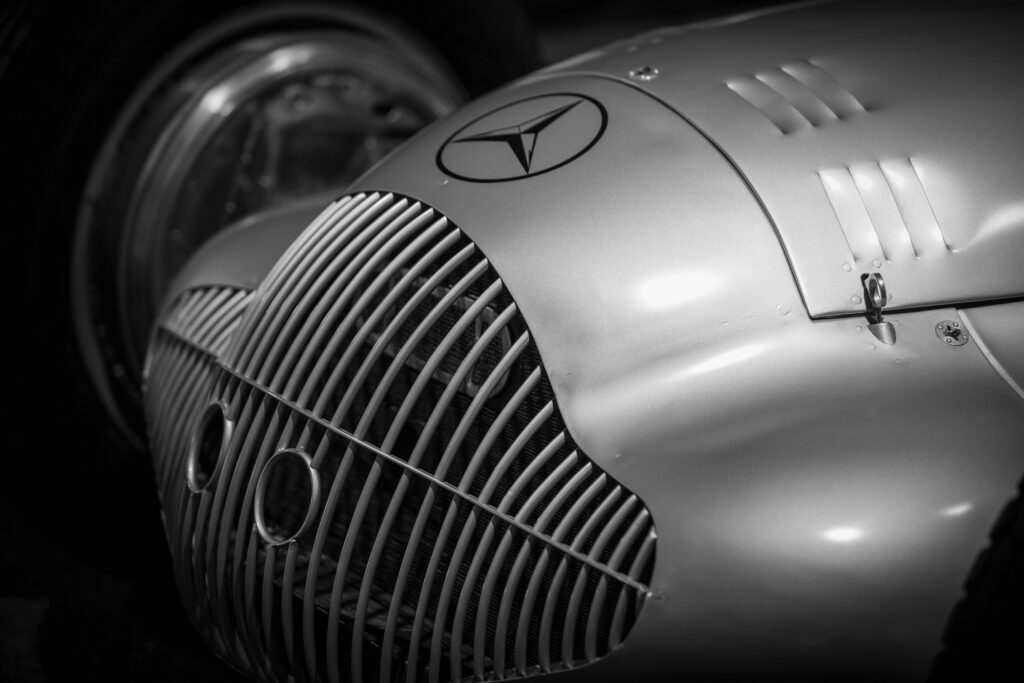
The Mercedes-Benz museum was 20 minutes or so away through heavy traffic – probably the first we’d experienced since crossing the Channel. The museum itself is vast and very, very impressive architecturally. Like the Porsche museum the cars and exhibits are arranged around a corkscrew of floors – so you start at the top (or bottom) and work down (or up). This one started by a ride in a lift which shuttled you to the very top, playing audio of modern through to older cars, then horses when you reached the start of the museum. The first display was a horse (it looked quite bored), then the first cars, boats, planes and so on.
As you worked down the floors there was a historical timeline with images and artefacts which told the story of the company from its roots to the present day, plus other historical reference points, all interspersed with cars. It was really fascinating and very well put together.
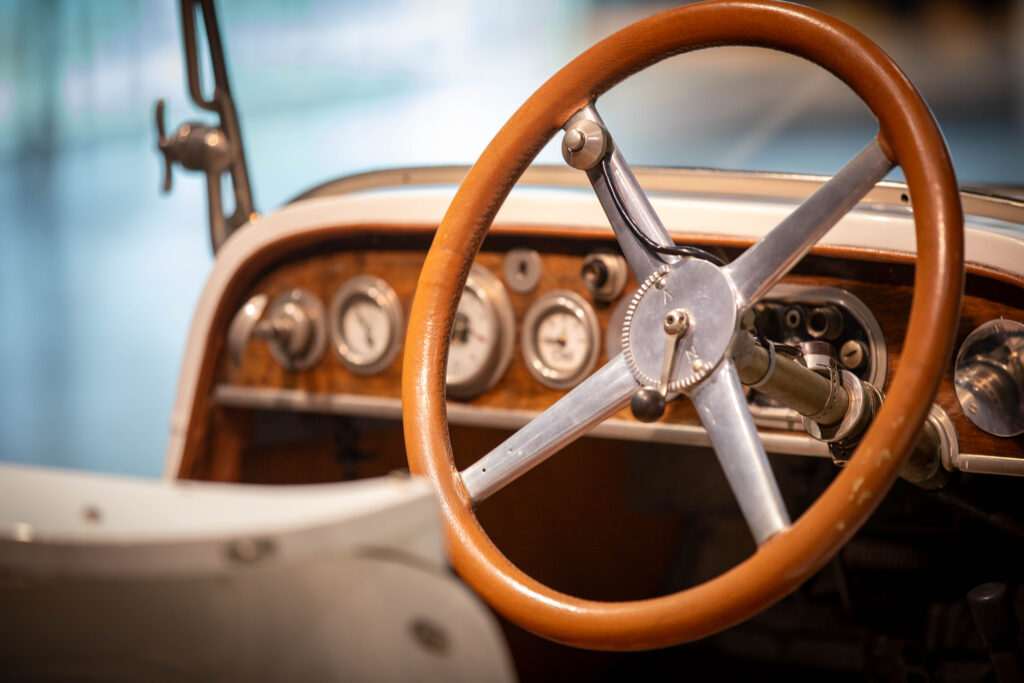
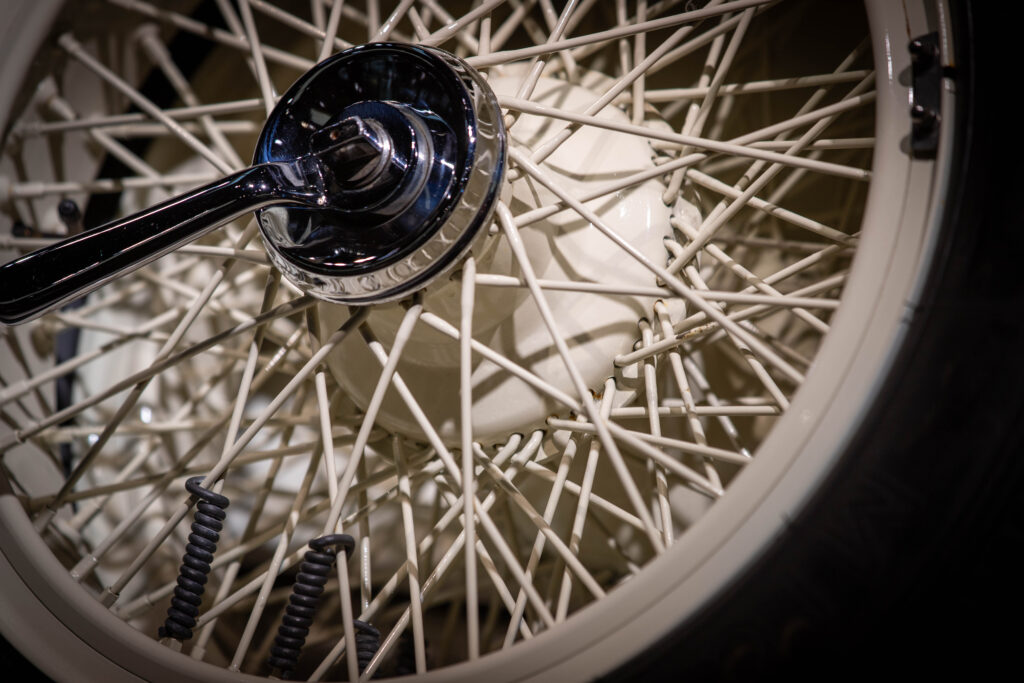
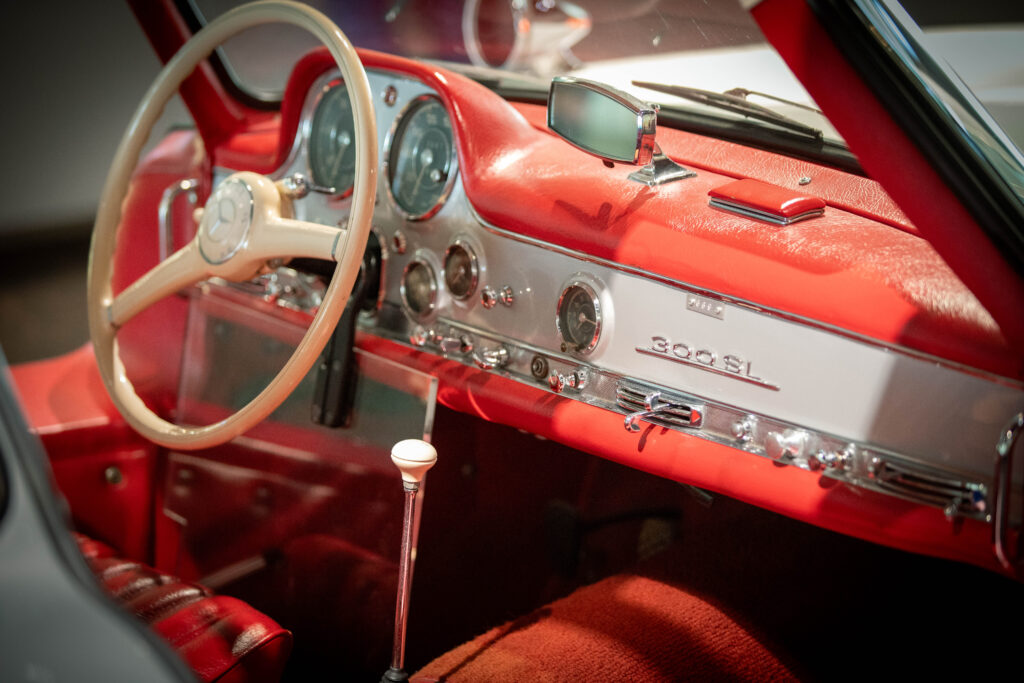
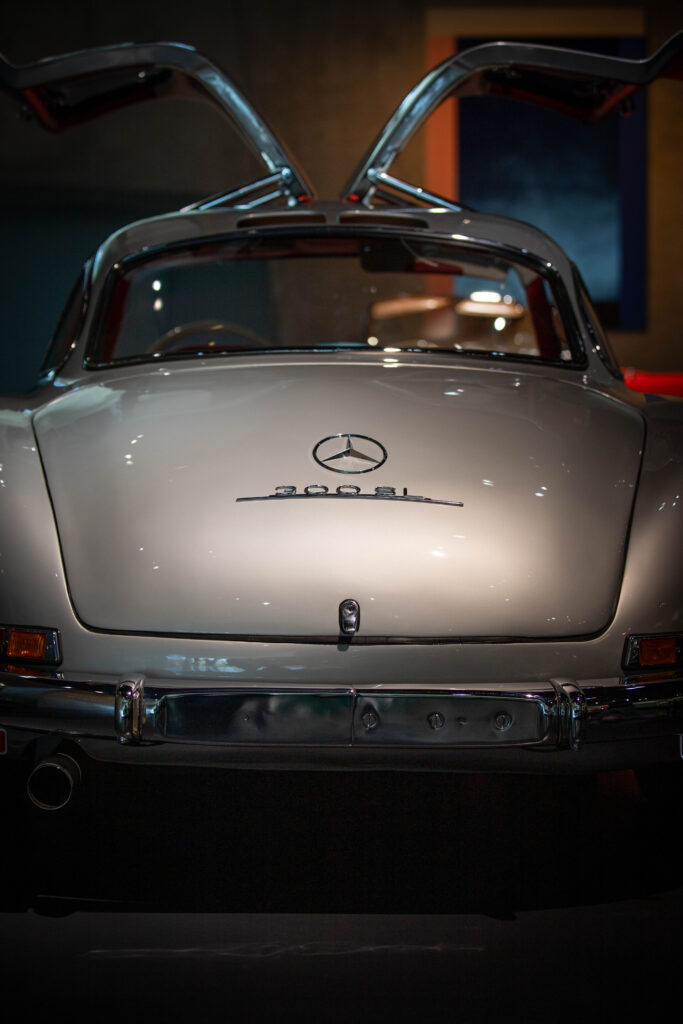
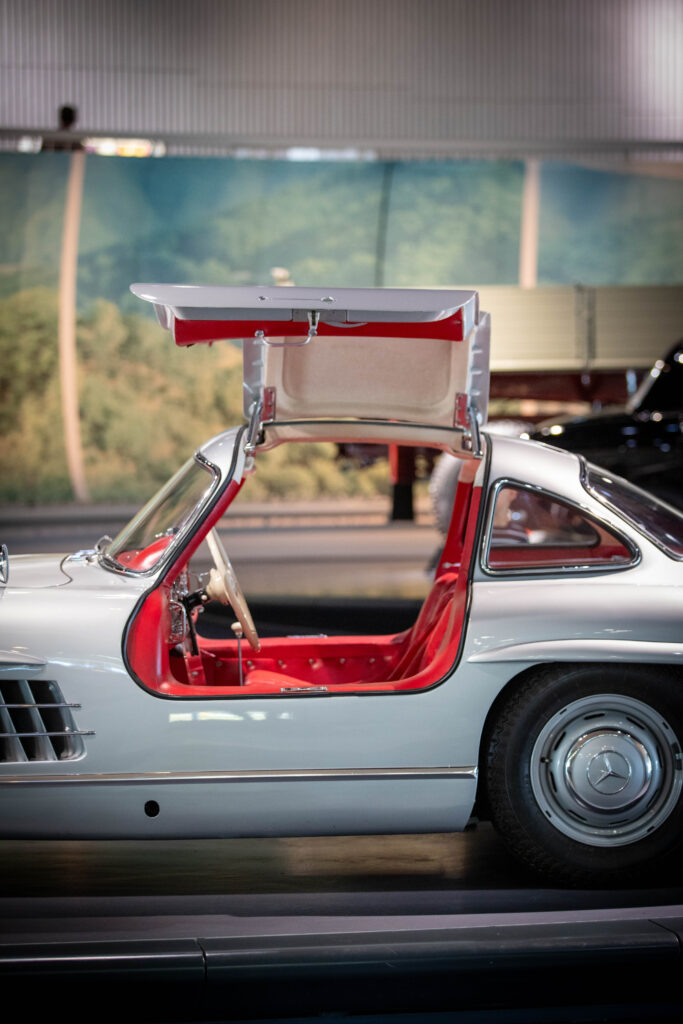
Whilst most cars weren’t to my taste, there were a handful of exceptions – the gullwing 300SL being my favourite of the non-racing cars.
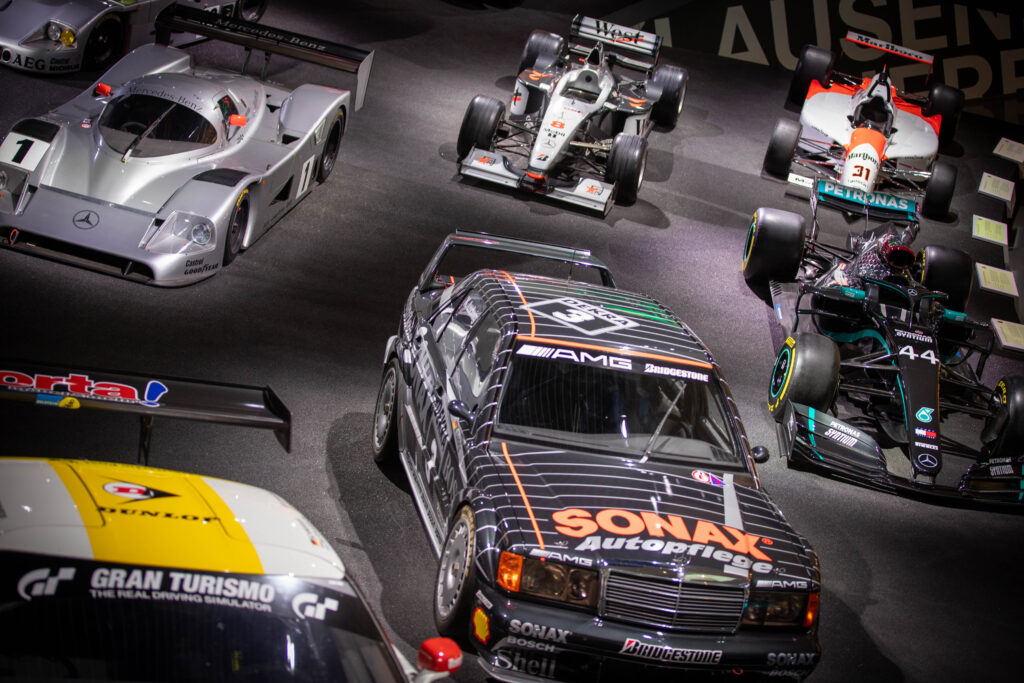
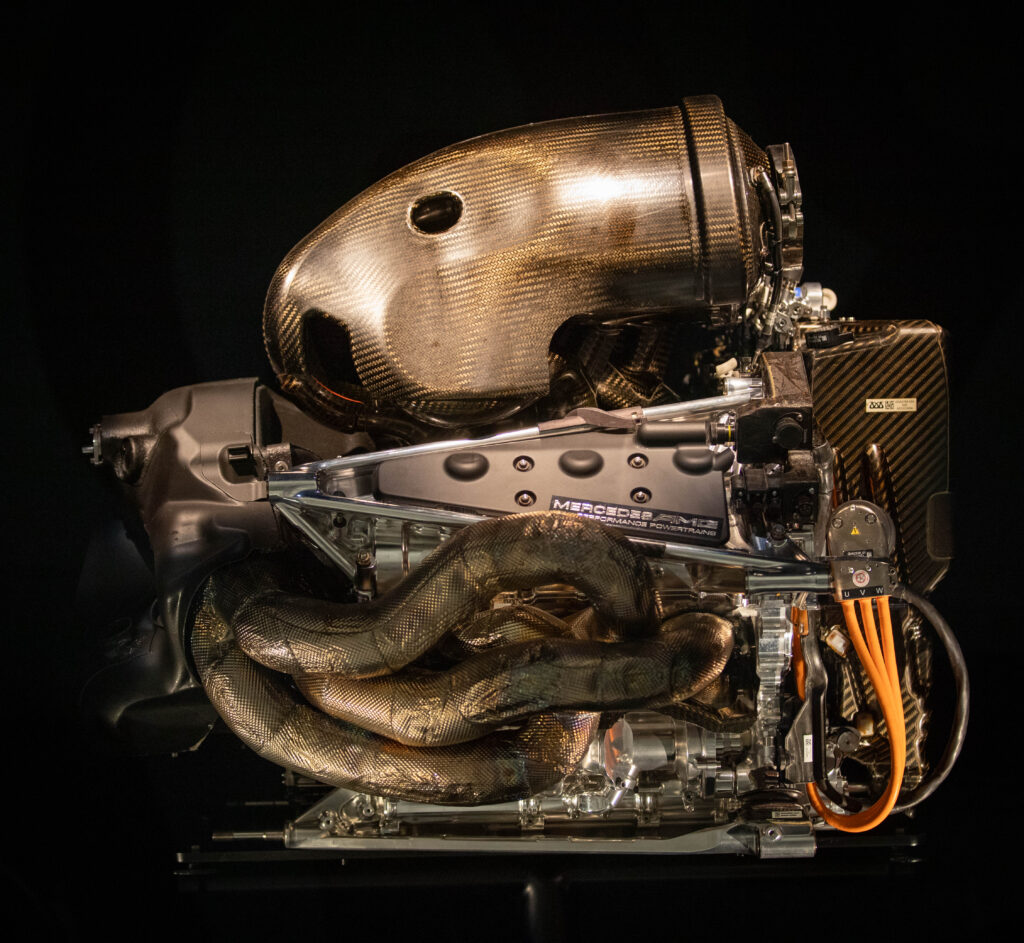
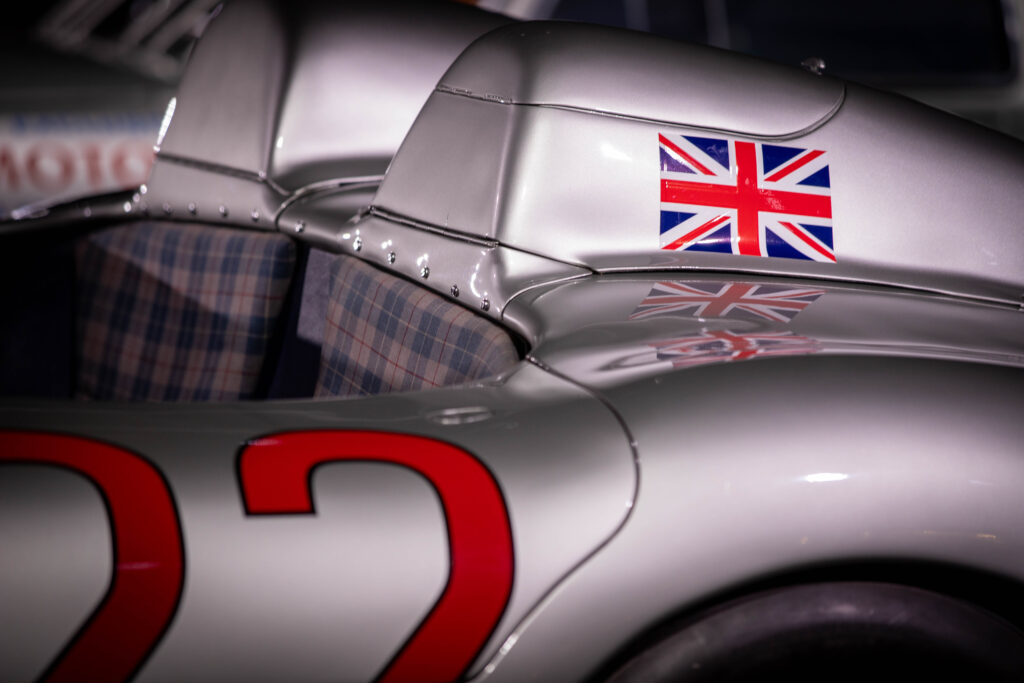
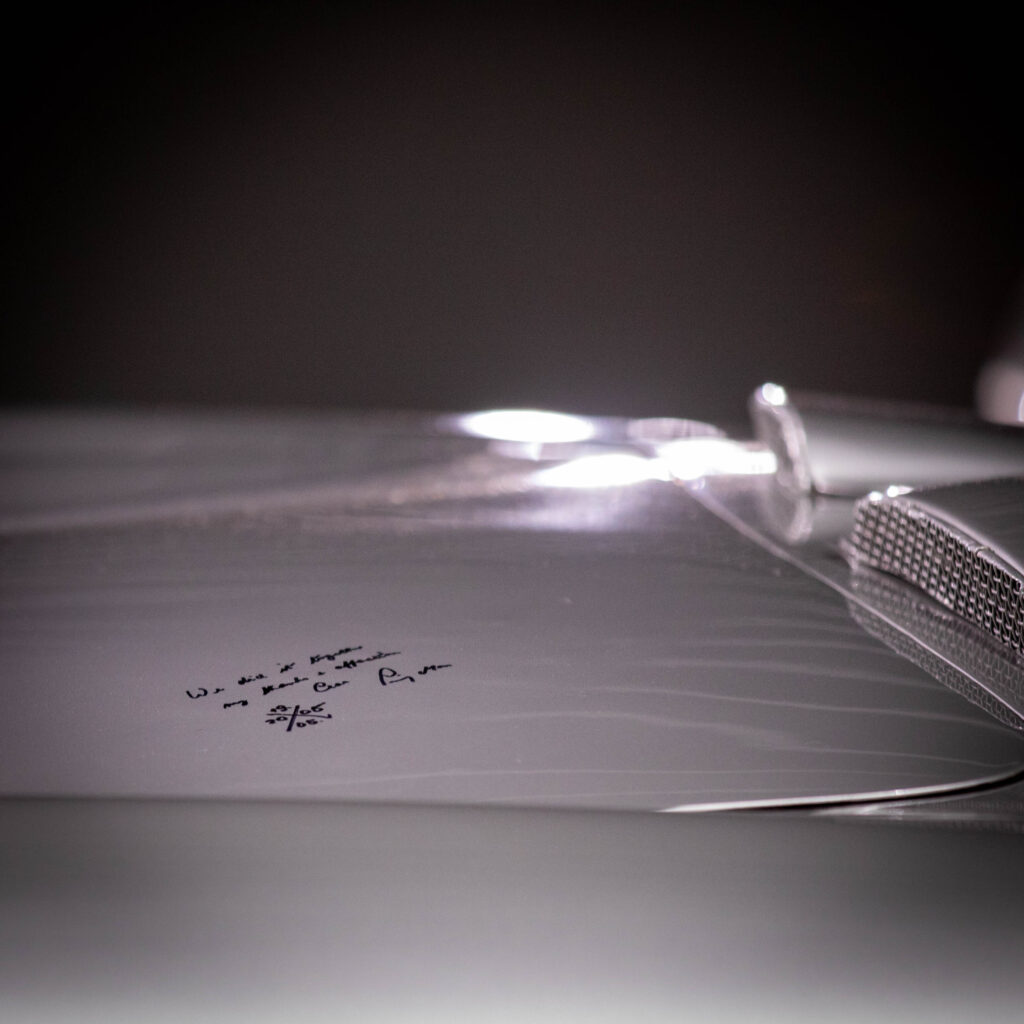
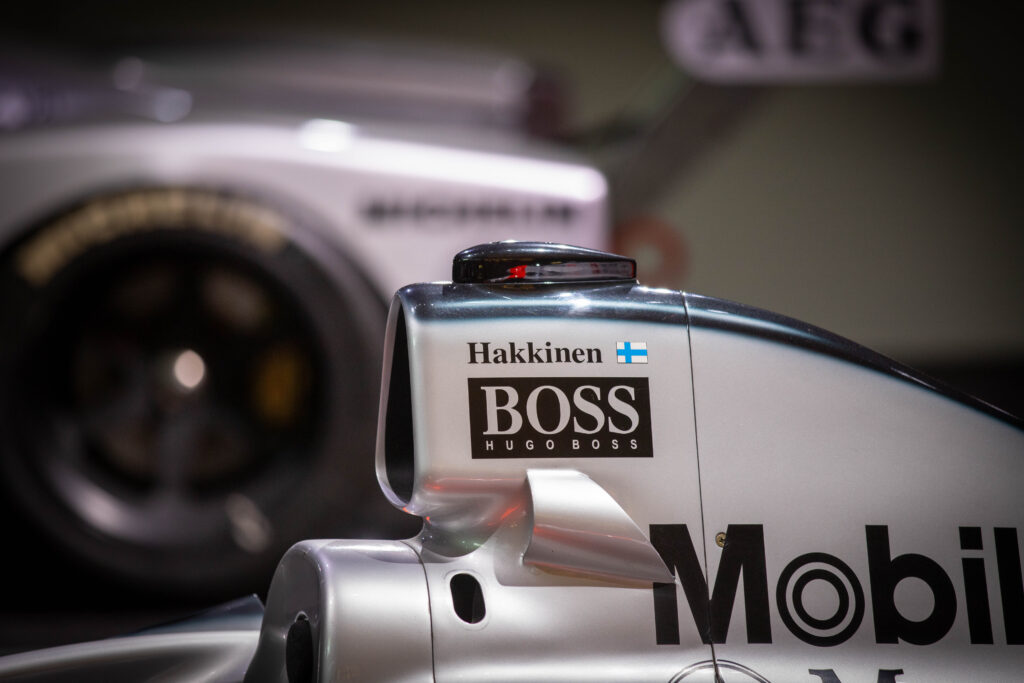
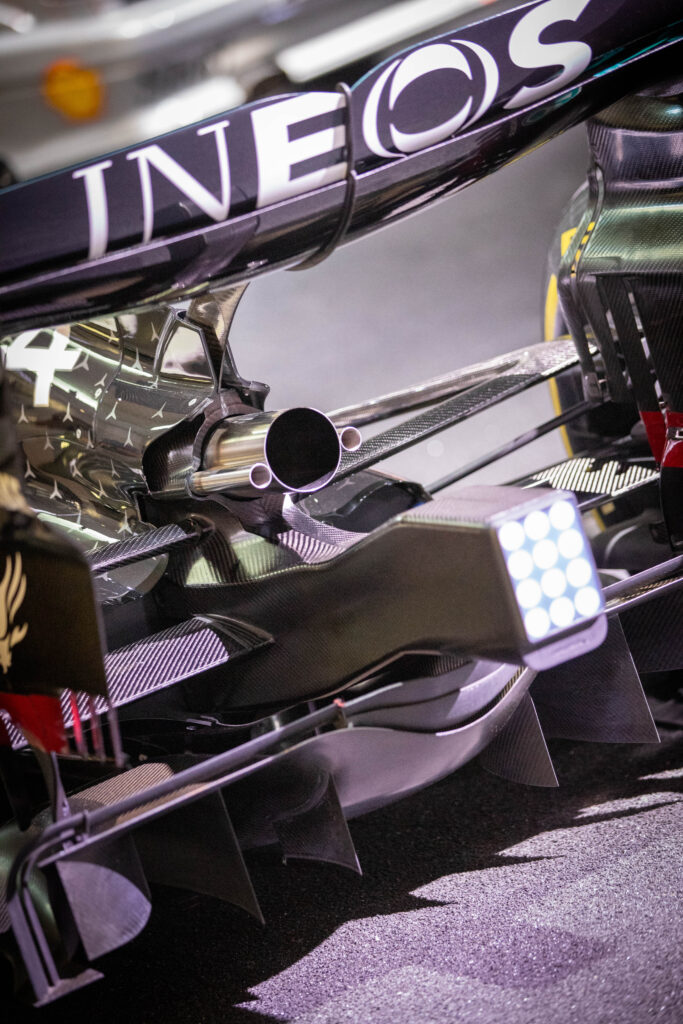
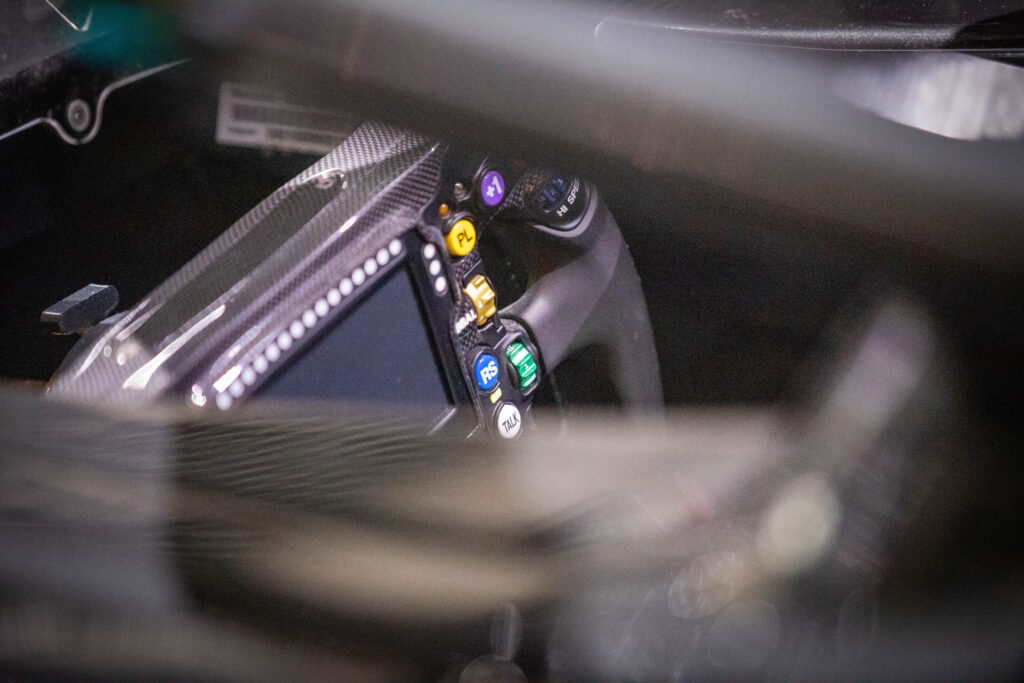
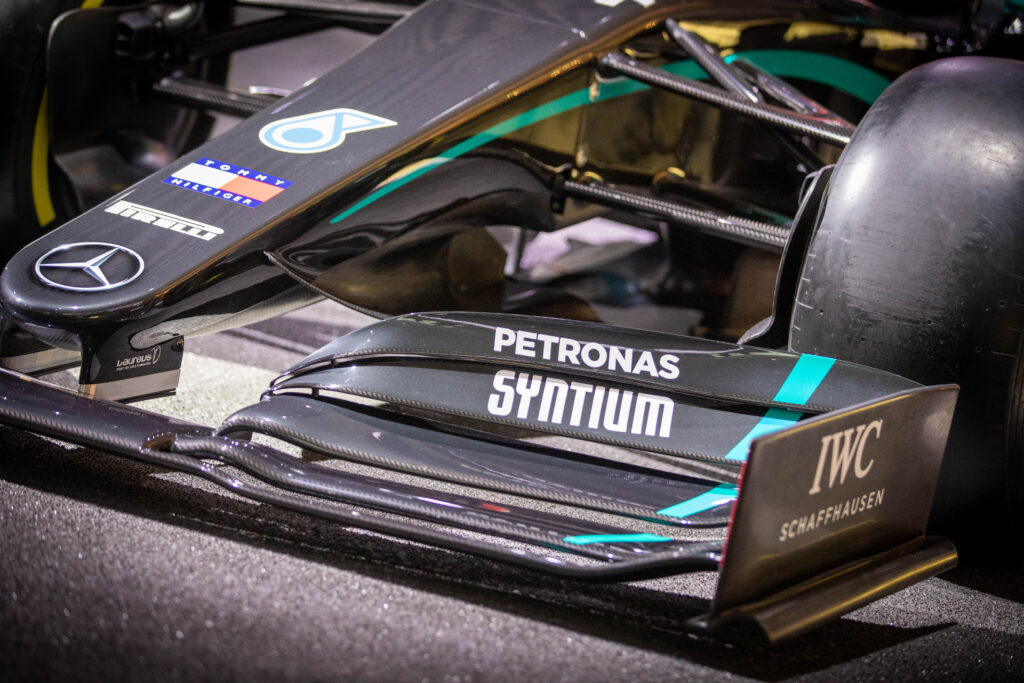
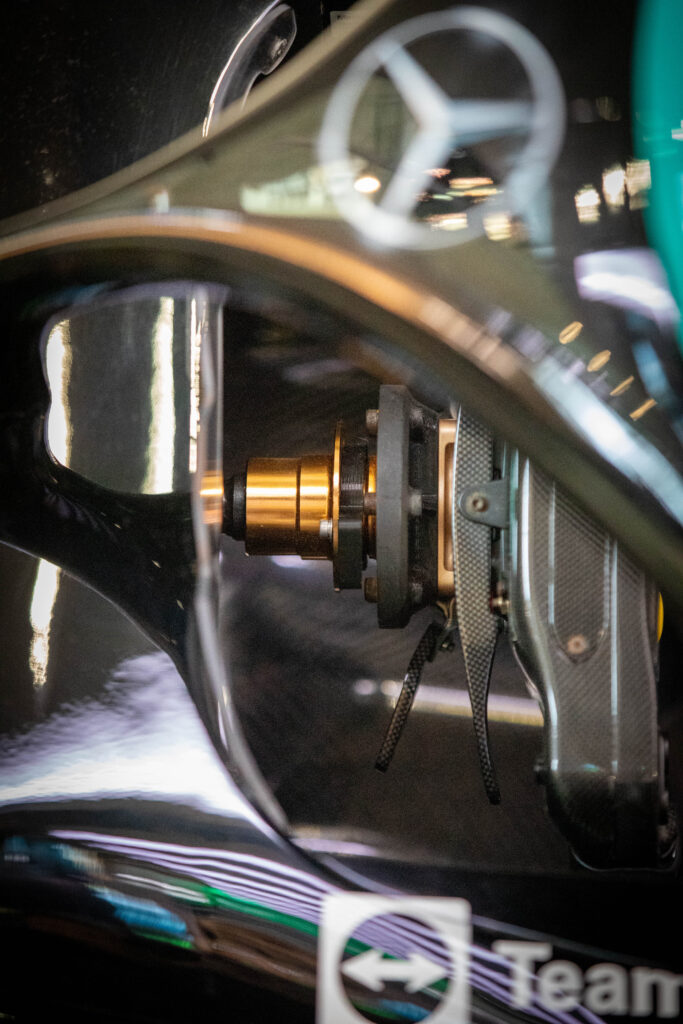
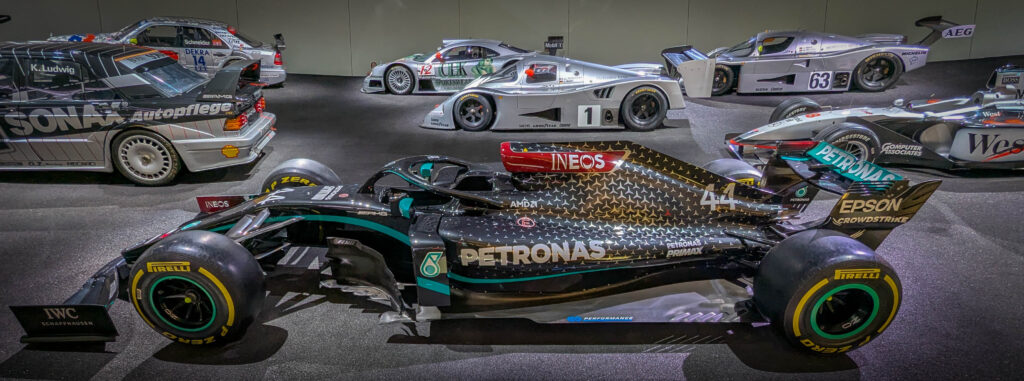
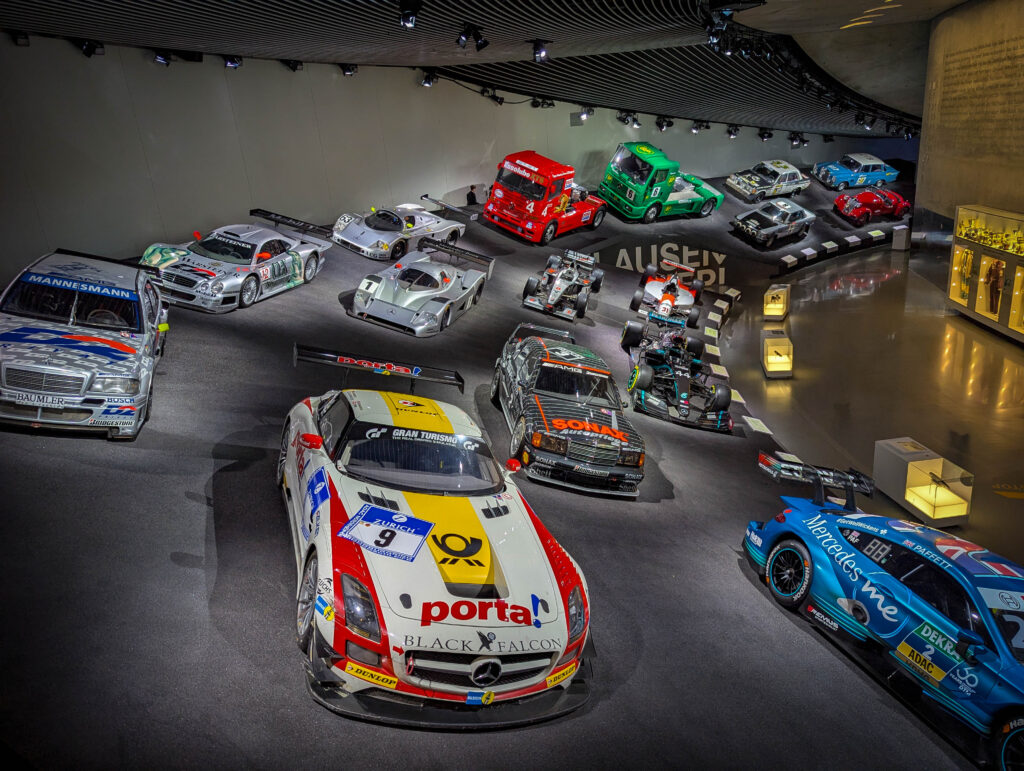
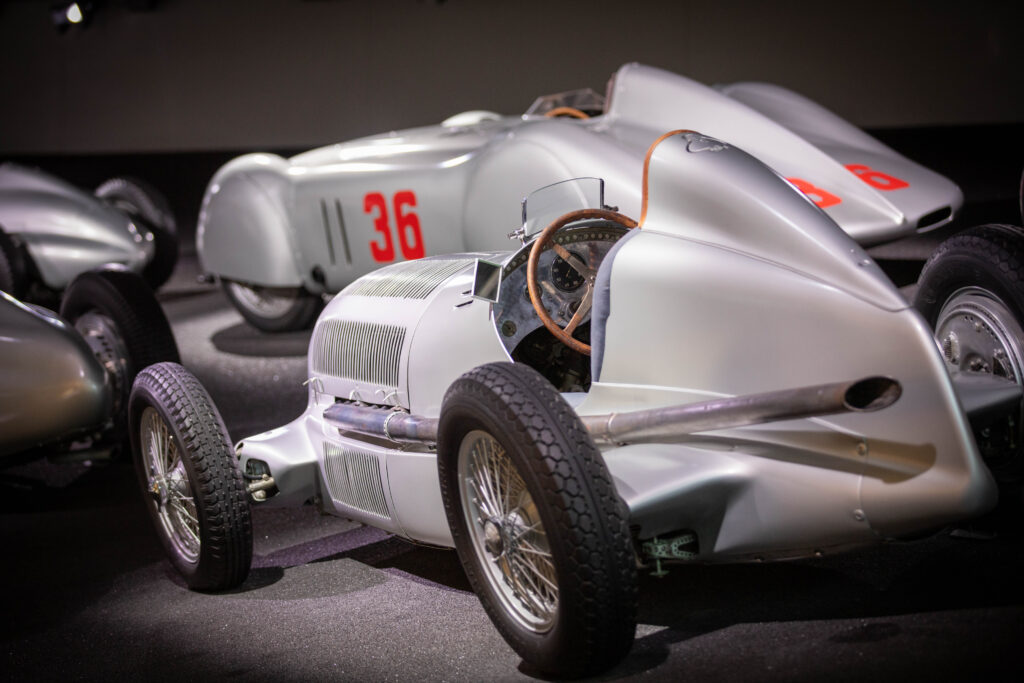
Towards the lower part of the corkscrew the exhibits changed to the racing displays, and the huge timeline of all kinds of classes of car from across the eras was visible. Pretty impressive to see how long Mercedes-Benz have been at this. There was one car which knocked all others out the park – Lewis Hamilton’s car which he drove to secure his 7th World Championship win. WOW.
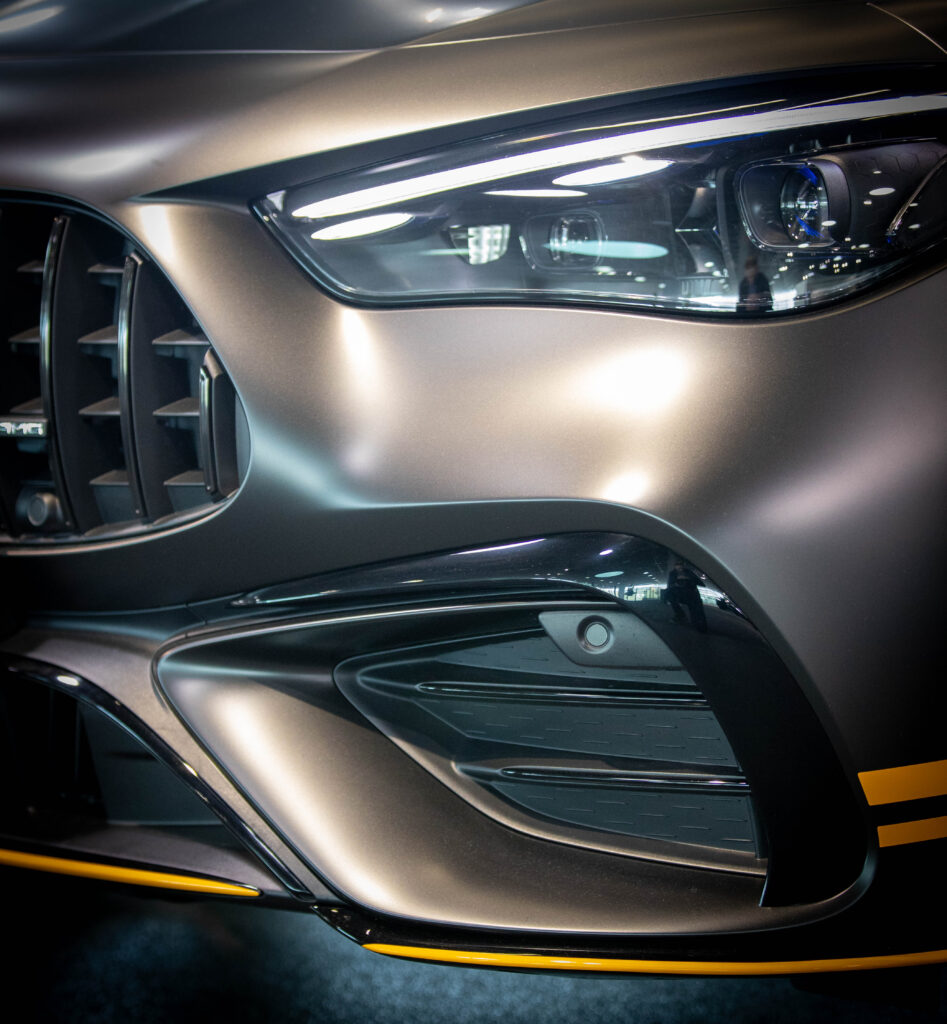
With the museum finished we headed across to what felt like a dealership, but with a lot more cars. I’m not much of a fan of their road cars, and sadly there was no AMG One on display, but there were some nice AMG cars at the top of the building which most people didn’t seem to find, but we did.
After visiting 3 car museums, Jo rated them as follows – the French National museum got a 4, Porsche a 6 and Mercedes-Benz an 8. The Porsche factory tour got a 9 out of 10. Not as bad as I feared!
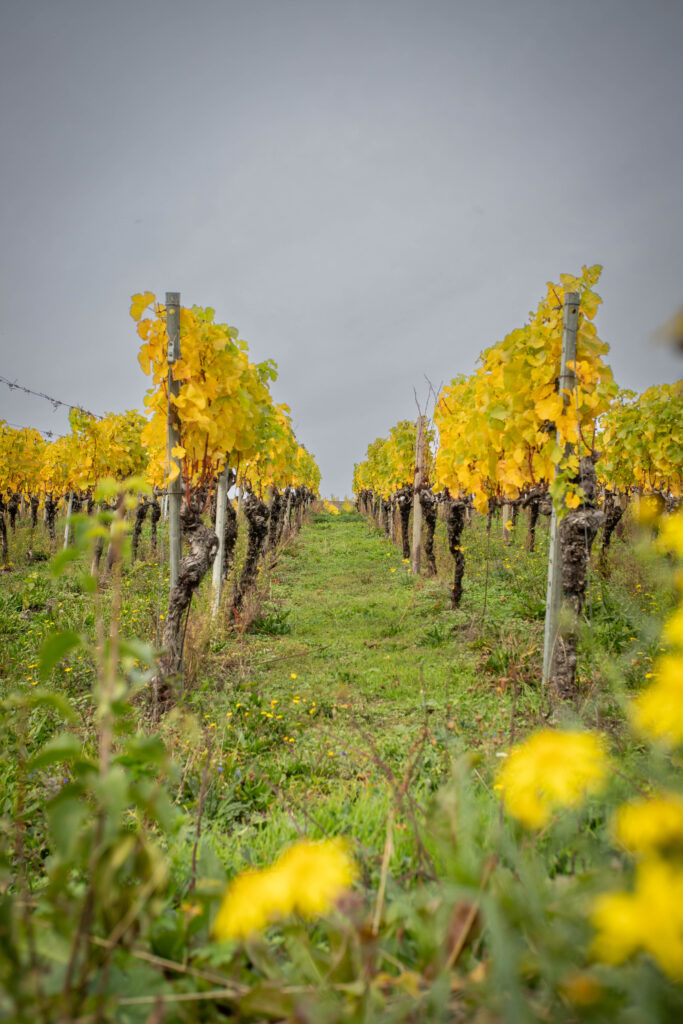
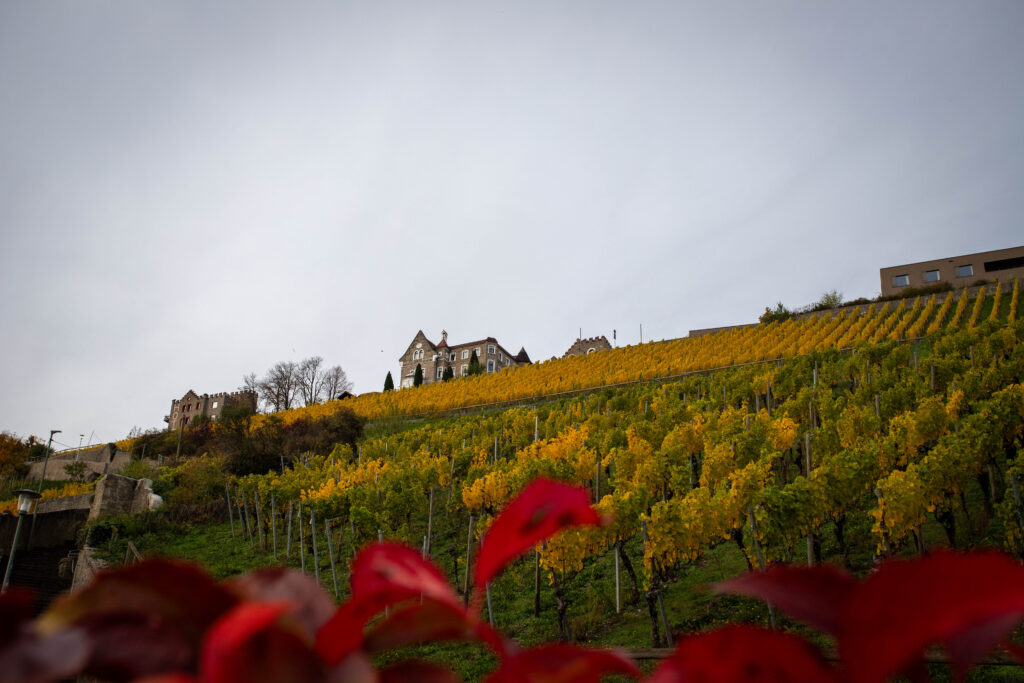
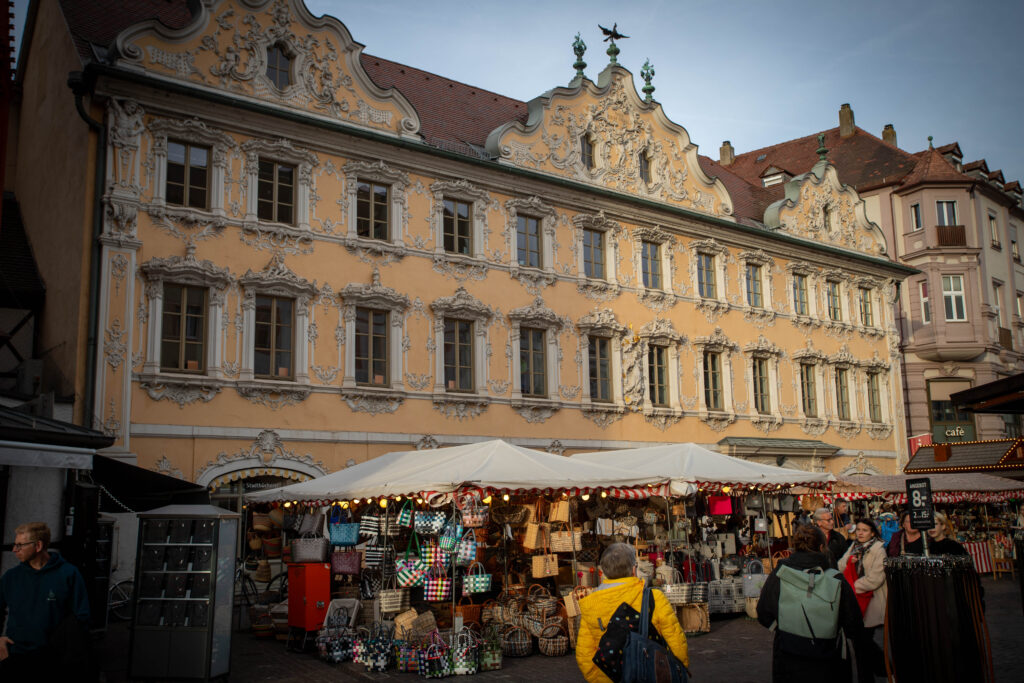
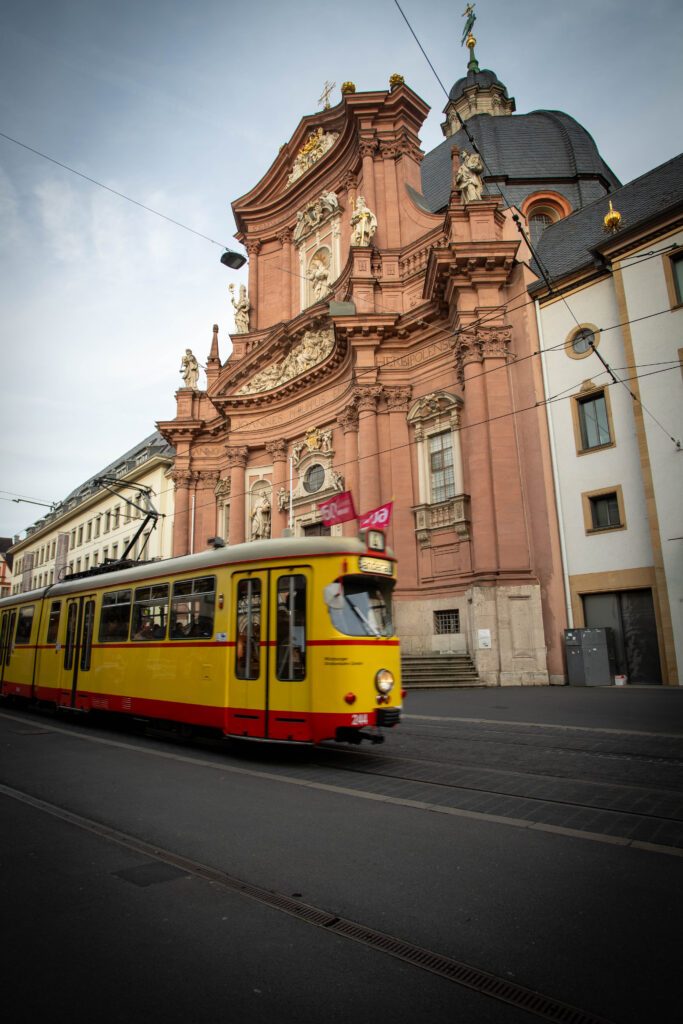
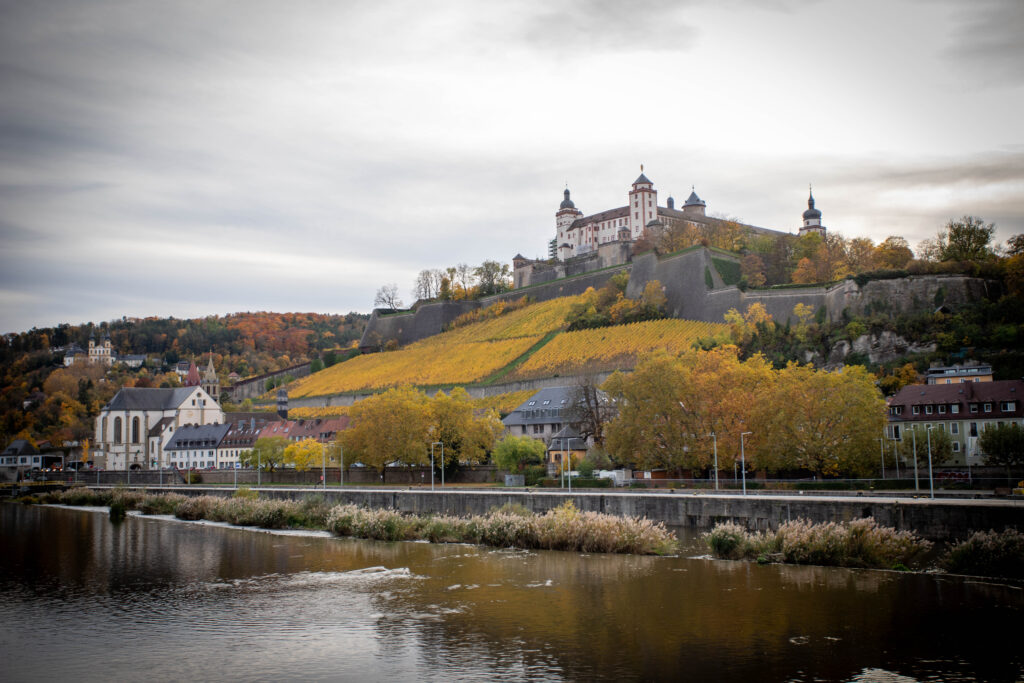
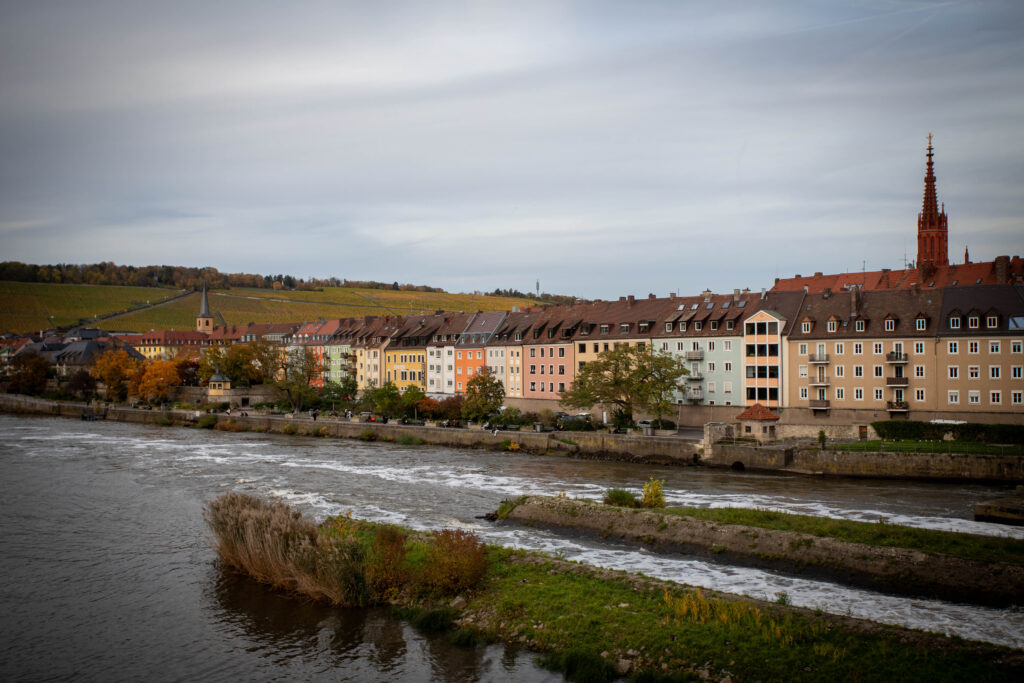
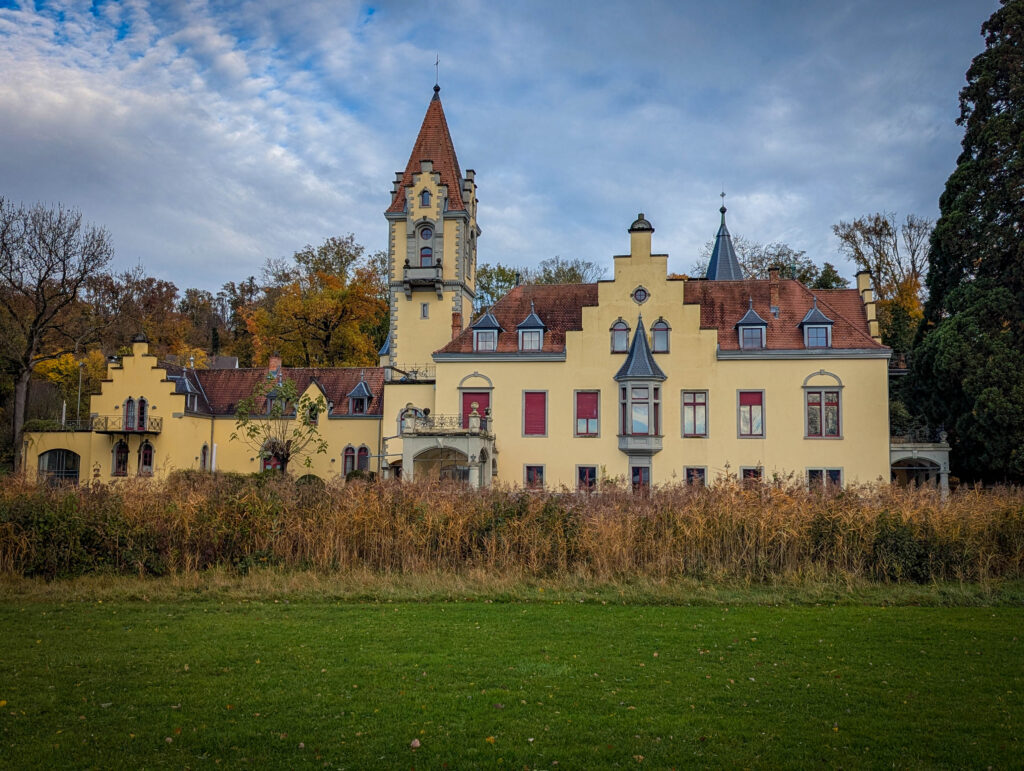
Time for our drive to Wurzburg. It’s meant to be a very pretty city in Bavaria, but on arrival we saw only the heavy industry we’ve seen across most of our time in Germany. And lots of traffic. It took a while to get across the city and up through narrow roads to our hilltop castle hotel, Schlosshotel Steinburg, but once there the industry and busy roads were behind us and we were perched above and around huge vineyards. The view over the city was expansive.
The hotel itself was a castle with a few added wings, some modern, some less so, but contained numerous small, secluded staircases, wooden panelling, lots of interesting doors, and suits of armour. A very interesting place. Our room was at the front of the hotel with a big balcony and view overlooking the city – I believe it was their best room (not sure how I booked that!)
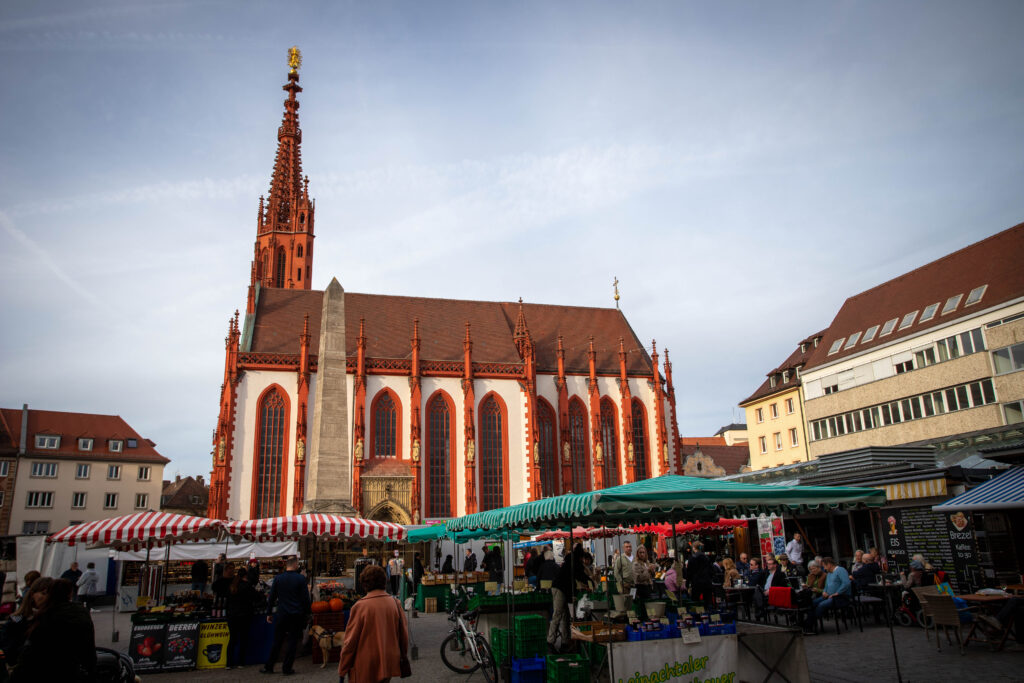
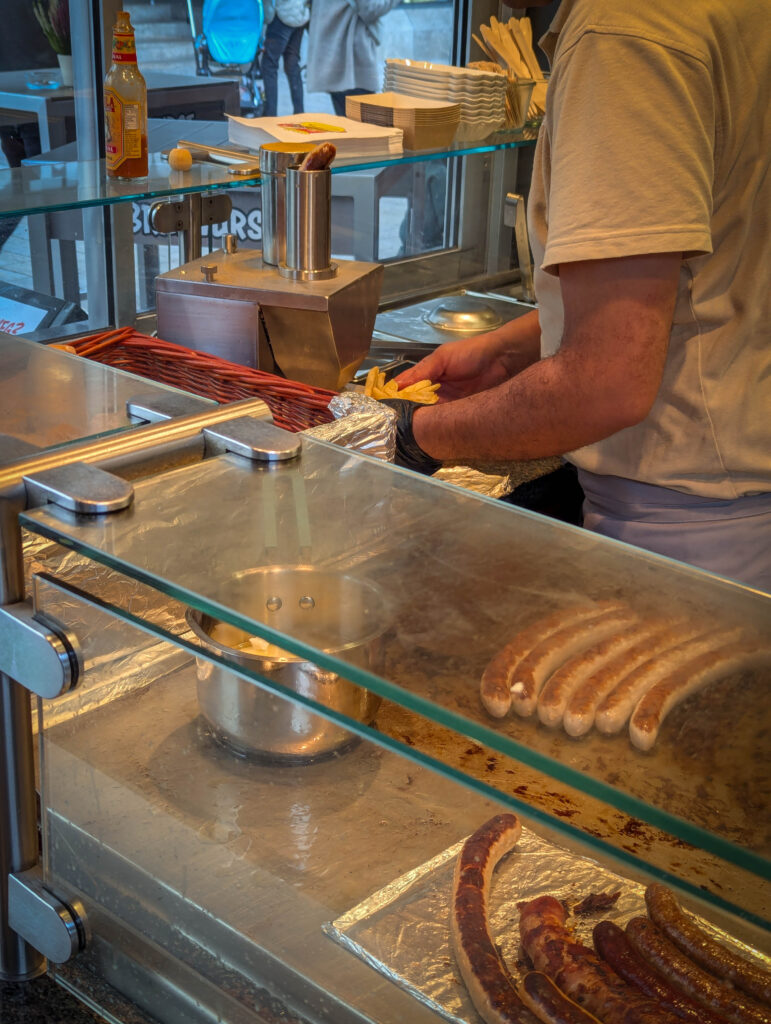
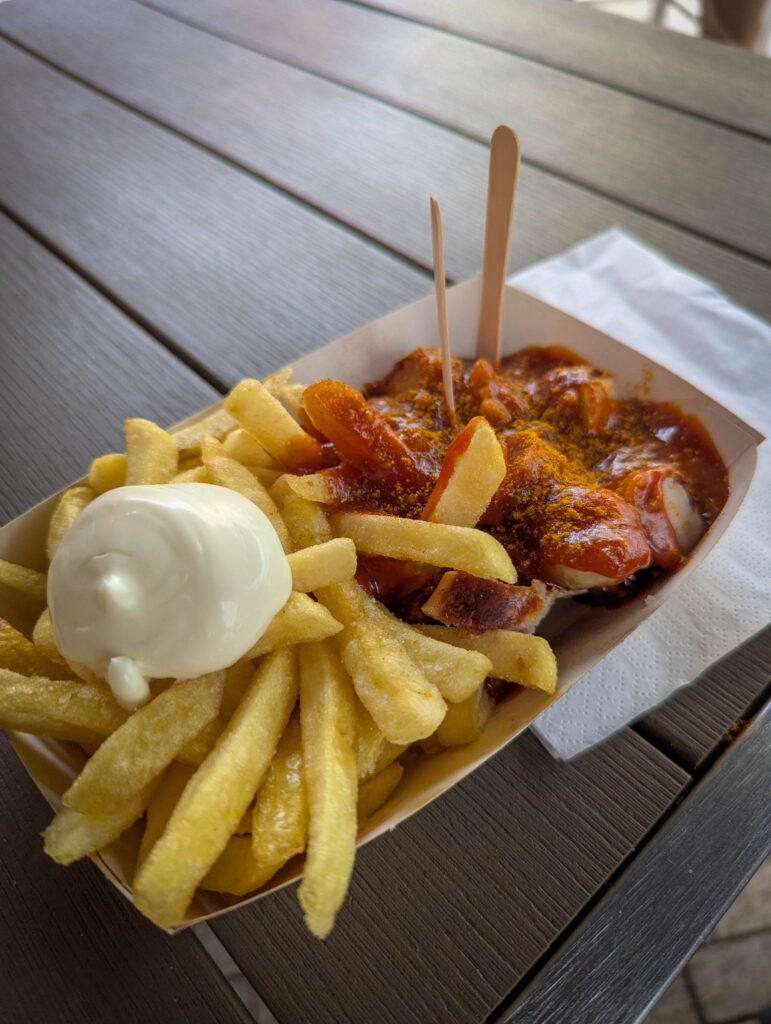
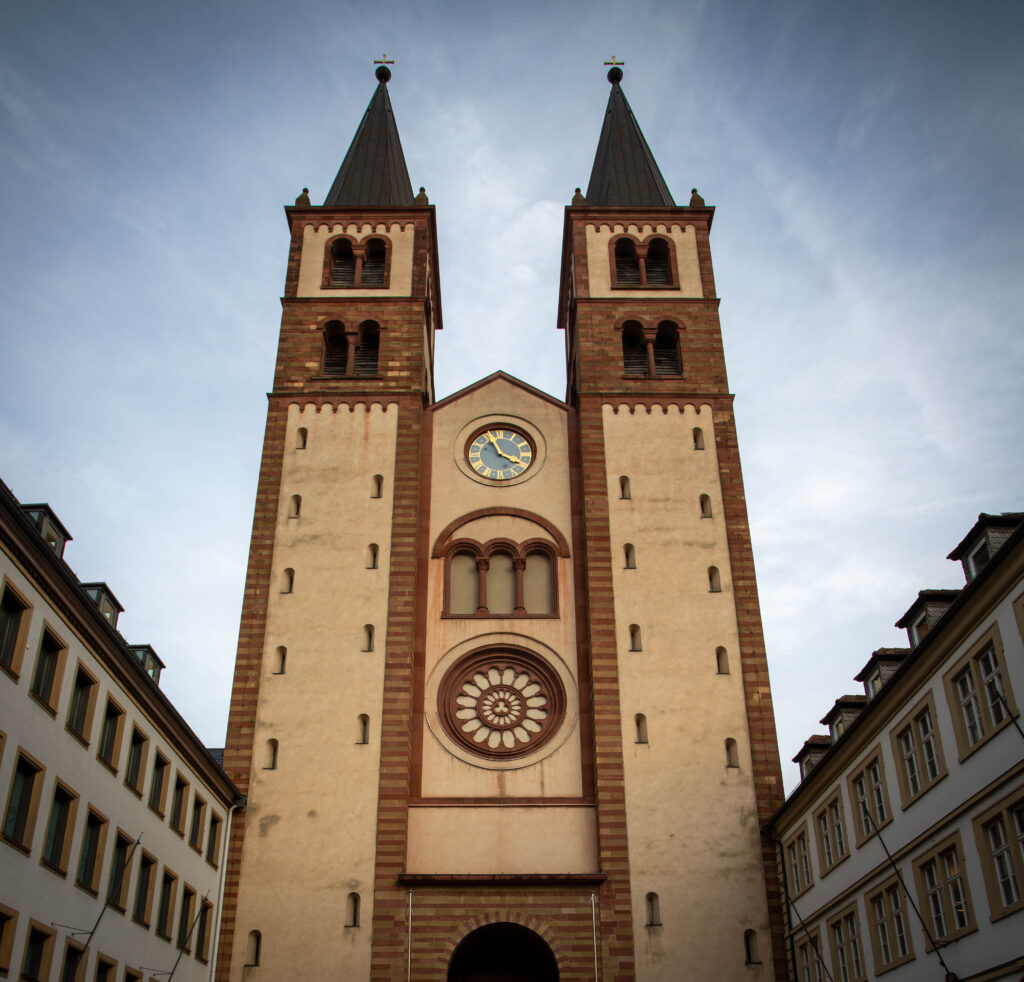
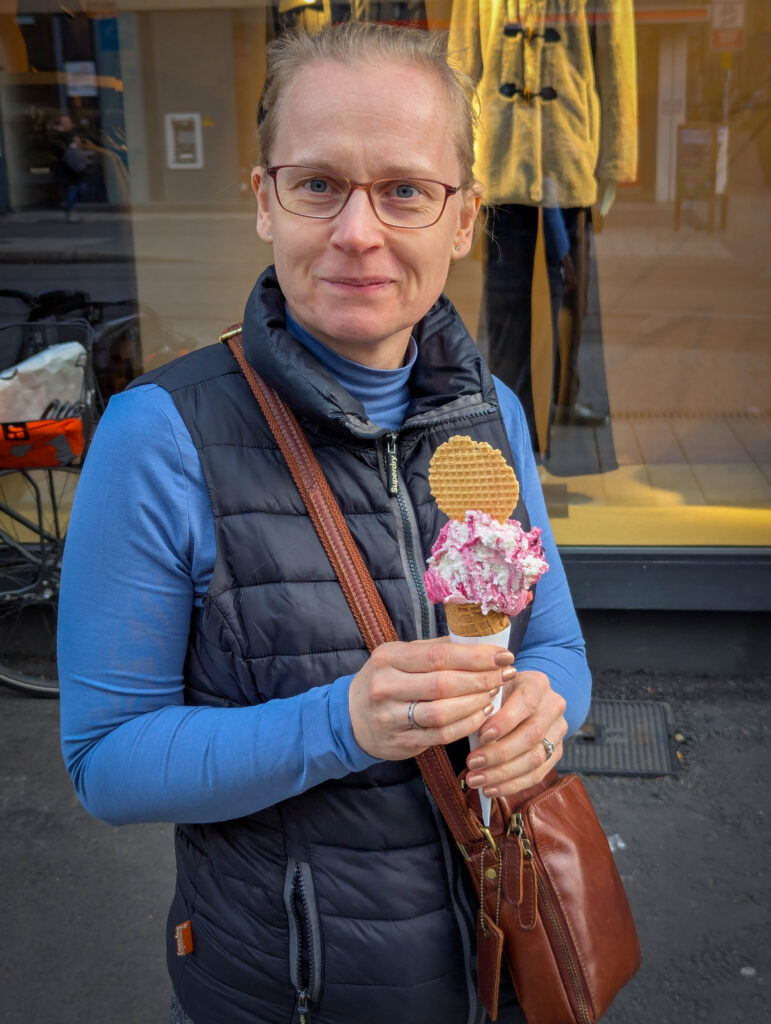
Once unpacked we headed out for a walk, down the hill, through vineyards and eventually onto busy streets. The older part of the city was our target, but none of it felt like the pretty city advertised. Of course, once in the market we sampled Currywurst mit Pomme Frites, and a cherry ice cream, all of which cost us less than €10 – absolute bargain!
We didn’t like the idea of the walk back up the hill, so elected to call an Uber. Turns out the Uber didn’t know where the hotel was nor felt happy to follow his sat-nav (which was correct in its directions), but we didn’t let him dump us at the bottom and eventually we got to the hotel. He wasn’t being awkward, just unsure where he had to go!
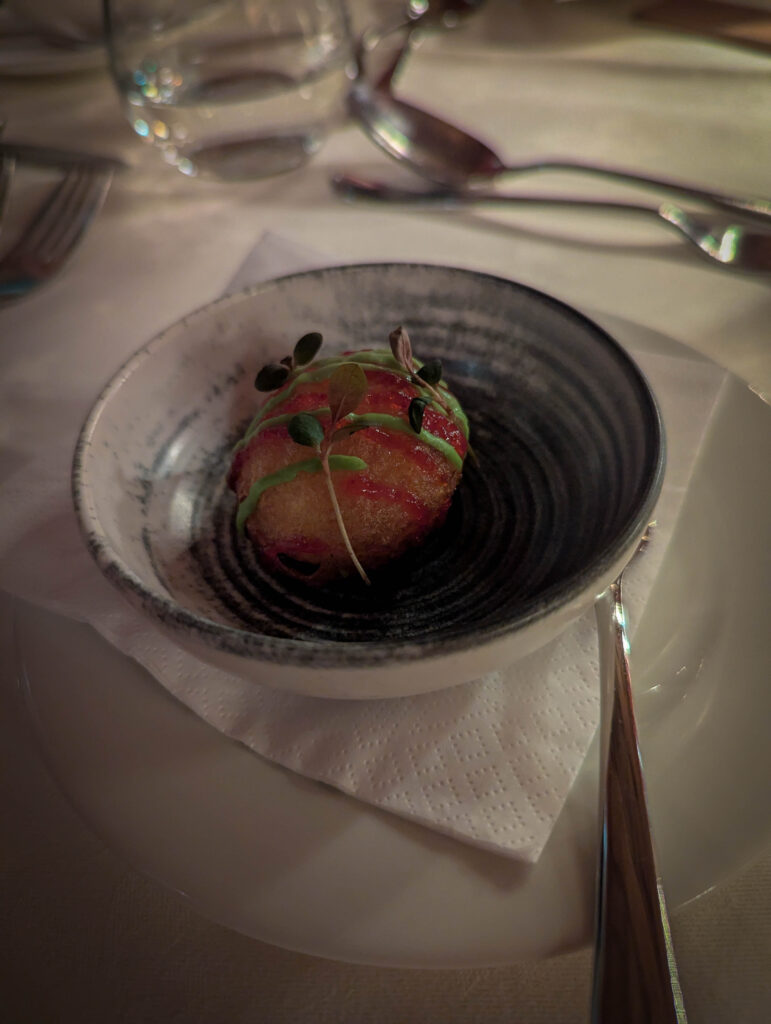
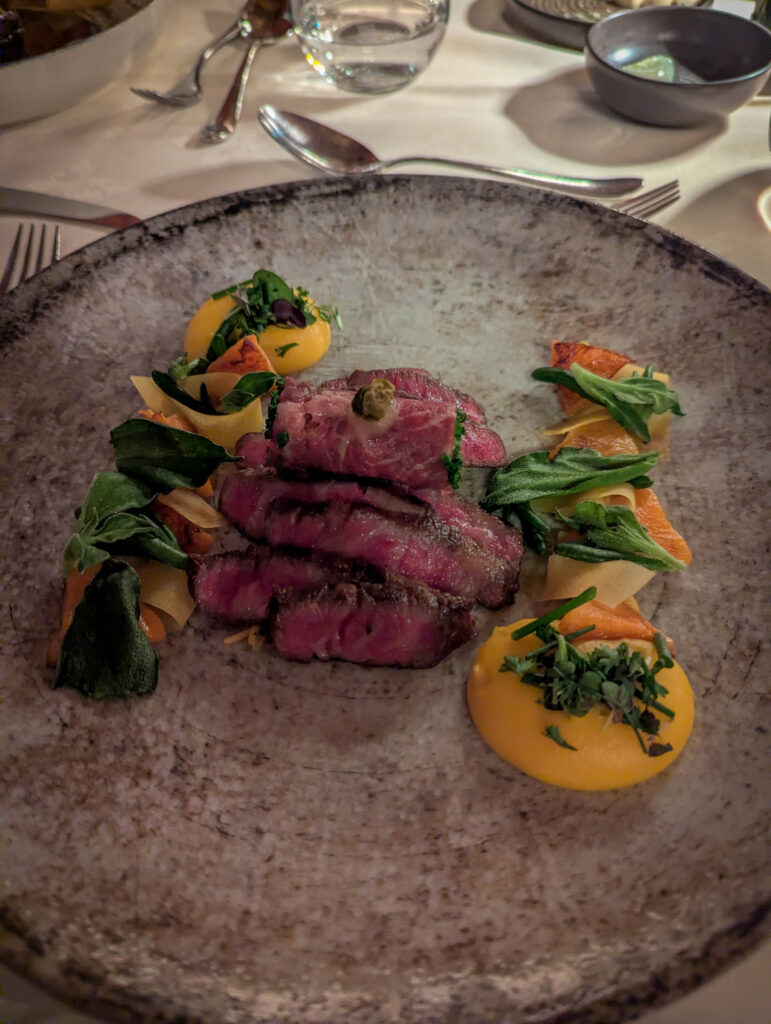
Then dinner. We chose to eat in the hotel because a) the walk back down the hill wasn’t wanted, and b) their restaurant has a good reputation. And it’s a proper fancy restaurant. People were generally dressed up (something we’ve not really seen anywhere this holiday) and the waiting staff were obviously well trained in how to treat guests – from the waiter pulling Jo’s chair out for her, to allowing you to taste various wines before committing. The menu was simple – 3, 4, 5 or 6 courses, from a selection of around a dozen dishes. You could eat them in any order, and have anything – 3 desserts if you chose.
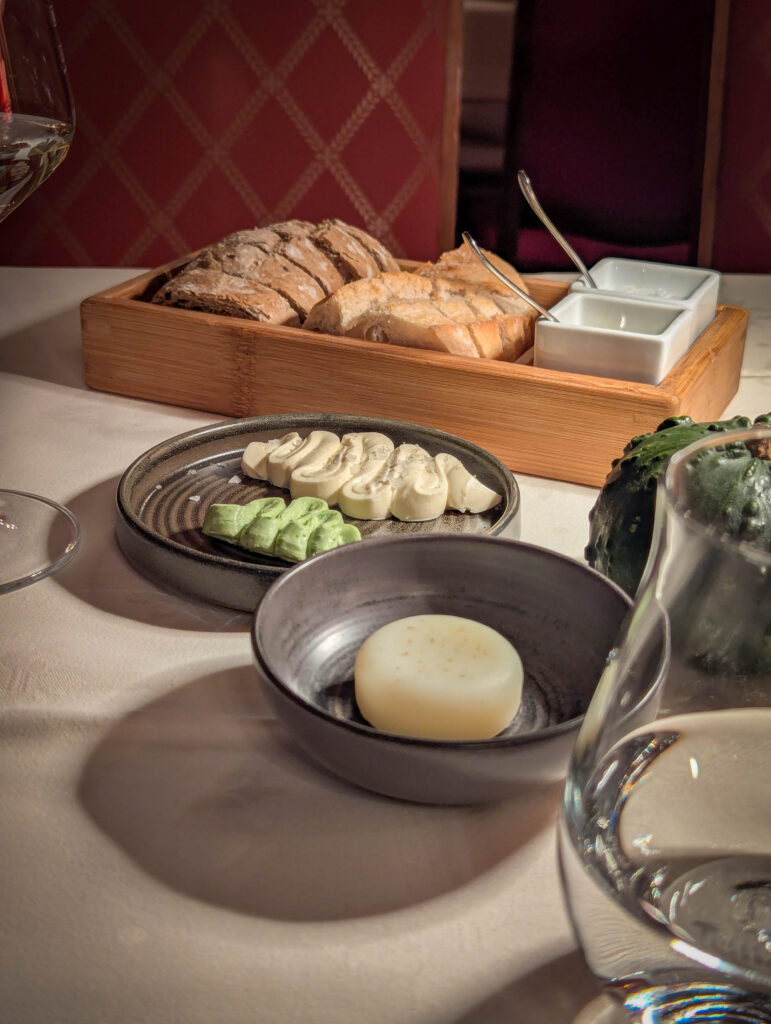
We opted for 3 courses (still not that hungry and eating out 100% of the time means little space for excessive quantities) and a different glass of wine each, but both from local grapes grown in the vineyards we could see from our bedroom balcony. Mine was a bit like a Sauvignon Blanc, Jo’s much sweeter like a sherry. The food began with a “welcome from the kitchen”….then another “welcome from the kitchen”, then our choices, followed by a “thankyou from the kitchen”. In between there was bread with amongst other hand made spreads some lard – which was fantastic.
Overall, by far the best meal we’d had this holiday – exquisite food, even if it cost an eye-watering amount.
The plan for day eleven was hatched on April 1st at 8:10am. I was online at 8am when tickets for the Porsche museum for the 3 months commencing 1st October became available for purchase, and secured them 10 minutes later. Our 1 hour tour slot was at 3:30pm, to give us plenty of time to travel from Konstanz to Stuttgart, which in hindsight was the perfect time.
We woke up to blue skies and no wind, so the postponed run from the day before happened – a run along the lakeside past a wide variety of hotels and houses, through a forest and into a small park – and back. The lake wasn’t particularly deep by the shoreline, and the water crystal clear.
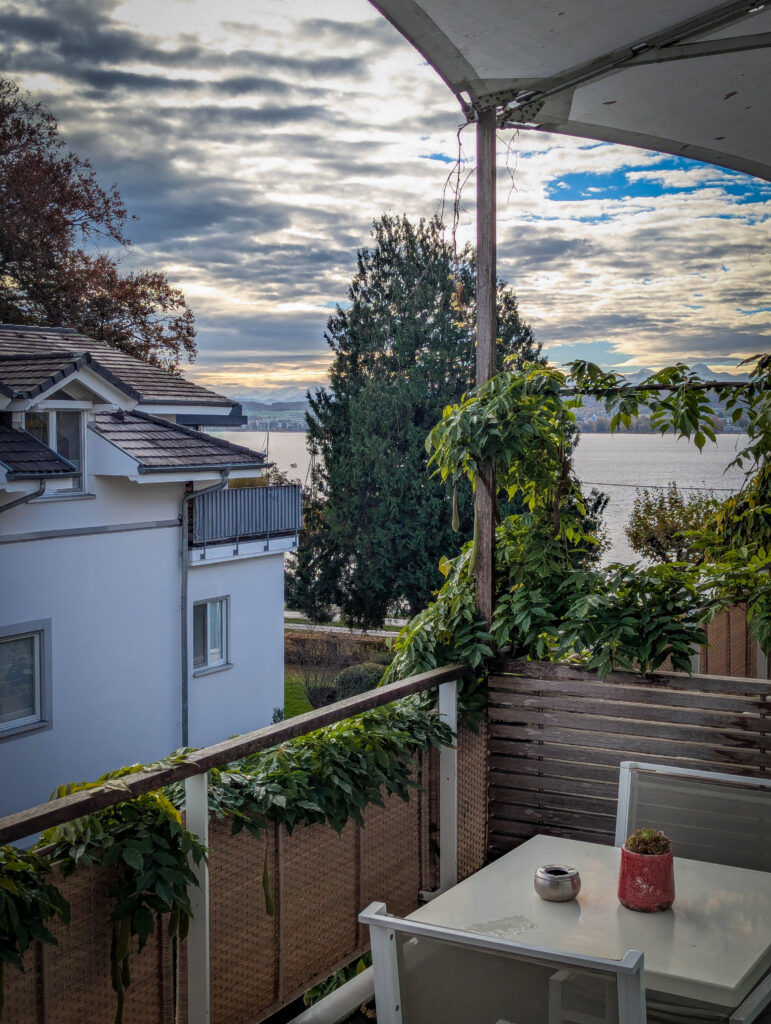
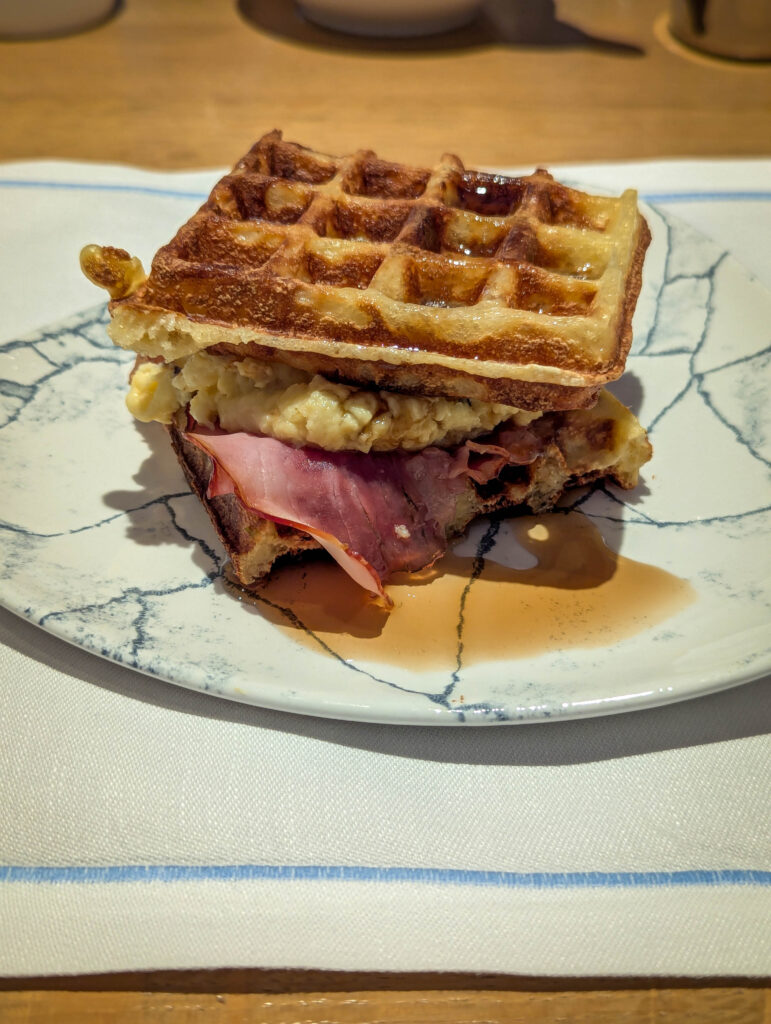
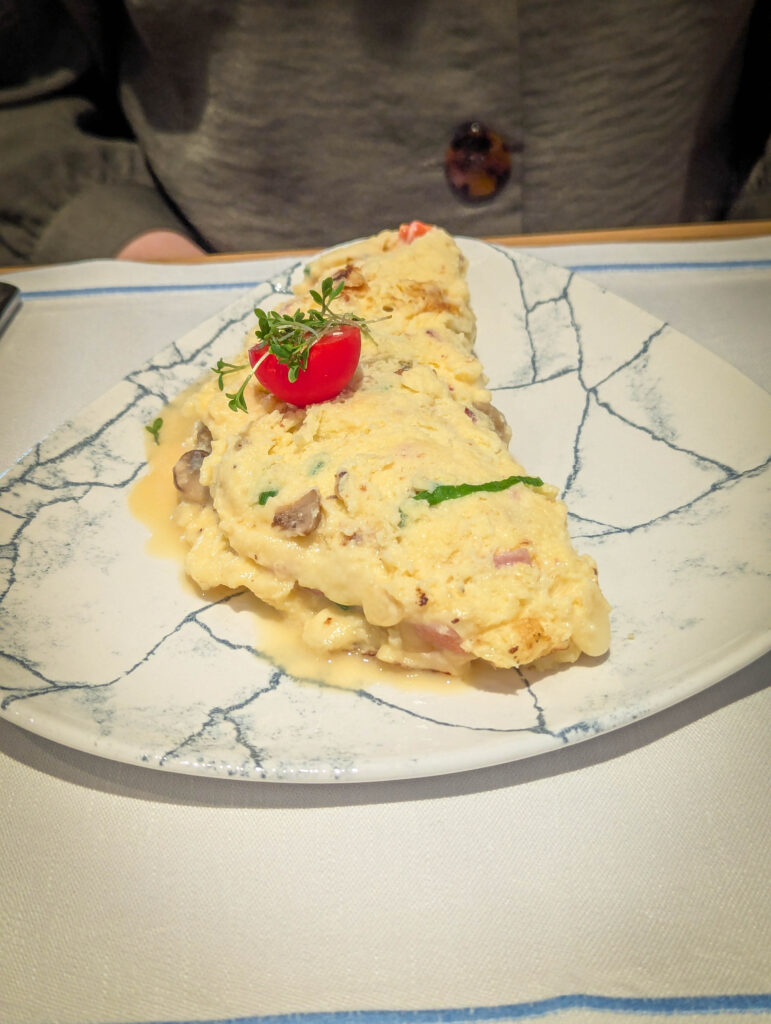
We returned to the hotel for a shower, and finally saw the view from our room with skies clear of rain. Not an unobscured view of the lake, but you could see the lake well enough from our private balcony. Breakfast was a near repeat of the day before, this time we ordered a waffle-bacon-egg sandwich and an omelette. Both excellent. Coffee still poor, but Jo’s vanilla Roibos tea was apparently very good. Jo also collected some sweets for the journey.
From Konstanz it was motorway nearly the whole way, and more exciting was that sections were unrestricted Autobahn. Unsure of when the speed limit was removed, Jo used Google to find the signs we should be looking for (5 diagonal black lines through the speed limit for the section you have just exited). When we thought we were good to go, we used other cars as indicators to signal the push to V-max (well, not V-max as that would kill our winter tyres which were labelled as being limited to just over 140mph).
The road was 2 lanes wide with numerous lorries and slower cars, so we were careful to use longer, straighter sections to build up speed. Past lorries I slowed so as to avoid being sucked sidewards, and if cars looked like they were coming up behind slower traffic I eased off until I knew how close they were (things come up pretty quick at >100mph. In the end we had a few attempts at faster runs and hit 210km/h – that’s just over 130mph. Having been that speed, settling at 100mph felt quite comfortable. The Macan was coping well and was still accelerating at 210km/h, but of course a car of that design isn’t really shaped to go much faster, nor did I want to push the winter tyres too hard. We’ll just need to return with something faster!
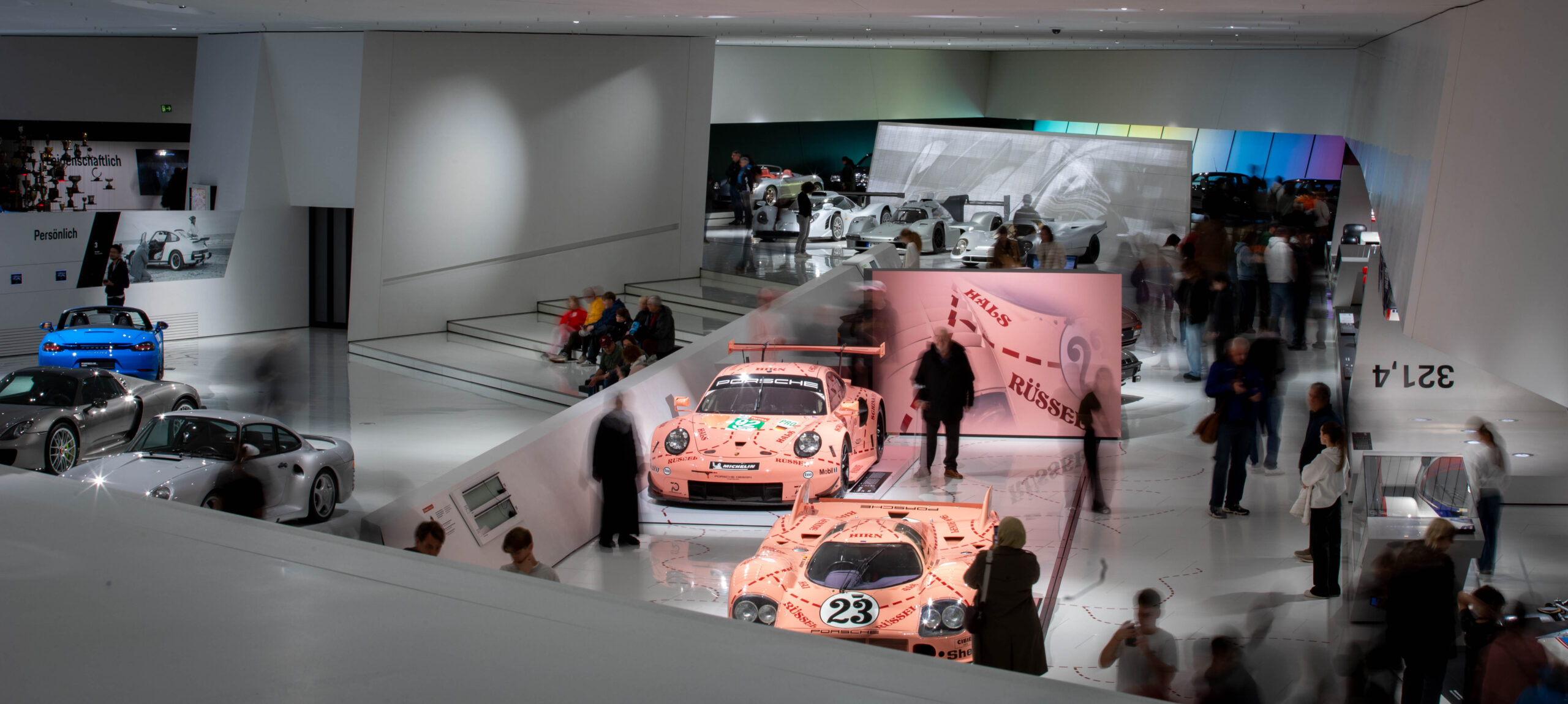
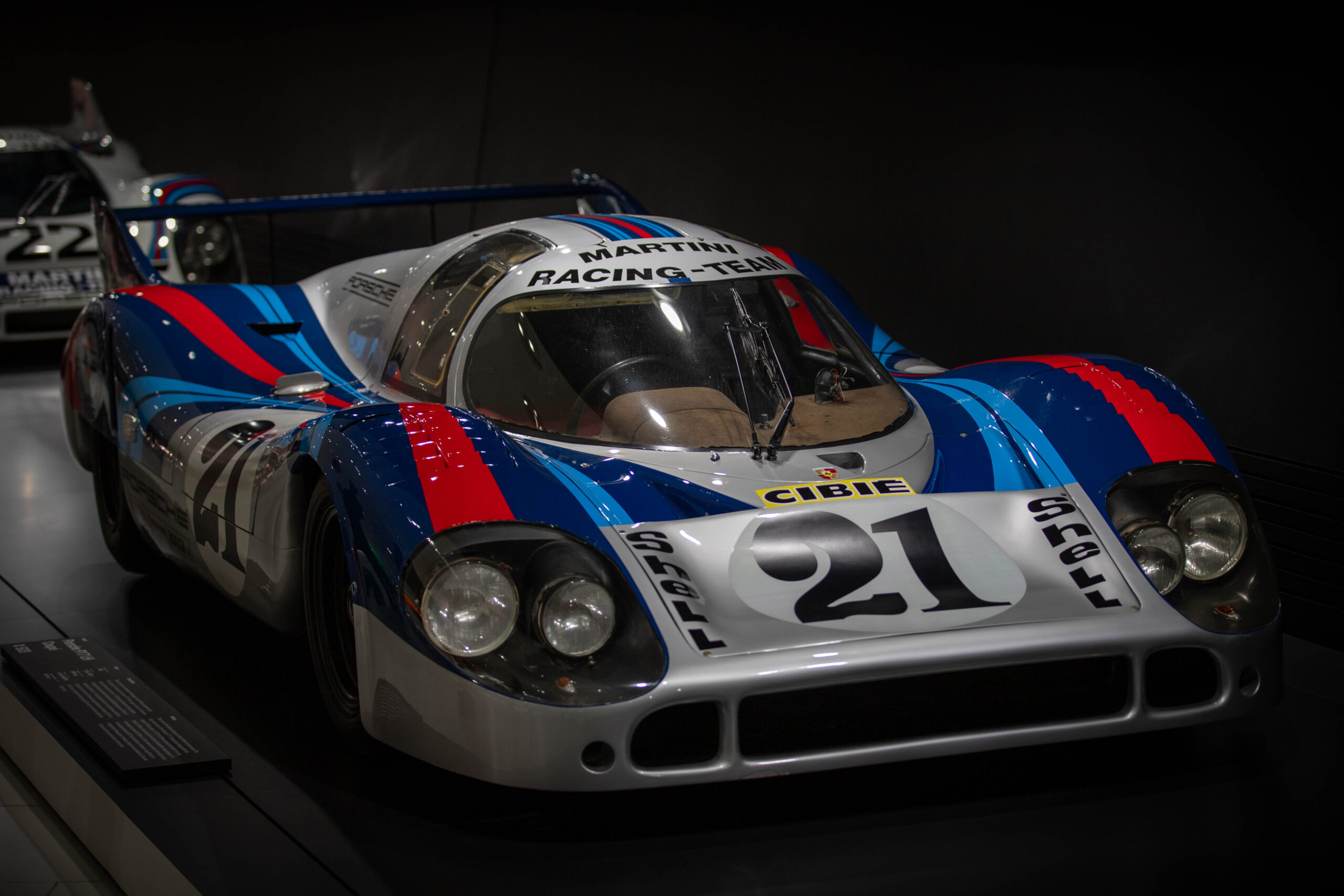
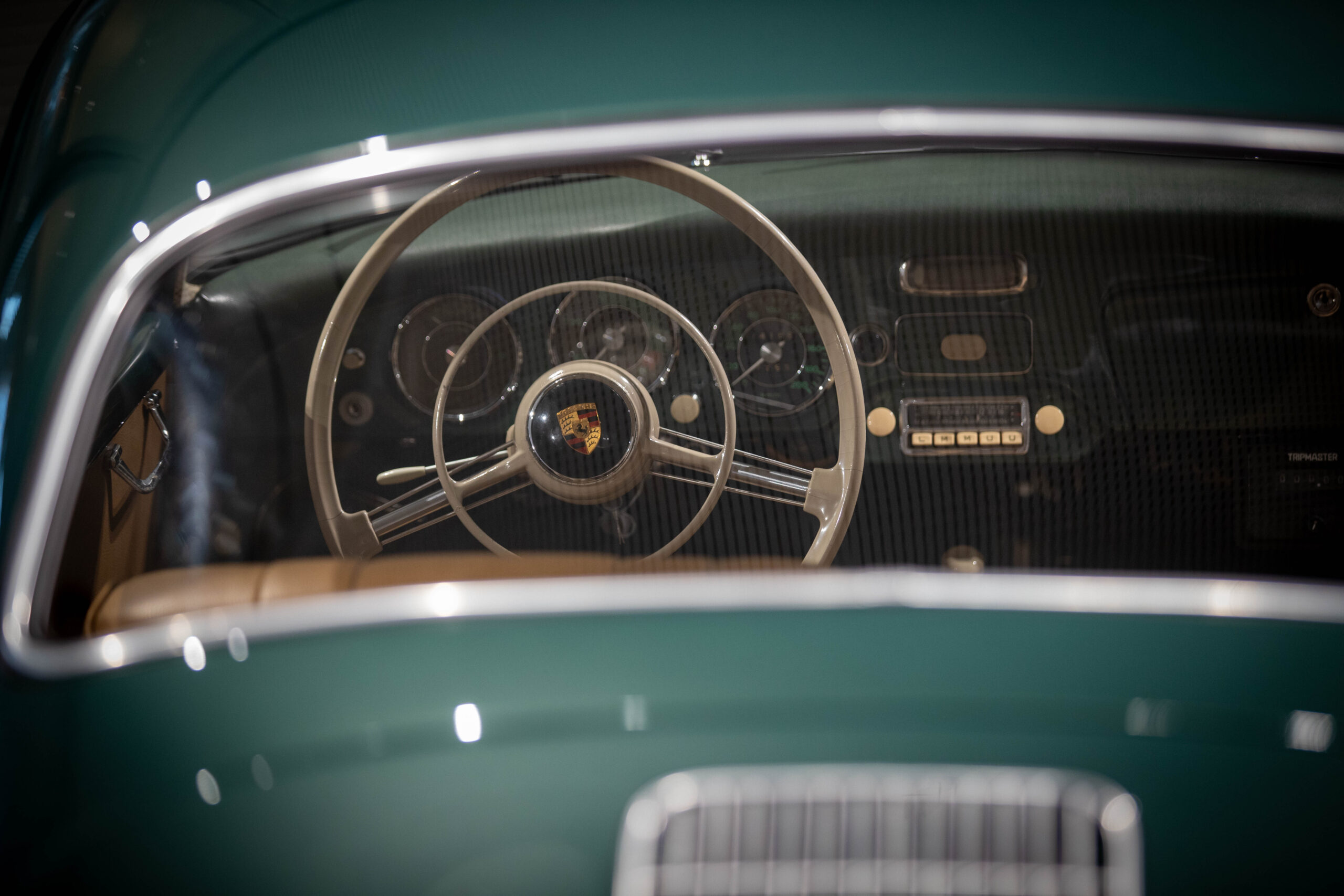
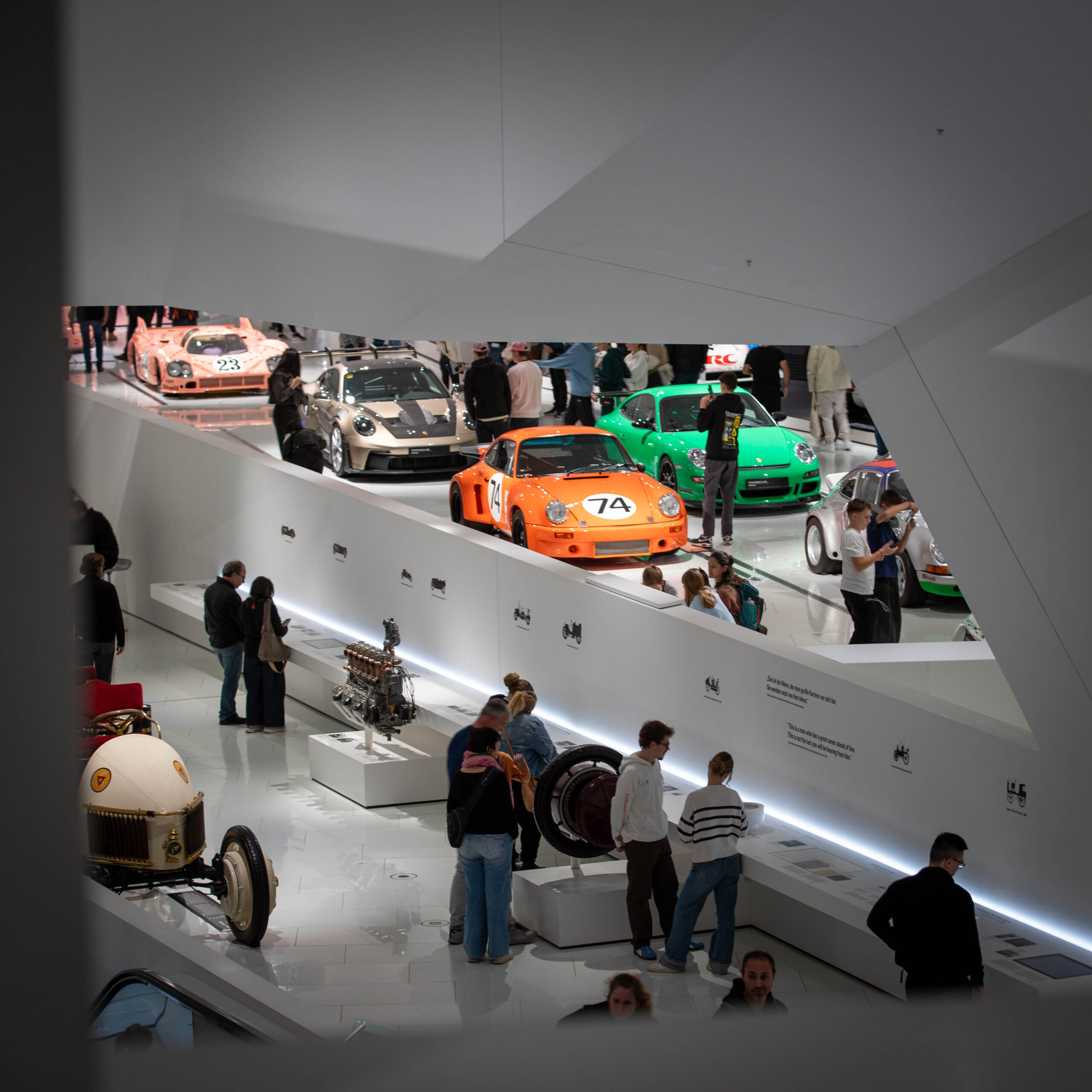
Once in Stuttgart (an unremarkable city, quite industrial) we found the Porsche museum and its underground car park. We had a couple of hours before our tour so decided to check-in for the tour (we got our Porsche lanyards and tour badges) and visit the museum. It’s full of Porsches, or cars Porsche have worked on, but mostly Porsches from the earliest to current models, including a good number of race cars. I really enjoyed it as there was so much to look at. Jo, less so, though she did seem to enjoy the blue Porsche from the movie Cars (yes, the girl car with the eyes for headlamps) a little too much when there were so many other important or incredible cars around.
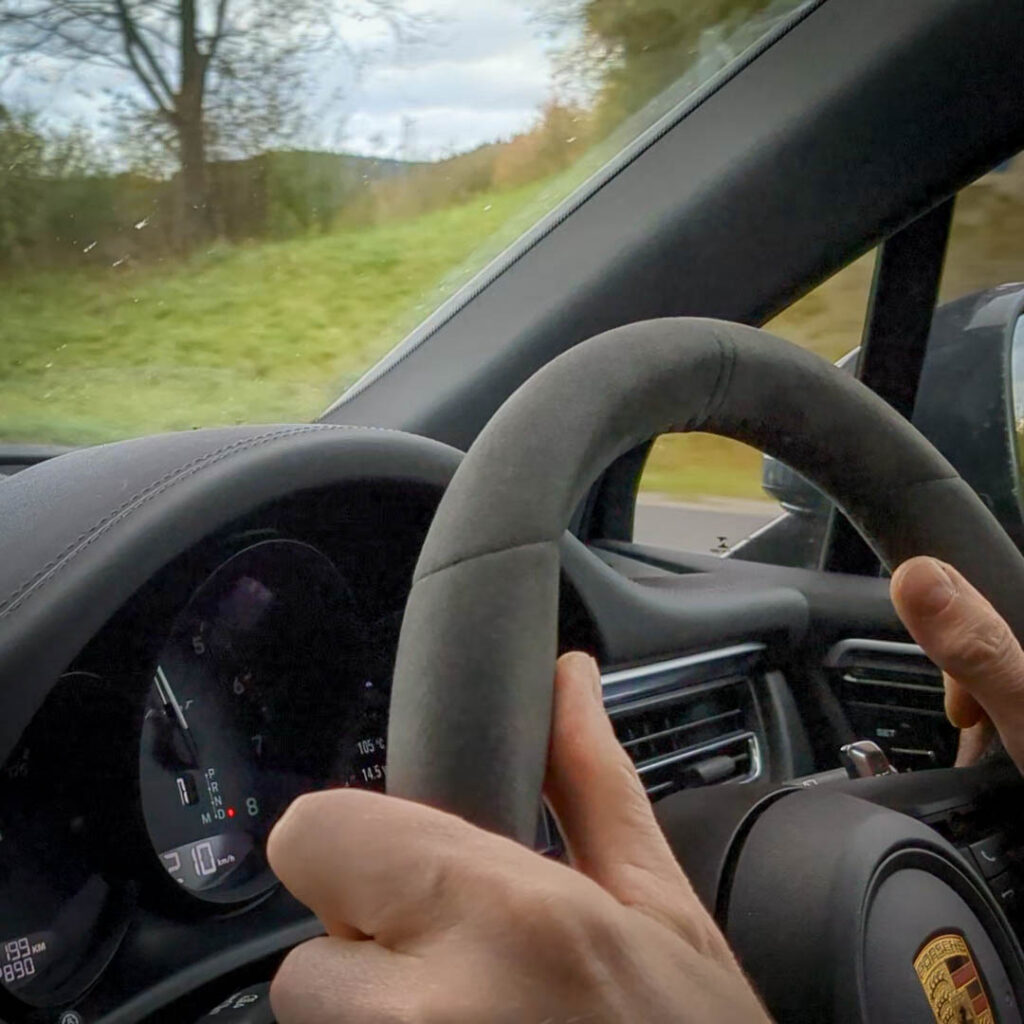
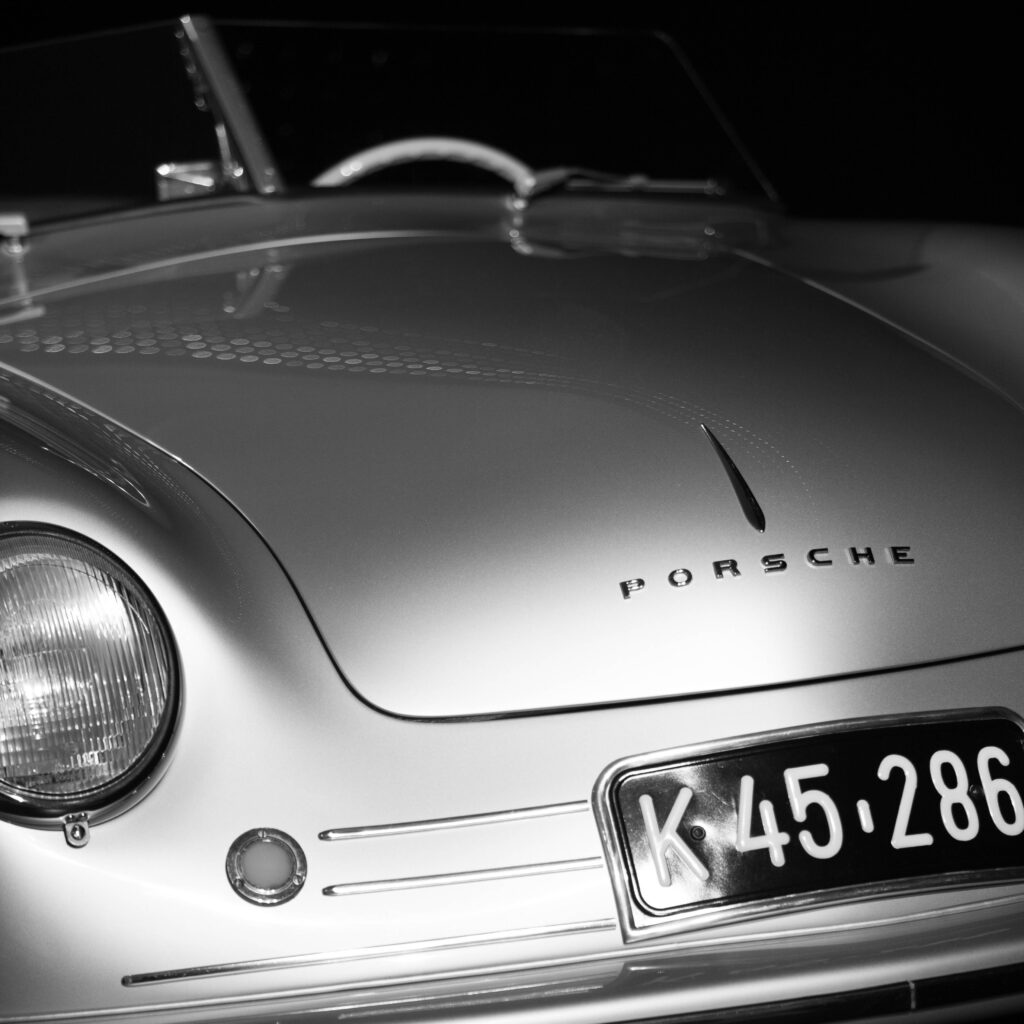
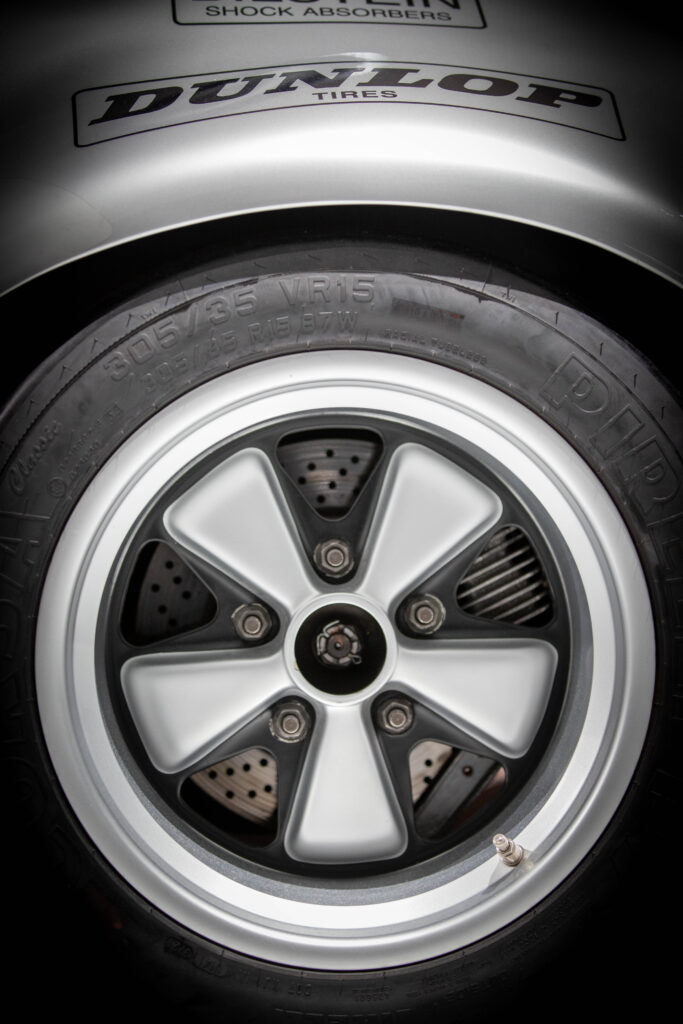
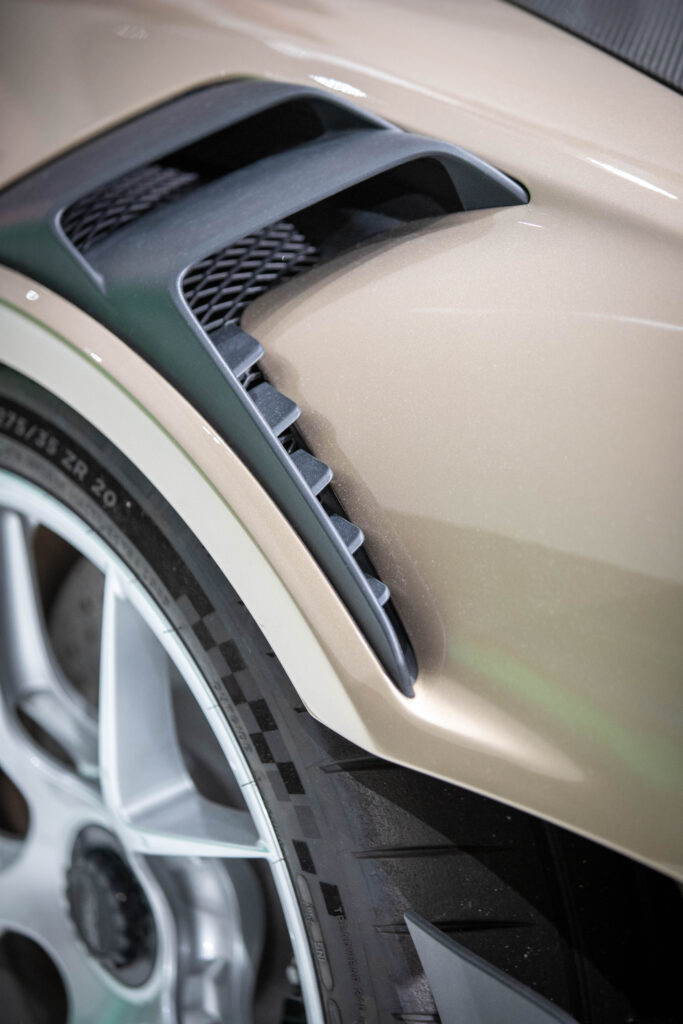
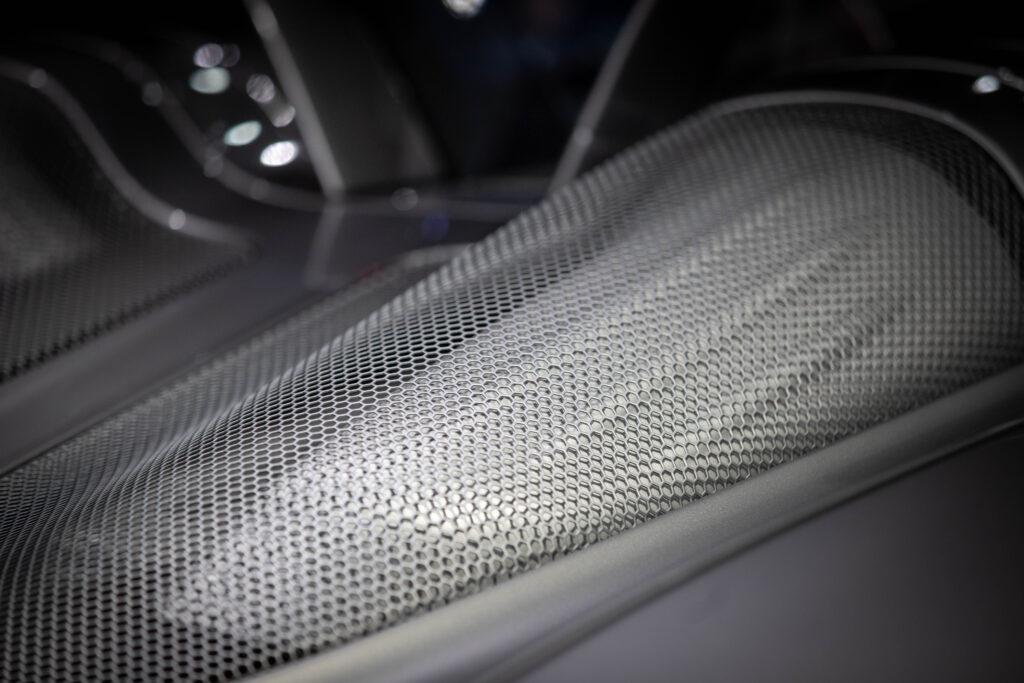
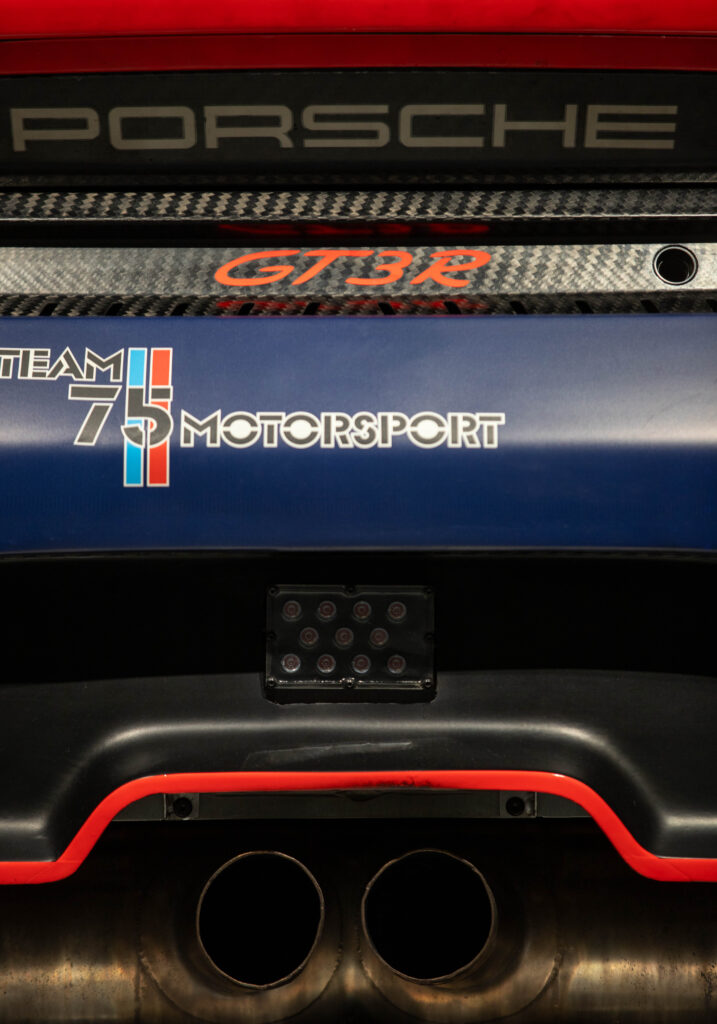
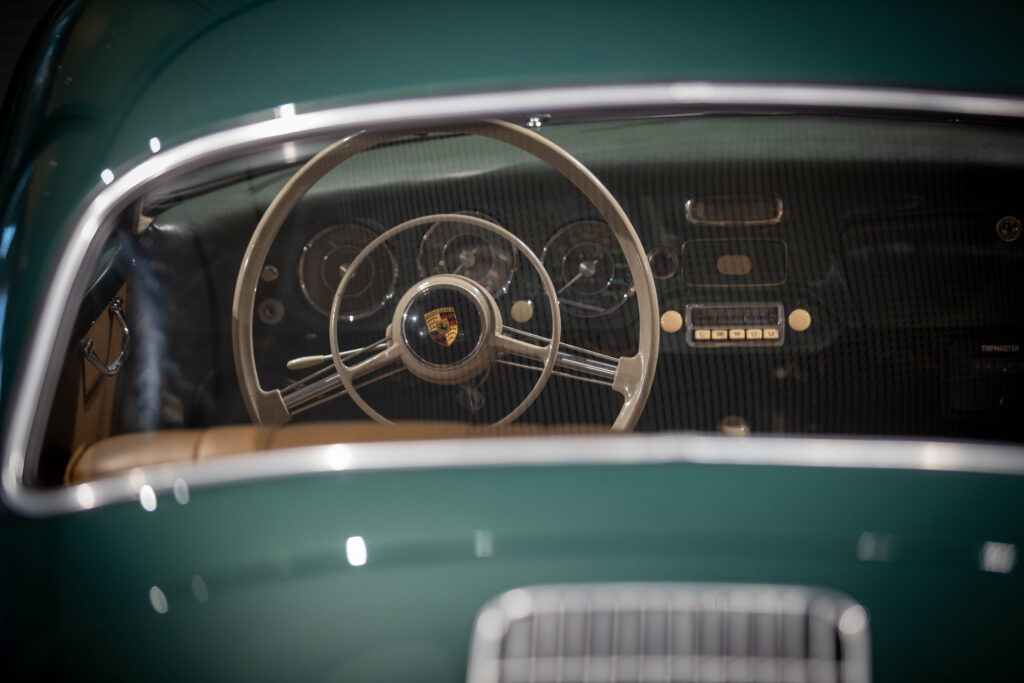
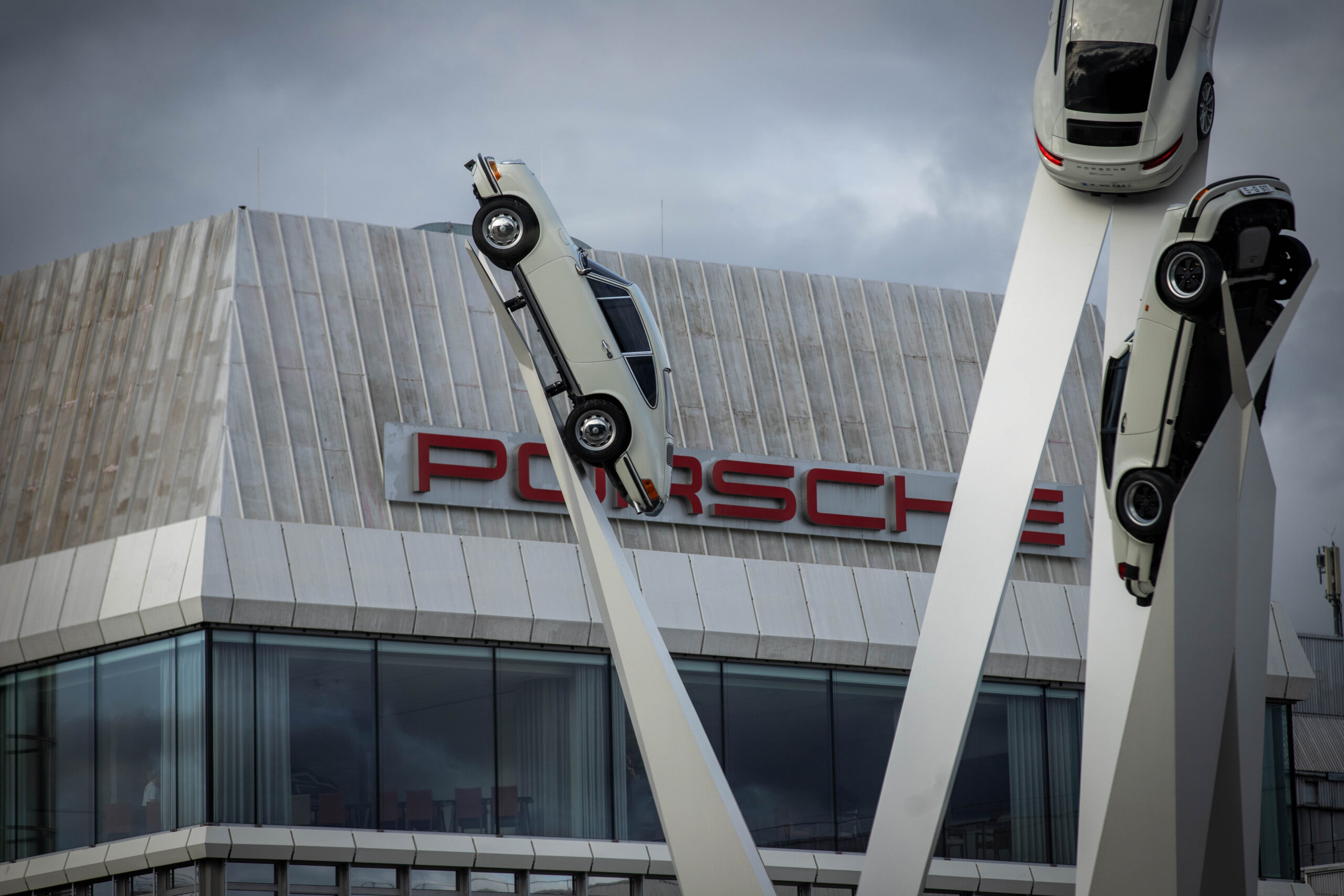
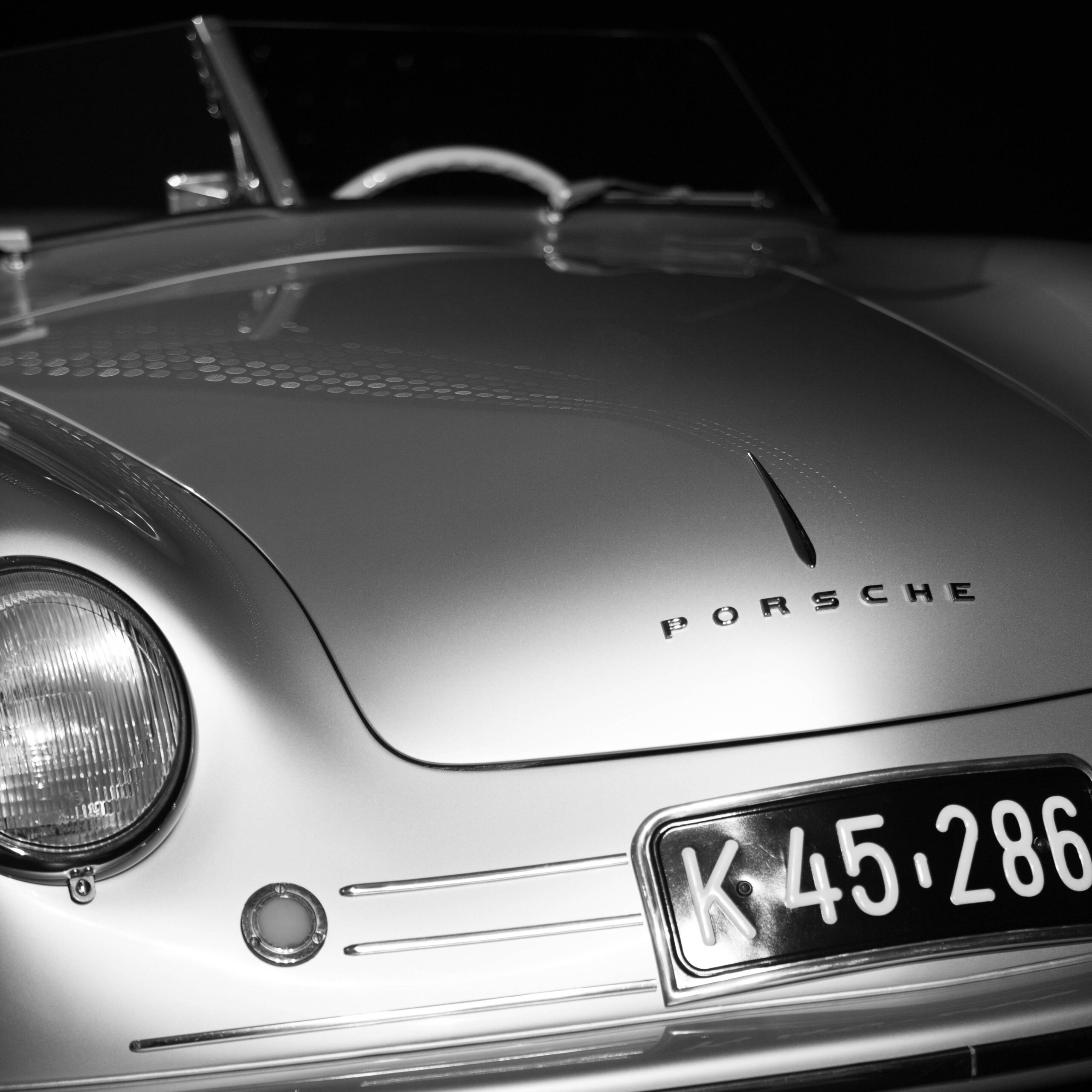
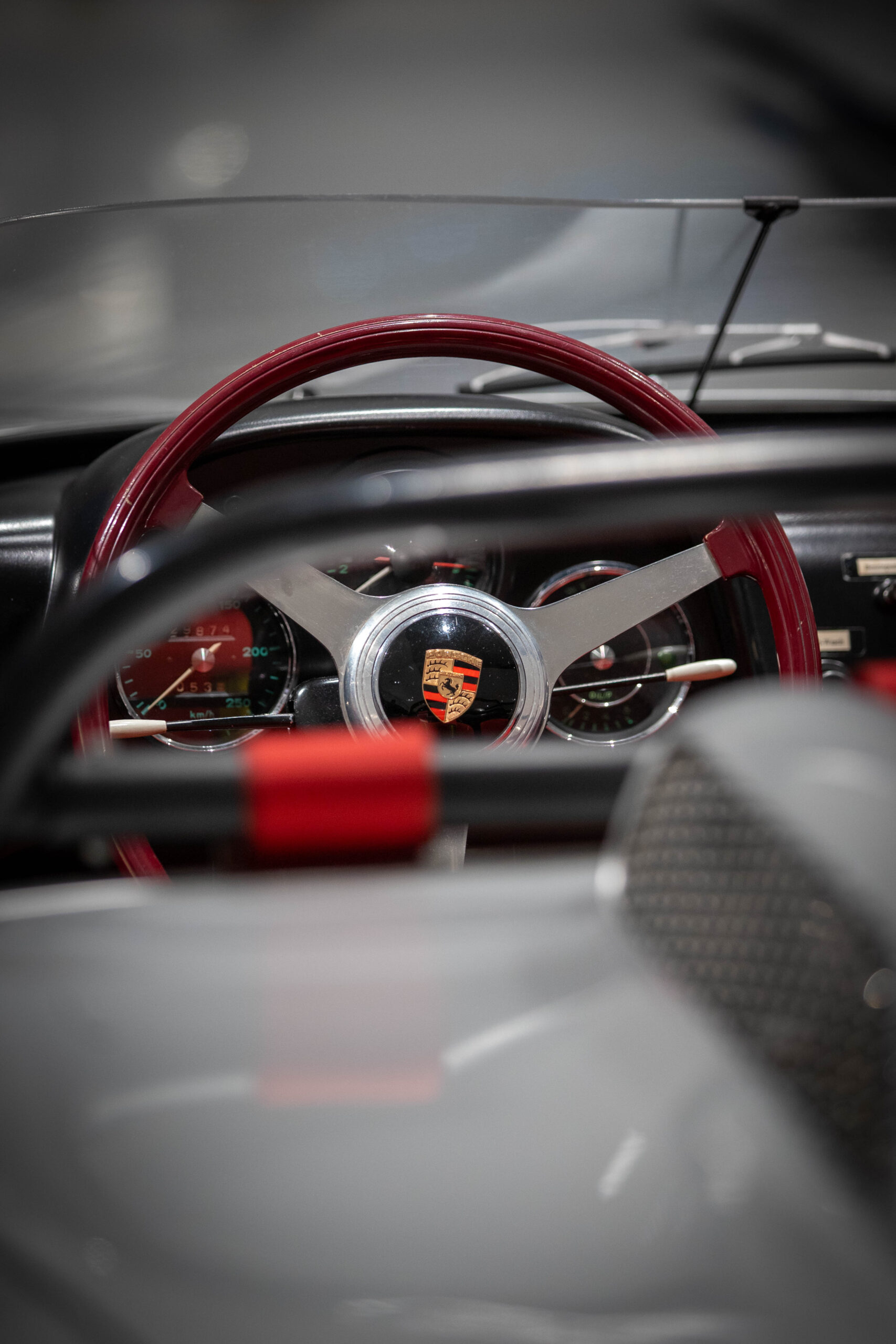
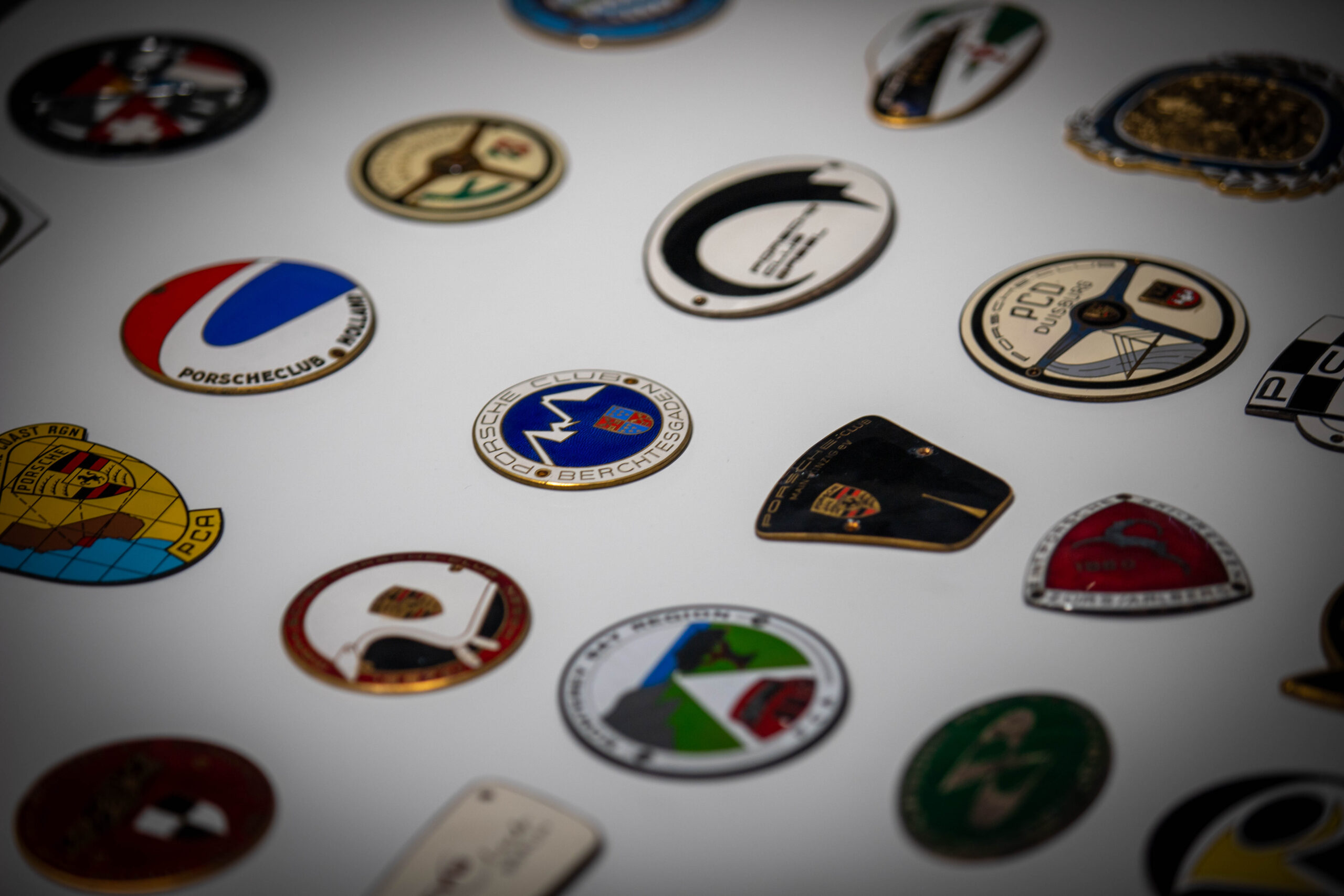
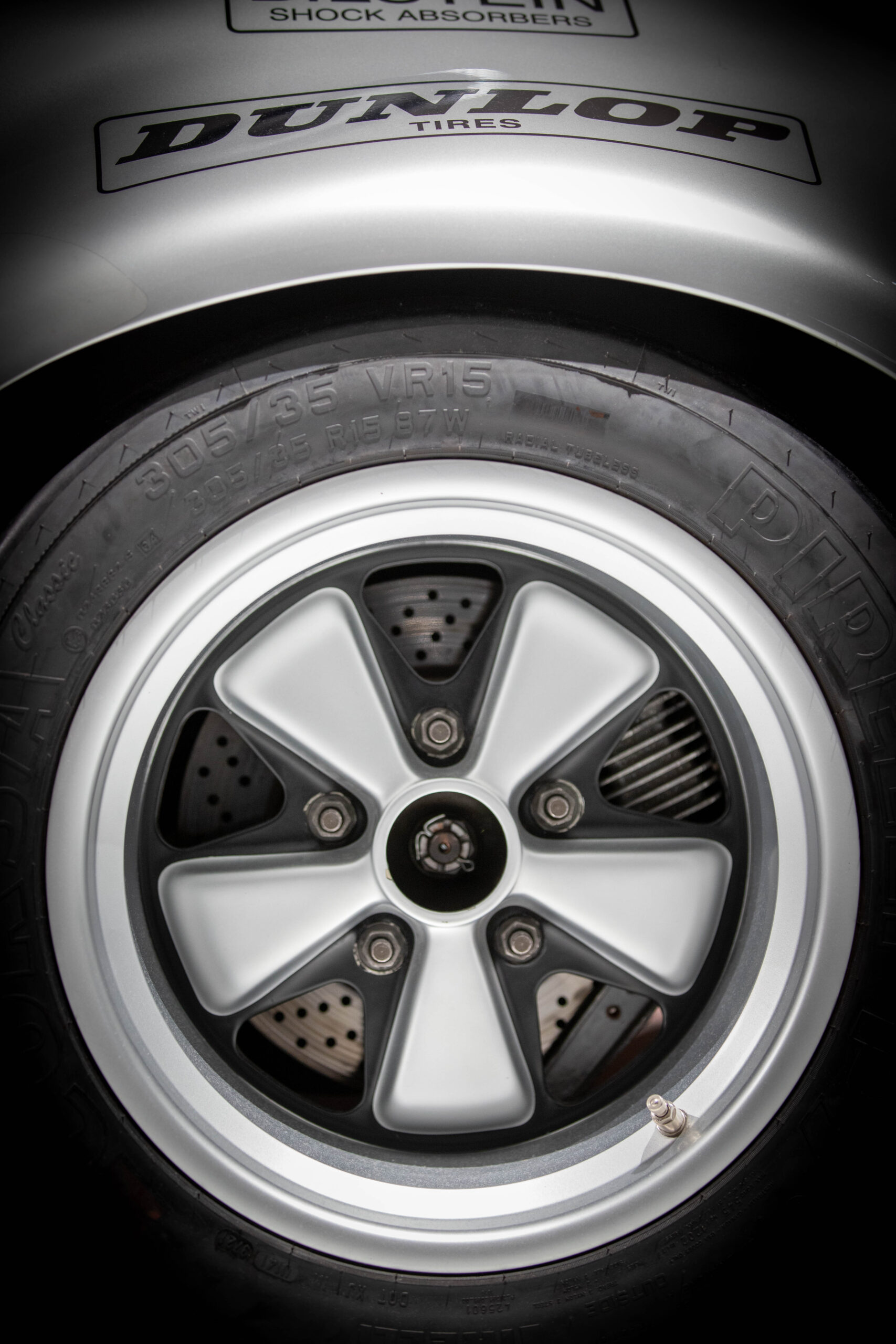
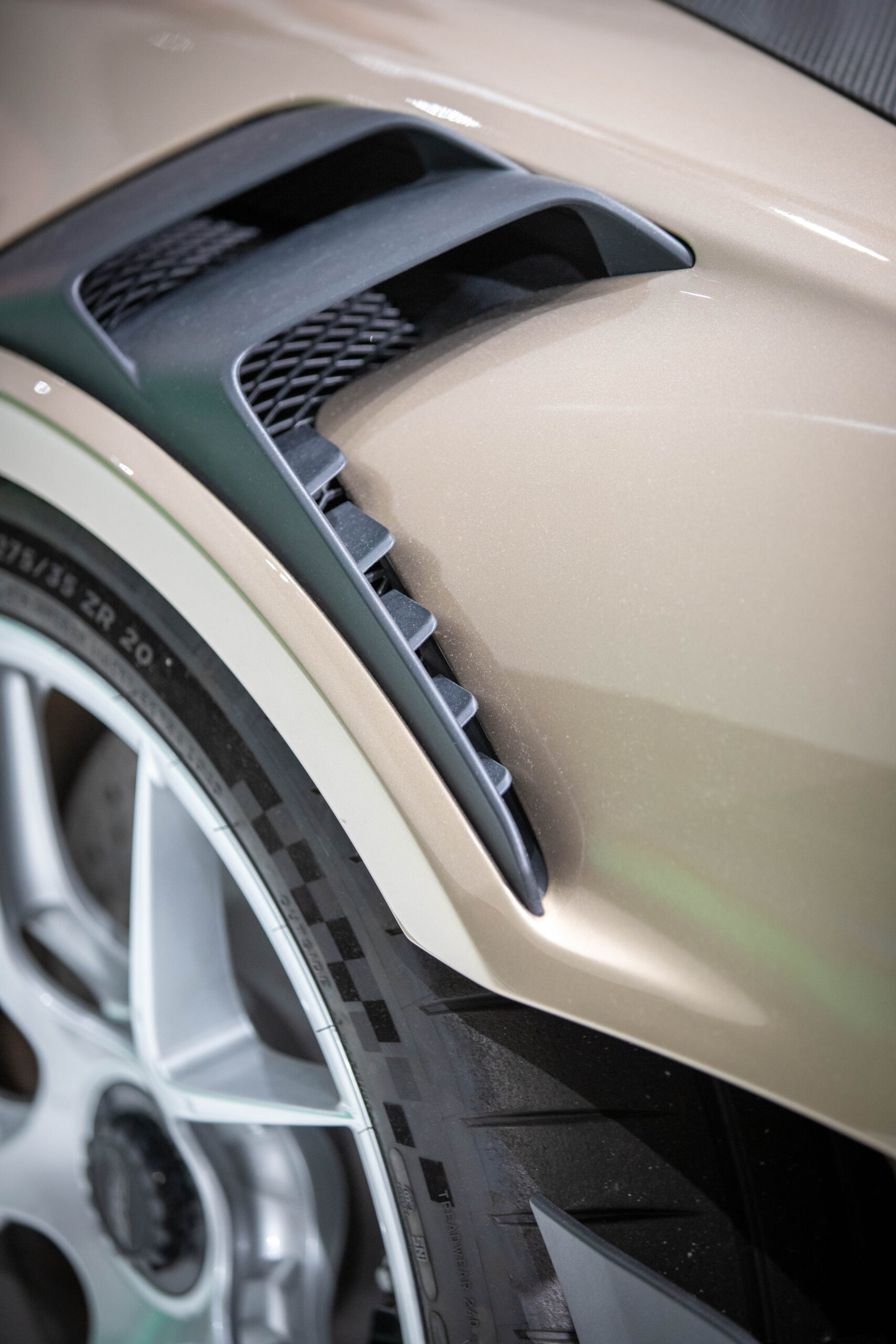
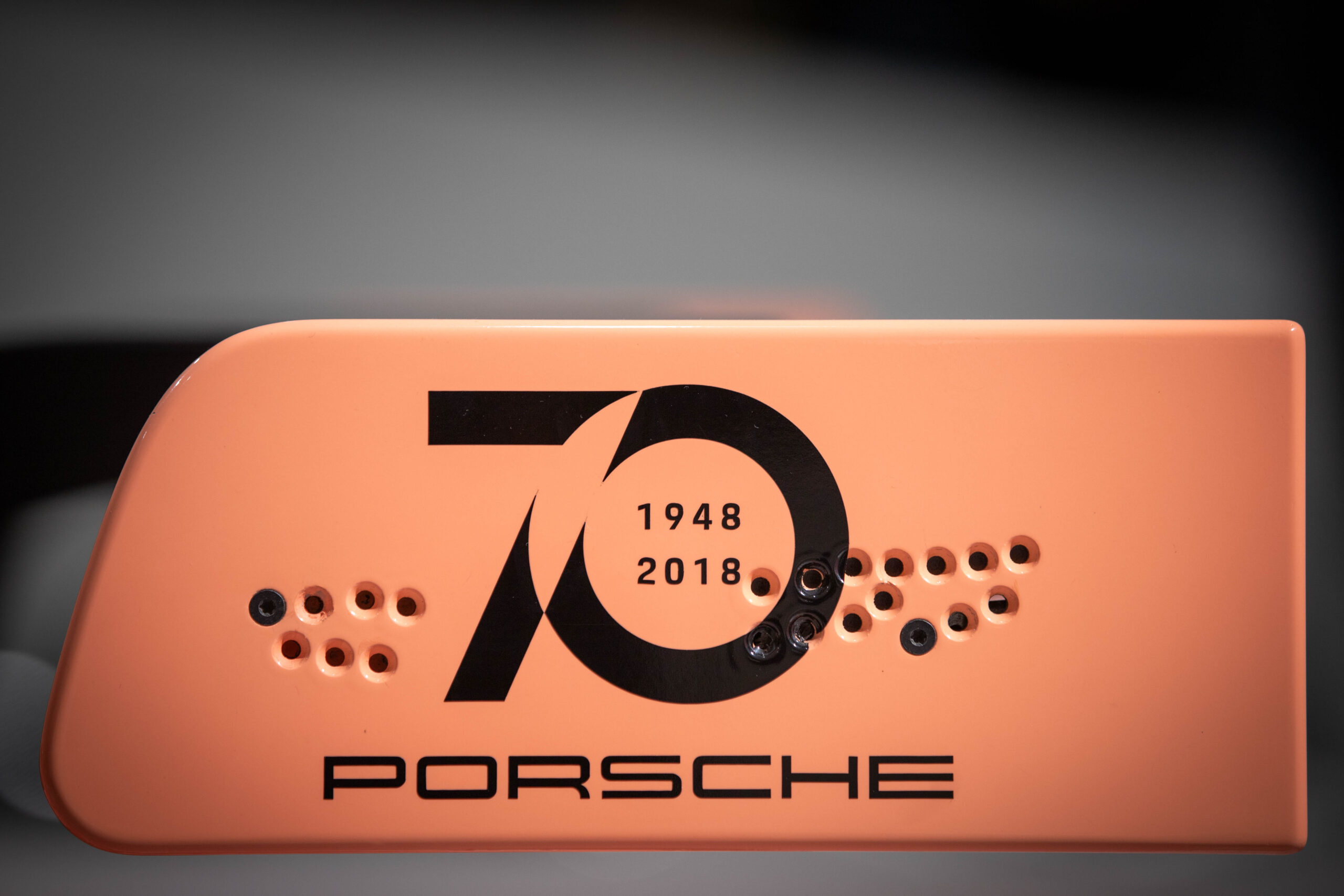
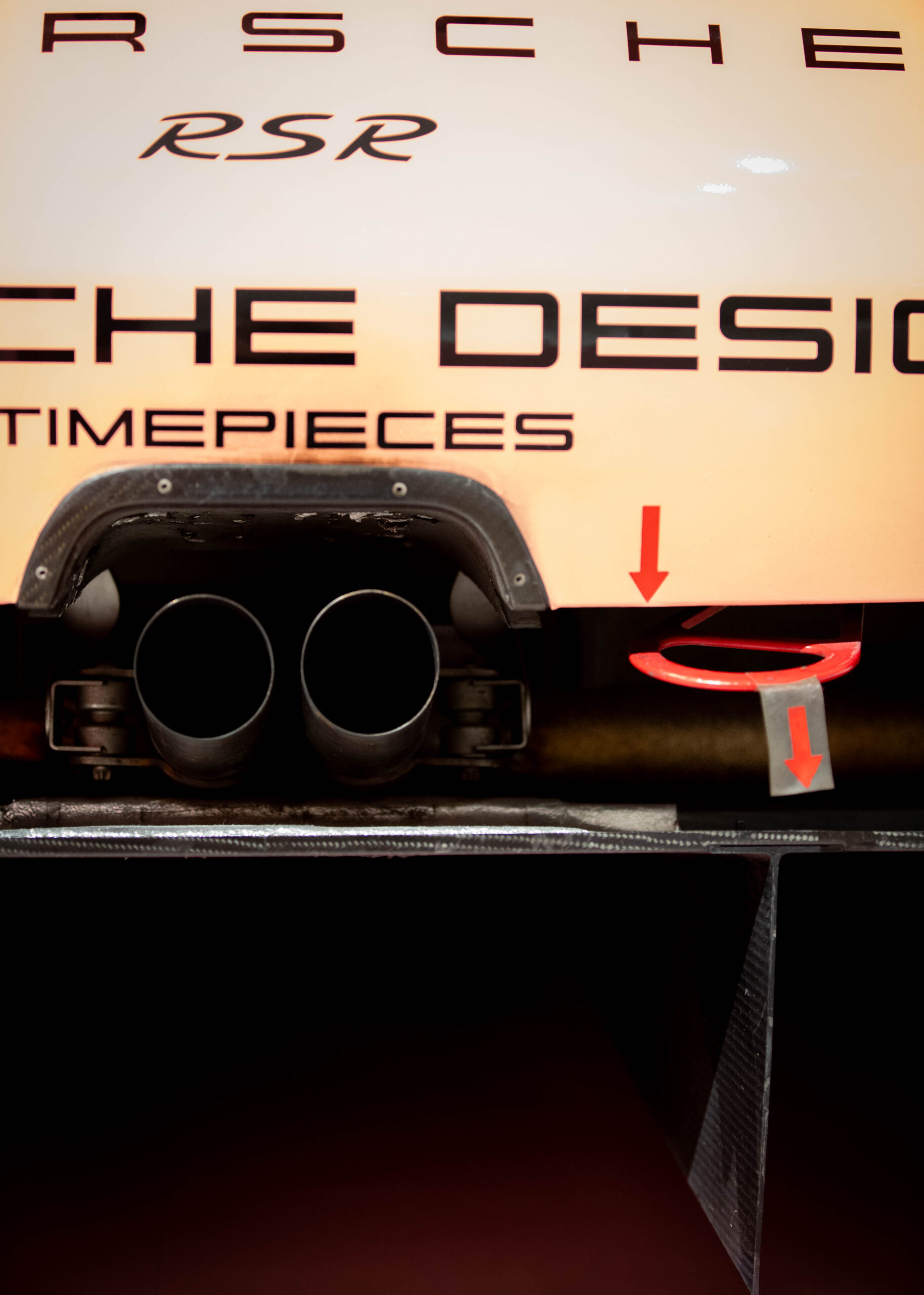
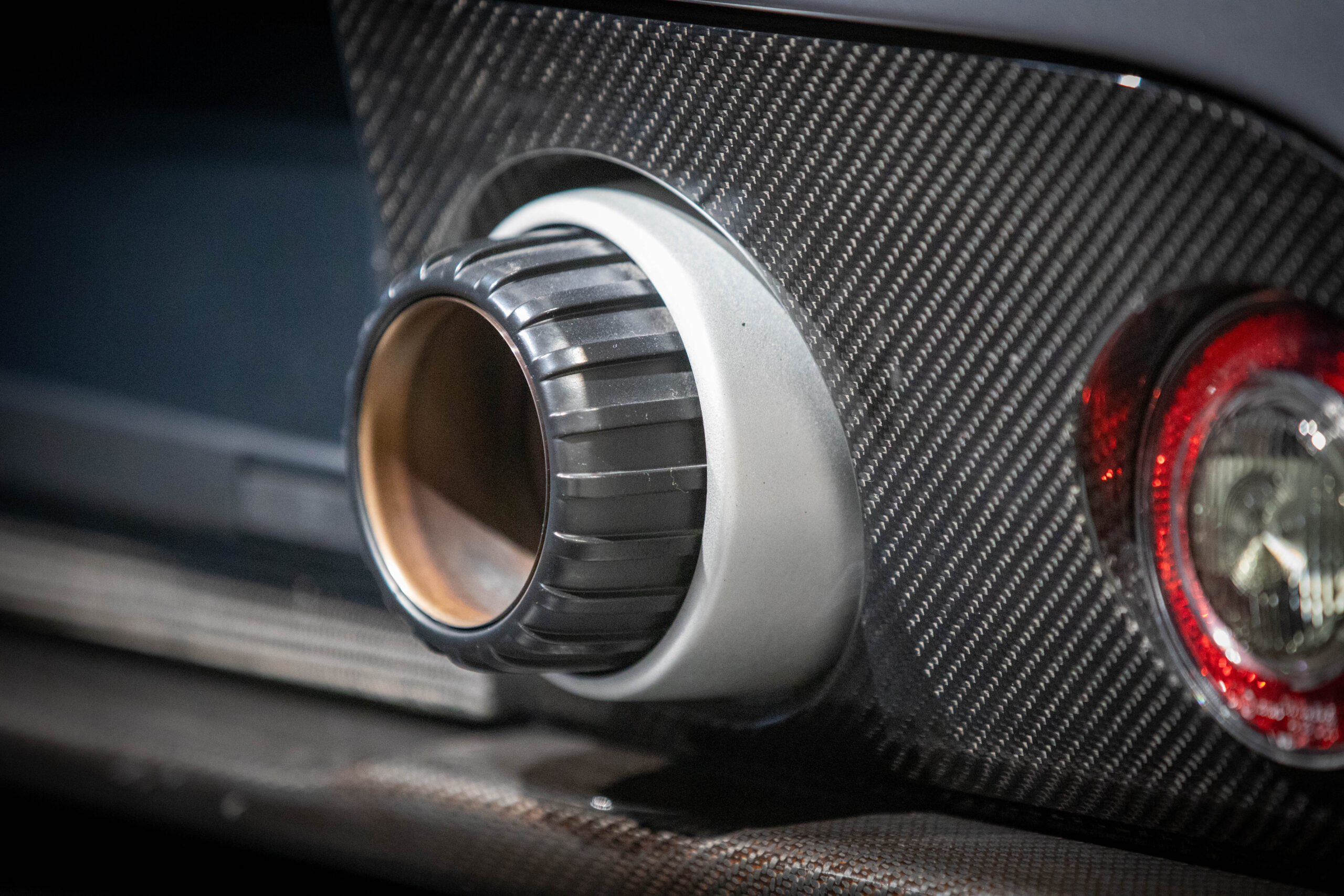
Rather than spam the page with car photos, here are my favourites then the usual gallery for those who care (make sure you click on the first gallery image and scroll through though!!)
Once finished in the museum we enjoyed some Porsche soup and something to drink, spoke to a German who’d visited the UK extensively and kept wanging on about Brexit despite me starting the conversation suggesting we didn’t care any more, then excused ourselves for the factory tour.
No photos here (very sadly) as all phones and cameras are strictly banned. However, we saw the 911 production line, from the point at which the painted bodyshell enters the assembly line to the final stage where the finished car is inspected. We missed the engine and transmission assembly out as the public aren’t allowed in that area, but otherwise saw the whole process.
Once the painted bodyshell enters assembly it travels through 2 floors and 3 areas of build, moving something like 130 stations where it spends 2 minutes and 40 seconds at each having the next thing done to it. In a single shift they build around 240 cars, and the production line is for ALL variants from the base 911 Carrera to the 911 GT3 RS and Cup cars. The build is mostly done by hand, using machinery to help lift heavier items (dashboard, front glass, etc.) Pretty impressive. Jo gave it a 9/10 for interest. I loved it, and asked the poor tour guide lots of questions.
Once done at Porsche we headed to our hotel, a nice travellers hotel in the middle of a particularly industrial part of Stuttgart only 5 minutes from the Porsche campus, then went out for pizza at Stuttgart’s best pizza place (according to them, I had no reference points to confirm this claim – but the pizza was amazing).
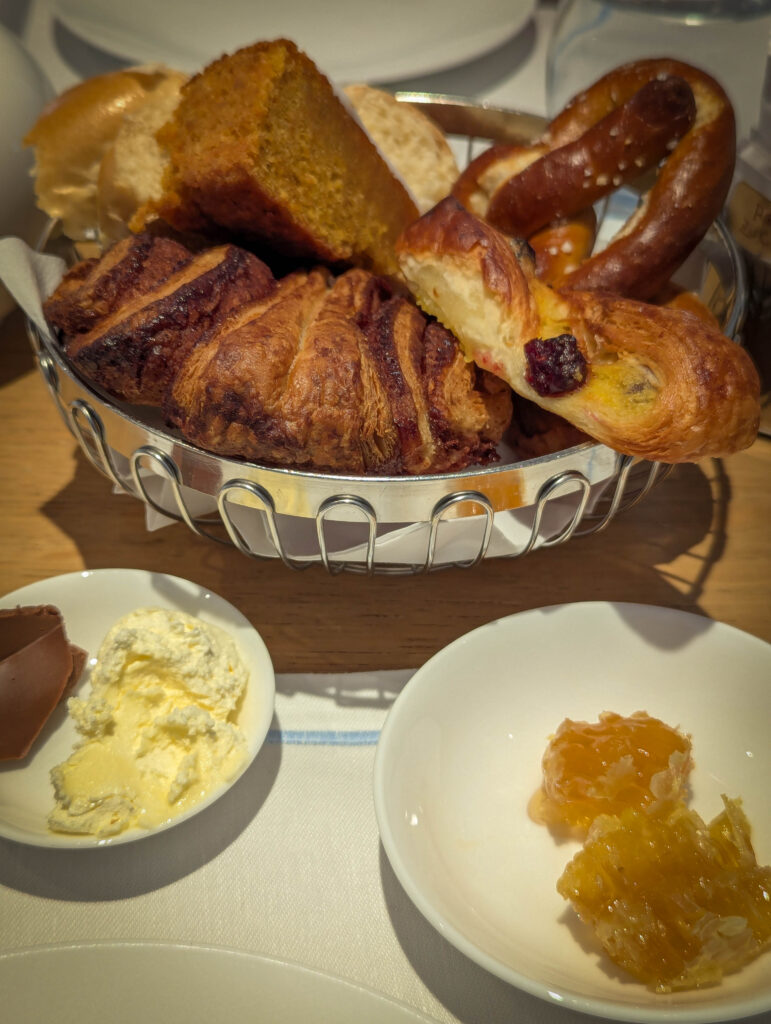
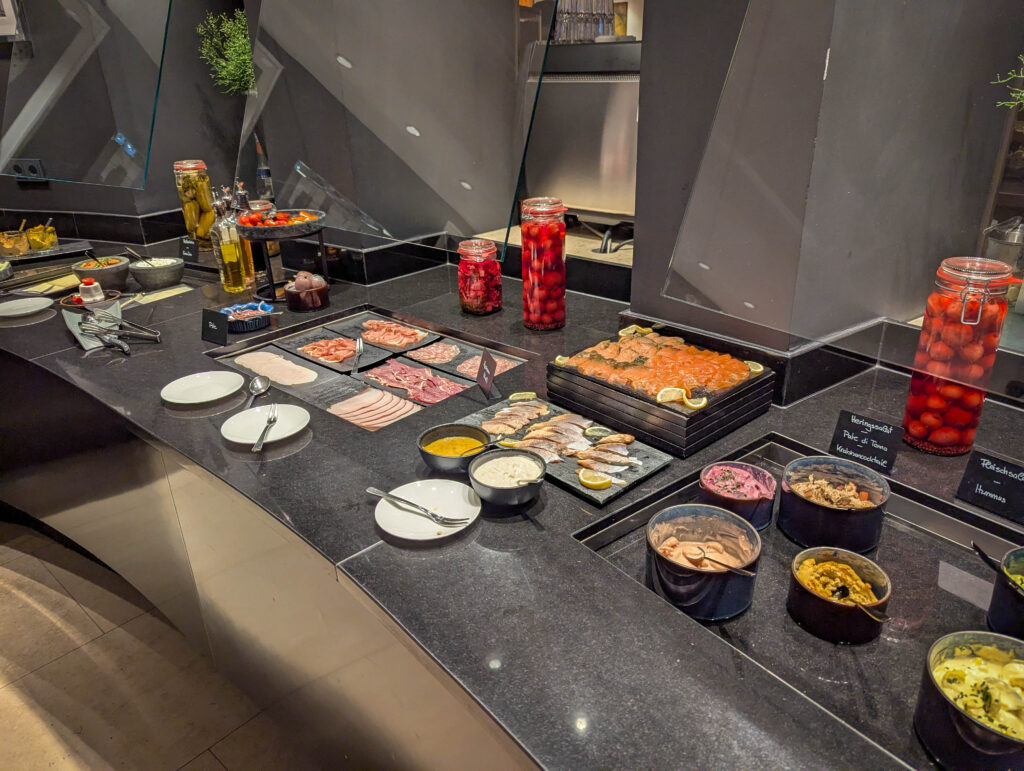
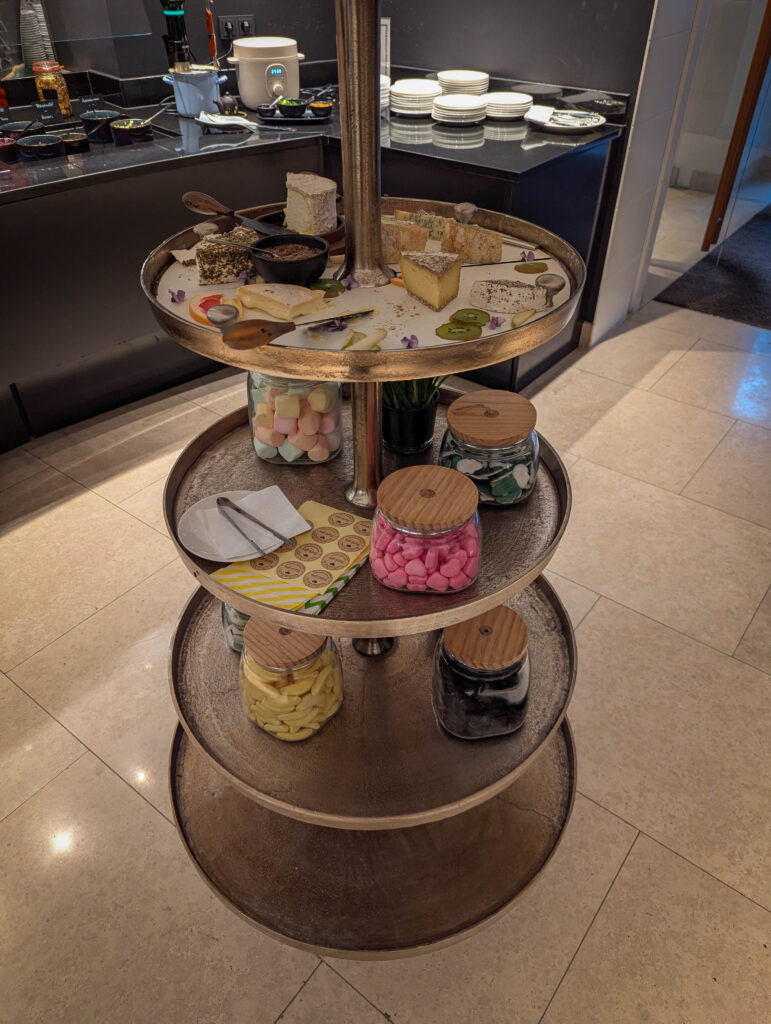
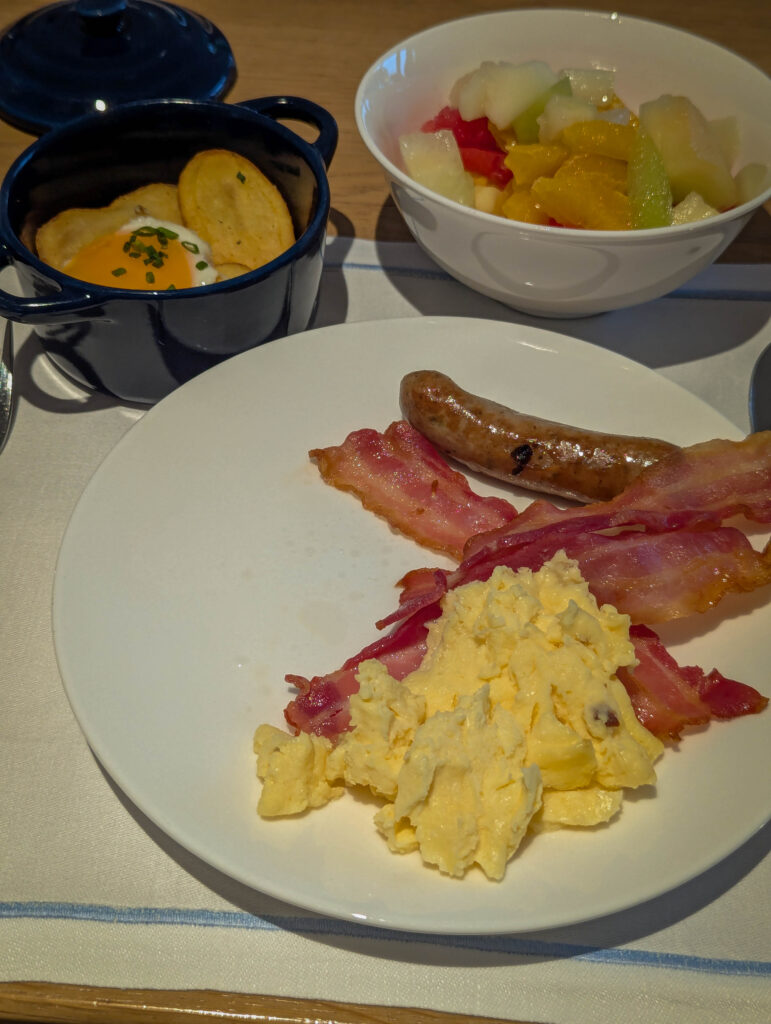
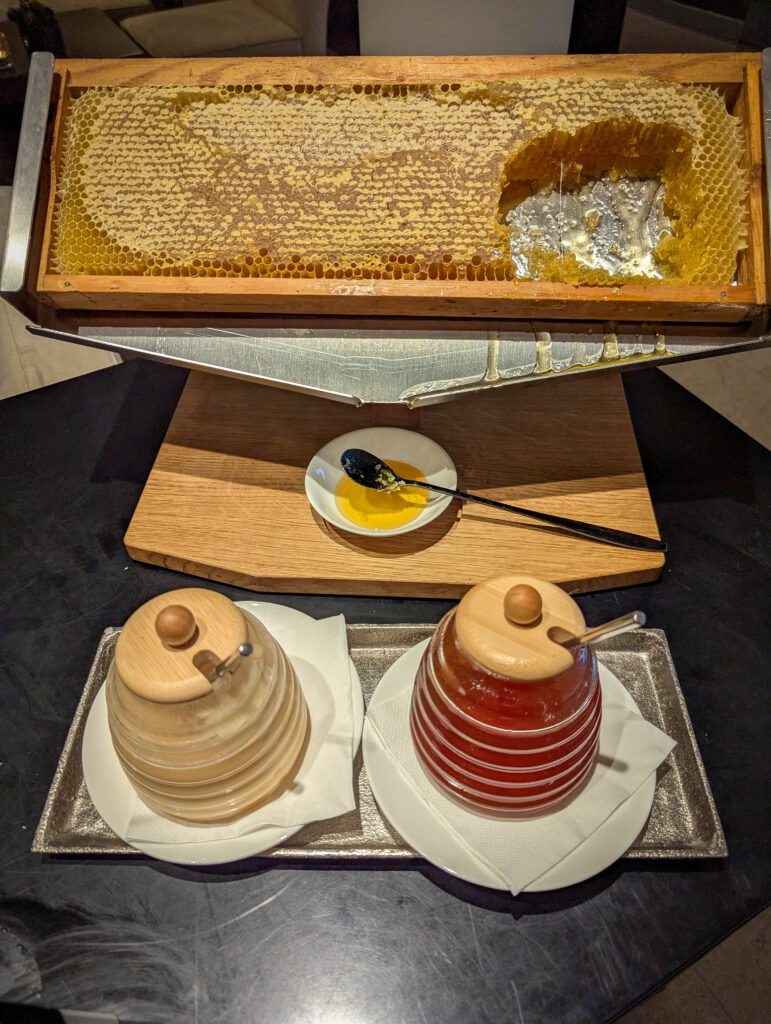
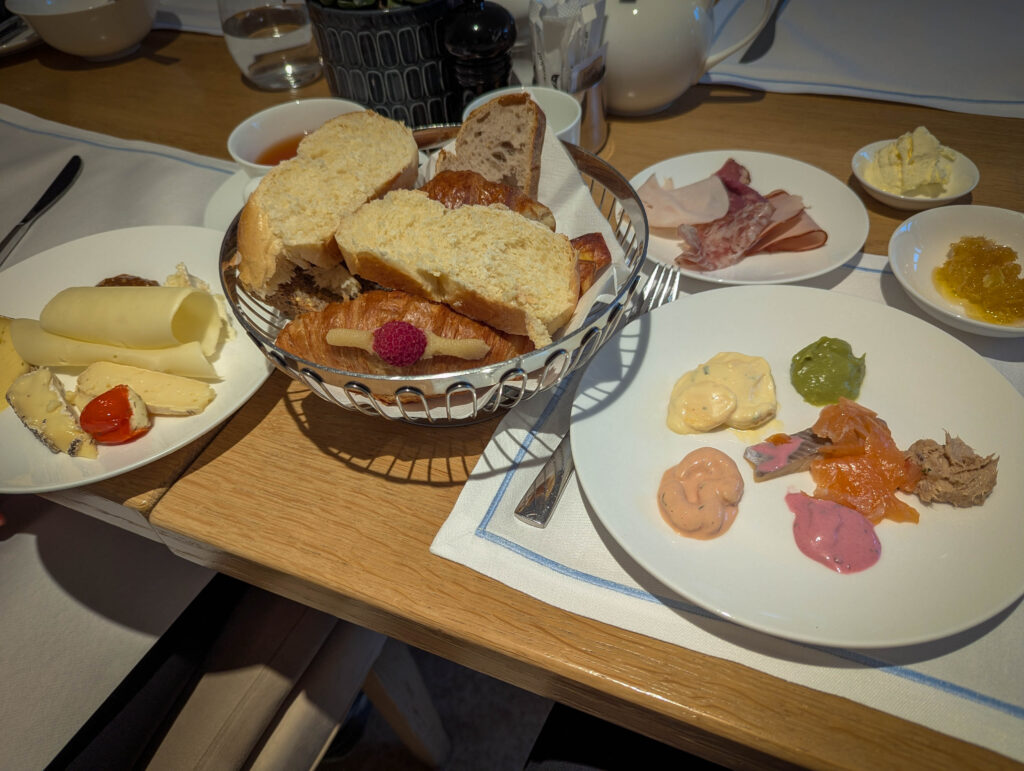
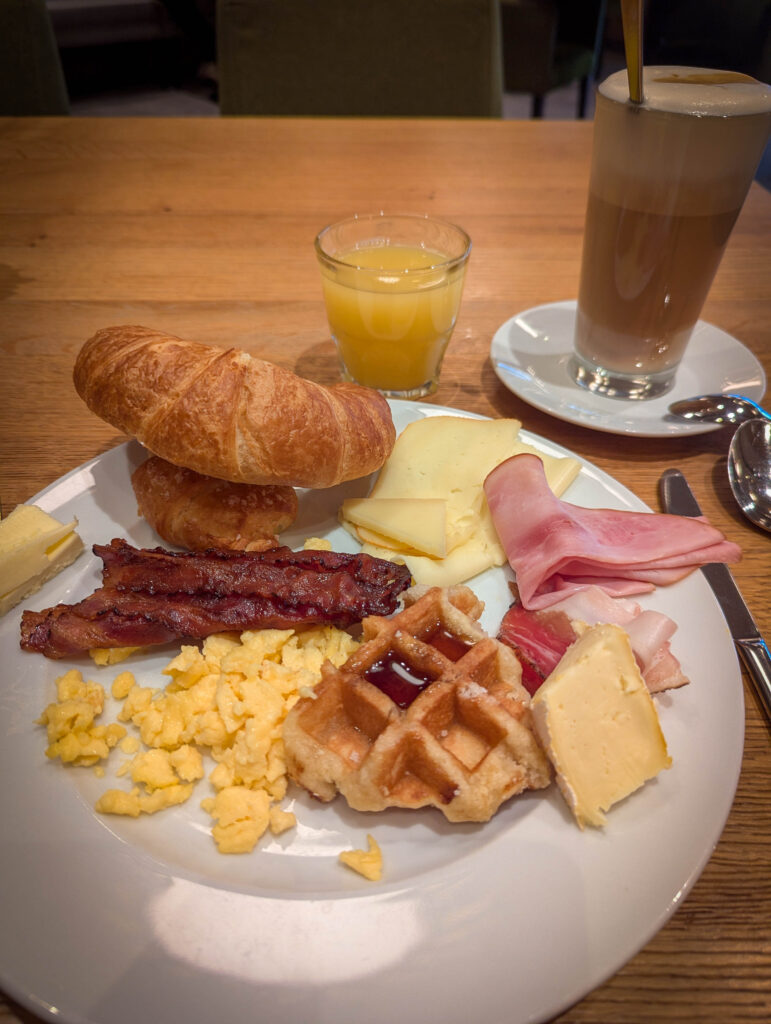
After deciding to postpone our run due to heavy rain, we leisurely attended breakfast for the first time at the Riva. What an incredible spread! The highlights were the tiny Le Creuset pots with sauté potatoes and fried egg without white inside, the real honeycomb loaded with honey, and some kind of Danish pastry with raspberries with almonds. The selection also included sweets and bags, presumably for the kids, though the adults were helping themselves.
Once fed we had a wander round the hotel to figure out what we’d do during our rest day. It really was a splendid hotel, and exactly the kind we like.
We needed exercise, so decided to head out for a walk in the pouring rain and high winds – full waterproofs were deployed. Once out it didn’t seem so bad, and we followed a guided tour route through the old part of Konstanz we found on Trip Advisor. Unfortunately we had no idea what any of the stops were, other than usually old buildings or statues. We also stopped off in a few shops to warm up, and for coffee and cake – though the coffee wasn’t, and we had no idea what it was (the lady who served said it was “like” coffee – I’m not sure her definition of like is the same as mine).
Once back in the hotel we enjoyed the saunas (very hot and dry, then hot and slightly humid, then warm and 100% humidity), followed by ice (Jo more than me), then a salt rub and shower, and finally the relaxation room. Jo read, I got up to date on my mobile game Tacticus (don’t ask). Jo then found the rooftop outdoor swimming pool, and before I could join her she’d got out complaining 30 degrees Celsius was too cold.
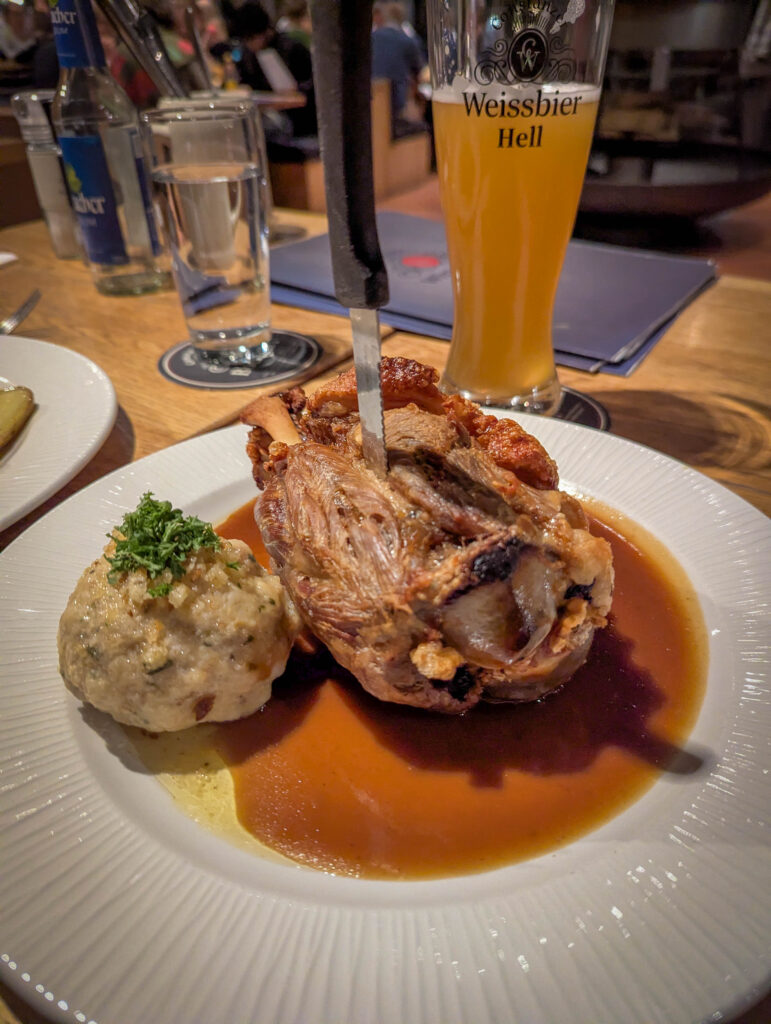
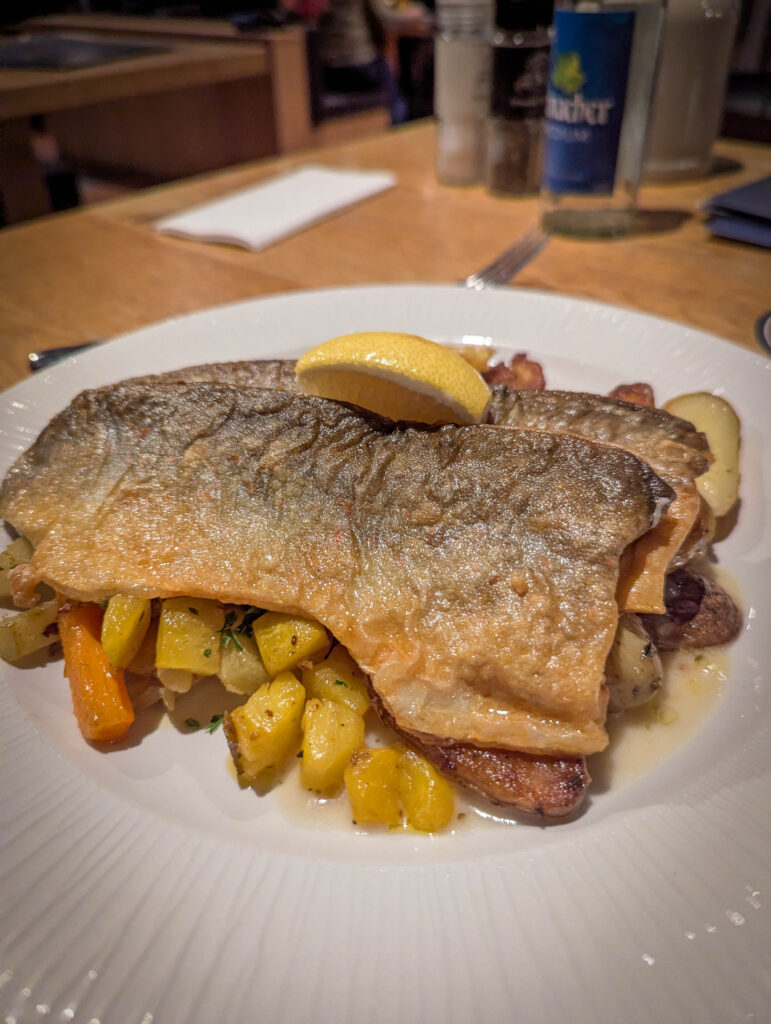
We decided dinner out of the hotel at a local German establishment – we shared an excellent soup with the cheesiest cheese dumpling imaginable, followed by pork shank with dumpling and gravy (no vegetables) and char (fish) on a heap of vegetables. And weissbier (wheat beer). Rest day done.
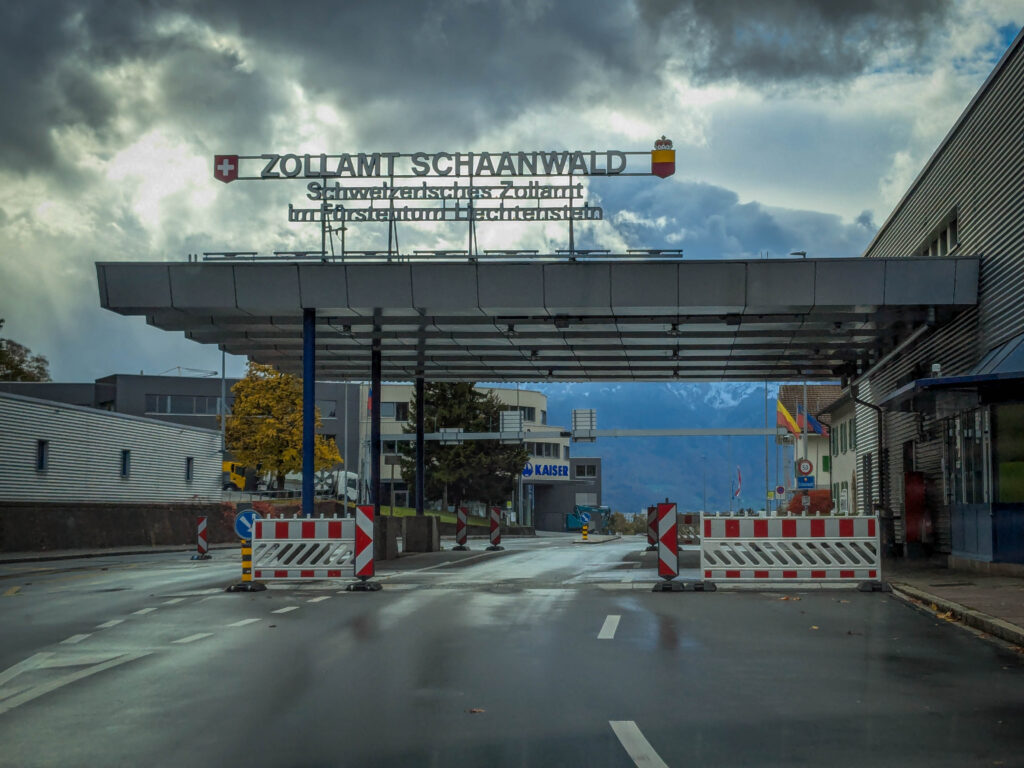
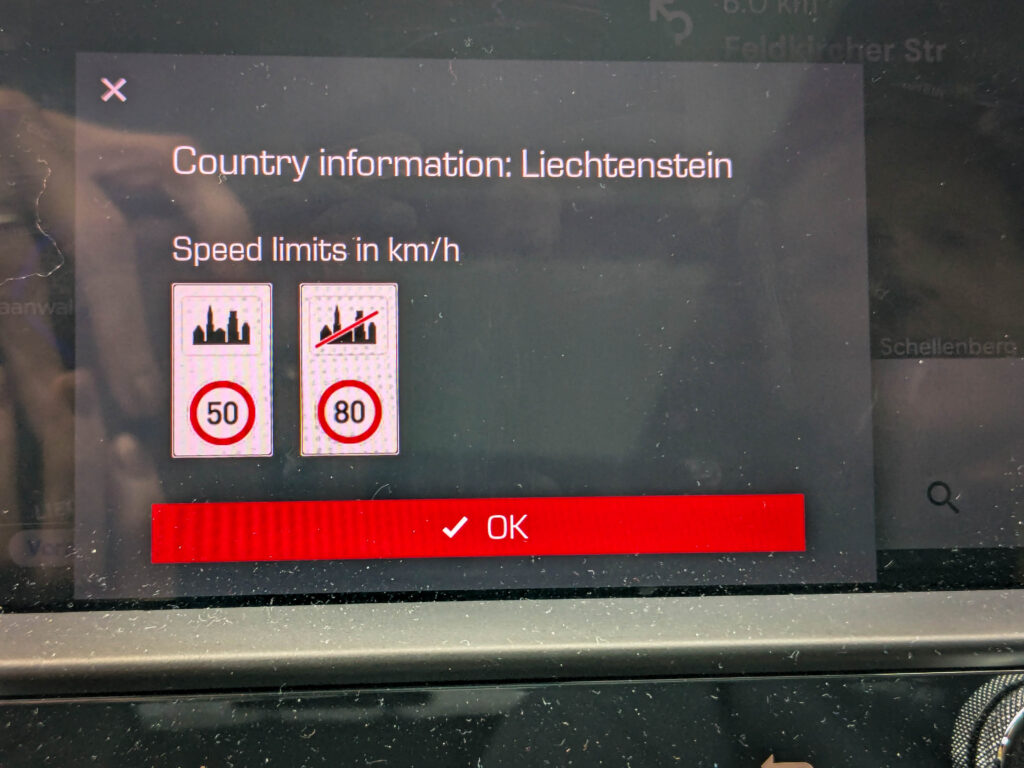
The plan for the day included numerous border crossings, and 4 countries – starting in Austria we’d transit the Hahntennjoch pass, into Switzerland, then briefly into Lichenstein, before returning to Switzerland and finally into Germany for our next overnight stay at Konstanz.
Of course we started with a huge buffet breakfast, taking part in what we missed out at dinner the night before. The hotel really was a long way from what we’d expect given the cost, and the decor once again failed to impress. We gave some strong feedback at check-out – the receptionist thanked us and apologised for the appalling welcome and smoke-smelling room (I think she meant it too).
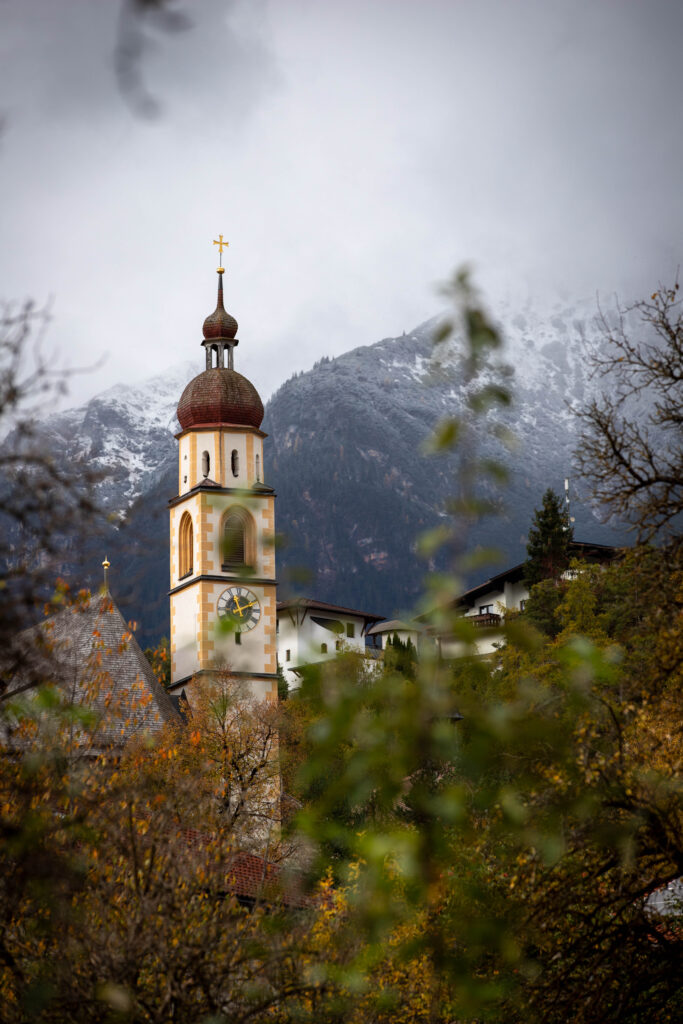
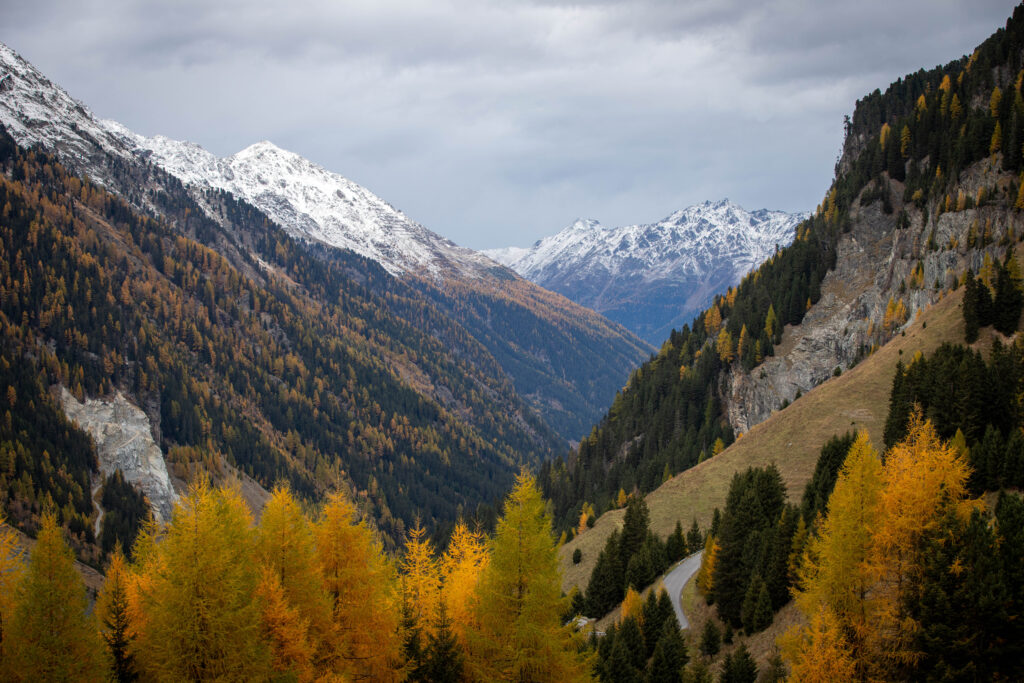
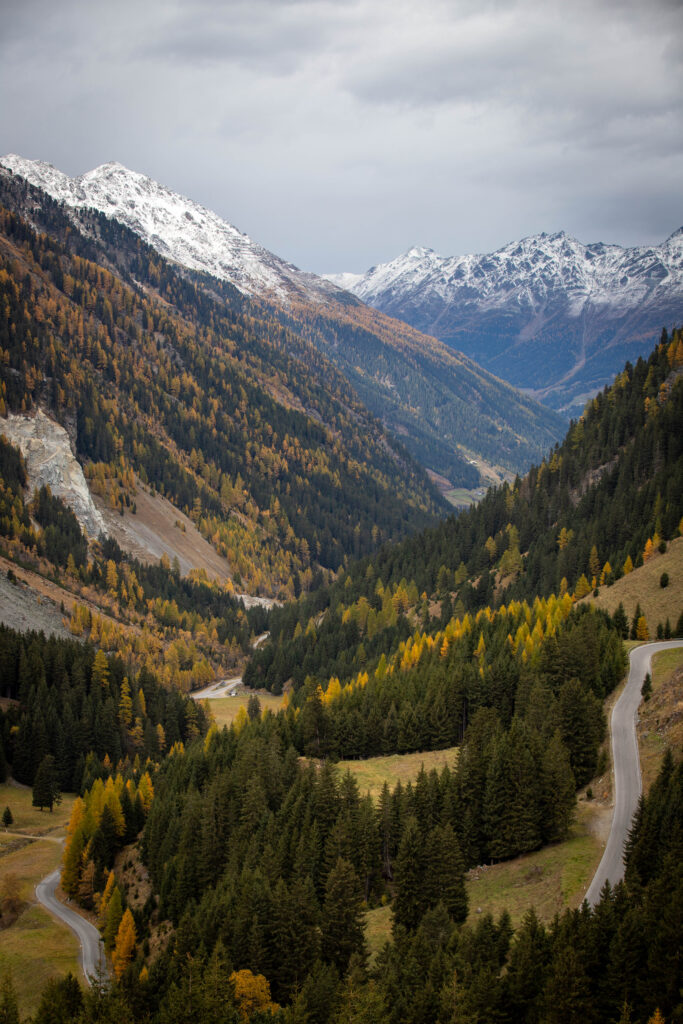
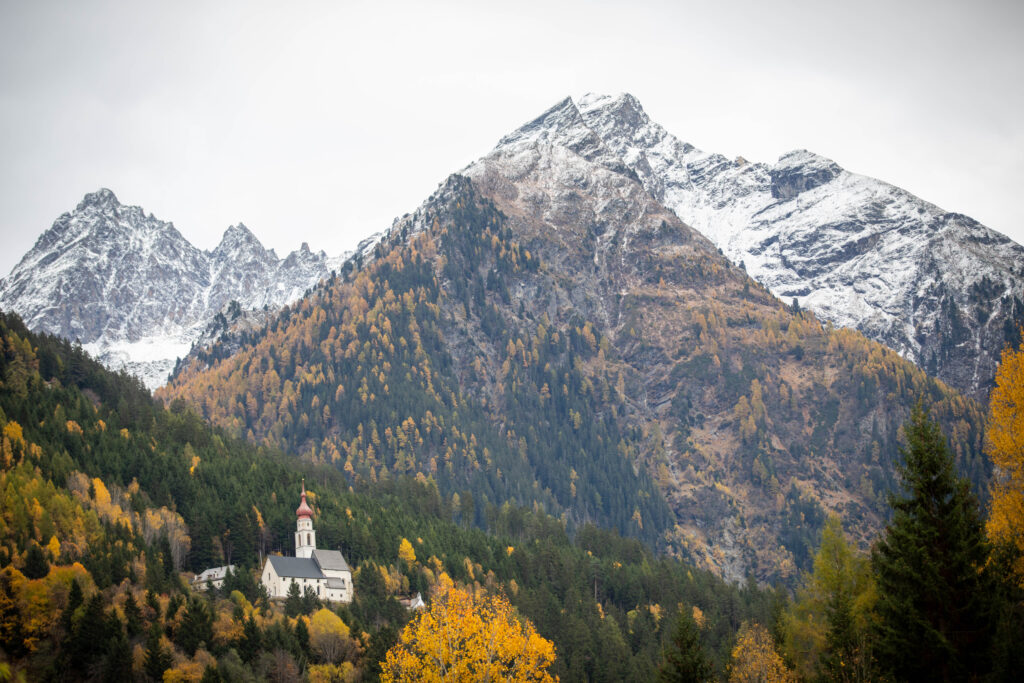
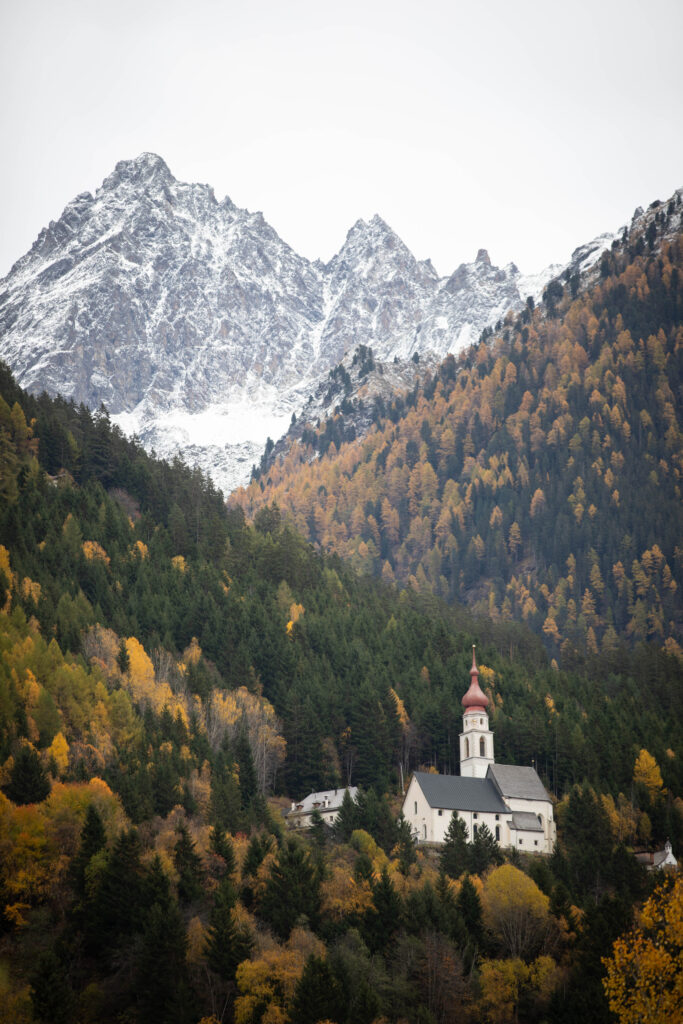
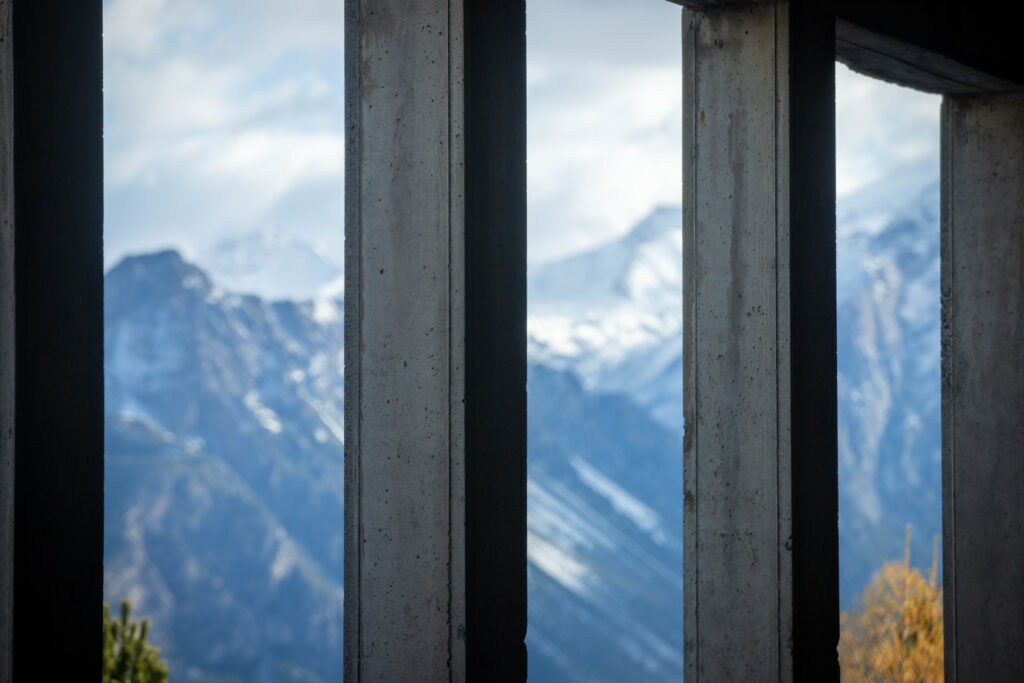
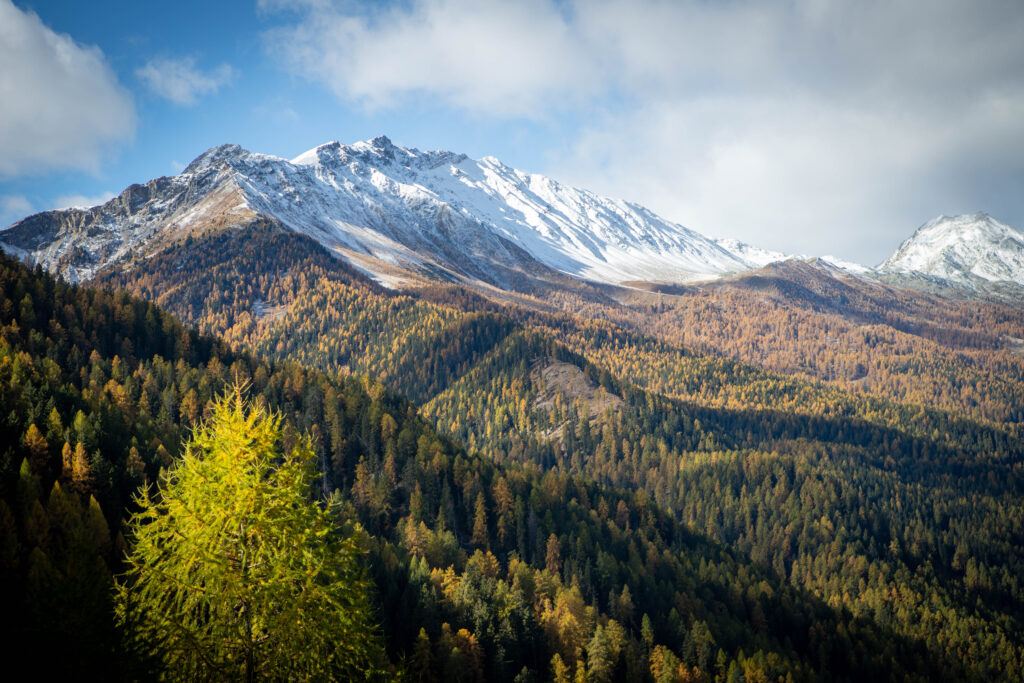
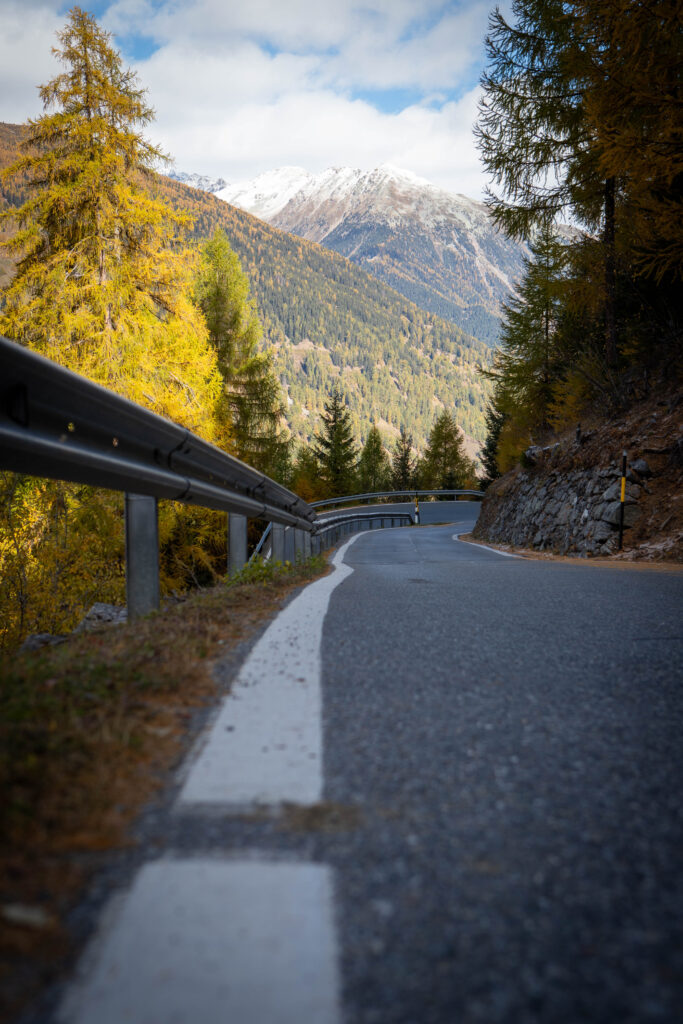
On the road again, the scenery of this part of Austria was stunning. Lots of mountains, churches and windy roads as we avoided the faster motorway routes to pick up the road to the Hahntennjoch.
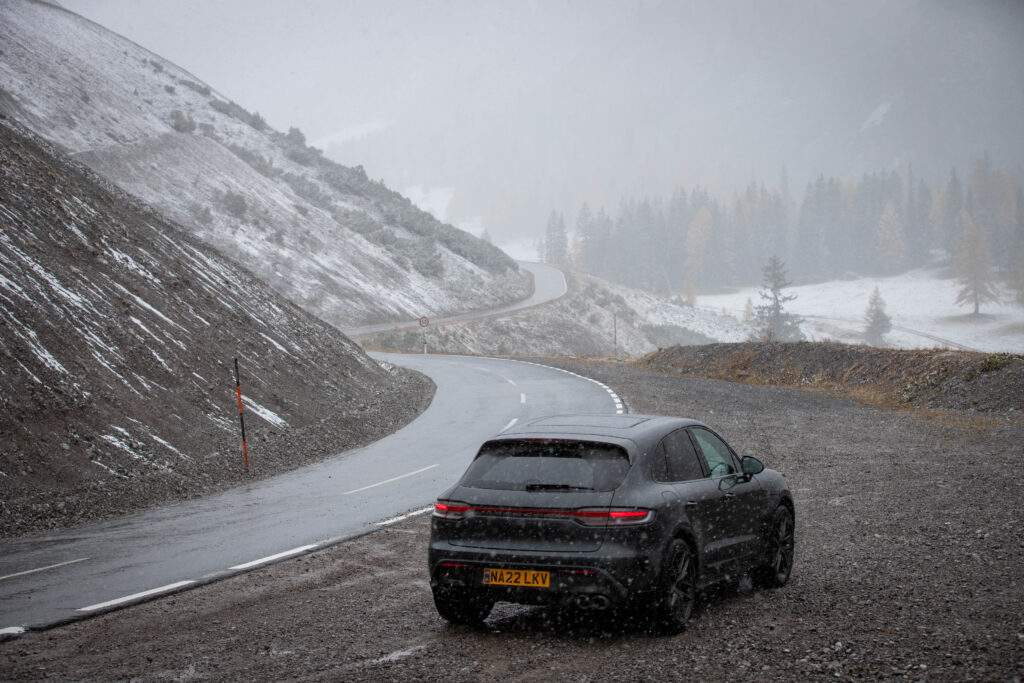
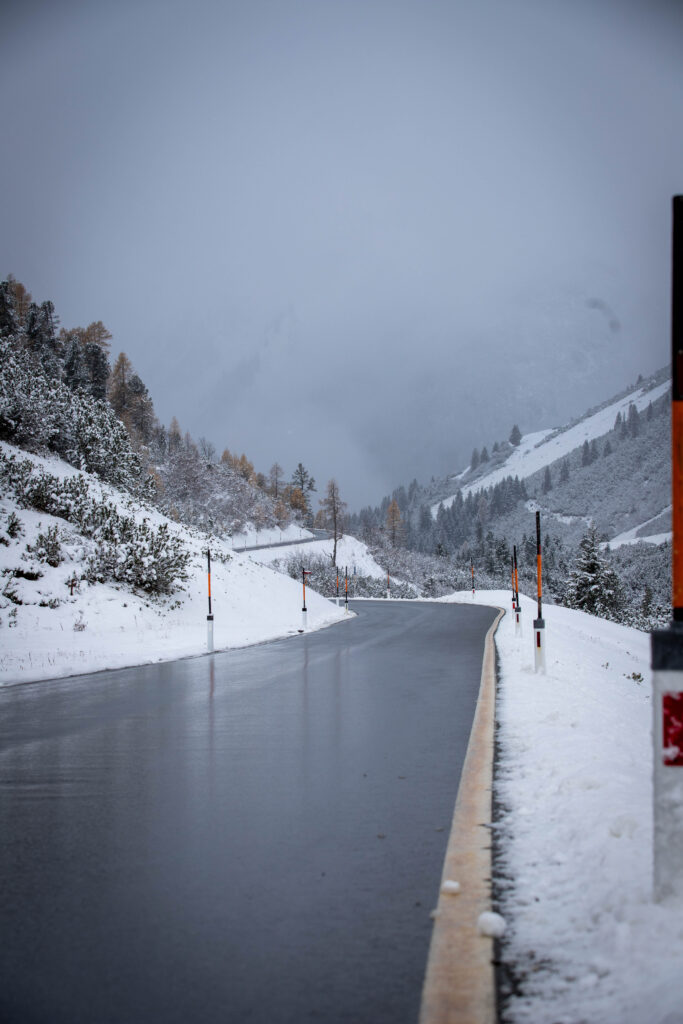
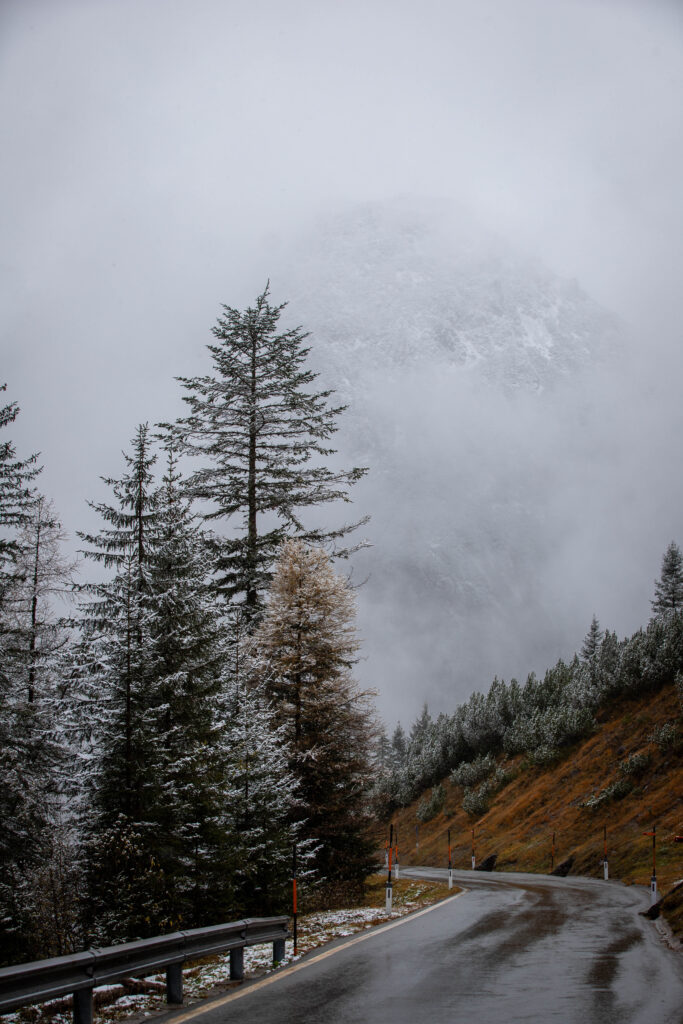
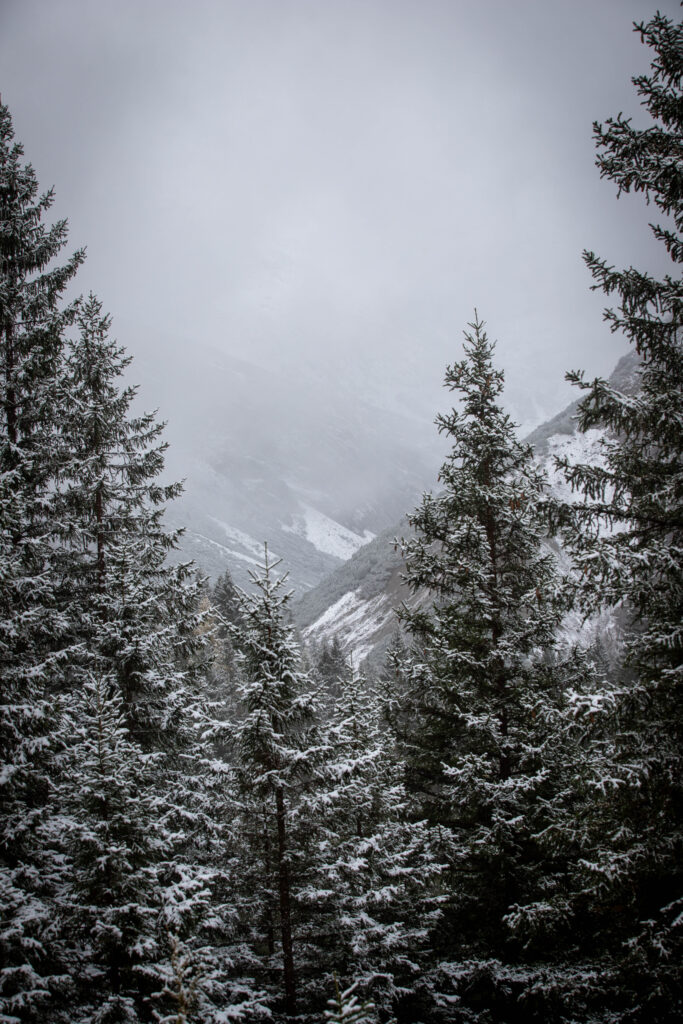
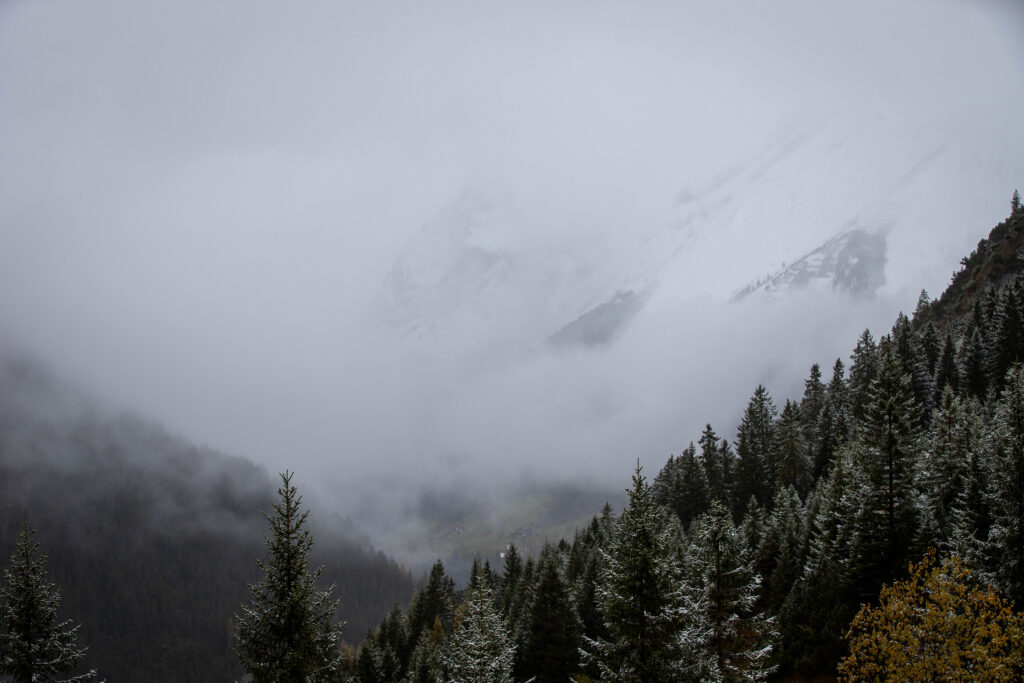
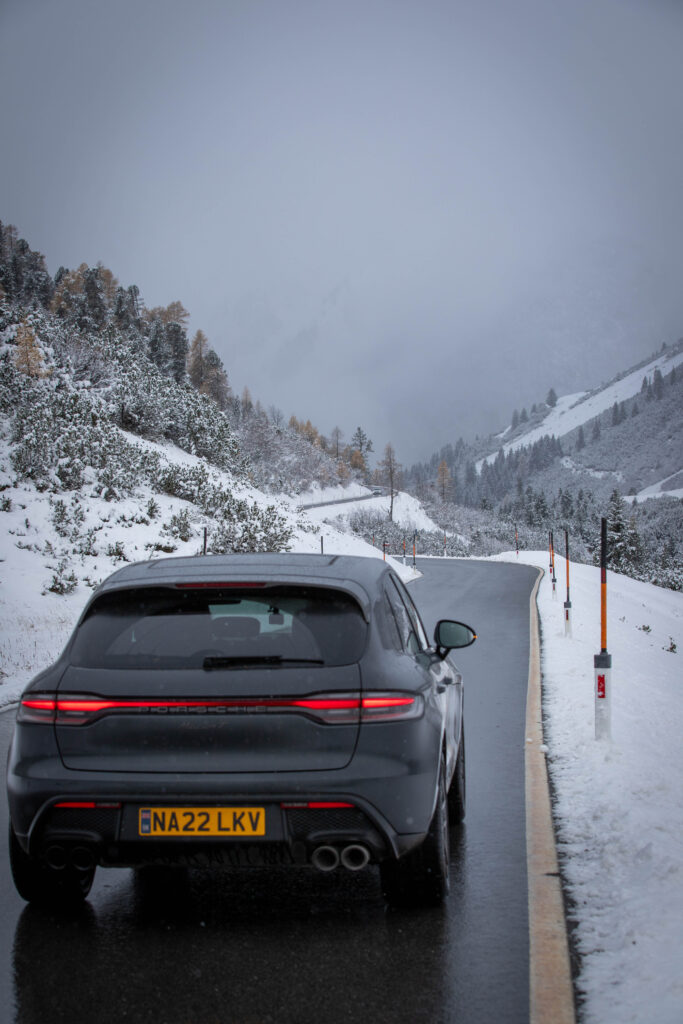
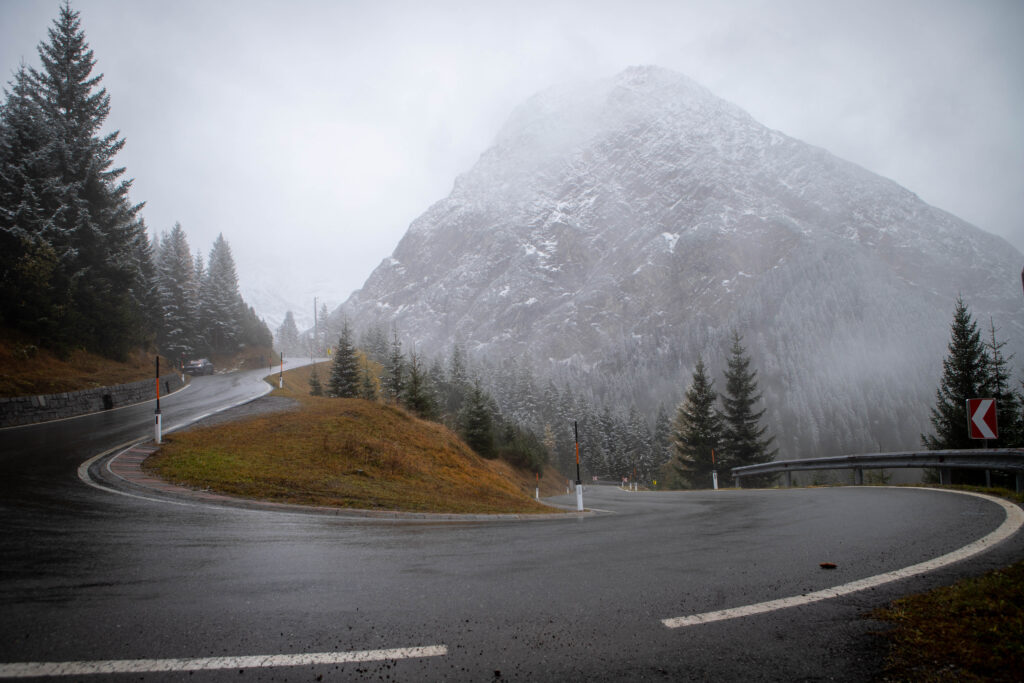
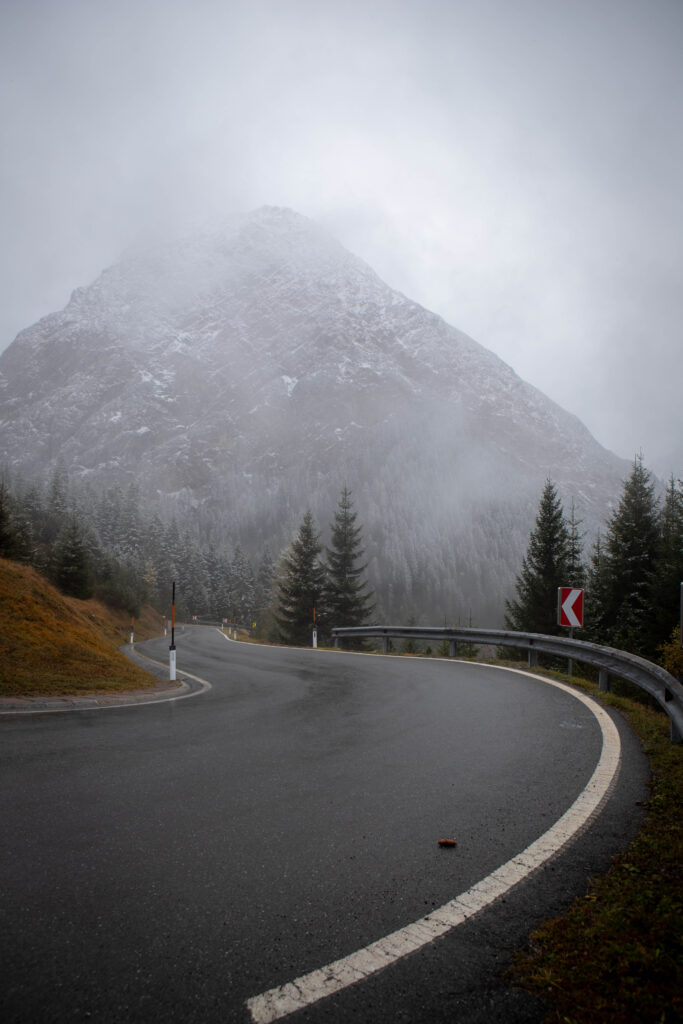
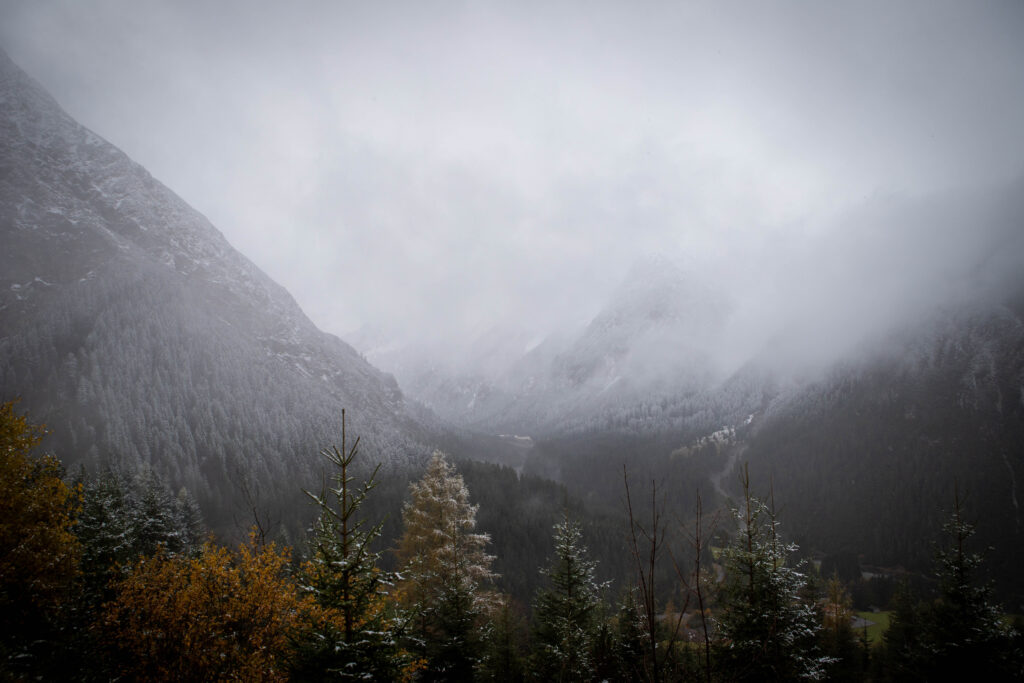
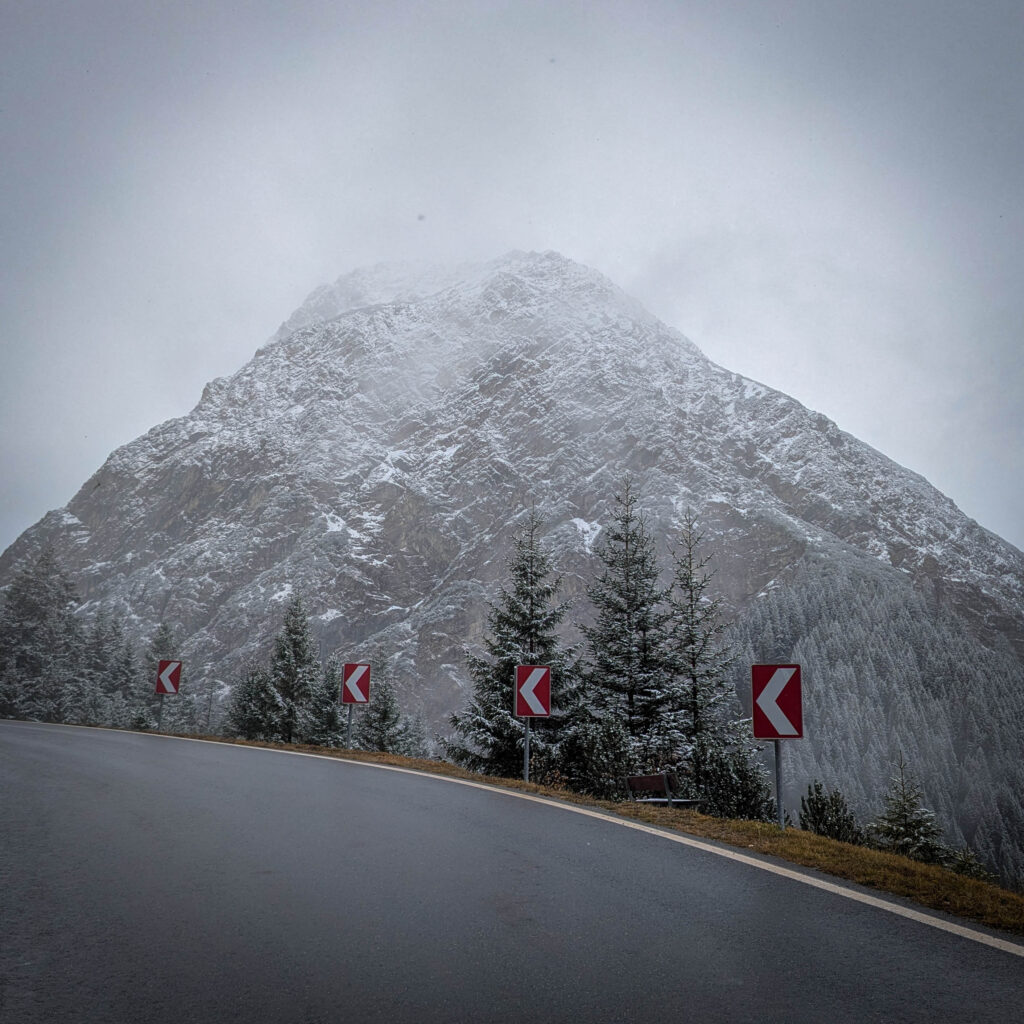
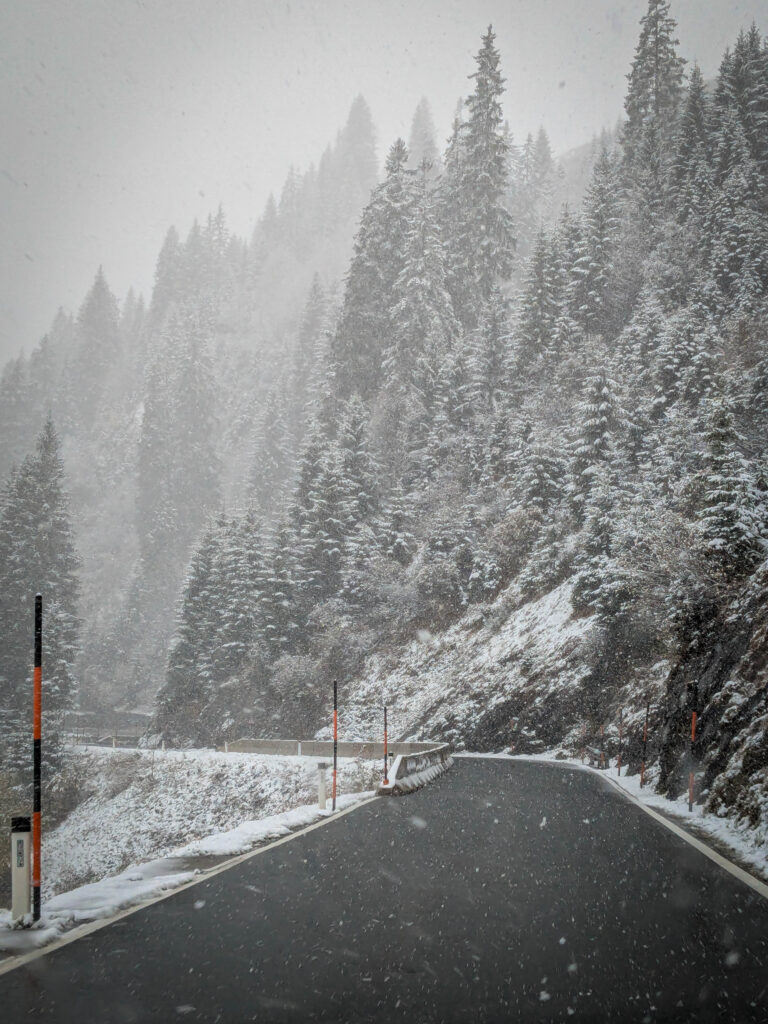
As we neared the Hahntennjoch the weather deteriorated rapidly. Rain turned to snow, which became heavier and as we climbed was settling on the ground and road in more places. The route was incredible though – continually twisting, turning roads, narrow lined with trees, then occasionally a glimpse of the mountains shrouded in cloud. Probably the prettiest route so far.
From here we continued on to a road which took us through a number of ski resorts including Lech, equally snowy and even narrower in places.
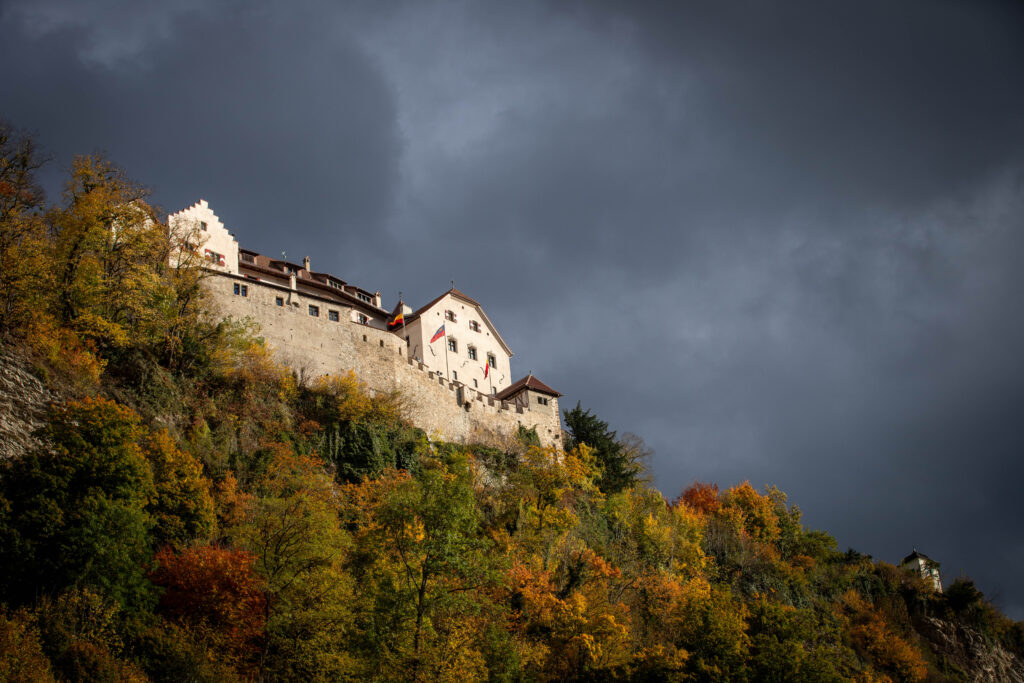
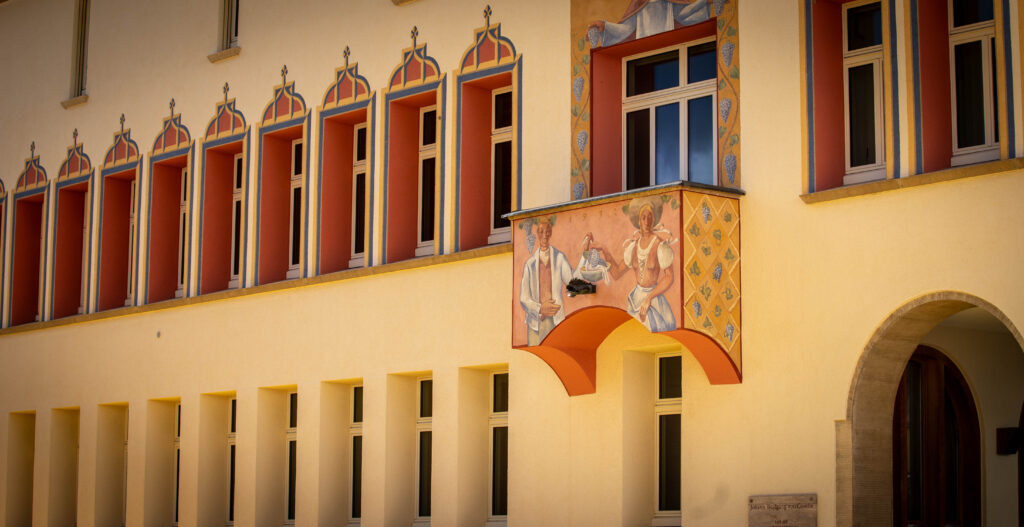
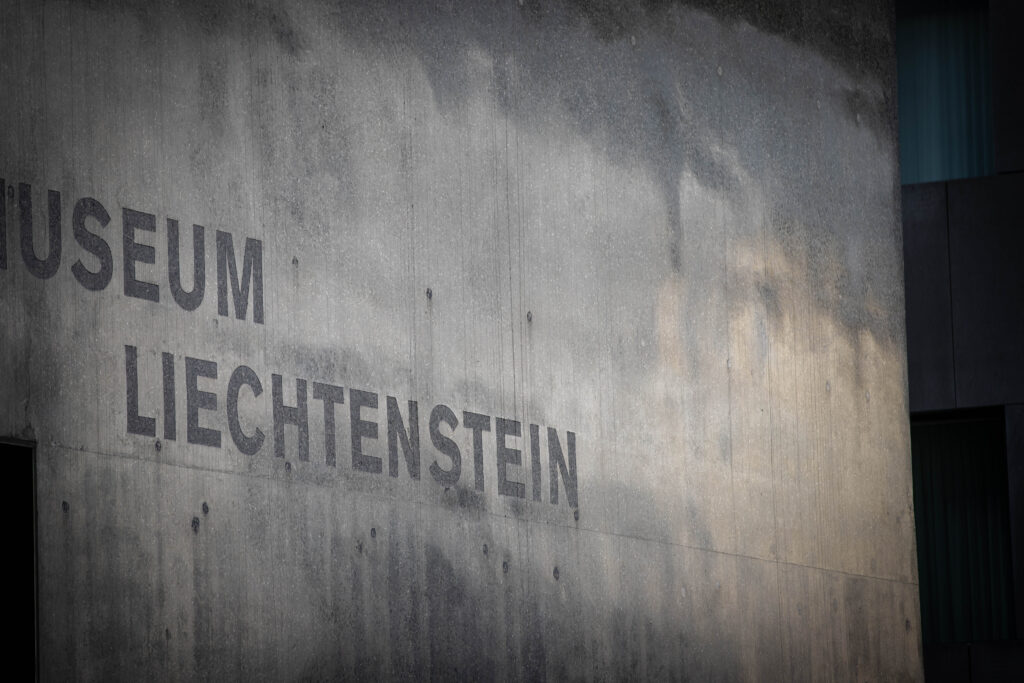
From here we travelled for an hour or so towards Lichtenstein, a tiny land-locked country of only around 40,000 inhabitants bordering Austria and Switzerland. A quick stop allowed for a cake, and a visit to two tourist attractions. The “Landesmuseum” contained a variety of things related to the country from nature to information on their part in the Second World War to archaeology. It was mostly interesting but the majority of the displays were annotated in German, which meant looking but not reading for the most part.
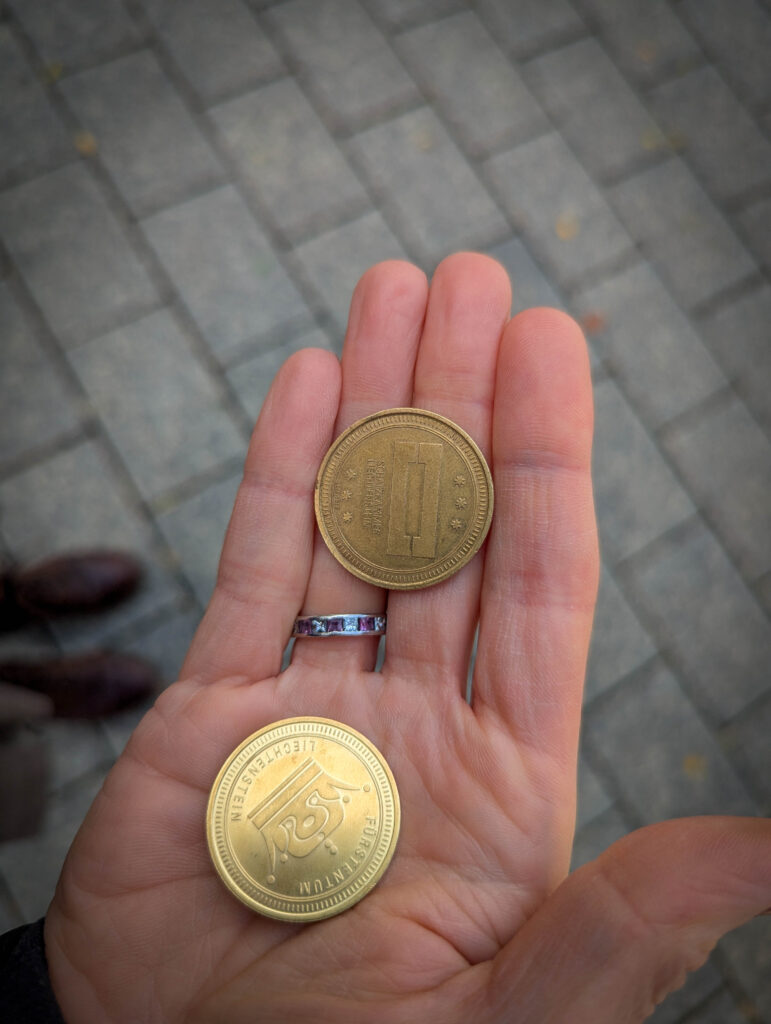
The “Treasury” was more interesting, containing some incredible Fabergé eggs. However strictly no photos were allowed. To get into the attraction you were given a coin, which gained you entry to an airlock space – for security I guess!
Before leaving we sent postcards to the children, from the tourist information office – staffed by a lady from Northampton who’d lived in Lichtenstein for 33 years!! And parking was free – all weekend, every weekend, apparently!!
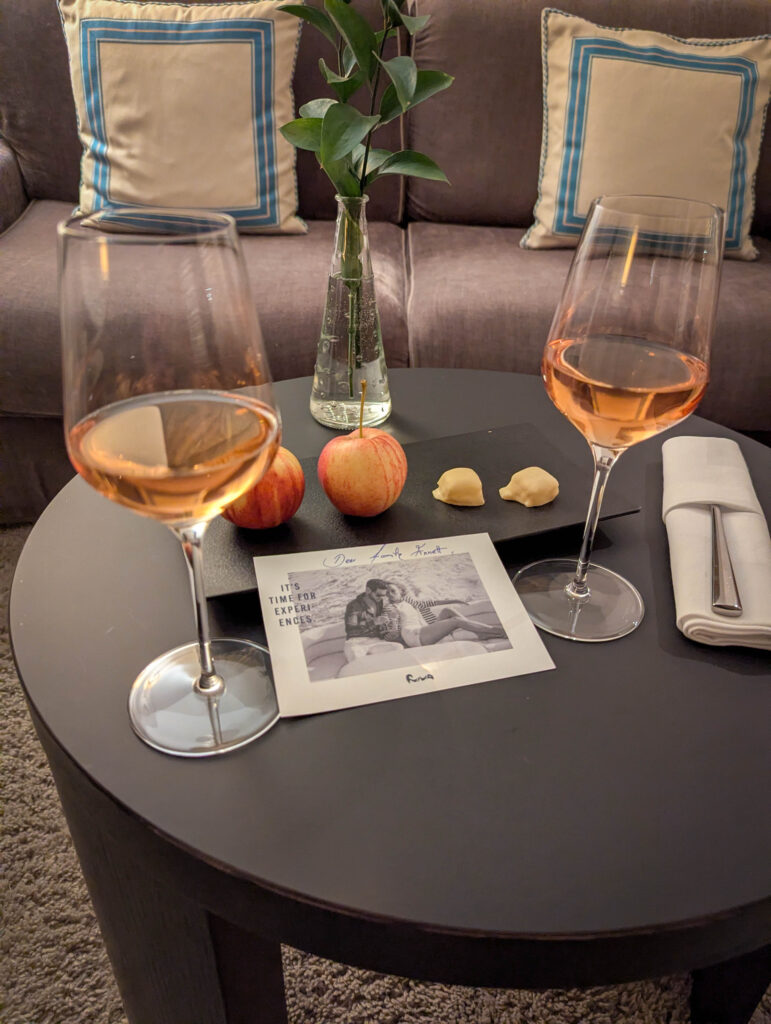
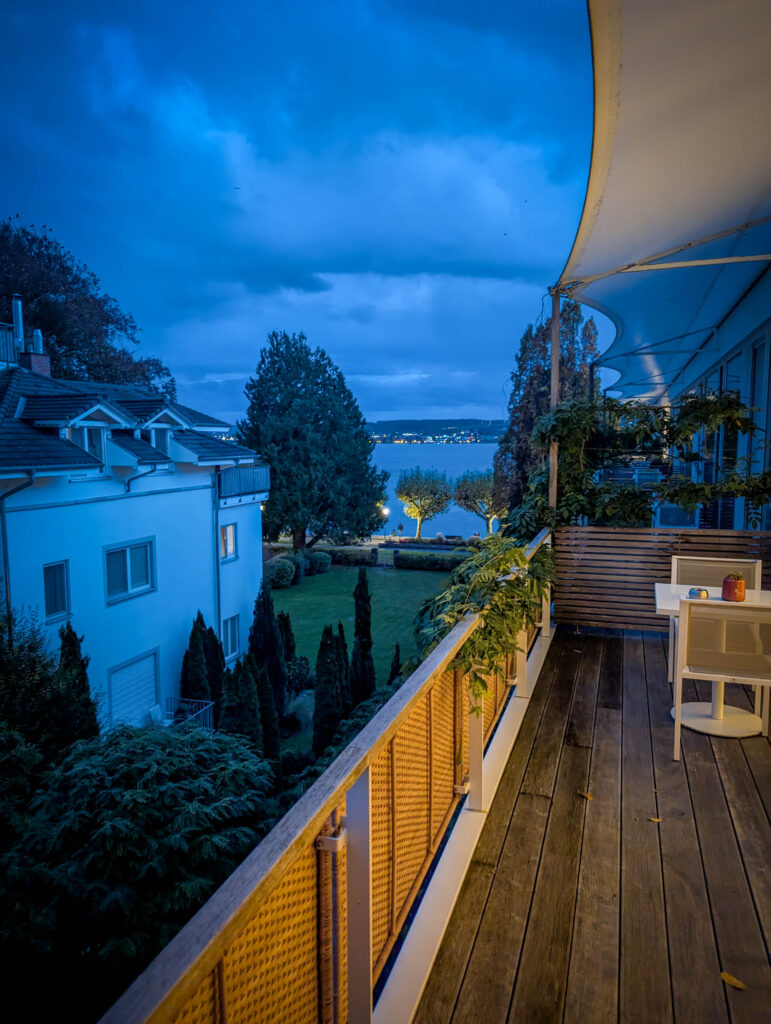
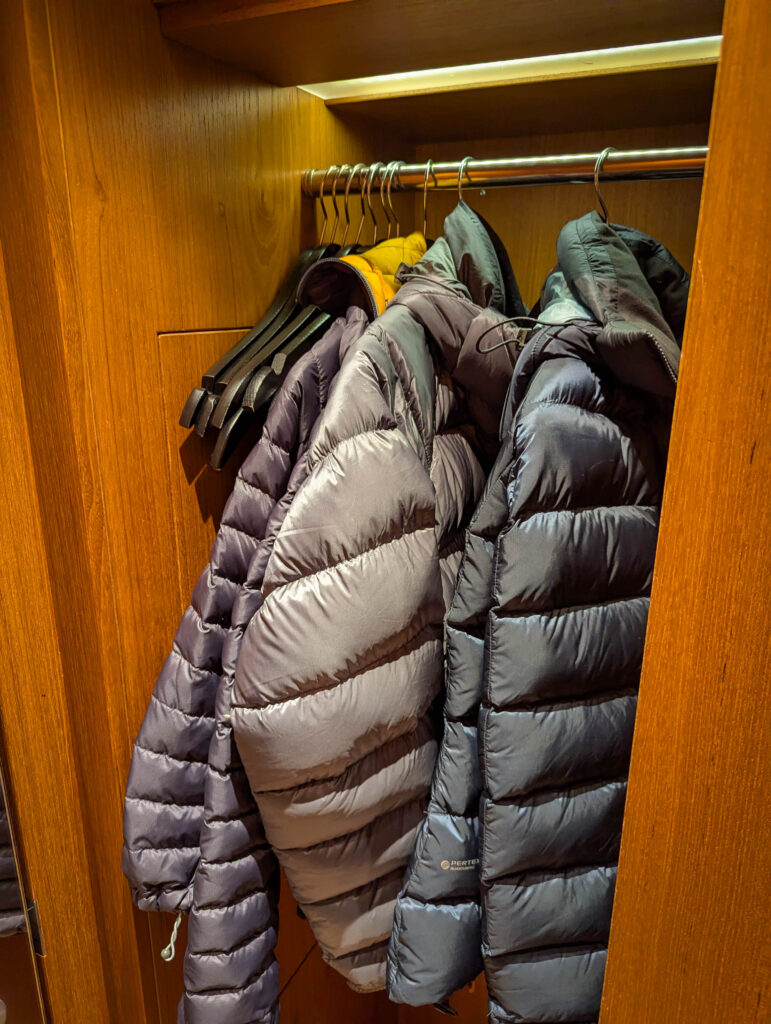
Back across the Swiss border we headed to our next hotel. This place really smashed it. On arrival the concierge took all our bags straight from the car to our room (even hanging our coats in the wardrobe), I parked the car in the garage under the hotel (as the concierge wasn’t keen on parking a right hand drive car….fair enough!) and we were met in reception with sparkling wine from the receptionist. Once checked in, he took us to our room, giving us a tour of our home for the next 2 days before letting us know when we were ready he’d take us on a tour of the hotel. Whilst unpacking we had a ring from our doorbell and a hotel worker offered us petit-fours to add to the chocolates and apples that were already in the room.
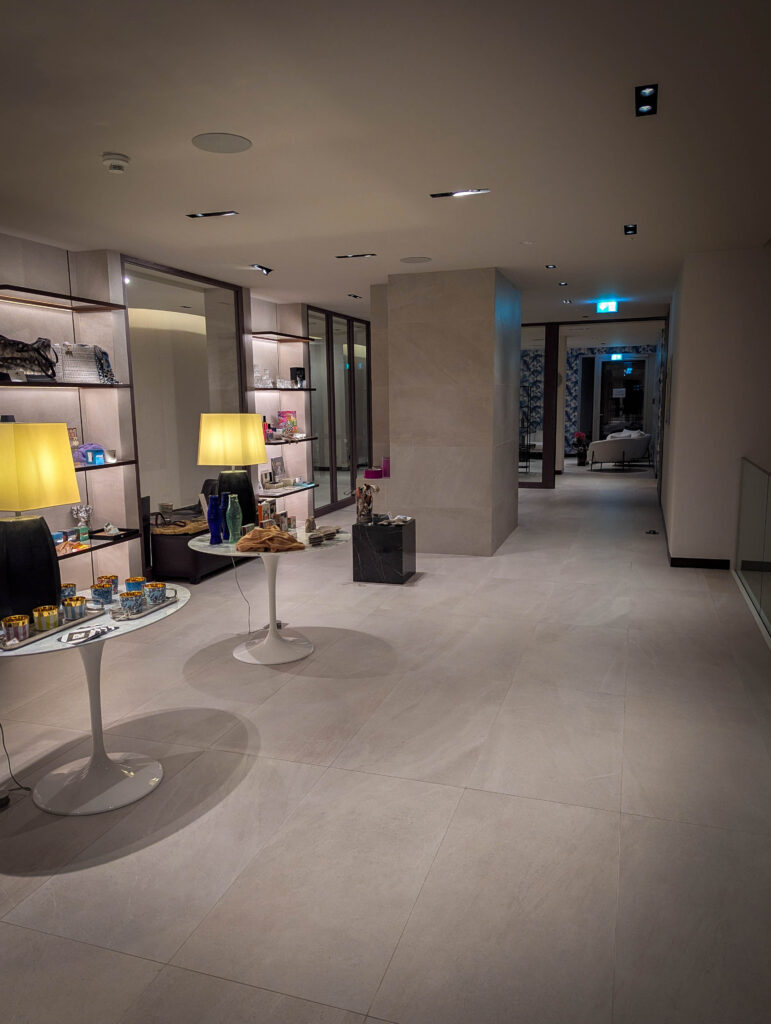
We returned to reception straight away, for our guided tour, keen to see what was on offer. What a hotel and great welcome experience, probably one of the best we’ve ever had.
Once rested and showered we headed to dinner. The Michelin 2 star restaurant was closed (staff holiday!), but their other restaurant was not. Incredible food, probably the best we’ve had so far this holiday.
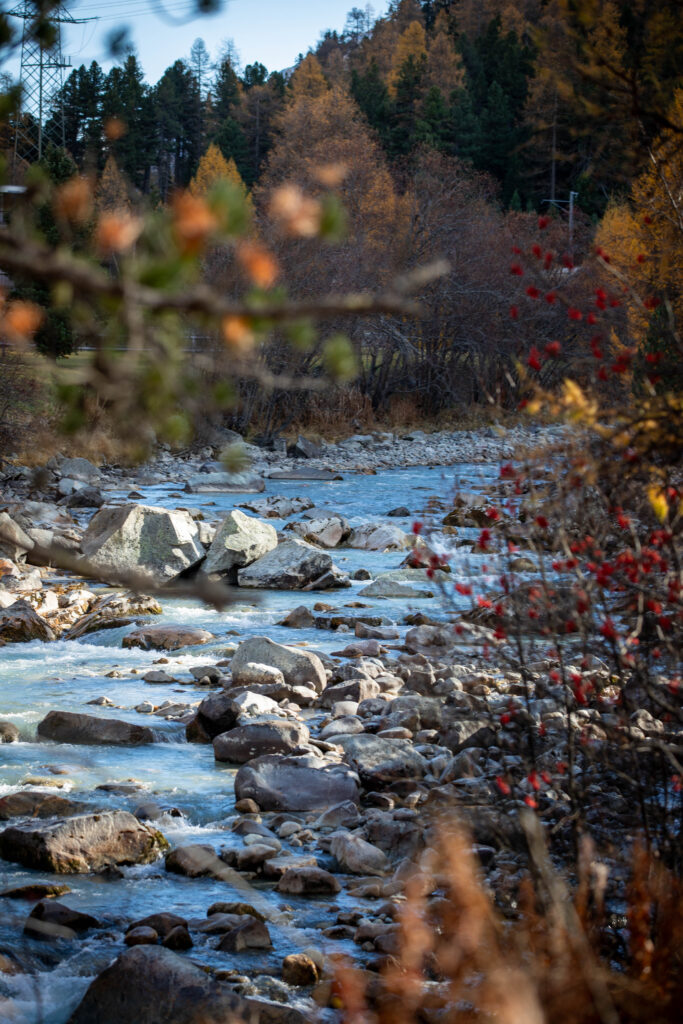
Today would take us to the farthest point of our road trip, an Austrian ski resort called Seefeld-in-Tirol. We decided to start the day with some exercise, however decided that -4 degrees Celsius was not the temperature for running at moderate altitude, so after breakfast opted for a walk in our big coats instead. Jo was initially quite irritated as her birding app couldn’t hear any tweeting due to the noise of the nearby river) but eventually it worked and she heard something that pleased her – probably a sparrow, or a golden eagle, or something equally feathery.
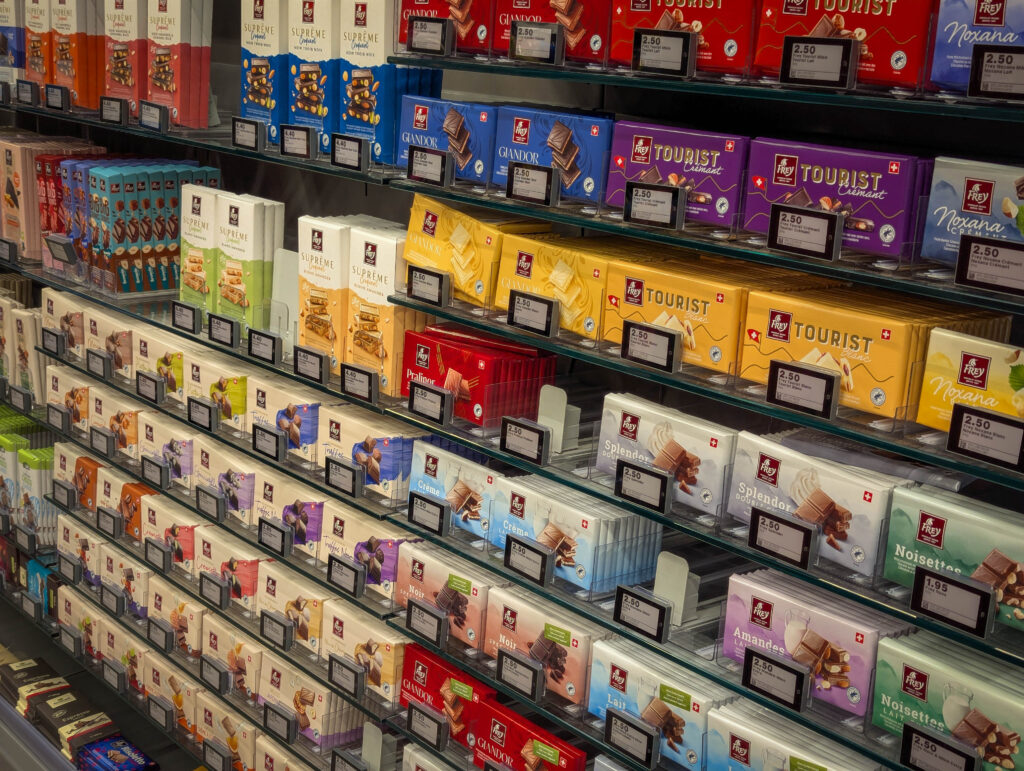
We set off a little later than normal, stopping for fuel (in Switzerland you have to donate a kidney with each tank of petrol) and went into a supermarket for fruit for the car – we’re being very good with our car snacks, only fruit is allowed. However Jo did find the chocolate aisle….
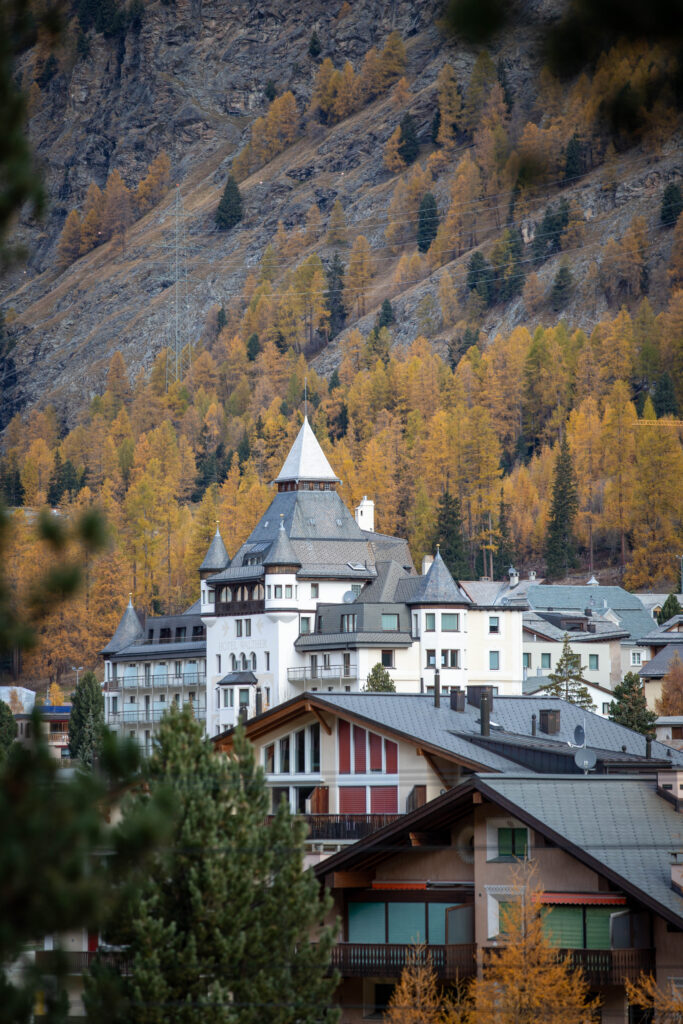
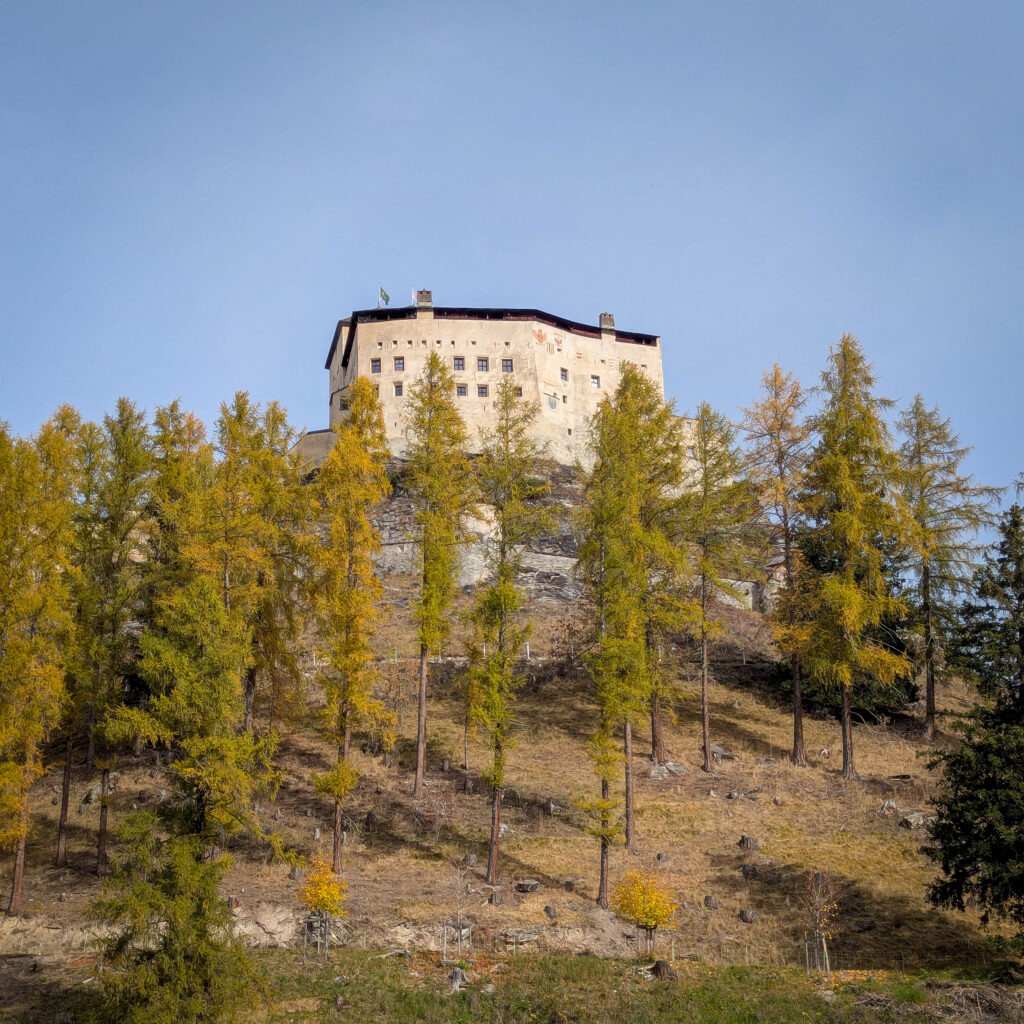
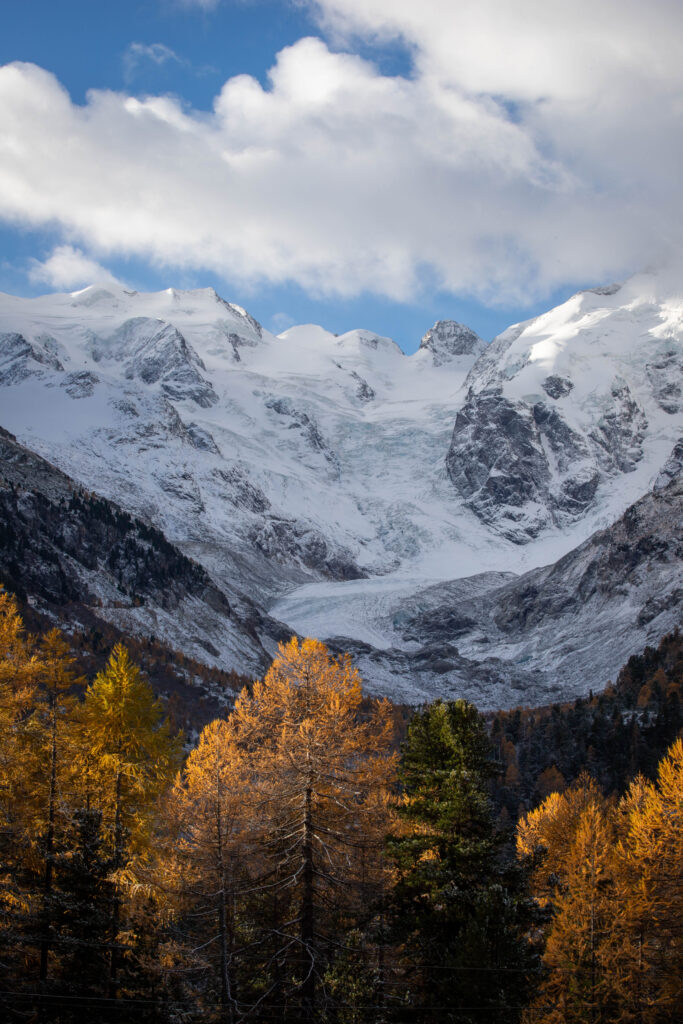
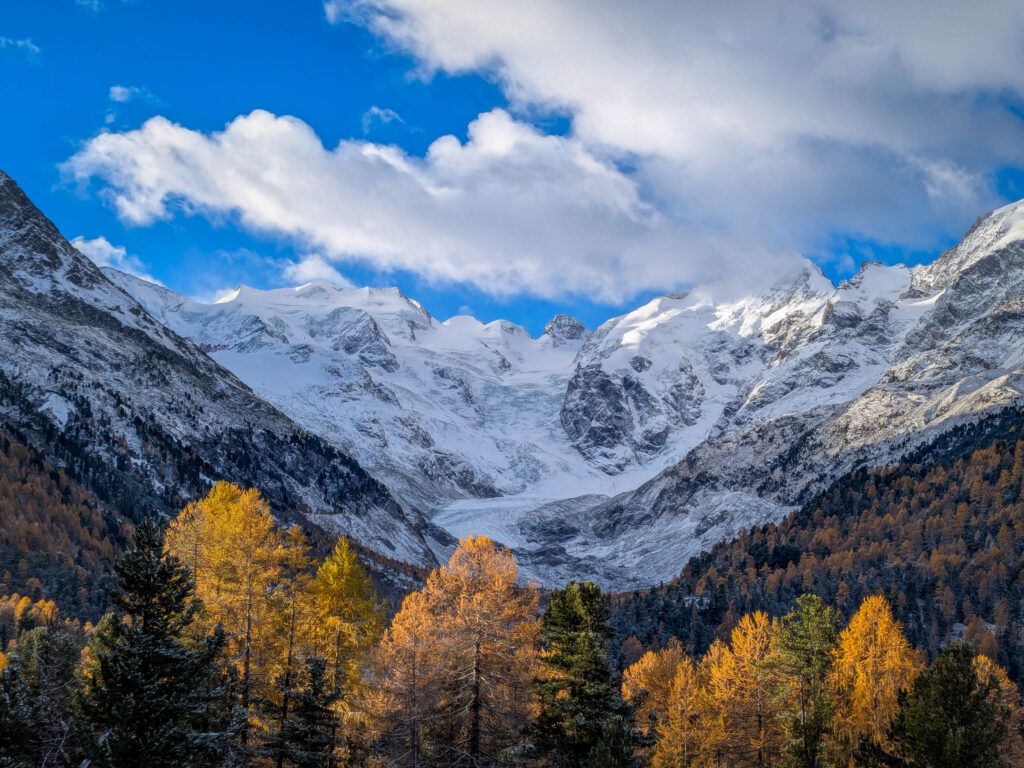
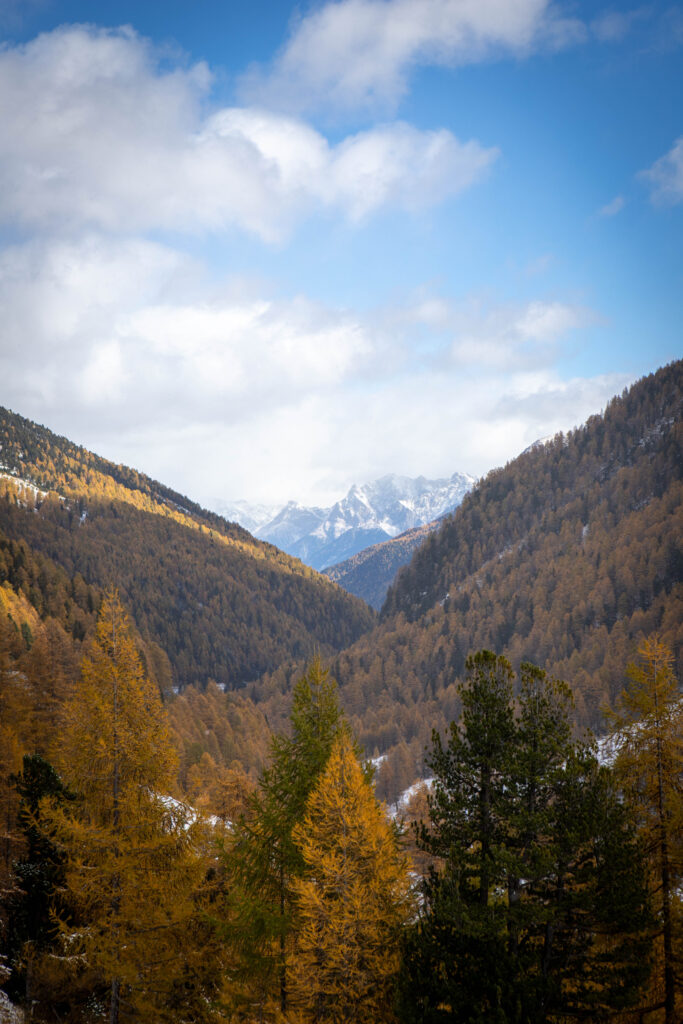
Once replenished with fuel and fruit we headed off. It was a simple route today – direct to Seefeld via a castle on a hill and a glacier, both out and back diversions from the main route. The first part of the journey took us down the Engadin valley, which was where Pontresina was and seemingly stretched a very long way towards and into Austria with the border running along the river at the bottom. There were roads either side (both Austrian and Swiss) though the other side looked slightly more precarious than ours. Another border crossed into Austria and we stopped briefly at Schloss Tarasp, a castle perched on top of a hill. We arrived too early for the daily 1 hour afternoon slot tourists could visit (we hadn’t planned to stop though).
Our next stop was the Kaunertal glacier. All we knew was that there was a road which went alongside a glacier until you could go no further, from where you’d turn around and come back. We didn’t expect a toll gate at the entrance – €28 paid. From here we wound slowly upwards, from about 1,200m at the gate to 2,750m at the farthest point, taking around 30 minutes.
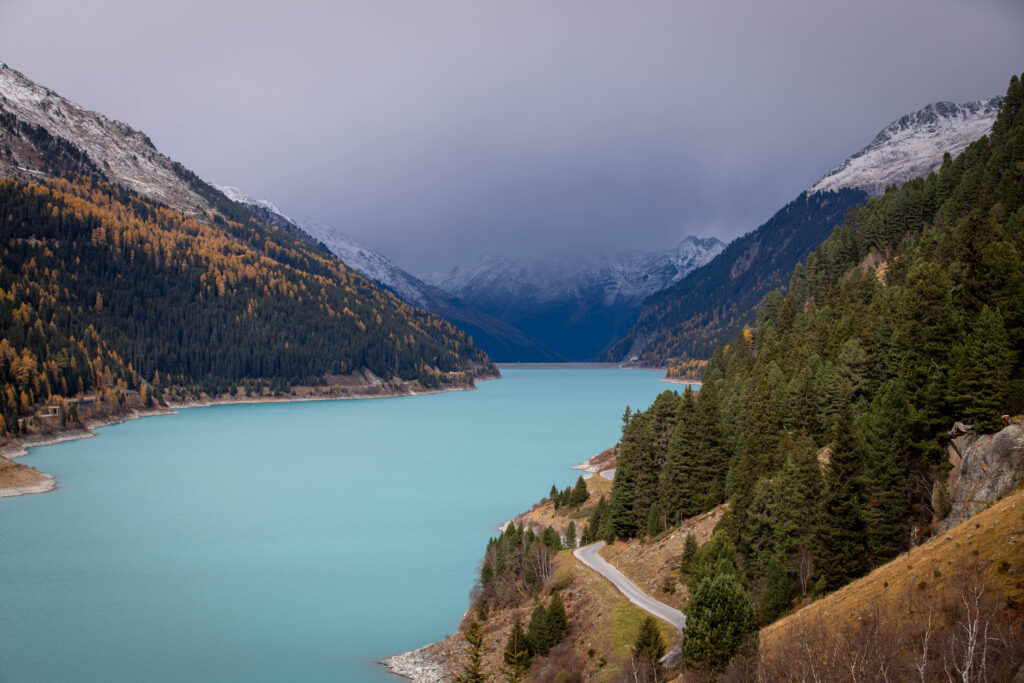
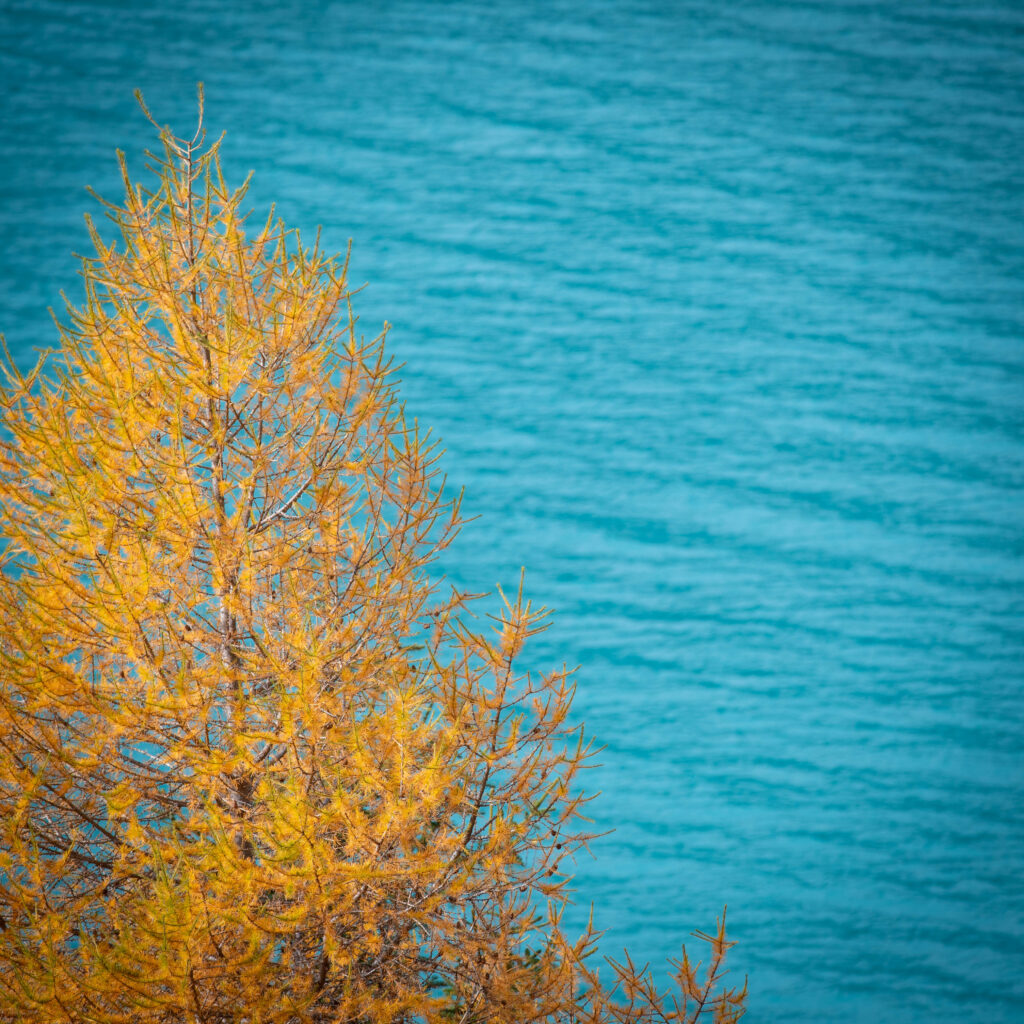
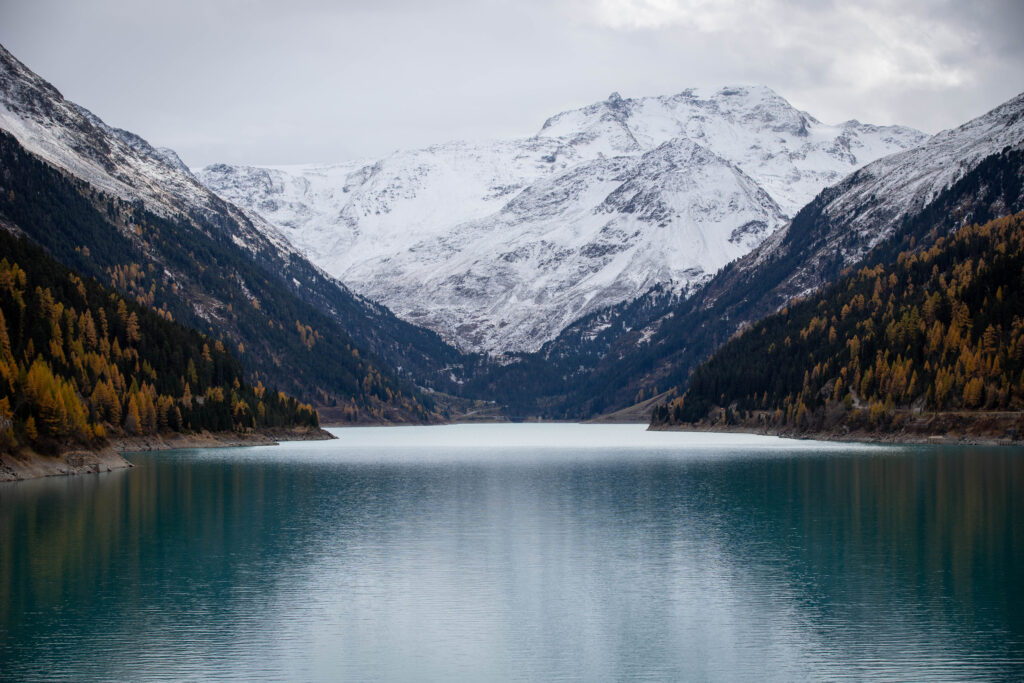
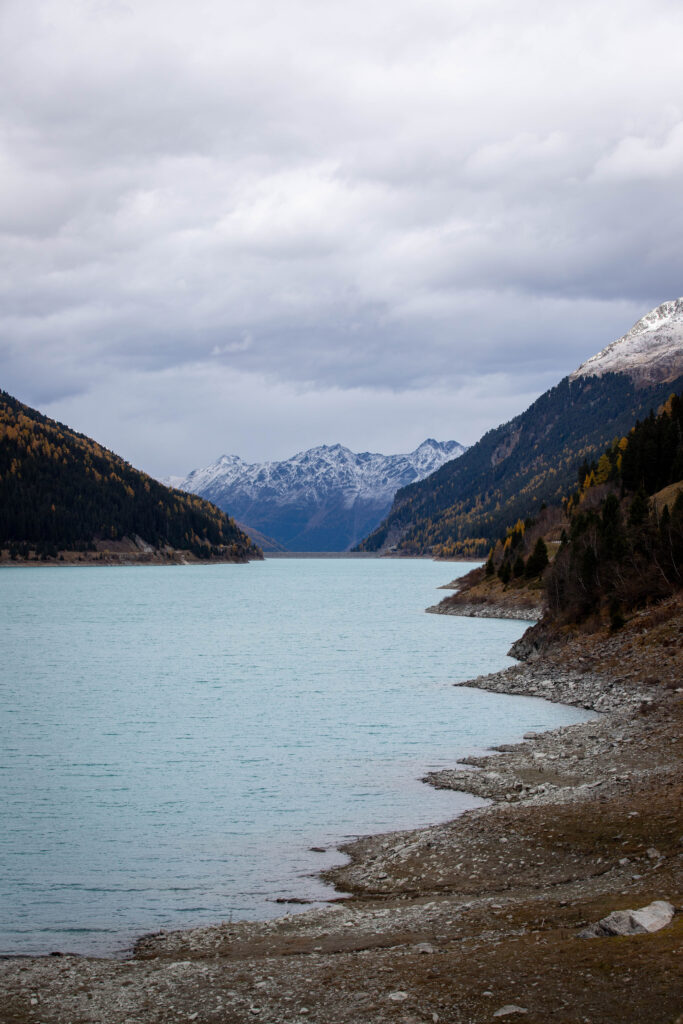
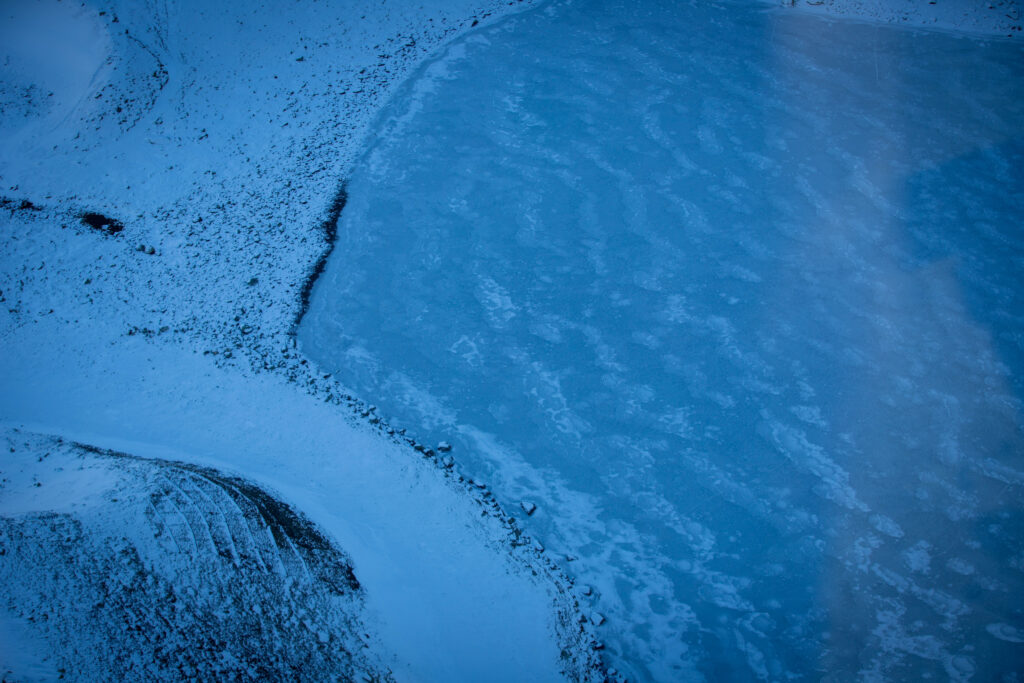
After an entertaining driving road, we found a huge dam wall, behind which was a large bright blue lake. We’re not clear why the water was being retained, as there was no hydroelectric power station or any obvious sign of water coming from the dam – which was just a huge rocky barrier.
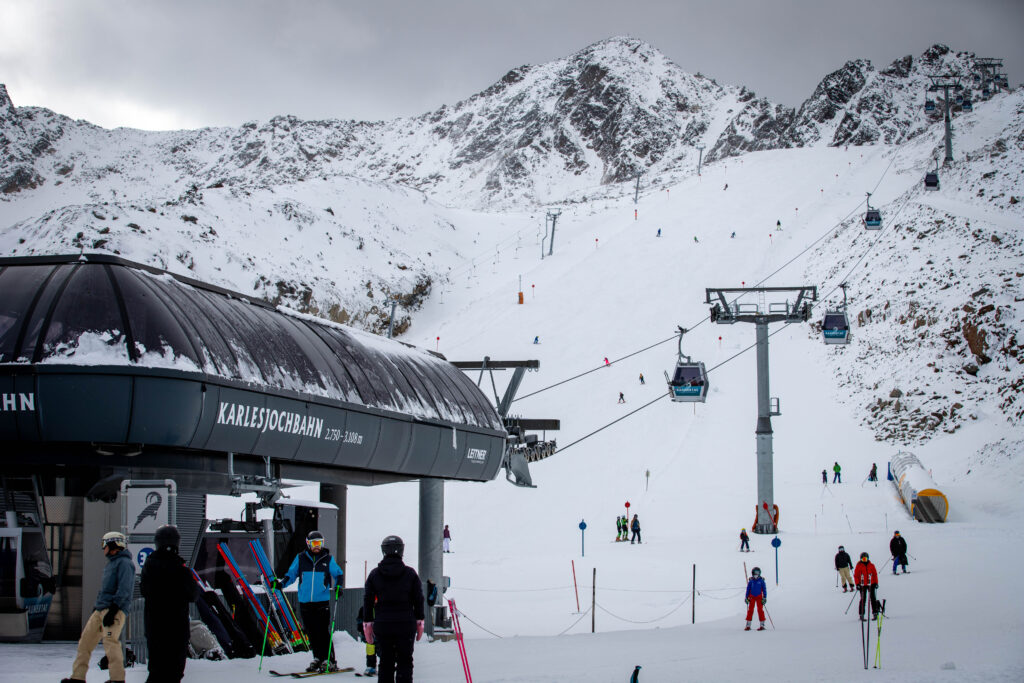
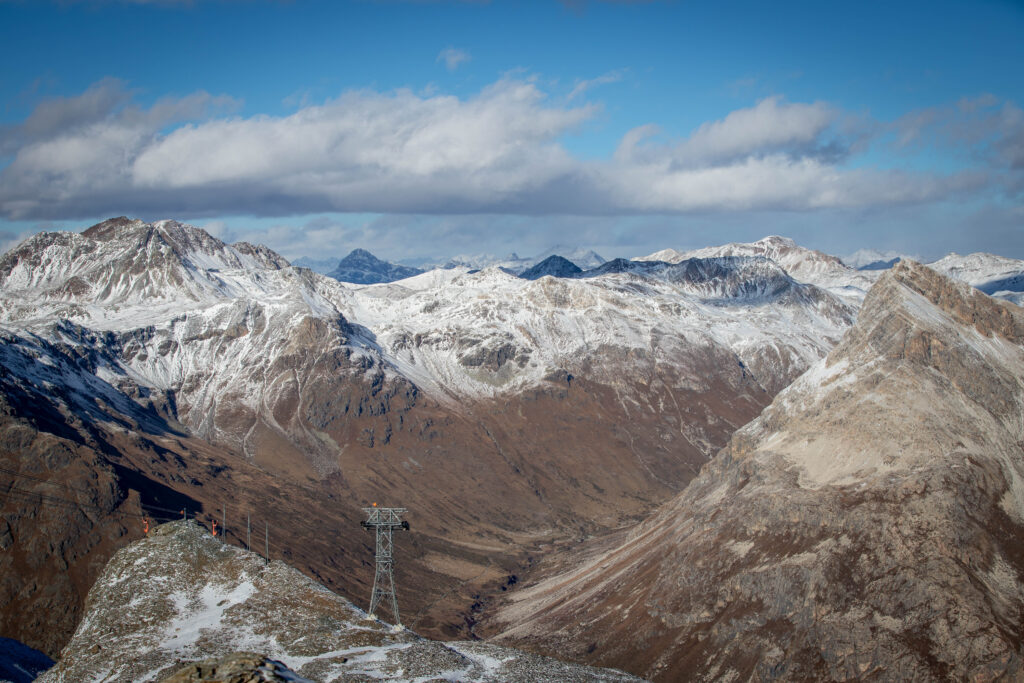
We kept going up, and up. The road became narrower and twistier until we arrived at the end. There was a ski resort! Cable cars, lifts, a big restaurant, a ski shop, it was all there! We’d met very few cars on our way up, but in the car park were probably 200 cars with loads of skiers enjoying the snow. The views were pretty spectacular too.
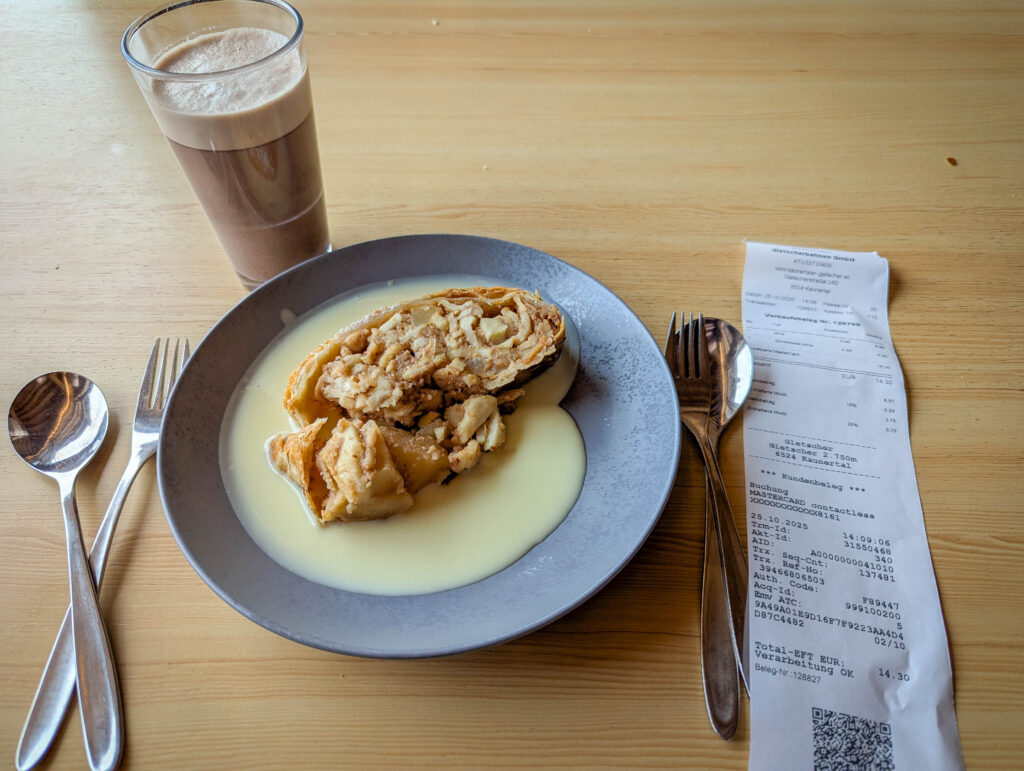
Whilst here we decided to get a hot chocolate, which turned into a hot chocolate and a slice of strudel and custard. Unfortunately we failed to use the correct cup for the hot chocolate…an Austrian restaurant assistant didn’t look too impressed, but removed our mess, replaced the cup, and filled a correctly sized vessel for us. The strudel was excellent…unfortunately it cost almost €10. Jo tells me she didn’t get much hot chocolate – I thought she needed to pay more attention to playing her part in the activity of sharing.
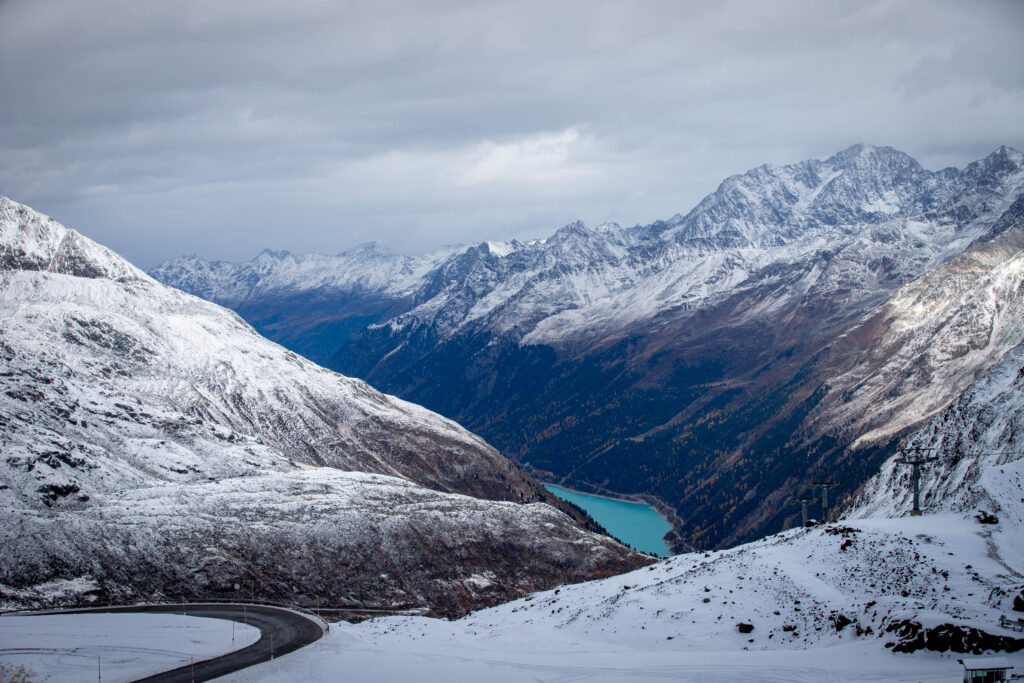
On the way back down the glacier, the views were incredible, and we stopped a few times to take more pictures.
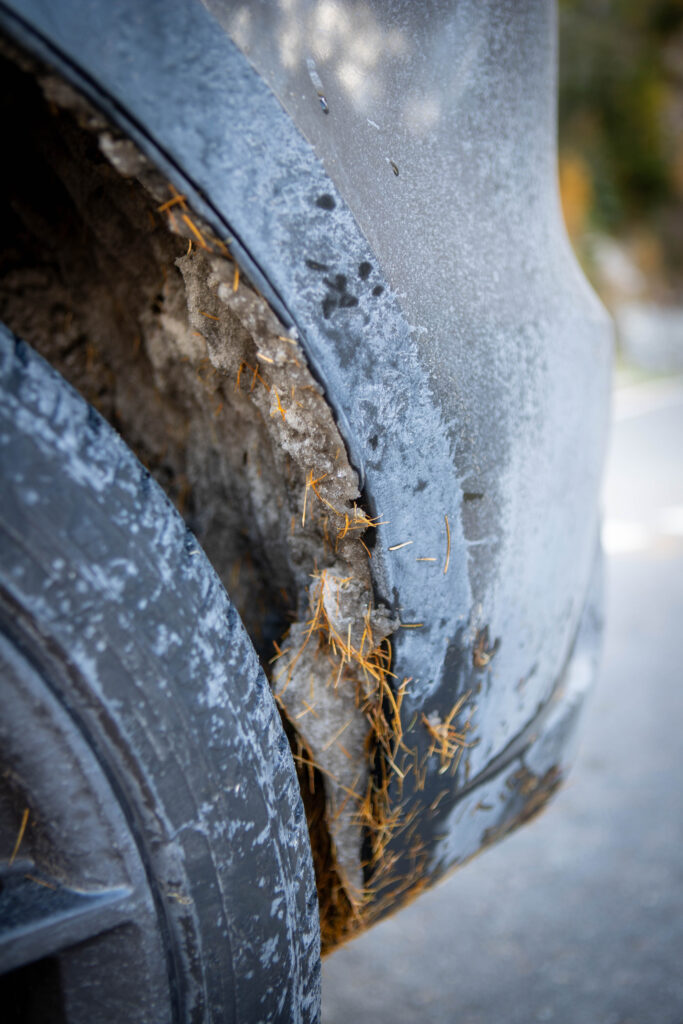
Once back through the toll gate we returned to the route and headed on to Seefeld. The weather had begun to deteriorate and the rain came again, which probably helped clean the car a little.
On arrival at the next hotel we unloaded and checked in – unfortunately not a great start as the receptionist didn’t seem that interested in us. He didn’t explain anything about the hotel, or ask if we wanted to book dinner, or how the spa worked, or where the lift to our room was. We were on the top floor in one of 5 rooms, but only one lift took us there – something he failed to tell us, and which we found out the hard way. Unimpressed Krumers Alpin, you’ve failed the basic guest test and will be judged accordingly.
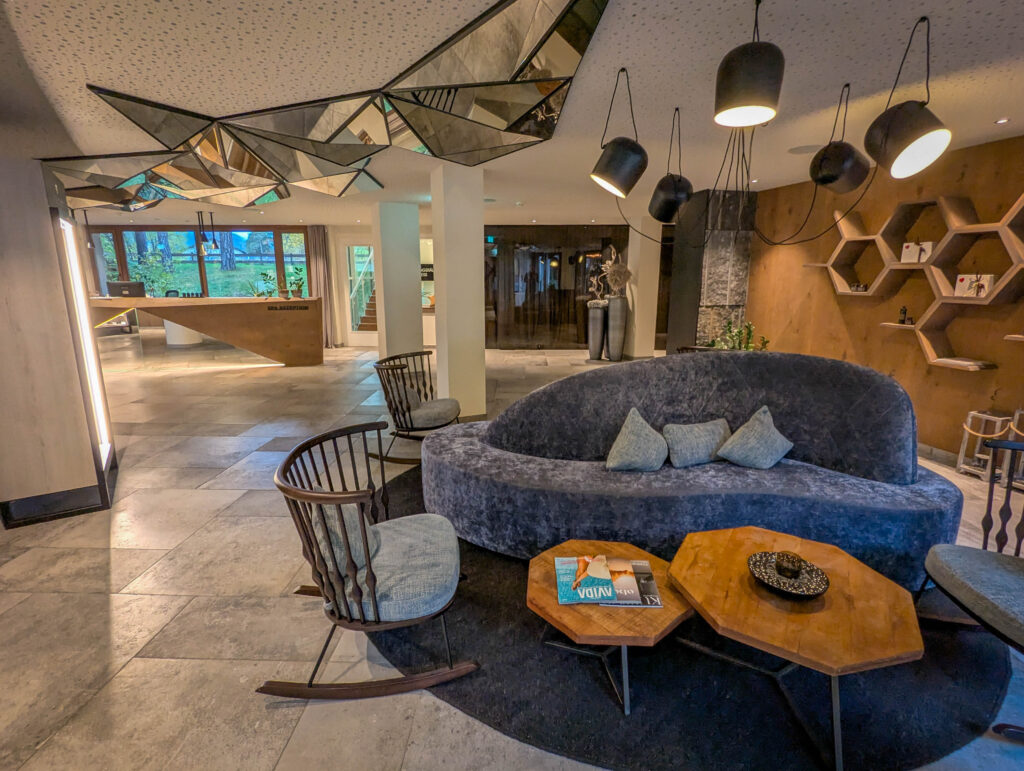
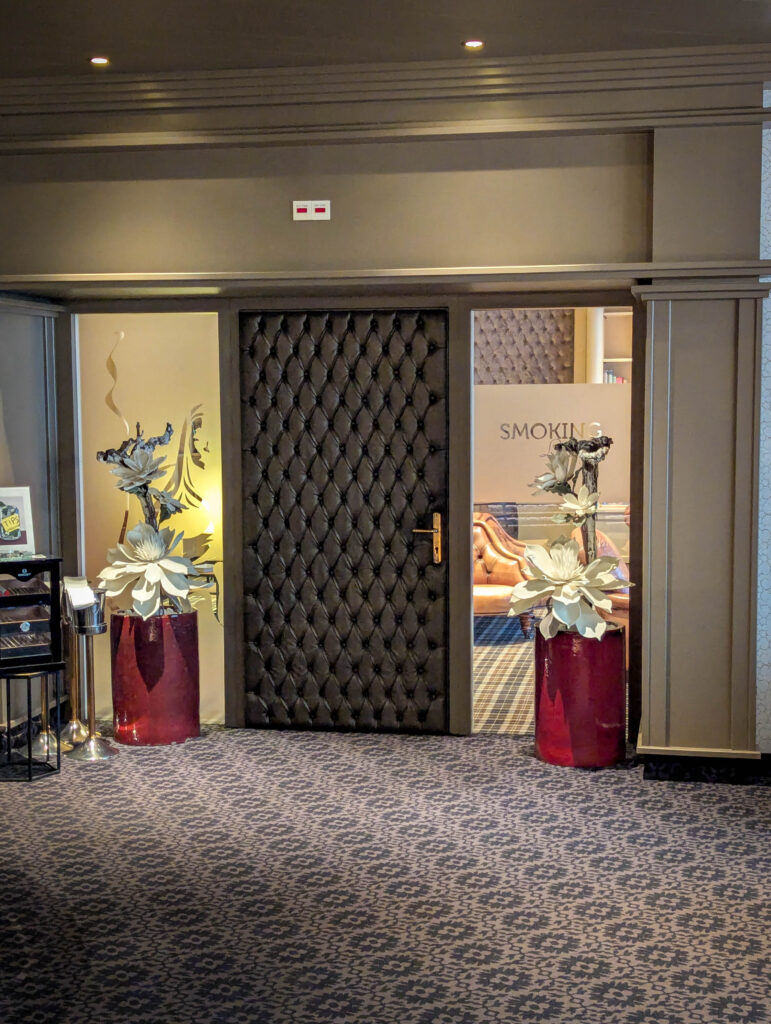
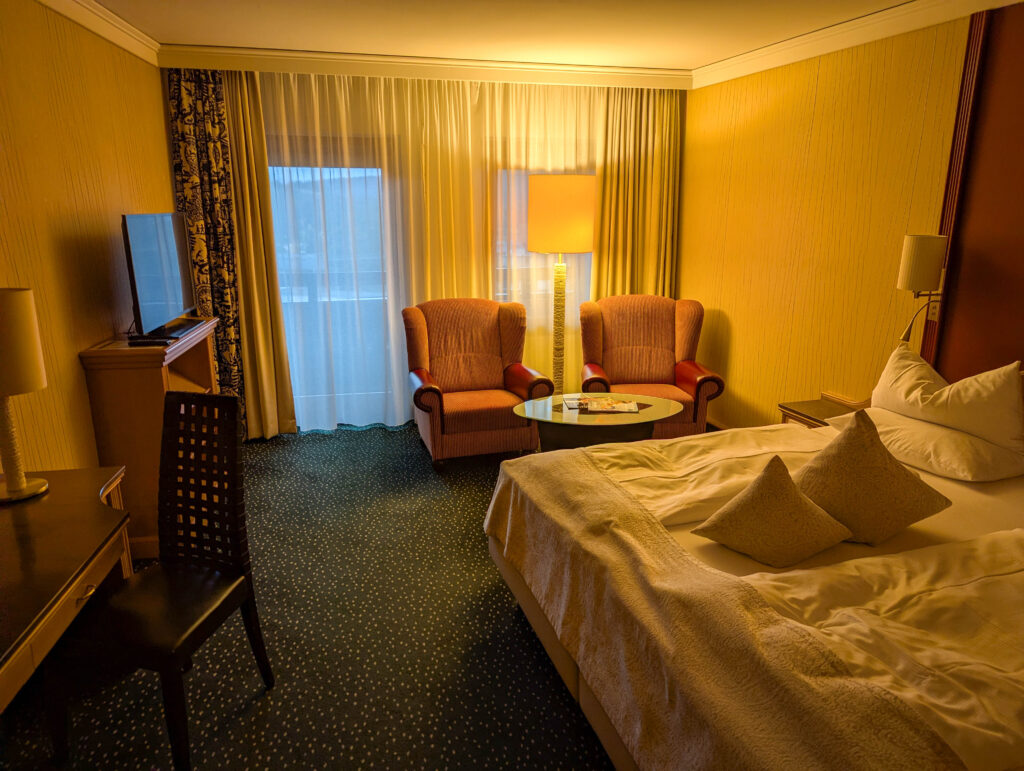
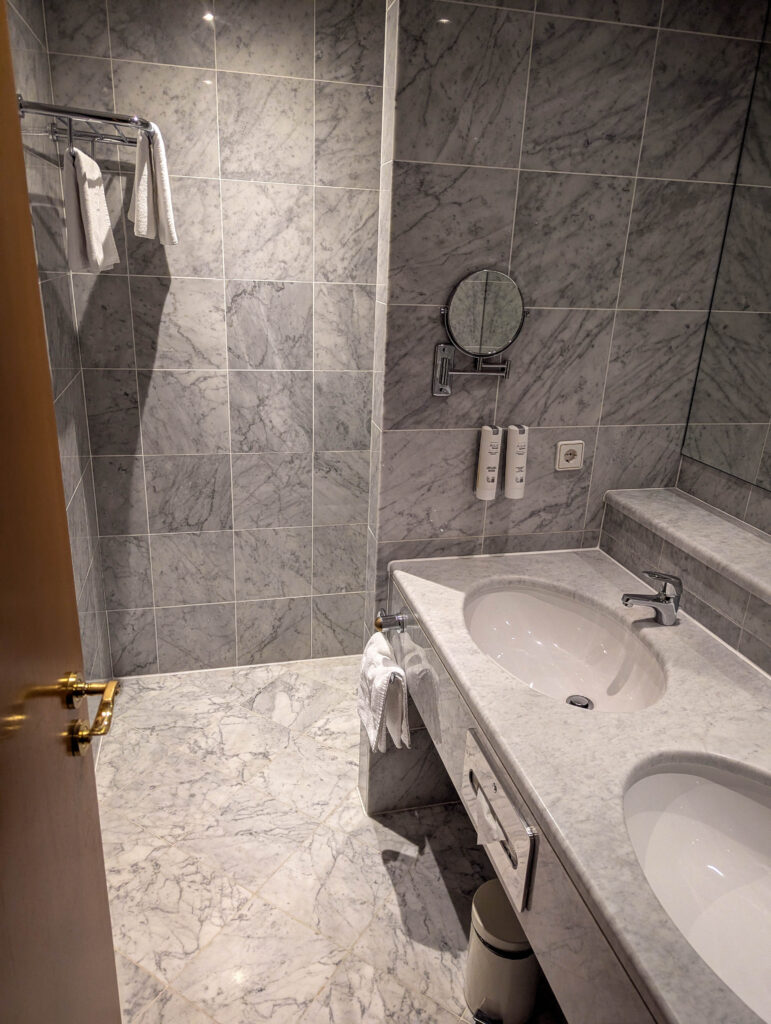
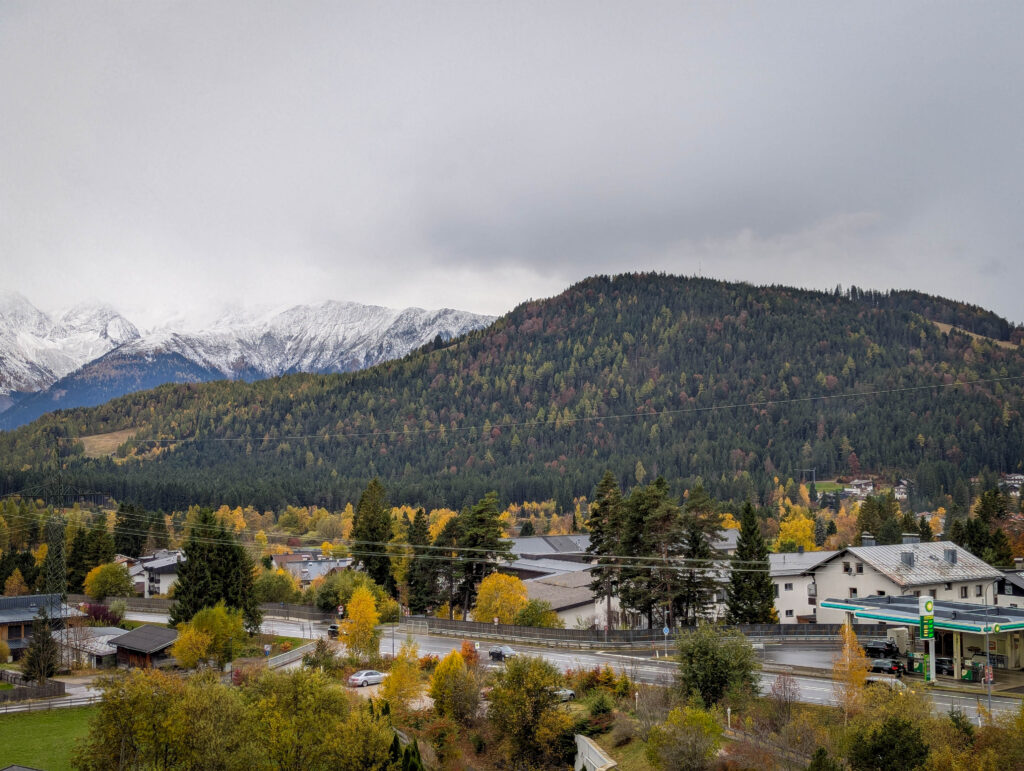
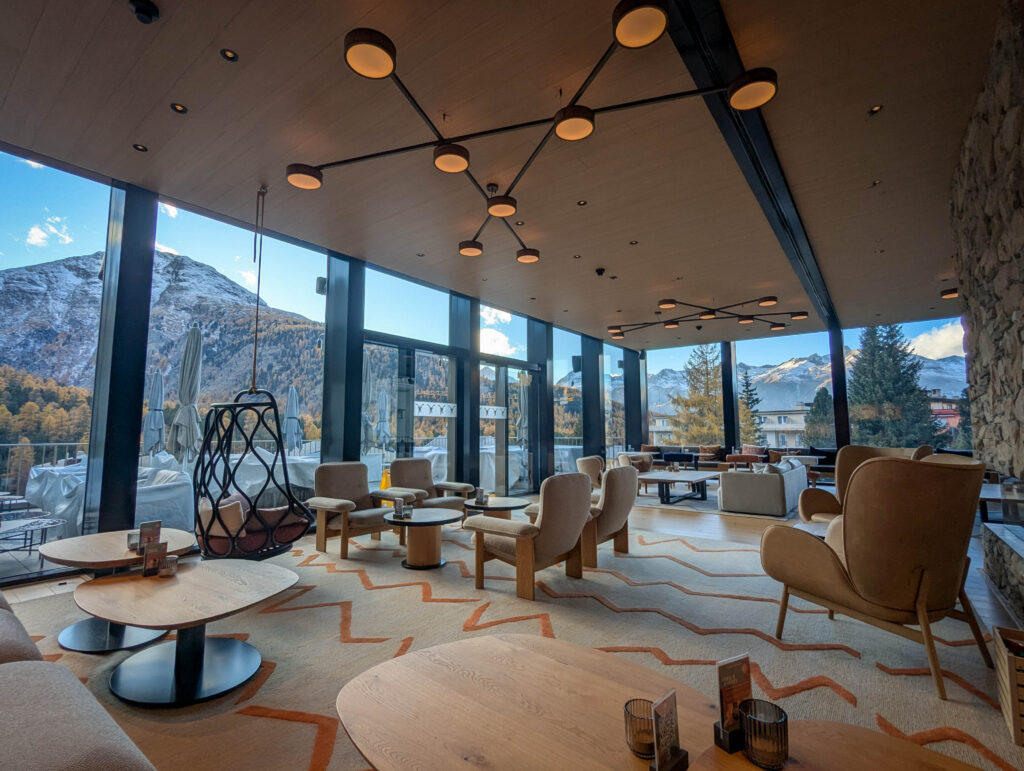
Once we eventually found the room, it was pleasant enough. In contrast to the communal areas of the hotel which were very modern, the room was very old-school hotel, like something we would have stayed in 30 years ago. The room, probably like all hotel rooms in Austria, smelled lightly of cigarettes. In fact the hotel has its own Smoking Room in the bar area – bit backward this place!! But the view from the room was excellent.
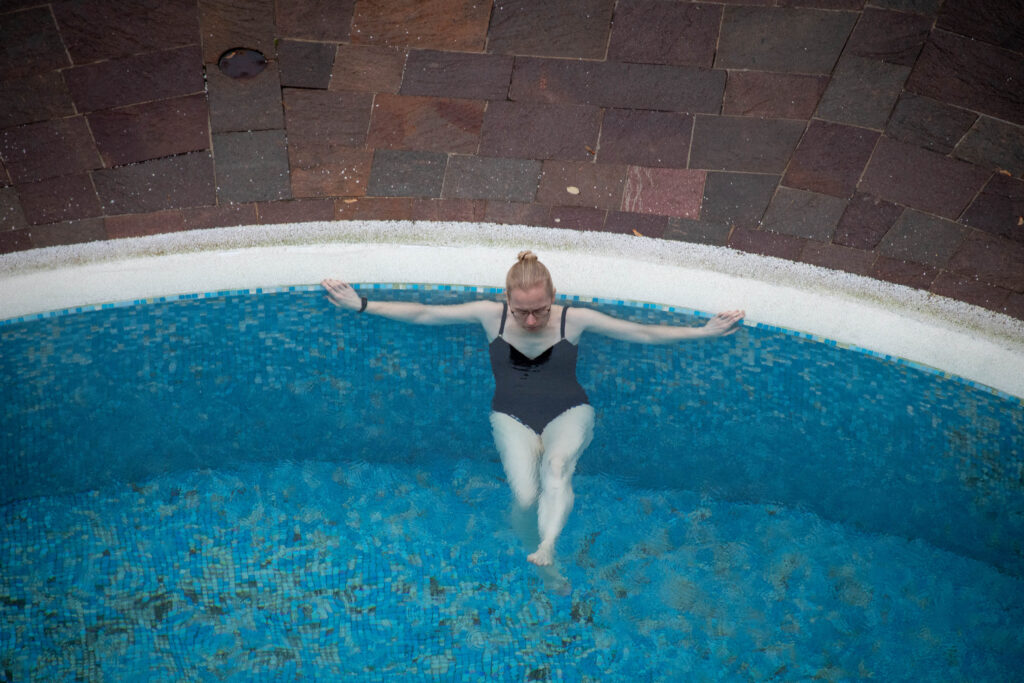
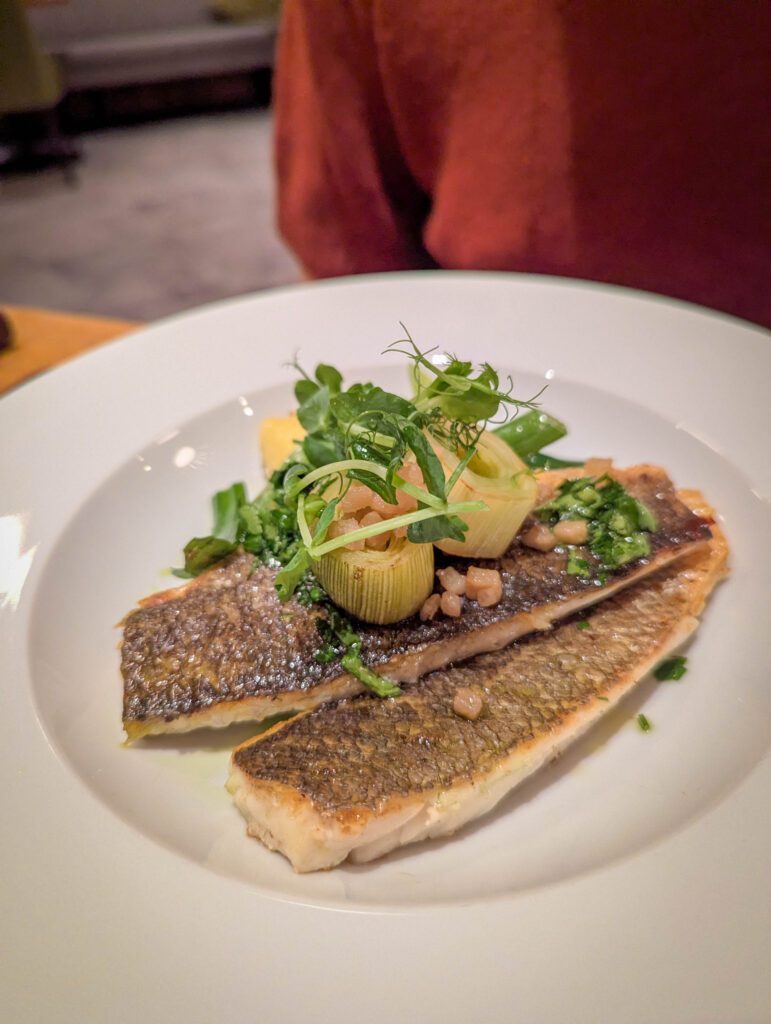
Before dinner Jo went for a swim and a sauna – but the clothed “textile” sauna, not the naked sauna. We headed to the bar for a drink, then dinner. The waitress was pushing the 5 course buffet dinner – but for us this would have been far too much food, so we picked from the very short a la carte menu. The waitress did seem slightly confused, but I explained we were eating out in numerous locations for weeks and didn’t want to eat that much. She seemed to understand. The food was good – I had wiener schnitzel and Jo has sea bass. No dessert, despite the €13 dessert buffet offered to us (it was a vast selection!!)
We went to bed having looked at the passes for day seven, to prepare ourselves for more closures given the snowfall the evening before. It didn’t look great.
When we woke, and checked again, everything was open! Lots of warnings of snow and ice on the road, but everything was open. And we had winter tyres, so snow and ice are meaningless to us.
A cracking view from bed awaited us, then breakfast – a good selection of really good quality fare. They even had a machine you inserted your plate into, for it to deposit a roundel of fresh butter.
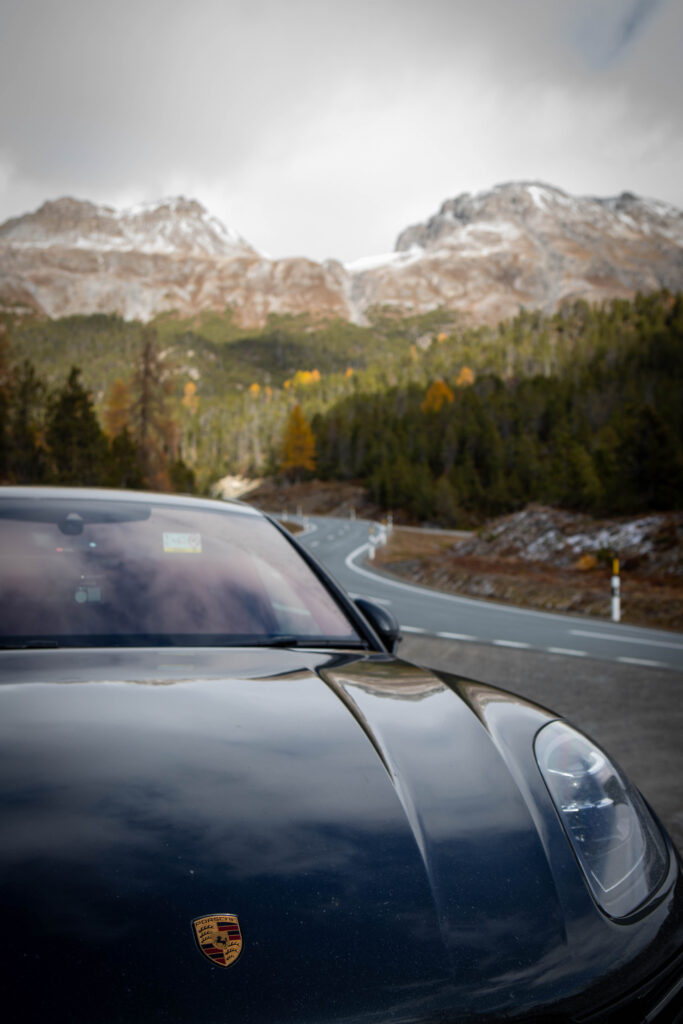
Something like 5 hours in the car was planned, taking in a host of passes – Bernina, Livigno, Stelvio, Umbrail, Fuorn (aka Offen) and Flüela. We set off earlier than normal as we had a plan for the late afternoon. The first couple of passes took us through various ski resorts, and a lot of roadworks which kept cars and lorries together in groups.
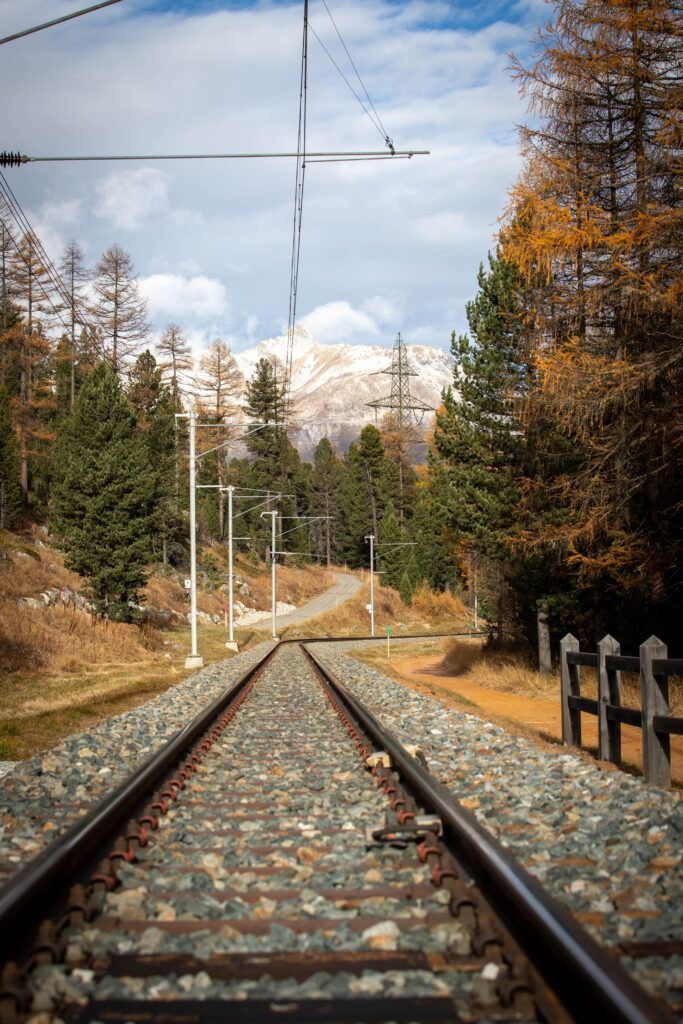
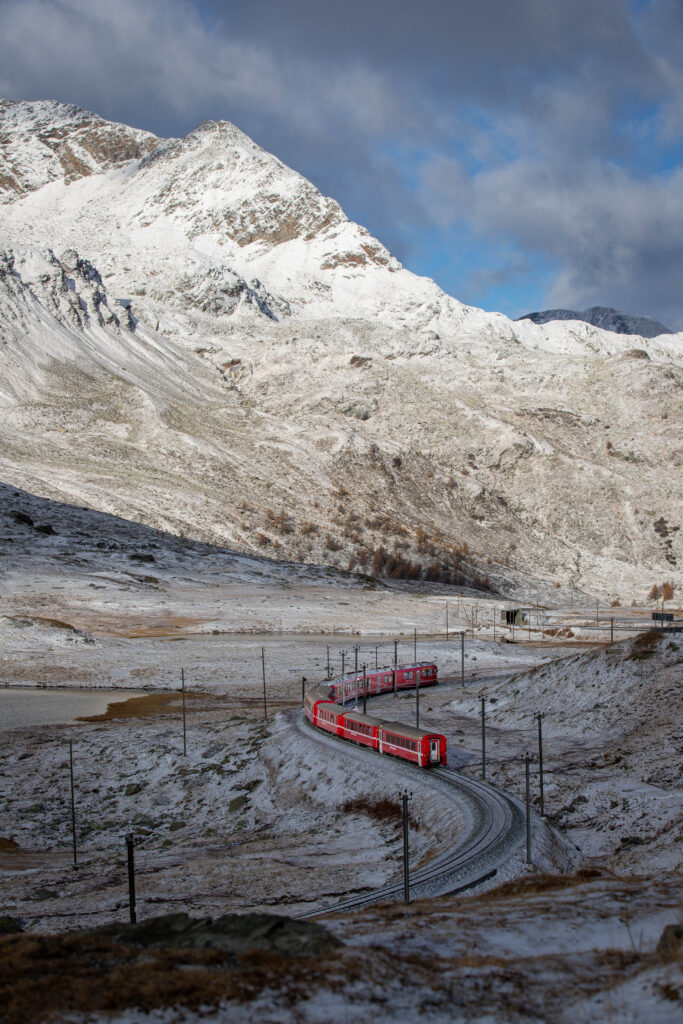
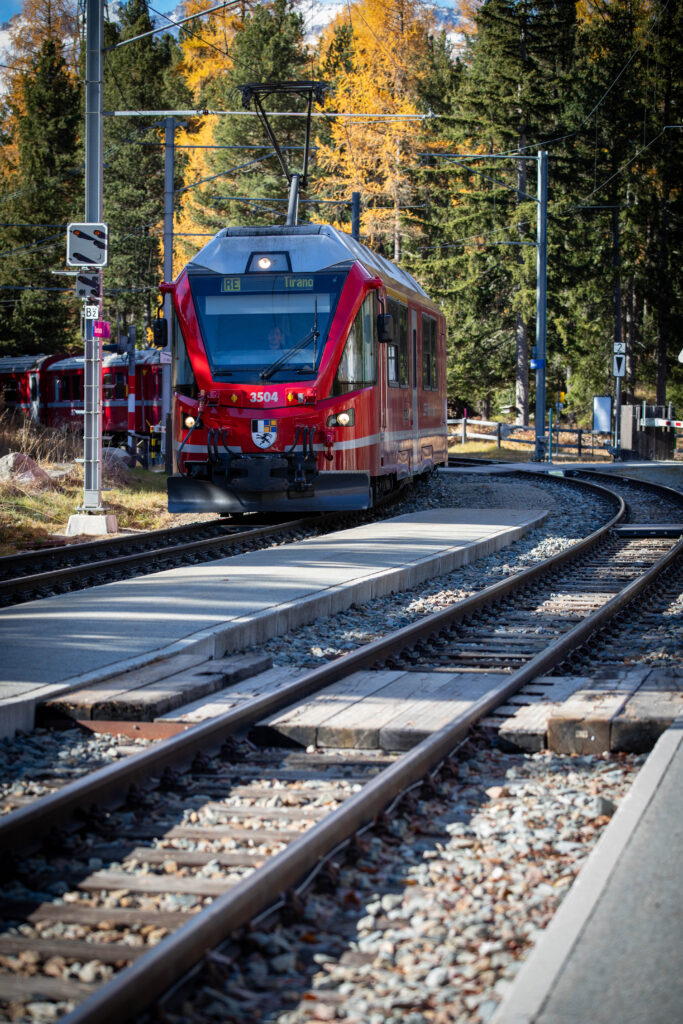
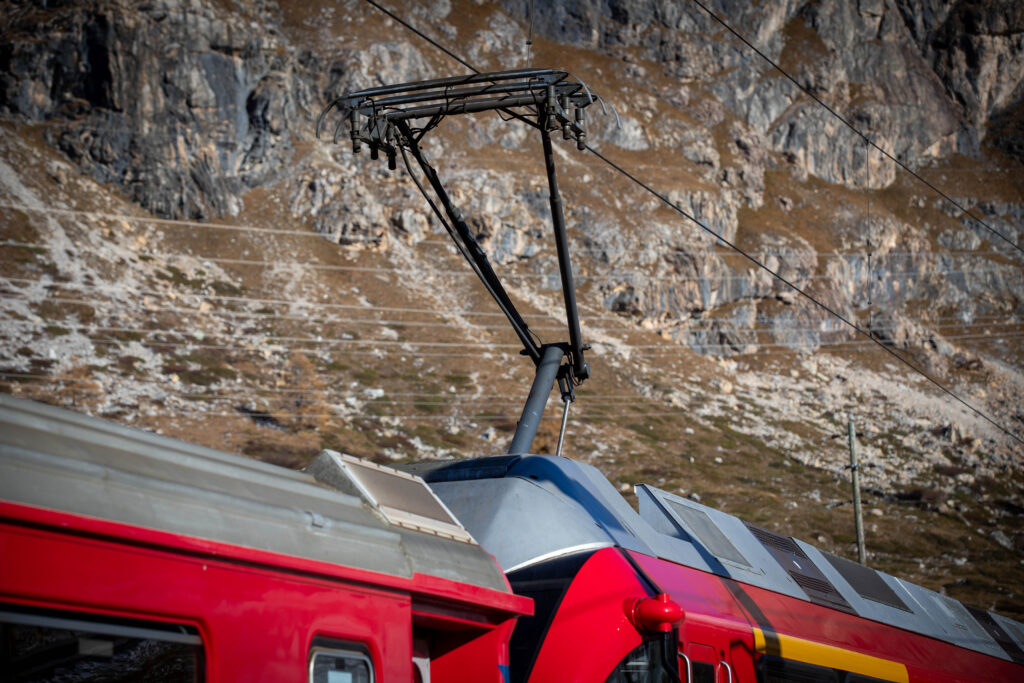
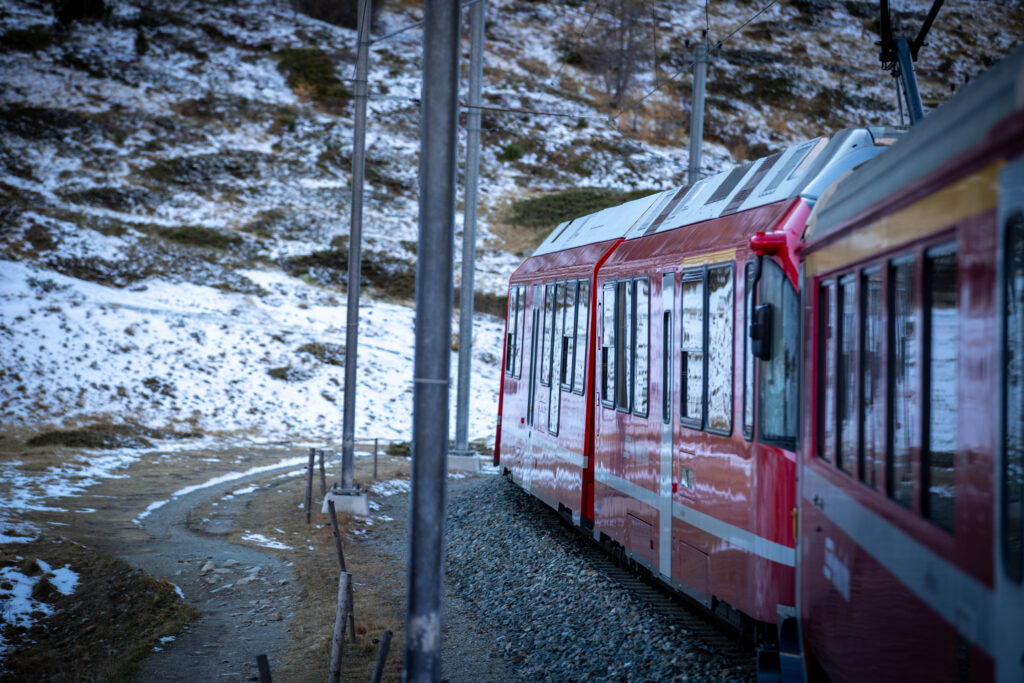
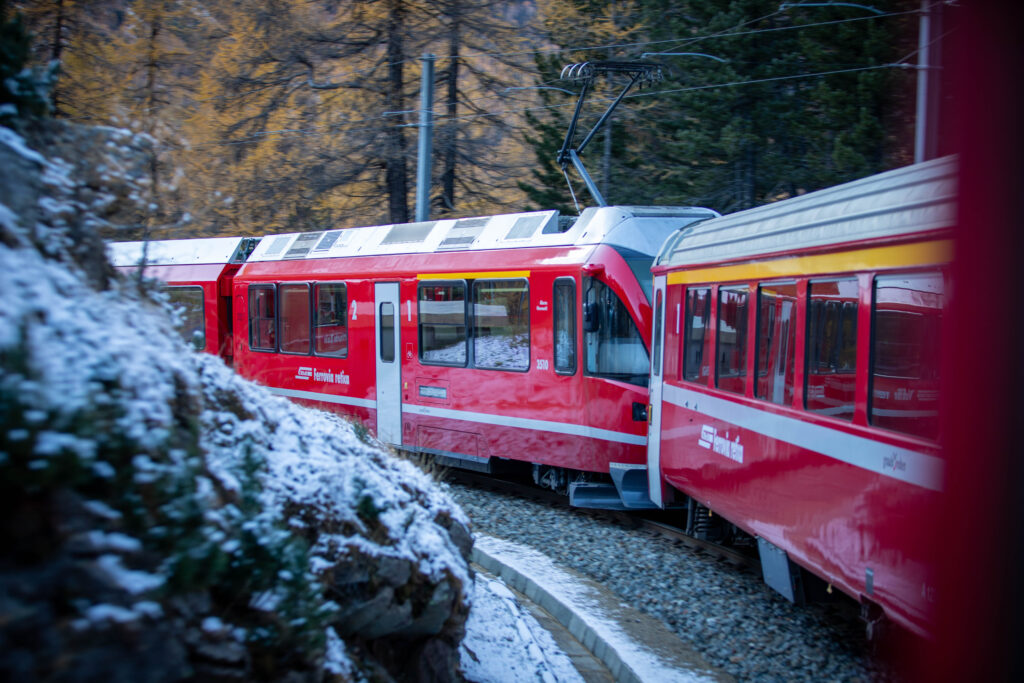
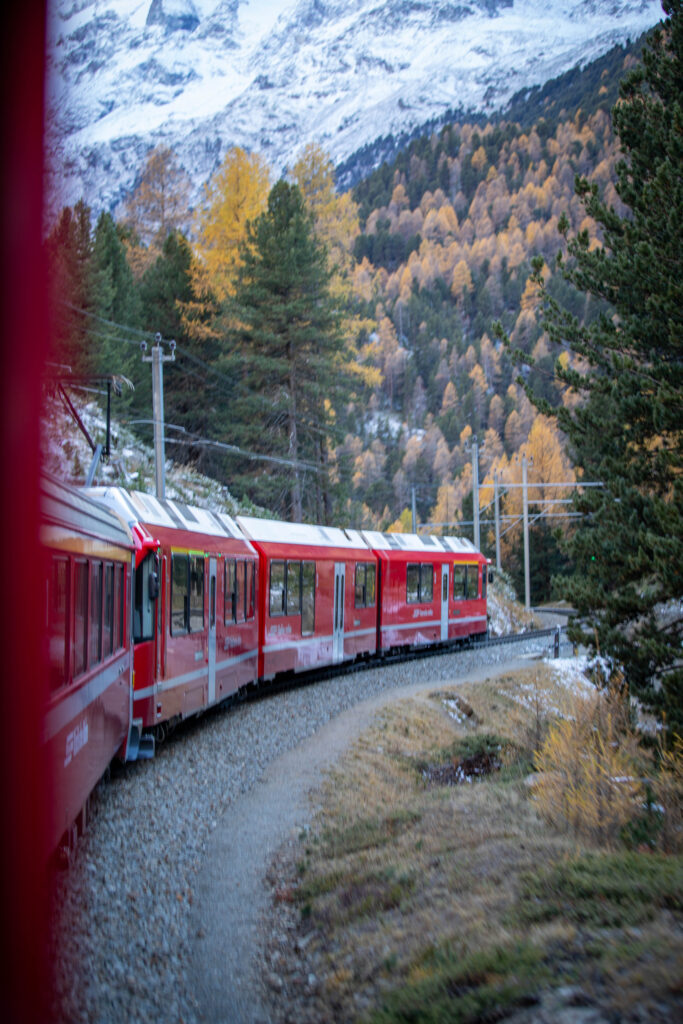
A lucky stop happened early on, in the Bernina pass, where we stopped to look at the view and saw two photographers with kit set up on tripods, obviously waiting for something. Turns out we’d arrived about 3 minutes before the hourly train crossed the pass. Spectacular!
Bernina and Livigno passes:
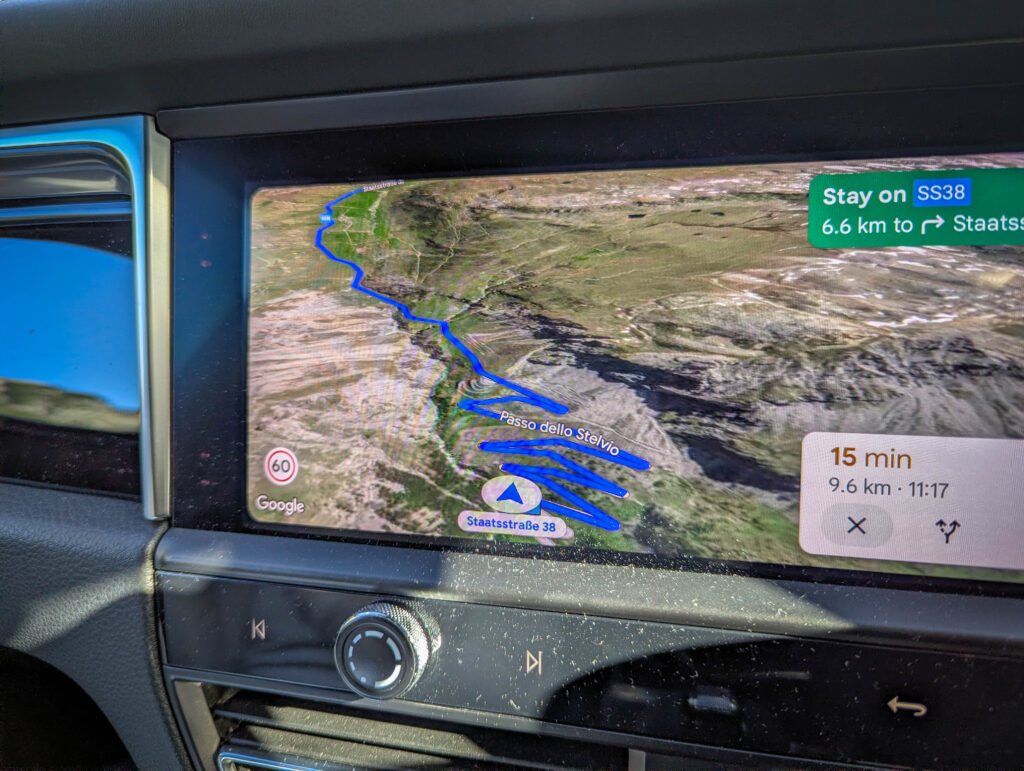
With the Bernina and Livigno passes done, it was onto the main event, the Stelvio. The road was incredible leading up the valley, criss-crossing in famous fashion, before summiting at Stelvio. On the way up the roads were really narrow in places, and we came across 8 or so BMW test mules being taken back down the pass, towards us. They were hard to distinguish because of their camouflage markings, but likely new 7-Series test platforms given their size. And fully electric. They waved at us as we passed by.
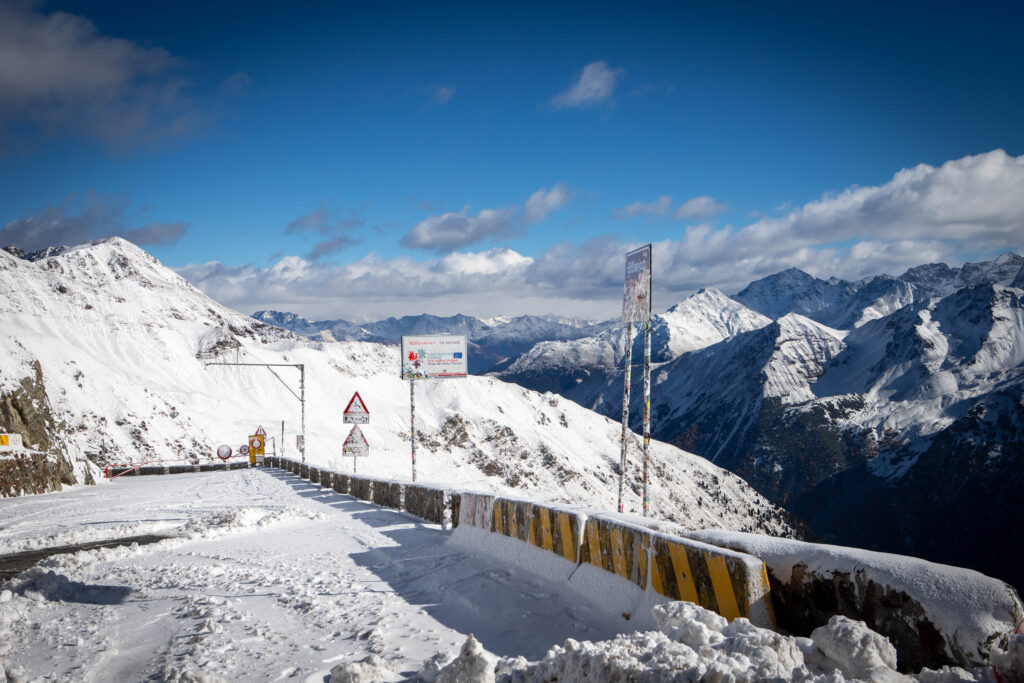
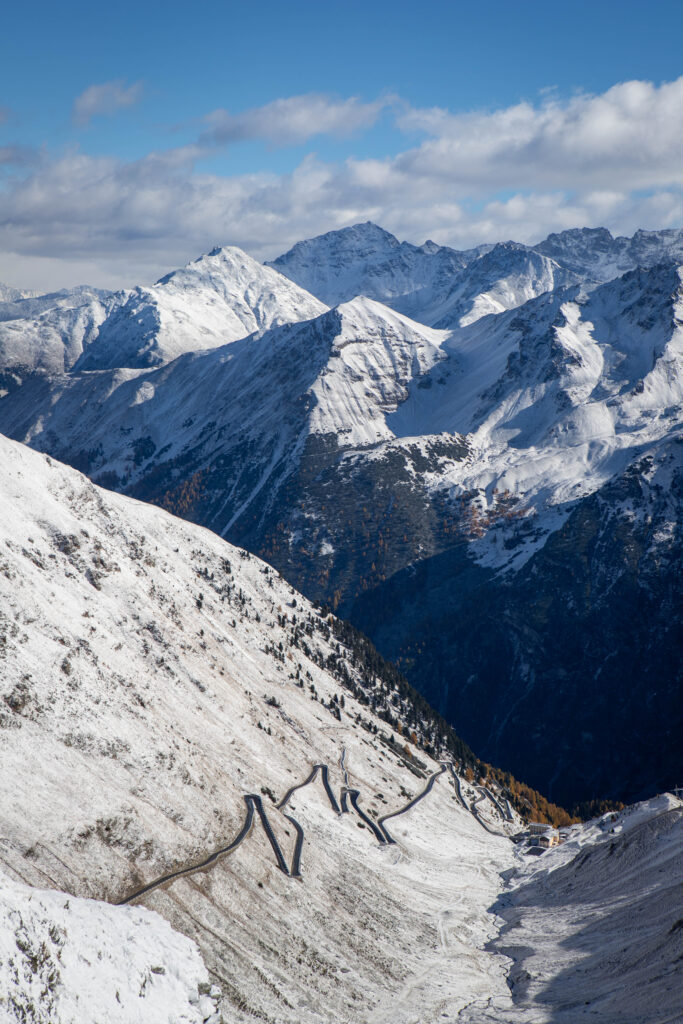
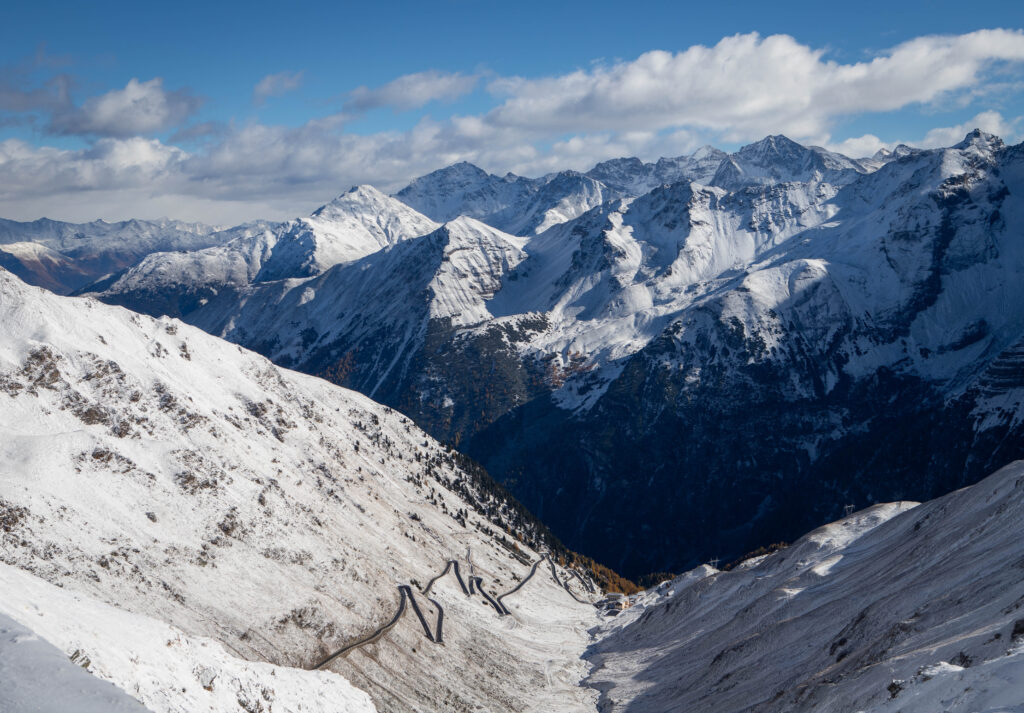
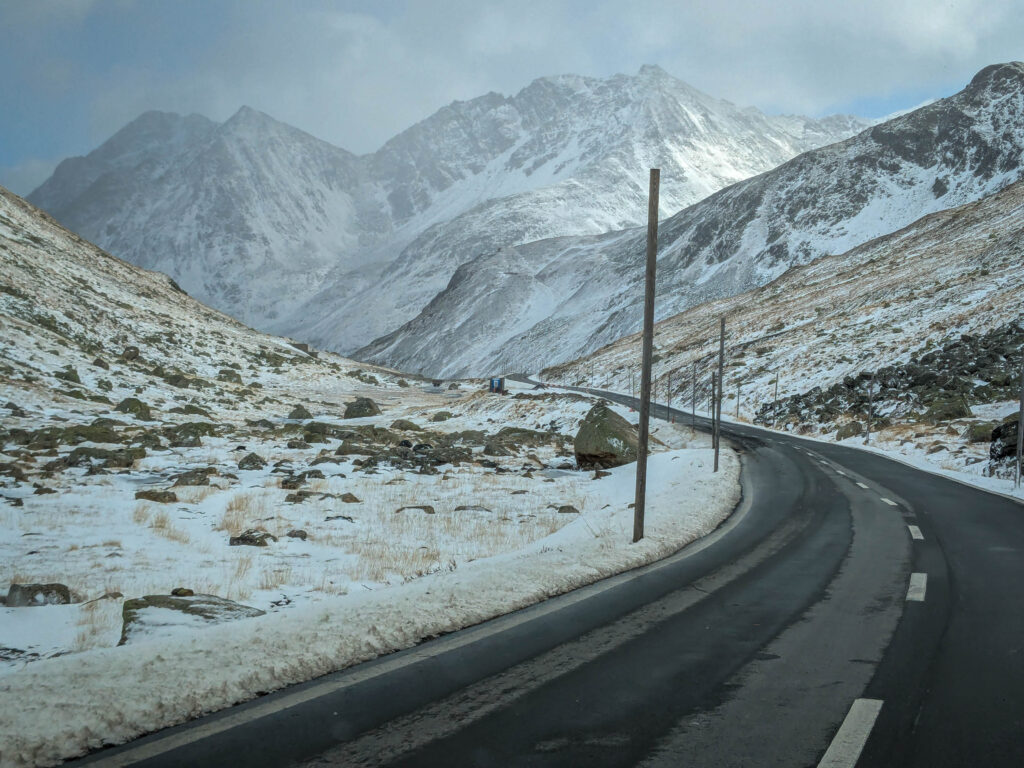
As we neared the summit the snow appeared and the roads got really icy, then covered in snow for the last kilometre or so. I have to say, the winter tyres were excellent. There was some movement, but not much. It was only slightly worrying coming back down when there were no barriers. Once at the top the snow was really deep, and the road over the other side was closed – impassable for a fair distance. We had planned to descend and come back up, but not today. Another to save for another time.
Stelvio pass (2 parts!):
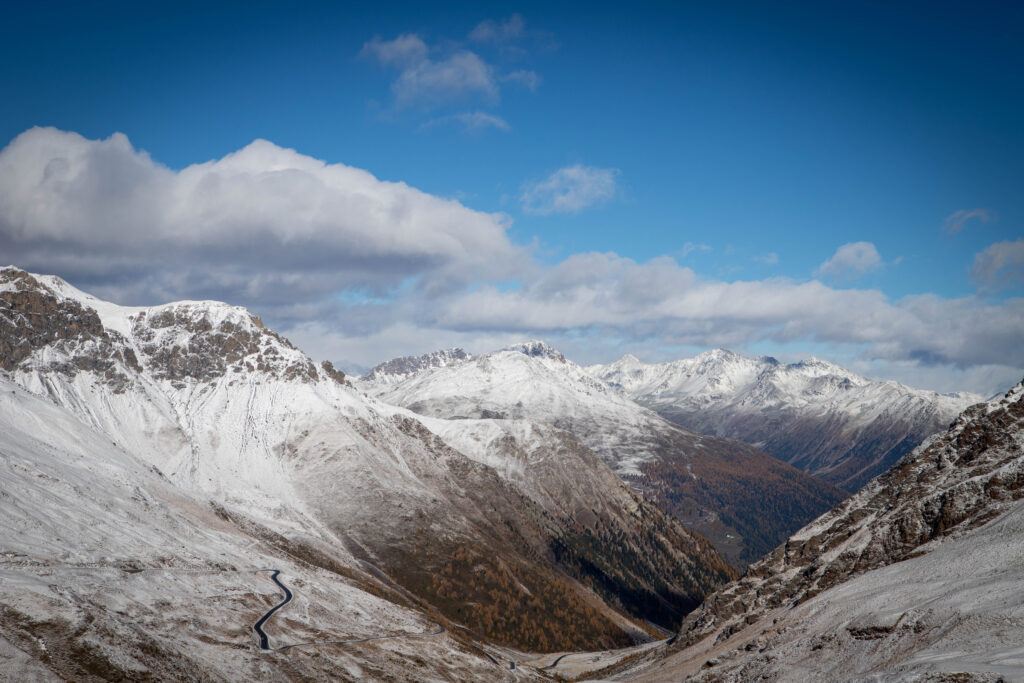
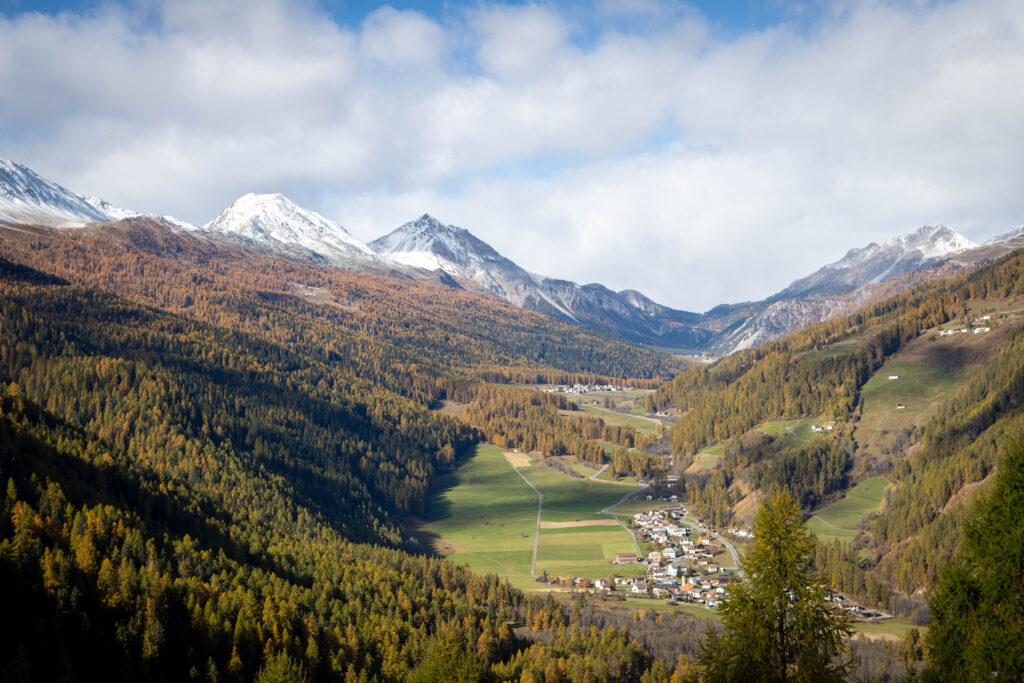
From here we retraced our stops to the top of the Umbrail Pass, which was treacherous at the top but quickly cleared and turned into a pretty and green Alpine valley. Then the Fuorn Pass (also known as the Offenpass), which was equally green. The final pass of the day was Flüela, which was a lot snowier than any of the others that day.
Umbrail pass:
Fuorn pass:
Flüela pass:
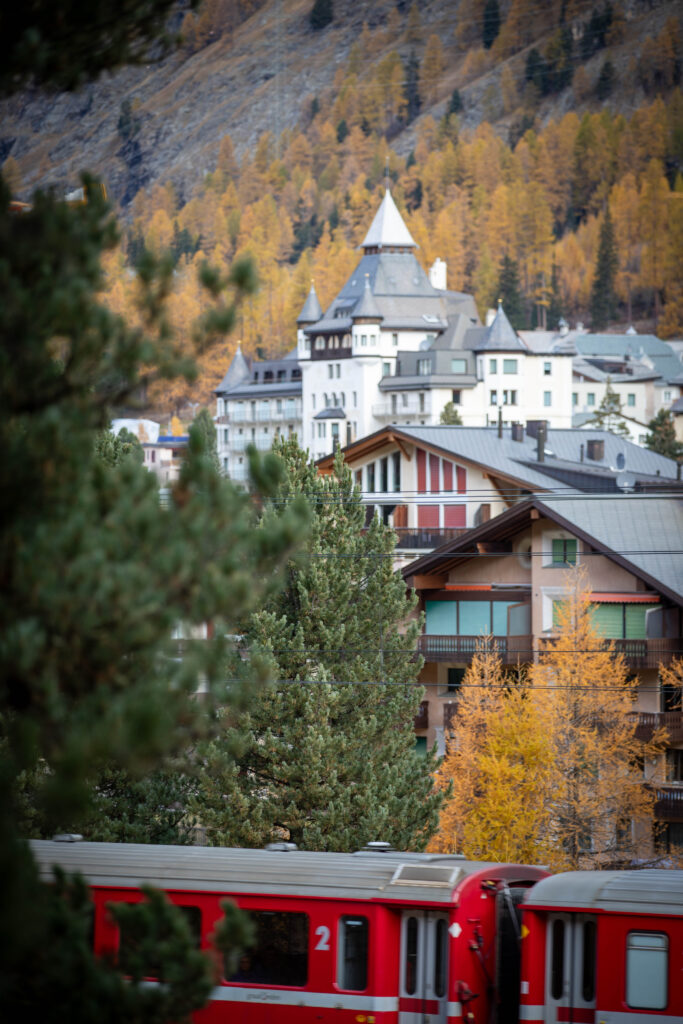
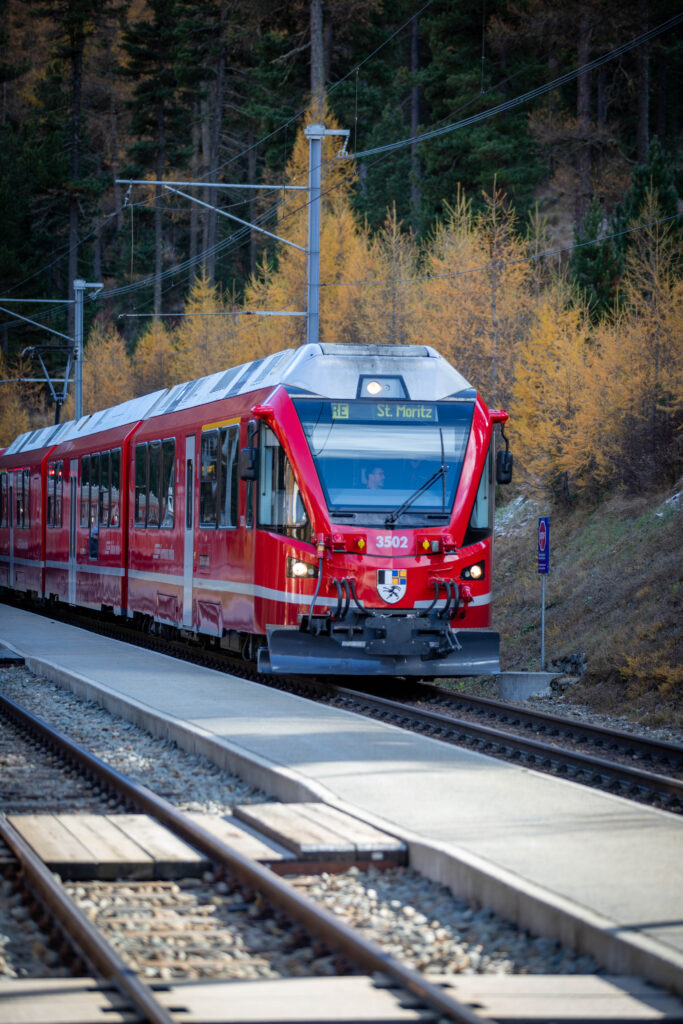
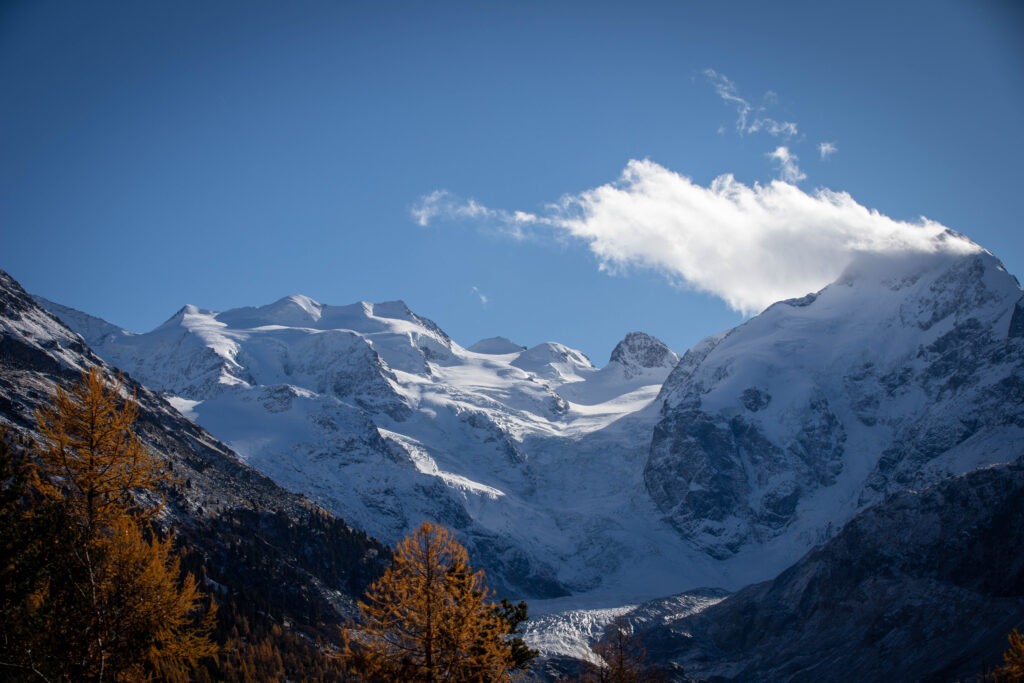
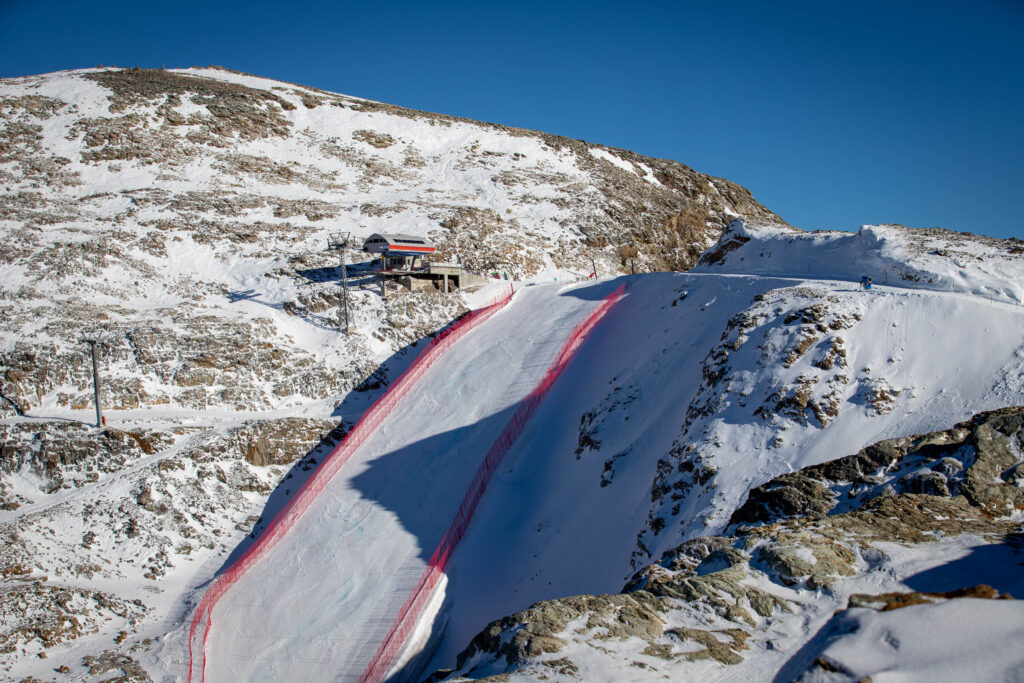
Once back at the hotel we quizzed the staff about using our free rail and cable car tickets (as residents of the hotel) to take us up the Diavolezza, a 4,000m+ peak with a glacier. The plan was to take the train from Pontresina (the same red one we saw that morning) to the cable car, around 20 minutes away, get the cable car to the summit, then once we’d had a look we’d reverse the journey.
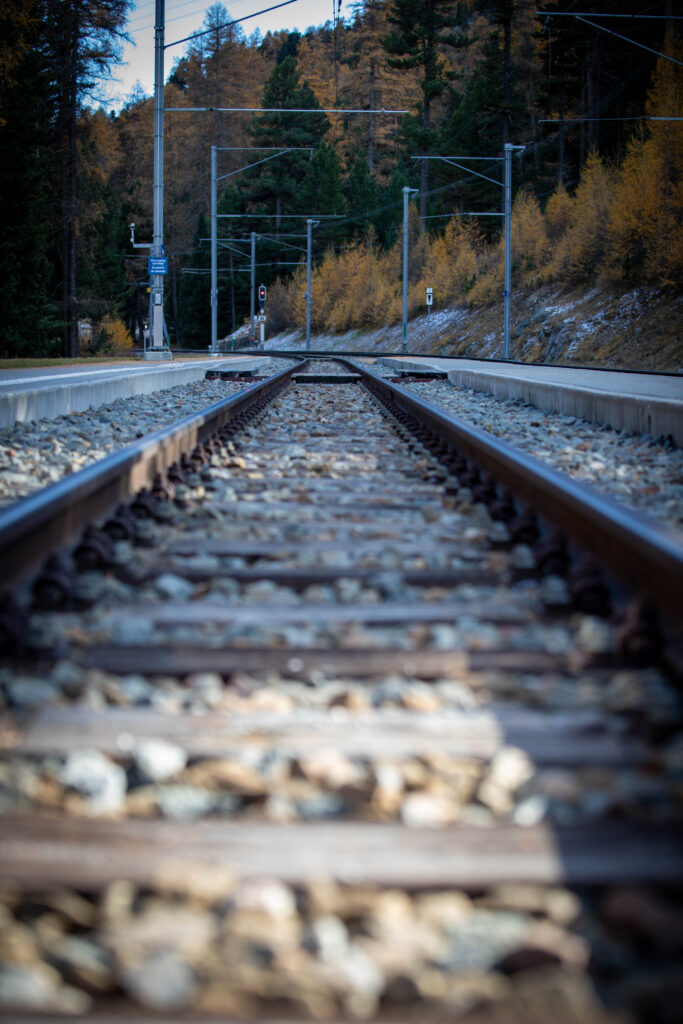
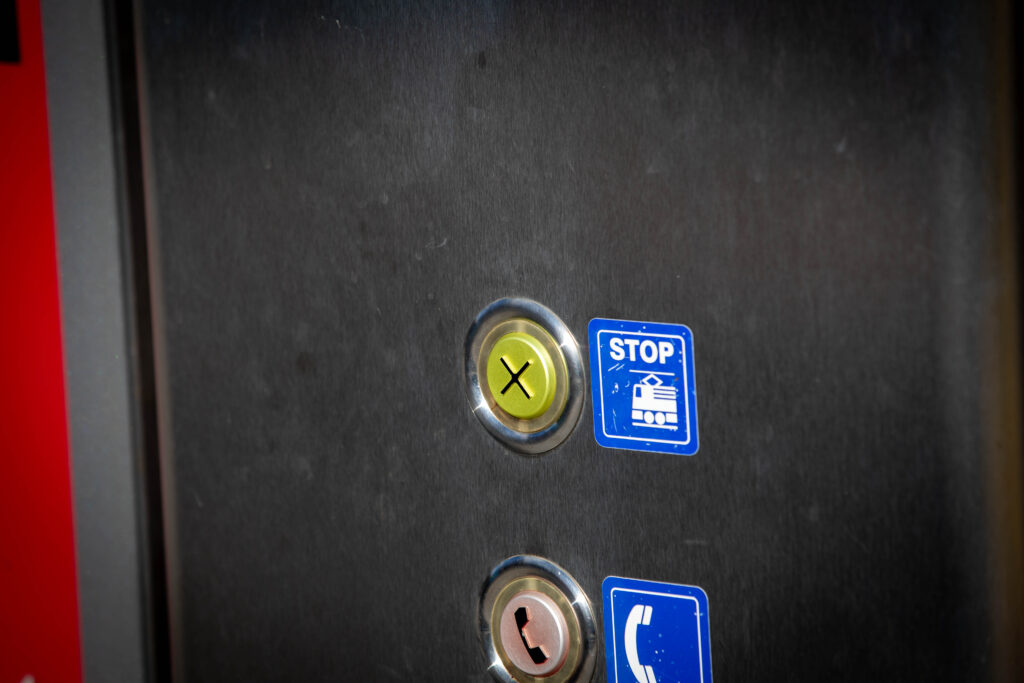
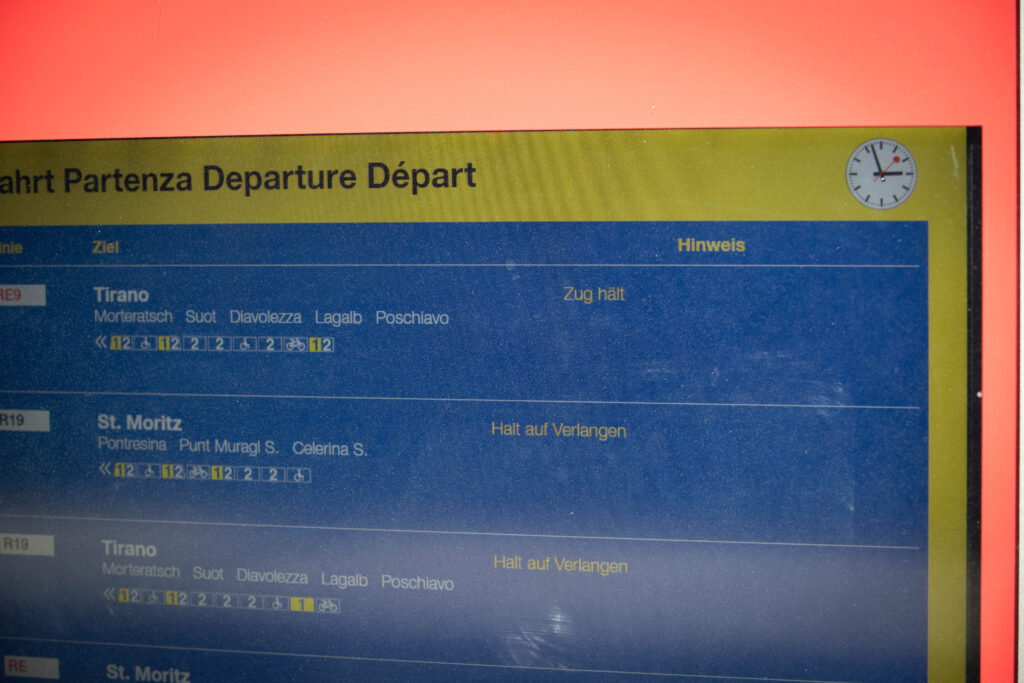
The first challenge was getting the train. The station near the hotel was an “on request” stop which meant we had to press a button no earlier than 15 minutes before the train arrived, which would signal it to stop. No way would we have worked that out without the help of some German-speaking tourists!!
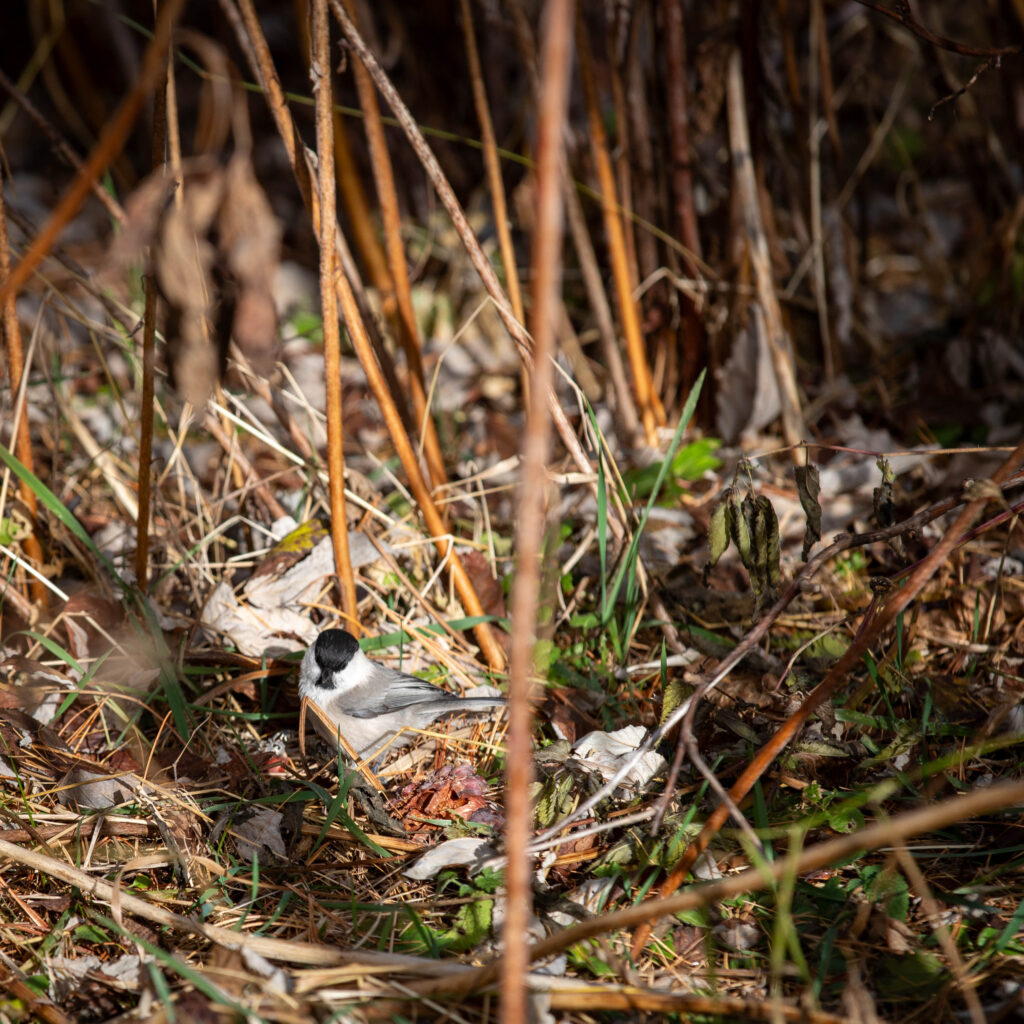
Whilst waiting we saw a helicopter, a train travelling in the other direction and Jo found lots of birds to listen to/look at.
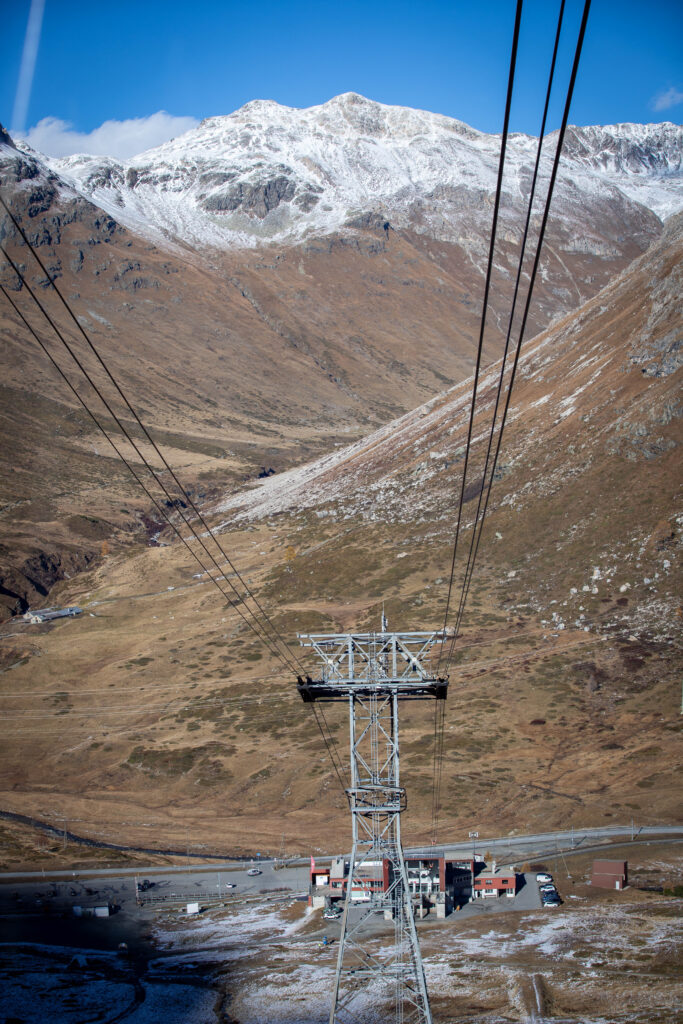
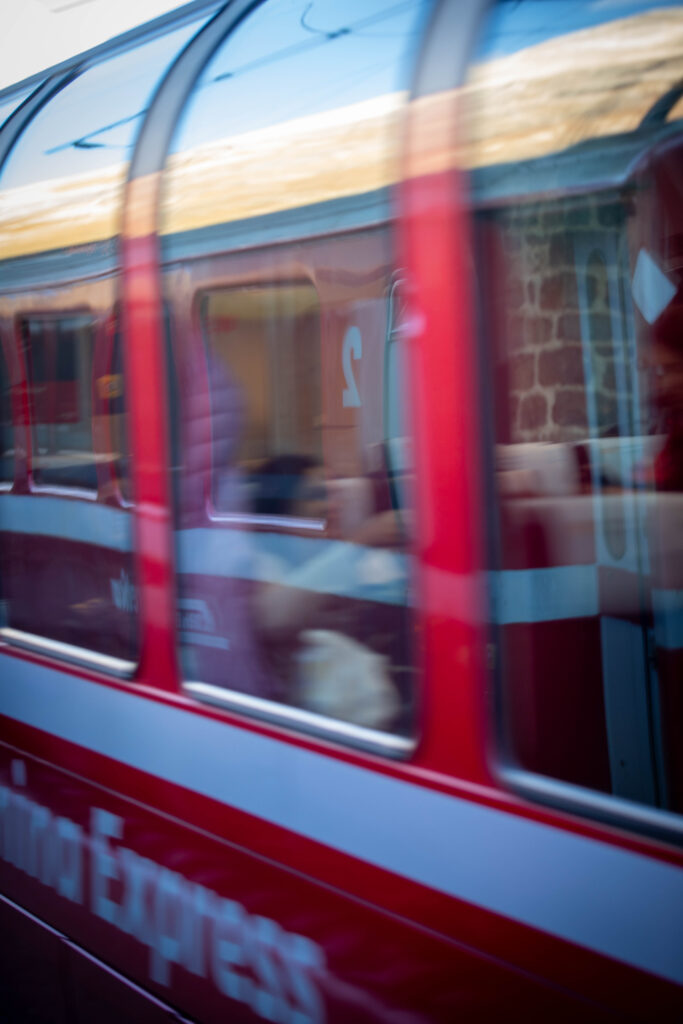
Our train was packed, but we got seats and snapped photos of mountains out of the window, until we arrived. We think the cable car was used to take large volumes of skiers to the summit from where they would ski down to Livigno, St Moritz, etc…. given the car park we saw was huge.
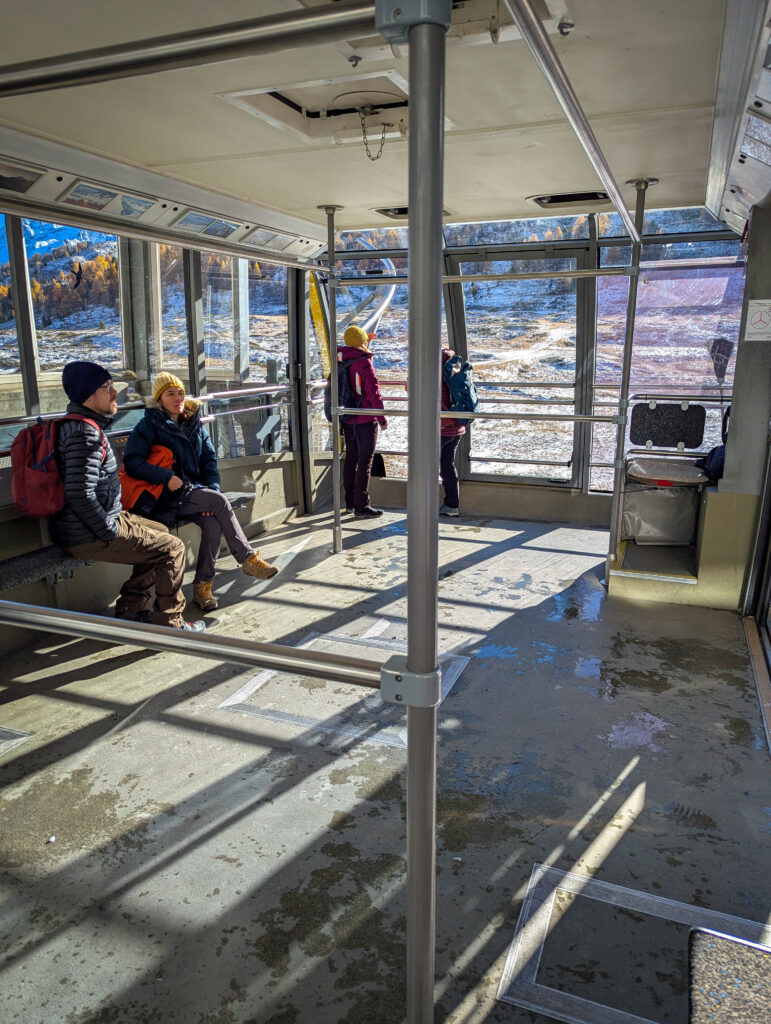
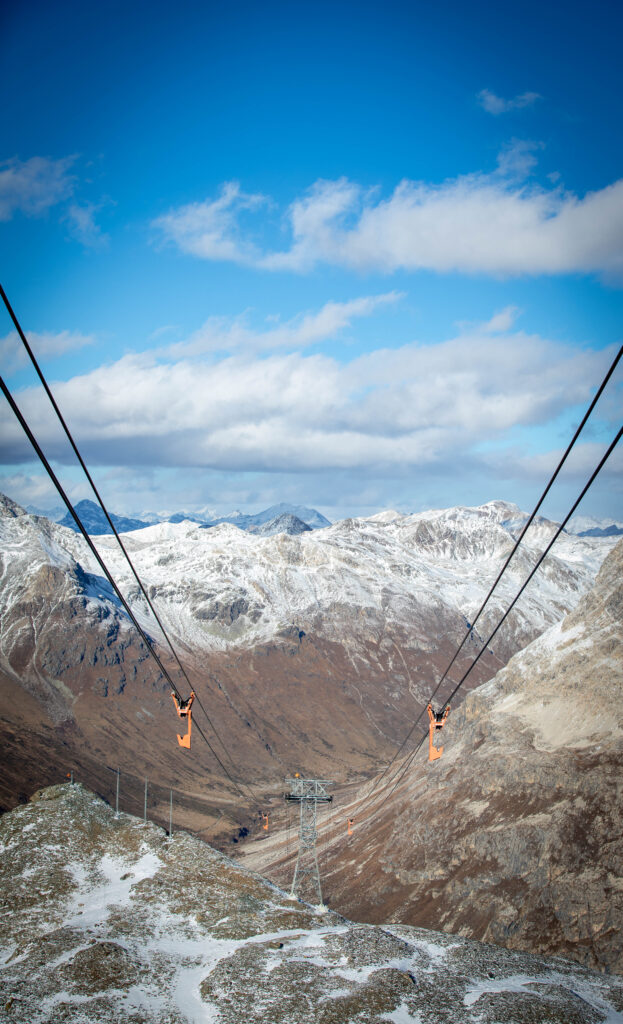
A ride to the top took 12ish minutes, enough time to get a good view. The car itself could hold 102 passenger plus the “driver”, a maximum of 8.4 tonnes. There were only a dozen of us.
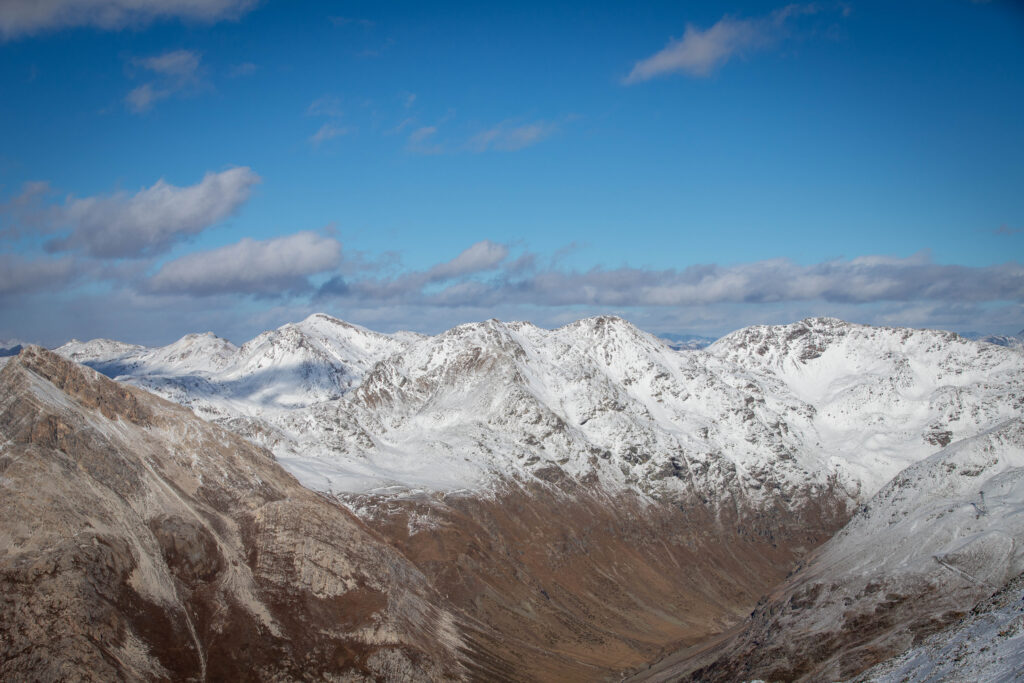
Once at the top we discovered it was -7 degrees Celsius and windy, so we had a quick look and caught the next cable car down (they leave every 20 minutes, so we were outside for less than 8 minutes!!).
The return train journey was a lot nicer, as we found the bike carriage and had it almost to ourselves! Views out of both sides allowed a lot more photos to be taken! At one point the train turns a full 180 degrees – very sharply!
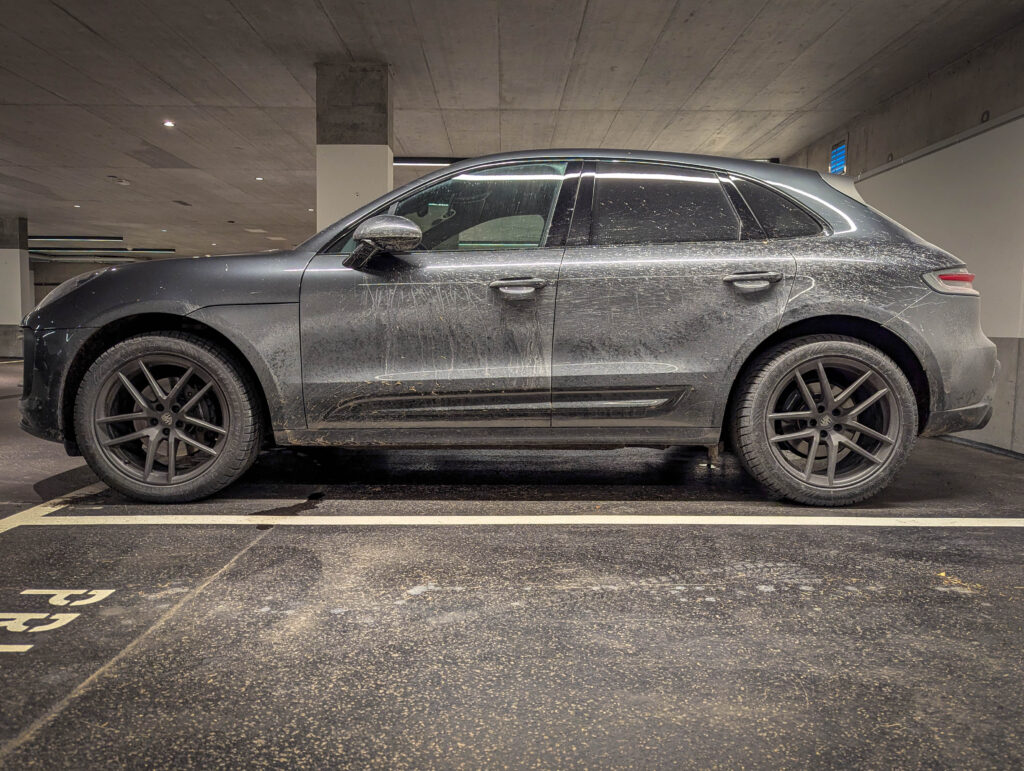
Once back at the hotel we went via the (very dirty) car to collect our washing, and began the process of replenishing our clean clothes. Whilst waiting we had early starters with a glass of wine, returning later for dinner. Then bed.